Heimish All Clean Balm vs Banila Co Cleansing Balm: A Fair Comparison
Explore the differences between Heimish and Banila Co cleansing balms in this detailed comparison, designed to guide your K-beauty routine.
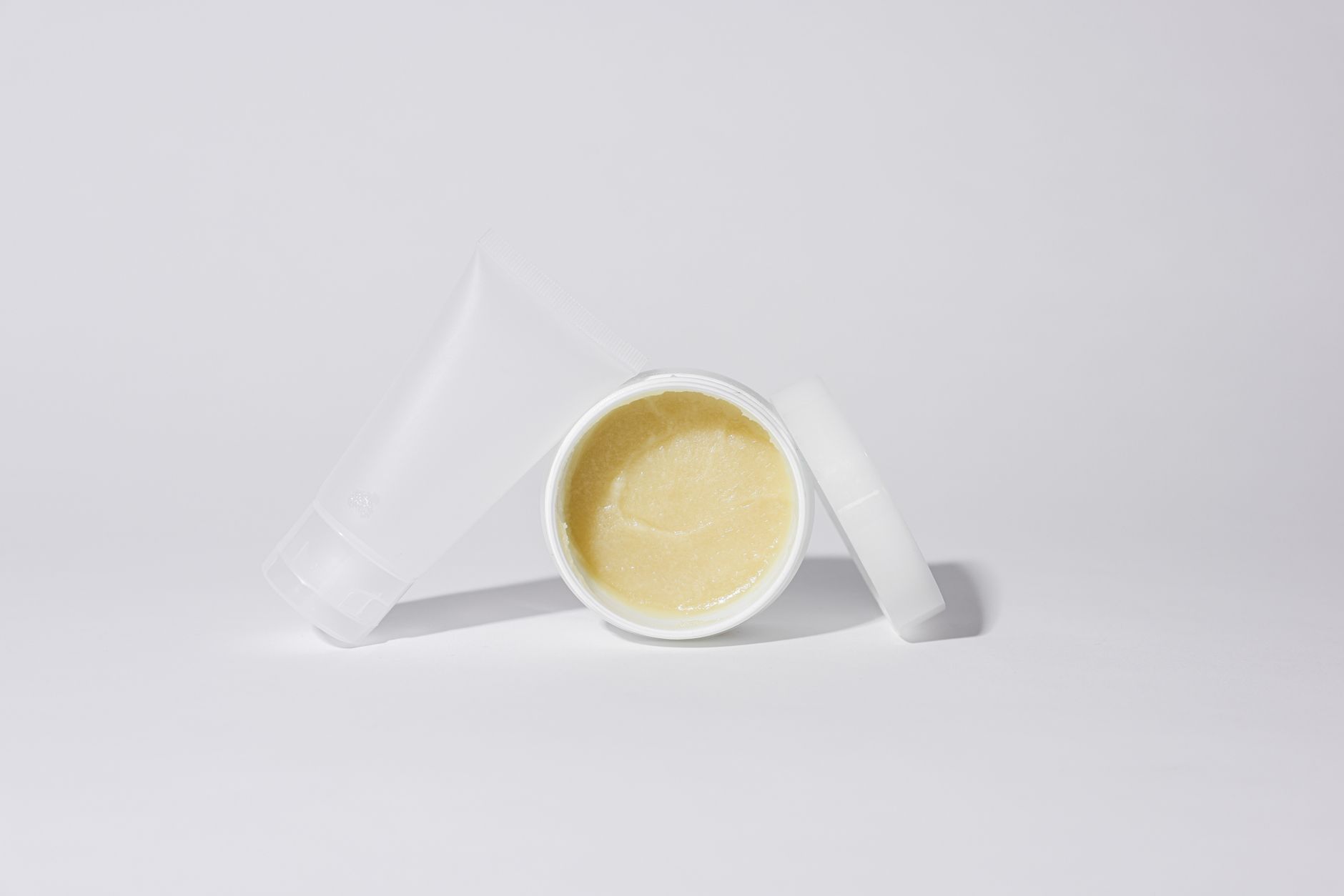
Strolling through the K-Beauty aisles at Olive Young in Gangnam, it’s hard to miss the prominence of cleansing balms. The shelves are lined with jars that promise to melt away makeup and impurities, but two brands, Heimish and Banila Co, often dominate discussions. Today, I'll be comparing the Heimish All Clean Balm with the Banila Co Clean It Zero Cleansing Balm, two popular choices amongst beauty enthusiasts here in Seoul.
Packaging and Initial Impressions
Both balms come in appealing packaging that is typical of Korean beauty products. The Heimish balm is housed in a sturdy, minimalist white jar adorned with simple black lettering. It feels a bit more high-end compared to Banila Co's signature pink and white tub. However, the playful design of Banila Co's packaging can be quite endearing for those who appreciate a more whimsical aesthetic.
Beyond aesthetics, the usability of the jars is also worth mentioning. Heimish's packaging includes a small spatula, which is a thoughtful addition that prevents contamination. Banila Co, on the other hand, does not supply a spatula, which means you will need to use your fingers or buy one separately. This is a minor detail, but it can matter when it comes to hygiene. On a recent visit to a beauty shop in Seongsu-dong, I noticed how many people were reaching for Heimish specifically because of this thoughtful touch.
Ingredients Breakdown
When assessing cleansing balms, the ingredient list is crucial. Here’s a brief overview of each product:
- Heimish All Clean Balm: Contains natural ingredients like shea butter and coconut extract, which are great for hydration. It also includes tea tree oil, known for its antibacterial properties. This makes it a good choice for those dealing with acne or oily skin.
- Banila Co Clean It Zero Cleansing Balm: Features a unique 'Sherbet' texture and is enriched with botanical extracts like papaya and acerola, which help brighten the skin. This could be a compelling option if you’re looking for an extra glow.
Both balms are free from parabens and artificial fragrances, which is a plus for sensitive skin types. However, Heimish stands out with its use of tea tree oil, making it slightly better suited for acne-prone skin. I’ve noticed that my skin feels less irritated after using Heimish, especially during the summer months when humidity can aggravate breakouts.
Texture and Application
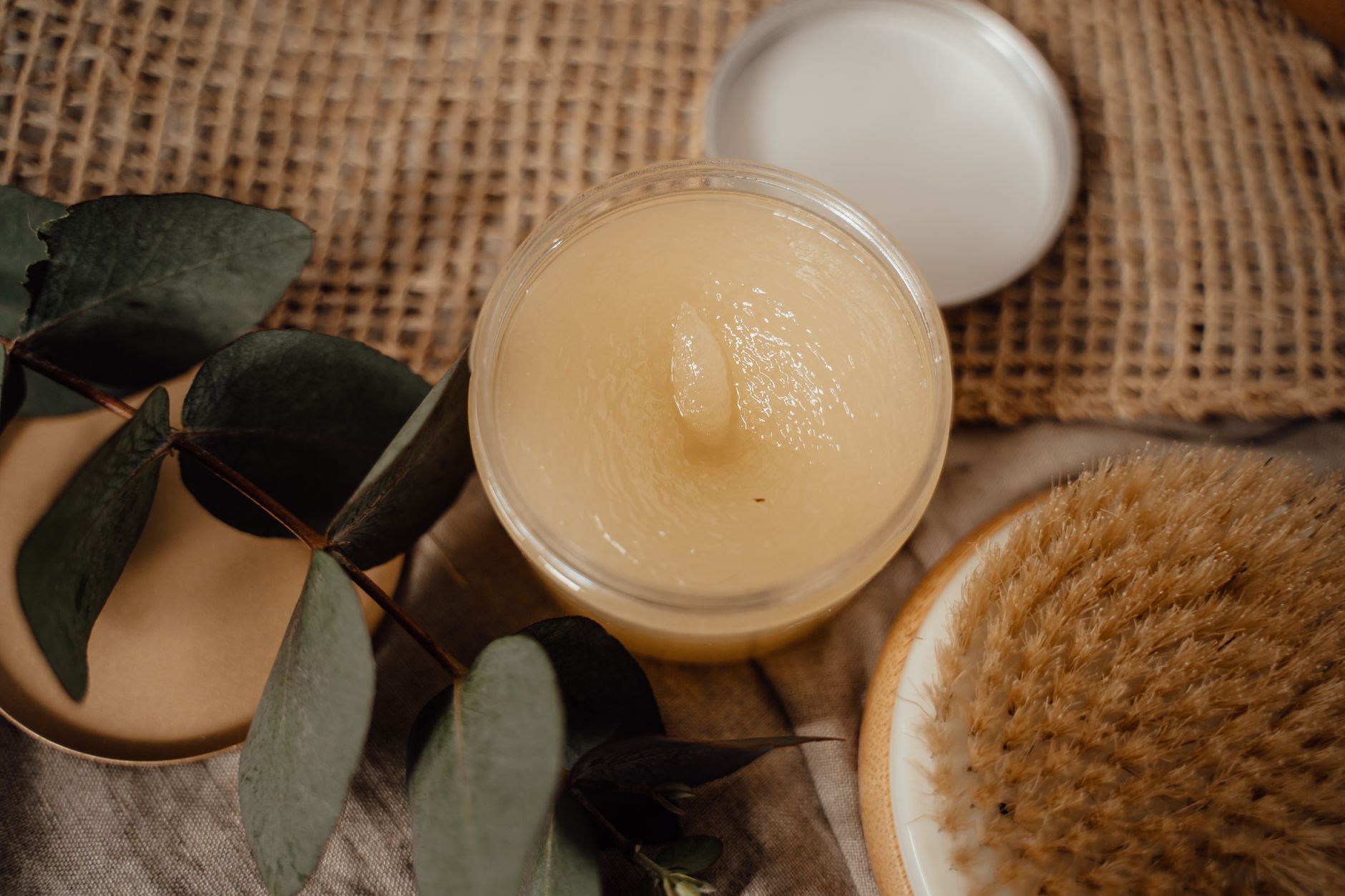
Texture can make or break a cleansing balm, and both products have distinct feels. Heimish starts as a solid balm but melts into a silky oil as you warm it between your fingers. It glides on effortlessly, making it easy to dissolve makeup. On the other hand, Banila Co's balm has a thicker, sherbet-like consistency that feels luxurious at first but can sometimes require a bit more effort to rinse off completely.
In terms of application, I found some differences in my experience:
- The Heimish balm is more forgiving and feels less greasy upon rinsing, which is something I appreciate. It's ideal for double cleansing, especially in the evenings after a long day in bustling neighborhoods like Hongdae where the nightlife often calls for bolder makeup.
- Banila Co's balm, while effective, does leave a slight residue that some users might find off-putting. I sometimes find myself needing to follow up with a foaming cleanser, particularly after a day filled with heavy makeup from local shops like Etude House.
Effectiveness
Both balms are effective at removing makeup, but I noticed some differences during my trials. Heimish All Clean Balm excels at breaking down heavy makeup, including waterproof products. After using it, my skin felt clean without that tight, stripped sensation. It’s my go-to on weekends when I wear more makeup for outings in places like Itaewon, where the vibrant nightlife can prompt a full face of cosmetics.
Conversely, Banila Co Clean It Zero also does a solid job but took a few extra seconds to fully break down stubborn mascara. I’ve heard from friends that those with sensitive eyes sometimes prefer Heimish due to its gentler formula. While it left my skin feeling soft, the residue sometimes lingered, requiring a second cleanse for a completely clean feel, especially on days when I have more sunscreen on after spending time in neighborhoods like Jongno.
Price and Availability
When it comes to pricing, both products are quite accessible. The Heimish All Clean Balm retails for around 20,000 won (approximately $15), while the Banila Co Clean It Zero usually goes for about 18,000 won (around $13). Given the quality of both products, I find that the price point is reasonable for the performance they offer. You can easily find them at stores like Olive Young, Aritaum, or online platforms like GMarket. The price difference is minor, but it may influence your choice if budget is a concern.
Practical Tips for Use
If you’re new to cleansing balms or looking to enhance your routine, here are some practical tips to get the most out of either product:
- Use Dry Hands: Make sure your hands and face are dry before applying the balm. This ensures the balm can effectively break down makeup.
- Warm It Up: Take a small amount (about a dime-sized amount) and rub it between your fingers to warm it up. This will make it easier to spread across your face.
- Massage Gently: Use circular motions to massage the balm into your skin, focusing on areas where you wear the most makeup.
- Rinse Thoroughly: After massaging for about 30 seconds, rinse with lukewarm water. If you opt for Banila Co, you might want to follow up with a foaming cleanser for a complete clean.
- Consider a Double Cleanse: For those heavily made-up days, following up with a water-based cleanser ensures you're truly clean. This is particularly effective after a night out in places like Apgujeong.
FAQ
Can I use both cleansing balms together?
Yes, you can use both if you want to experience the benefits of both products. Start with Heimish for its antibacterial properties, followed by Banila Co for its brightening effects, especially if you're wearing heavy makeup.
Which balm is better for sensitive skin?
Heimish is generally better for sensitive skin due to its inclusion of gentle ingredients like tea tree oil. However, it’s always wise to patch test both products to see how your skin reacts.
How long does each jar last?
Both balms are quite economical. Depending on usage, a 120 ml jar can last anywhere from 2 to 3 months with daily use, particularly if you follow a double-cleansing routine. I’ve found that using them every day, I typically get around two months out of each.
What is the best way to store these balms?
Store them in a cool, dry place away from direct sunlight. A bathroom drawer or a shelf in your bedroom works well. Be cautious about humidity, as prolonged exposure can alter the balm's consistency.
Do these balms work for all skin types?
Both balms are formulated to be suitable for a range of skin types, but individual reactions may vary. Those with dry skin may prefer Heimish due to its hydrating properties, while oily skin types may find Banila Co's brightening benefits appealing.
Final Thoughts
In the end, choosing between Heimish and Banila Co might depend on your skin type and preferences. If you have acne-prone skin, Heimish may suit you better due to its tea tree oil. However, if you enjoy a thicker balm and appreciate the enriching botanicals, Banila Co might be your pick. In my experience, I lean slightly towards Heimish for its effectiveness and ease of use, especially after a long day exploring Seoul.
Have you tried either of these cleansing balms? I’d love to hear your thoughts. In my next post, I’ll be sharing my take on the latest sunscreen trends in Korea.
Photos by Cup of Couple, Tara Winstead, Alesia Kozik via Pexels