A First-Timer's Guide to Eating Korean Street Food in Seoul
Discover the must-try street foods in Seoul and how to enjoy them like a local. Perfect for first-time visitors seeking a taste of Korea.
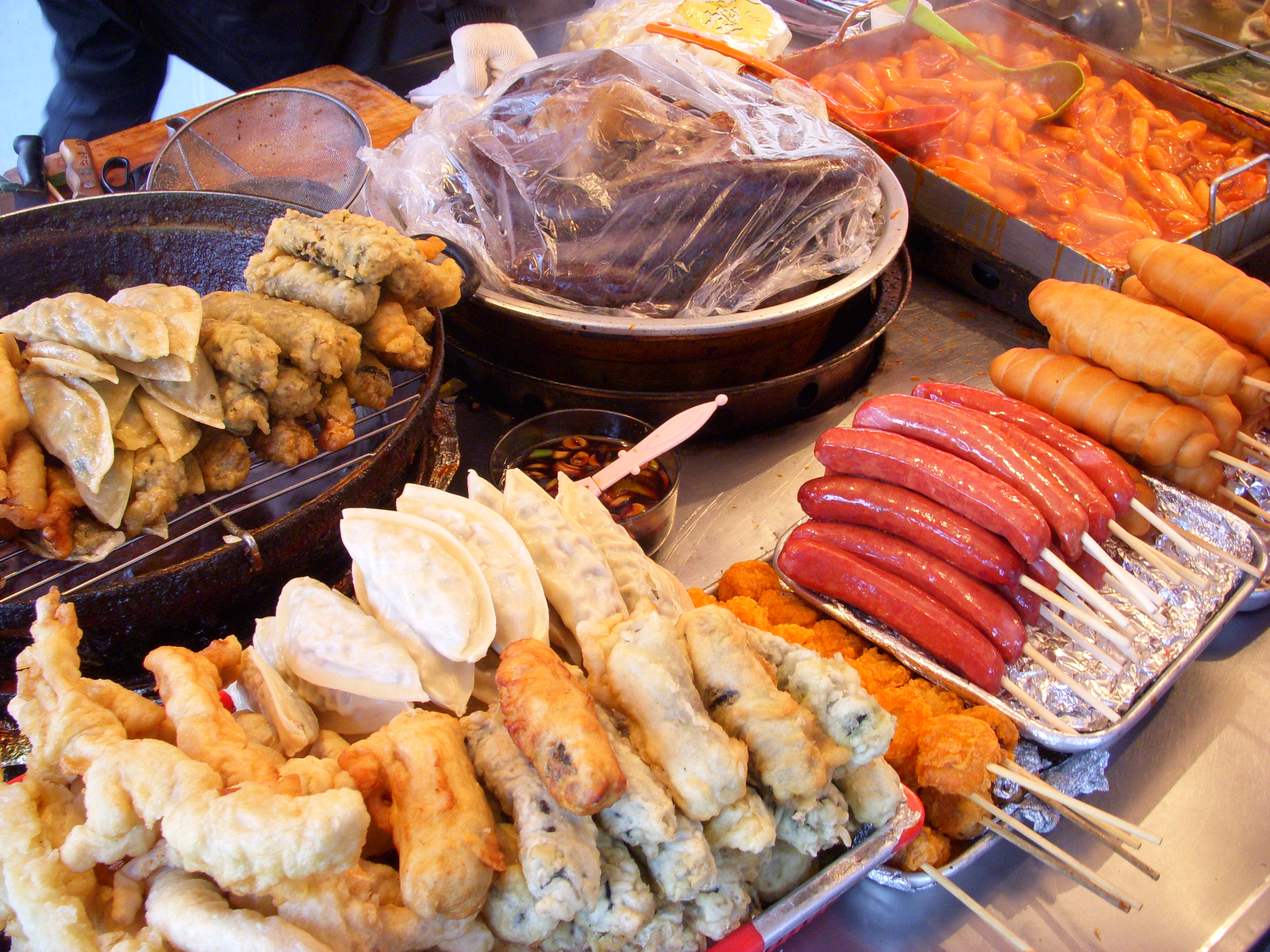
Strolling through the vibrant streets of Myeongdong or Itaewon, the sizzling sounds and enticing smells of Korean street food undoubtedly pique your interest. As someone who has spent considerable time here, I can assure you that street food is a quintessential part of the Korean culinary experience. Here’s a practical guide for first-time visitors to help you navigate this delicious landscape.
Must-Try Street Foods
Before diving into specific recommendations, it's worth noting that most street food in Korea is not just about filling your stomach; it’s about the experience. Here are key dishes to seek out:
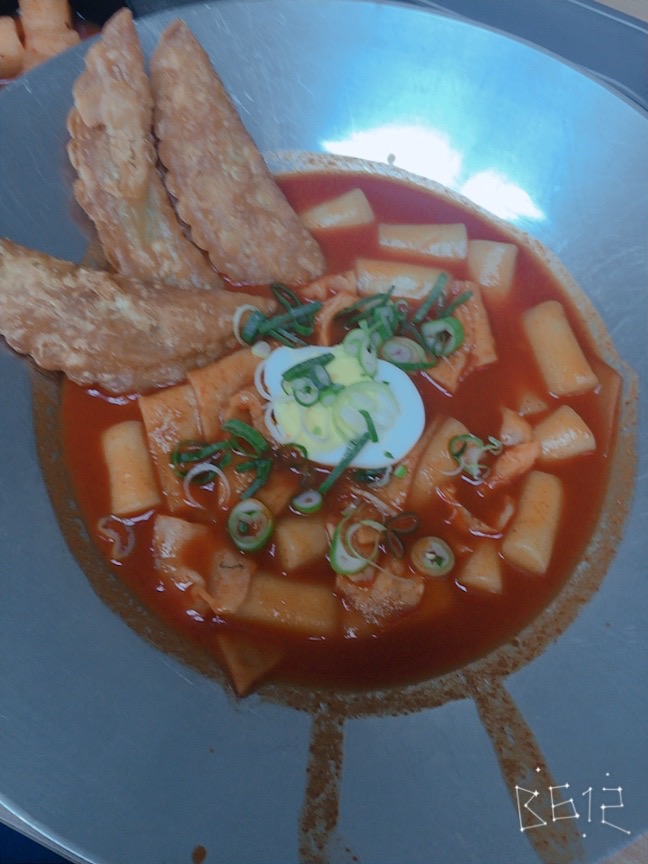
- Tteokbokki (떡볶이) - Spicy rice cakes cooked in a rich sauce, typically priced around 3,000 won ($2.50) per serving. You can find excellent tteokbokki at vendors in Dongdaemun, where it's often paired with fish cakes.
- Hotteok (호떡) - Sweet pancakes filled with cinnamon and sugar, usually found for about 2,000 won ($1.70) each. The best ones can be found in Insadong, especially during the winter months.
- Gimbap (김밥) - Seaweed rice roll filled with various ingredients, often costing around 2,500 won ($2.10). Look for gimbap made fresh at street-side shops around Yonsei University.
- Odeng (오뎅) - Fish cakes on a stick, served in a warm broth, usually sold for about 1,000 won ($0.85). You can smell the warm broth from blocks away in Gangnam.
- Bungeoppang (붕어빵) - Fish-shaped pastry filled with sweet red bean paste, typically around 2,000 won ($1.70). This treat is particularly popular in Hongdae, often enjoyed while wandering the streets at night.
Where to Find Street Food
Street food stalls can be spotted throughout various neighbourhoods, providing a unique glimpse into local culture. Here are a few hotspots:
Myeongdong
Known for its bustling atmosphere, Myeongdong is a prime location for street food. Visit after sunset to experience a wider variety of stalls. Be sure to try the tteokbokki here; several vendors claim to have the best version. Notably, the stall called Jinmi Tteokbokki often has a line, indicating its popularity. Prices can vary slightly, but expect to pay around 3,500 won ($3) for a generous serving. Look out for the vendor selling cheese tteokbokki—a delightful twist where melted cheese adds an extra layer of richness to the dish.
Itaewon
Itaewon not only offers diverse cuisine but also plenty of street food options that cater to both locals and tourists. Look for hotteok and gimbap here, as many shops prepare them fresh on-site. One recommended spot is the Itaewon Gimbap shop, where you can get a fresh roll for around 2,500 won ($2.10). If you're around during the colder months, don’t miss out on the hotteok; the vendor near Itaewon Station has a fantastic version for 2,500 won ($2.10) that is well worth the wait.
Hongdae
With its youthful energy, Hongdae's weekend nights come alive with a plethora of food stalls. Bungeoppang is particularly popular here. I recommend searching for the stall that offers a variety of fillings, including custard and sweet potato; each fish-shaped pastry typically costs around 2,500 won ($2.10). Additionally, there are often pop-up vendors serving unique dishes—one I recently tried featured cheese corn dogs, which were delicious and satisfying for around 3,500 won ($3).
Practical Tips for Enjoying Street Food
Here are some step-by-step tips to enhance your street food experience:
1. Choose the Right Time
Street food stalls are typically busiest in the evening. If you prefer a more leisurely experience, early evening can be a good compromise. Not only will you avoid the crowds, but you'll also find some vendors may still be restocking fresh ingredients. For instance, I visited Myeongdong around 7 PM on a weekday and found that I could easily browse through stalls without feeling rushed.
2. Start with Small Portions
If you’re unsure about what to try, start small. Most vendors will offer tasting portions or smaller servings of popular items. This allows you to sample several different dishes without overindulging. For example, try sharing a plate of tteokbokki and gimbap with a friend to expand your palate without committing to a full serving of each.
3. Pair Your Food with a Drink
Try traditional Korean drinks like sujeonggwa (cinnamon punch) or makgeolli (rice wine) at street stalls. Expect to pay around 2,000 to 3,000 won ($1.70 - $2.50) for a drink. These complement the salty and spicy flavors of street food nicely. For a refreshing option on a warm day, the sugar cane juice sold in Myeongdong for about 3,000 won ($2.50) makes a delightful accompaniment to bungeoppang.
Cultural Etiquette to Keep in Mind
As you enjoy your food, it’s important to be mindful of local customs:
- Eat While Walking: It’s common to eat street food on the go, so don’t hesitate to enjoy your dish while strolling. Just be observant, as some areas may have designated eating spots.
- Don’t Waste Food: Koreans value food, and wastefulness is frowned upon. Only order what you can realistically finish. If you find yourself with leftovers, consider asking for a takeaway container, which many vendors are happy to provide.
- Share with Friends: If you’re in a group, consider ordering a variety of items to share. This makes for a great culinary experience, and you’ll get to sample more dishes.
Common Mistakes to Avoid
Despite the excitement, there are a few common pitfalls:
- Ignoring Hygiene: Look for stalls that seem busy, as they likely maintain better hygiene due to higher turnover. If a vendor has a line, it often indicates good quality. For instance, I’ve observed that food stalls around Gwangjang Market tend to have a constant flow of customers, which reassures me about their cleanliness and food quality.
- Overindulging Too Soon: It’s tempting to sample everything, but pace yourself to avoid an upset stomach. Stick to one or two dishes at a time before deciding on more. After an initial round of tteokbokki and gimbap, I often take a break before contemplating my next selection.
- Sticking to Familiar Foods: While it’s understandable to gravitate towards familiar items, don’t hesitate to try something new. You may discover a new favourite. On my last trip to Namdaemun Market, I tried jeon (Korean pancakes) for the first time, and they quickly became a highlight of my food explorations.
FAQ
Is street food safe to eat?
Yes, street food is generally safe to eat, especially from busy stalls. However, it's wise to observe hygiene practices and choose vendors with a high customer turnover. If the stall looks clean and well-kept, it’s usually a good sign.
How much should I budget for street food in Seoul?
A budget of around 10,000 to 20,000 won ($8.50 - $17) should allow you to sample a variety of street foods, depending on your appetite. Many dishes are priced reasonably, making it easy to try several different items.
Are there vegetarian street food options available?
Yes, there are vegetarian options like gimbap (without meat), tteok (rice cakes), and various vegetable-filled hotteok. Always ask the vendor about ingredients if you have dietary restrictions. I often see stalls that offer vegetarian versions of popular items, making it accessible for everyone.
What is the best time of year to enjoy street food?
Street food is available year-round, but visiting during the cooler months (autumn and winter) is especially enjoyable, as many vendors offer seasonal treats like hotteok and warm odeng. The atmosphere is lively, and the food often feels more comforting during these months.
Final Thoughts
Korean street food is more than just a meal; it’s a vibrant part of the culture that draws locals and tourists together. While online hype often surrounds certain items, I encourage you to explore and form your own opinions. Each bite tells a story, and the best experiences come from wandering the streets and discovering hidden gems.
In my next post, I’ll explore the best late-night food spots in Seoul for those nocturnal cravings.
Images by by LWY at flickr (CC BY 2.0), 悅辰 (CC0), Syced (CC0) via Wikimedia Commons