Korean BBQ at Home: Essential Cuts for a Perfect Feast
Discover the best cuts for Korean BBQ at home, plus tips on where to buy them in Seoul for a delicious experience.
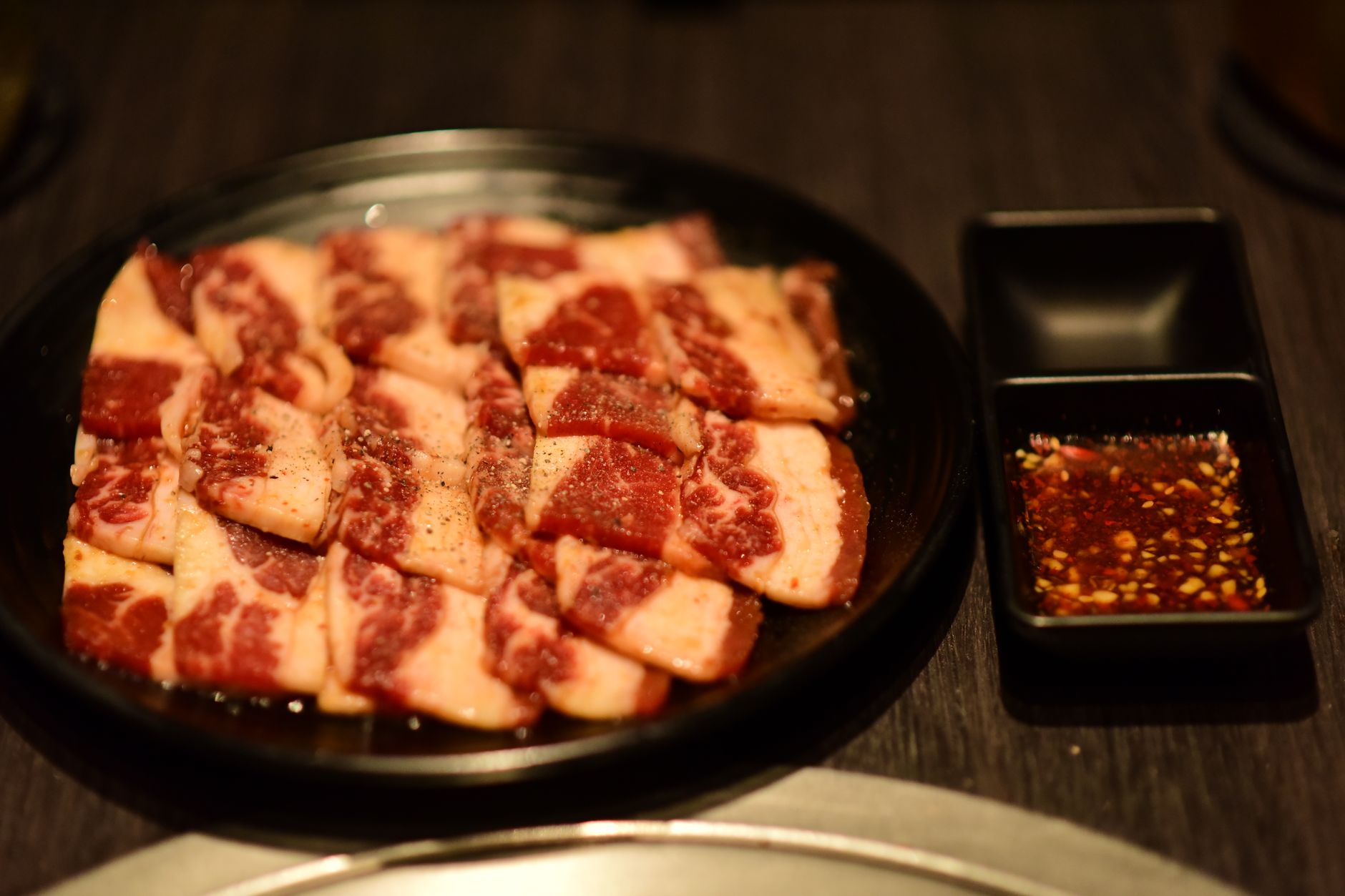
As someone who enjoys the vibrant atmosphere of Korean BBQ in places like Gangnam and Itaewon, I've often wondered how to recreate that experience at home. The right cuts of meat can make all the difference, and knowing which ones to choose can save you from a mediocre meal. If you’ve ever visited a popular BBQ spot, you understand the excitement that fills the air, the sizzle of meat hitting the grill, and the mouthwatering aroma wafting around the table.
In Seoul, you can find an array of options, but navigating the meat section of your local H Mart or Olive Young can be daunting. This post will explore the essential cuts of meat you need for a satisfying home BBQ experience, along with practical tips to create that authentic vibe. With a bit of preparation, you can turn your living room or balcony into a bustling BBQ joint.
Understanding the Basics
Korean BBQ, or gogi-gui, typically involves grilling meat over charcoal or gas flames, often accompanied by various side dishes like banchan. While you can experiment, sticking to traditional cuts will provide the authentic taste you’re looking for. Meals that incorporate a range of textures and flavours tend to be the best.
Key Cuts of Meat
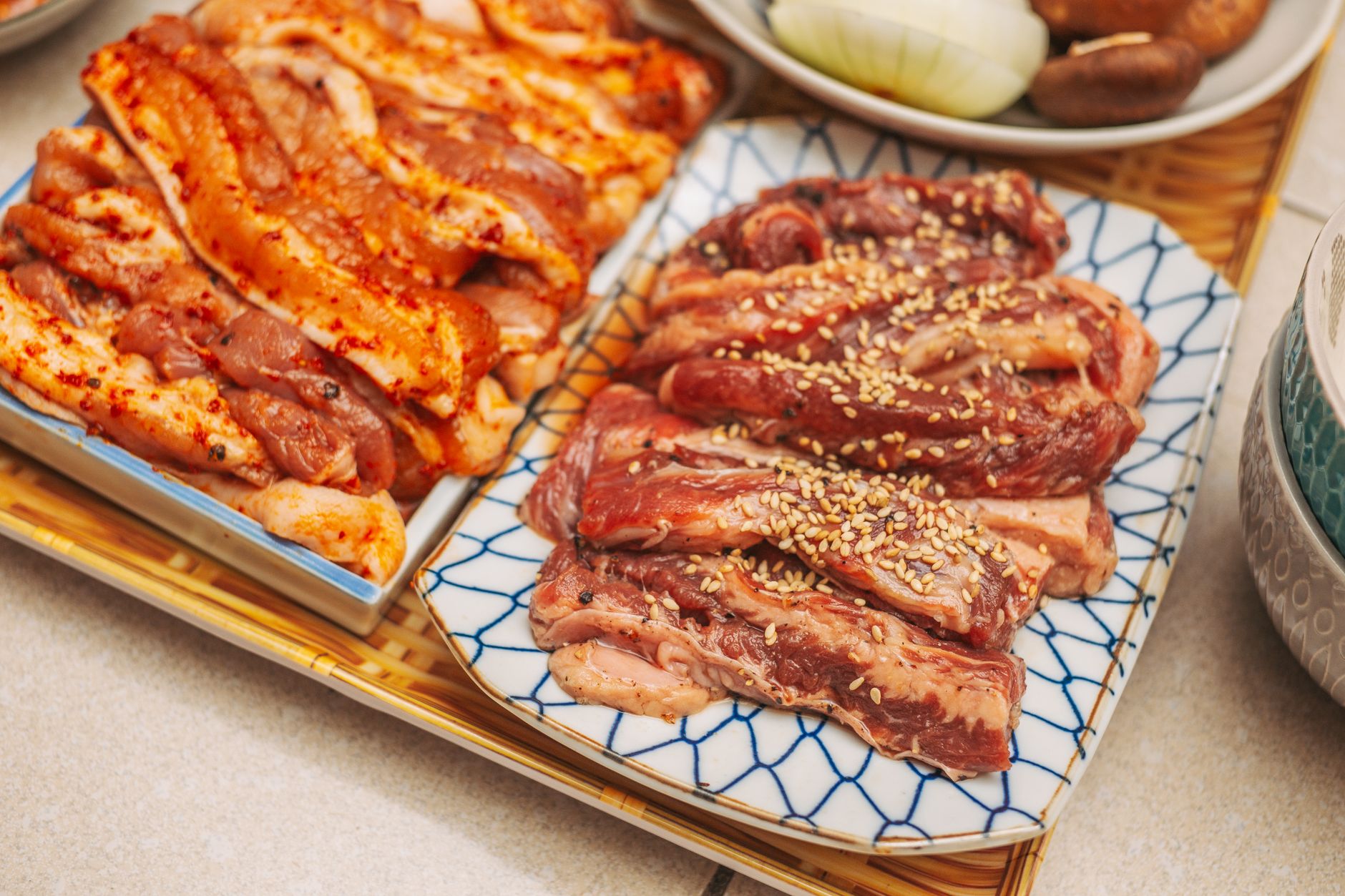
Here are some of the most popular cuts you should consider when preparing for your Korean BBQ night. Freshness is key, so make sure to visit reputable markets or butchers.
- Samgyeopsal (Pork Belly) - This is the quintessential Korean BBQ cut. Usually sold in thick slices, samgyeopsal is rich and juicy, perfect for grilling. Expect to pay around 15,000 won (approximately $13) for about 600 grams at a local butcher. I often get mine from a small shop in Yeonnam-dong where the butcher is known for his high-quality pork. The meat is often served with sesame oil and salt for dipping, and I recommend grilling it until it’s crispy on the outside but tender inside.
- Chadolbaegi (Brisket) - Thinly sliced beef brisket, chadolbaegi cooks quickly and has a lovely, tender texture. A typical price is about 20,000 won ($17) for 500 grams. The thin cutting method is essential for this cut, and I find that the ones from Gwangjang Market are particularly satisfying. The meat pairs perfectly with a dab of garlic and a sprinkle of sesame seeds after it comes off the grill.
- Galbi (Short Ribs) - Marinated or unmarinated, galbi is a favourite for its flavour. The marinade often includes soy sauce, garlic, and sugar. Prices generally range from 25,000 won ($21) upwards for a pack of around 500 grams. There are specialty stores in Dongdaemun where you can find marinated galbi that has been prepared fresh. When you grill galbi, make sure to watch it closely; the marinade can burn if you’re not careful, but the caramelisation adds a wonderful depth of flavour.
- Deungshim (Strip Loin) - This cut is less fatty than brisket but still offers a good amount of flavour. It’s usually around 30,000 won ($26) for about 600 grams. I prefer to purchase mine from a local butcher in Seongsu-dong, where they cut it to your specifications. A quick sear on either side ensures a juicy finish, and serving it rare allows the natural flavours to shine.
- Yangnyeom Galbi (Marinated Short Ribs) - If you're after a sweeter option, these marinated ribs are a great choice. Expect to spend about 30,000 won ($26) for a decent package. Many shops across Seoul sell this, but I particularly enjoy the marinated galbi from a small vendor in Itaewon. The sweetness of the marinade balances beautifully with the smoky flavour from the grill.
Where to Buy Great Ingredients
For the freshest cuts, I recommend visiting local markets or dedicated butcher shops. Areas such as Seongsu-dong have some fantastic places to source quality meat. Additionally, you might find better deals and higher quality at smaller, specialty shops than at larger chains. For convenience, both H Mart and Olive Young also provide options, but be prepared to pay a bit more.
While H Mart often has promotions on meat cuts, I find that the flavour and quality are sometimes compromised when purchasing pre-packaged options. Instead, explore local meat shops where you can ask for recommendations. If you’re in the Hongdae area, there are several butcher counters that offer tailored advice on cuts suitable for grilling.
Another great option for sourcing ingredients is the local farmer's markets, where you may also find fresh produce to serve alongside your BBQ. For instance, the Yangjae Flower Market is not only great for flowers but also has several vendors selling seasonal vegetables ideal for grilling. Finding a mix of fresh bell peppers, mushrooms, and onions can add a wonderful variety to your BBQ spread.
Preparing for Your BBQ
To get the most out of your chosen cuts, proper preparation is key. Here are a few tips:
- Marinating: If you’re using cuts like galbi, marinating them for a few hours or overnight can enhance the flavour. You can prepare a simple marinade with soy sauce, sesame oil, garlic, and sugar. I've found that letting the meat rest longer allows the flavours to penetrate well. For a unique twist, consider adding some grated pear or apple to your marinade for natural sweetness.
- Side Dishes: Don’t forget to prepare banchan such as kimchi, pickled radishes, and seasoned spinach. These complement the meat and add depth to your meal. You can find fresh banchan at local markets or even at many restaurants that offer take-out options. I’ve come to appreciate the crunch of mu (radish) and the tanginess of kimchi that perfectly balances the richness of BBQ.
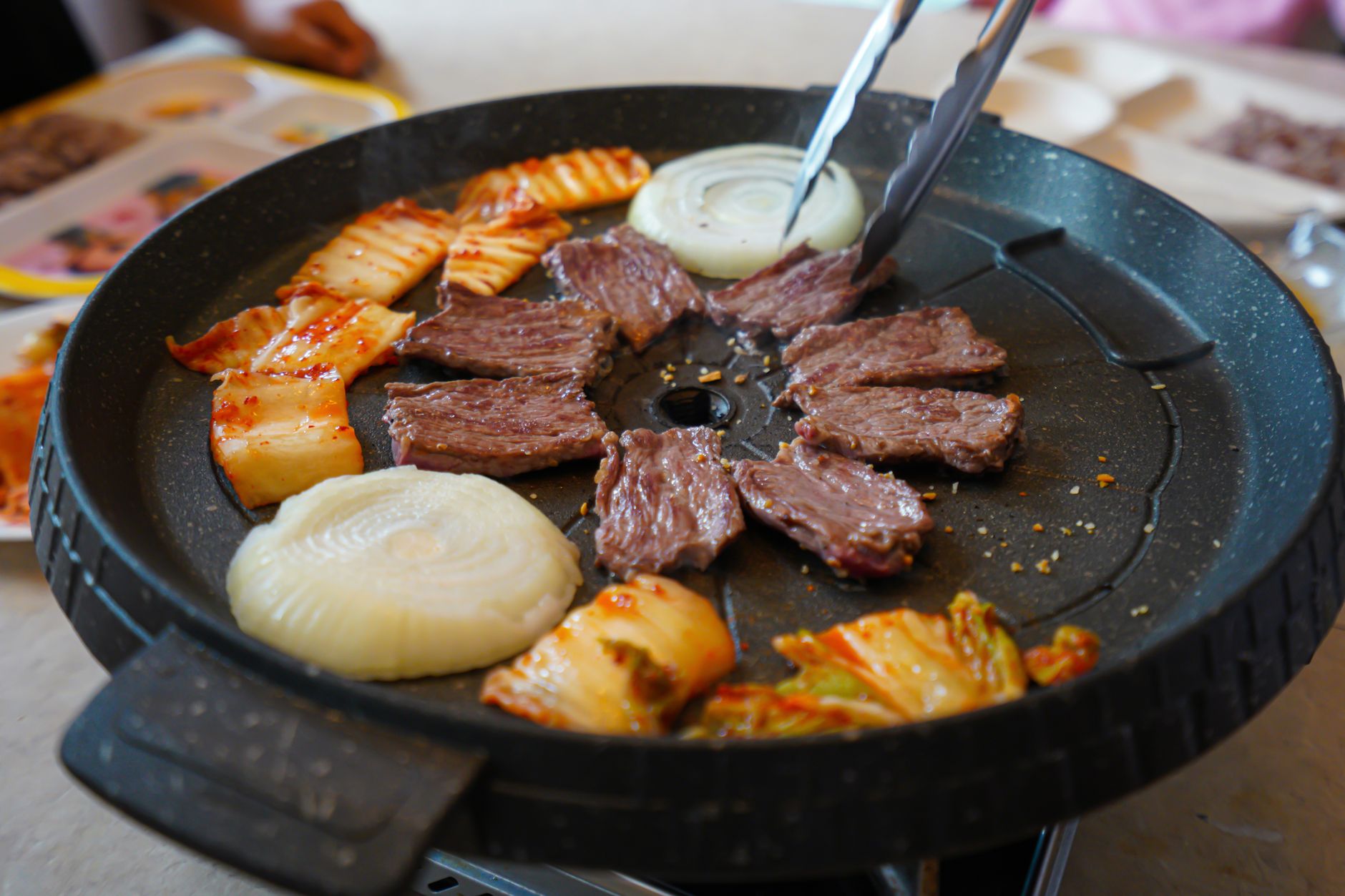
- Grilling: Ensure your grill is preheated adequately. This helps achieve that desired char while keeping the meat juicy. I typically use a charcoal grill for the best results, as the smokiness contributes to that authentic BBQ flavour. If you are using a gas grill, opt for a grill pan that has raised ribs to mimic the cooking style of Korean BBQ.
Creating the Atmosphere
When I host BBQ nights at home, I usually set up a table outdoors, allowing everyone to grill their own meat while enjoying some drinks. This interactive element makes for a relaxed atmosphere. Serving drinks like soju or Korean beer adds to the experience. Make sure to stock up on various dipping sauces, such as sesame oil with salt and pepper, and consider adding some spicy gochujang for those who enjoy a kick.
Ambience matters, too. If you have outdoor space, consider adding fairy lights and comfortable seating. Using a portable grill can also create a fun, picnic-like environment. The sounds and smells of grilling in the open air can transport everyone to a lively BBQ restaurant, even when you’re at home.
What About Trends?
You might come across various trends like using imported Wagyu beef for BBQ. While it does offer a unique flavour, I find that for a traditional Korean experience, sticking to the local cuts mentioned above will be more satisfying and budget-friendly. Imported meats can cost significantly more—often over 100,000 won ($85) per serving—leaving little room for the sides and drinks that complete the meal.
Moreover, trends can sometimes overshadow the genuine experience of Korean BBQ. Some people might rave about BBQs using fusion ingredients like truffle oil or cheese. While I appreciate the creativity, those options can detract from the simplicity and authenticity that Korean BBQ is known for. For me, the pure enjoyment of a well-prepared samgyeopsal or galbi shines brighter than any trendy addition.
Tips for Success
As you prepare for your Korean BBQ night, here are a few more tips that might come in handy:
- Have Plenty of Napkins: BBQ can get messy, especially with greasy cuts like pork belly. Ensure your guests have ample napkins to enjoy the experience without worry.
- Experiment with Vegetables: Don’t limit your grilling to just meat. Vegetables like mushrooms, zucchini, and corn can be delicious when grilled and are great accompaniments.
- Use Fresh Ingredients: Freshness matters in every element of your meal, from the meat to dips and vegetables. Seek out seasonal ingredients to enhance your BBQ.
- Grill Timing: Be mindful of cooking times. Thicker cuts require more time on the grill, while thin cuts will cook quickly. Keep an eye on the meat to avoid overcooking.
FAQ
What are the best cuts for a traditional Korean BBQ?
The best cuts typically include samgyeopsal (pork belly), chadolbaegi (brisket), and galbi (short ribs). These cuts offer a variety of flavours and textures ideal for grilling.
Where can I buy fresh meat in Seoul?
Local butcher shops are your best bet for fresh meat. Areas like Yeonnam-dong and Seongsu-dong have several reputable shops. Gwangjang Market is also a great option for high-quality, freshly cut meat.
How should I prepare the meat for grilling?
Marinate tougher cuts like galbi for a few hours or overnight. Ensure your grill is preheated, and consider serving with a variety of banchan to enhance the overall meal experience.
Is it worth it to buy imported meats for BBQ?
While imported meats like Wagyu can provide a different taste experience, they are significantly more expensive and may not be necessary for a traditional Korean BBQ. Local cuts are often just as satisfying and more budget-friendly.
Wrapping Up
Enjoying Korean BBQ at home can be a delightful experience with the right cuts of meat and a little preparation. I’ve shared some of my go-to cuts and tips to ensure your homemade BBQ is noteworthy and enjoyable. The next time, I may explore the best soju pairings for your BBQ feast.
Photos by Sóc Năng Động, FOX ^.ᆽ.^= ∫, Jason Kim via Pexels