What Locals Actually Eat for Breakfast in Korea in 2026
Discover the true essence of Korean breakfasts and what Seoul locals actually enjoy daily. A journey through flavours, culture, and real-life meals.
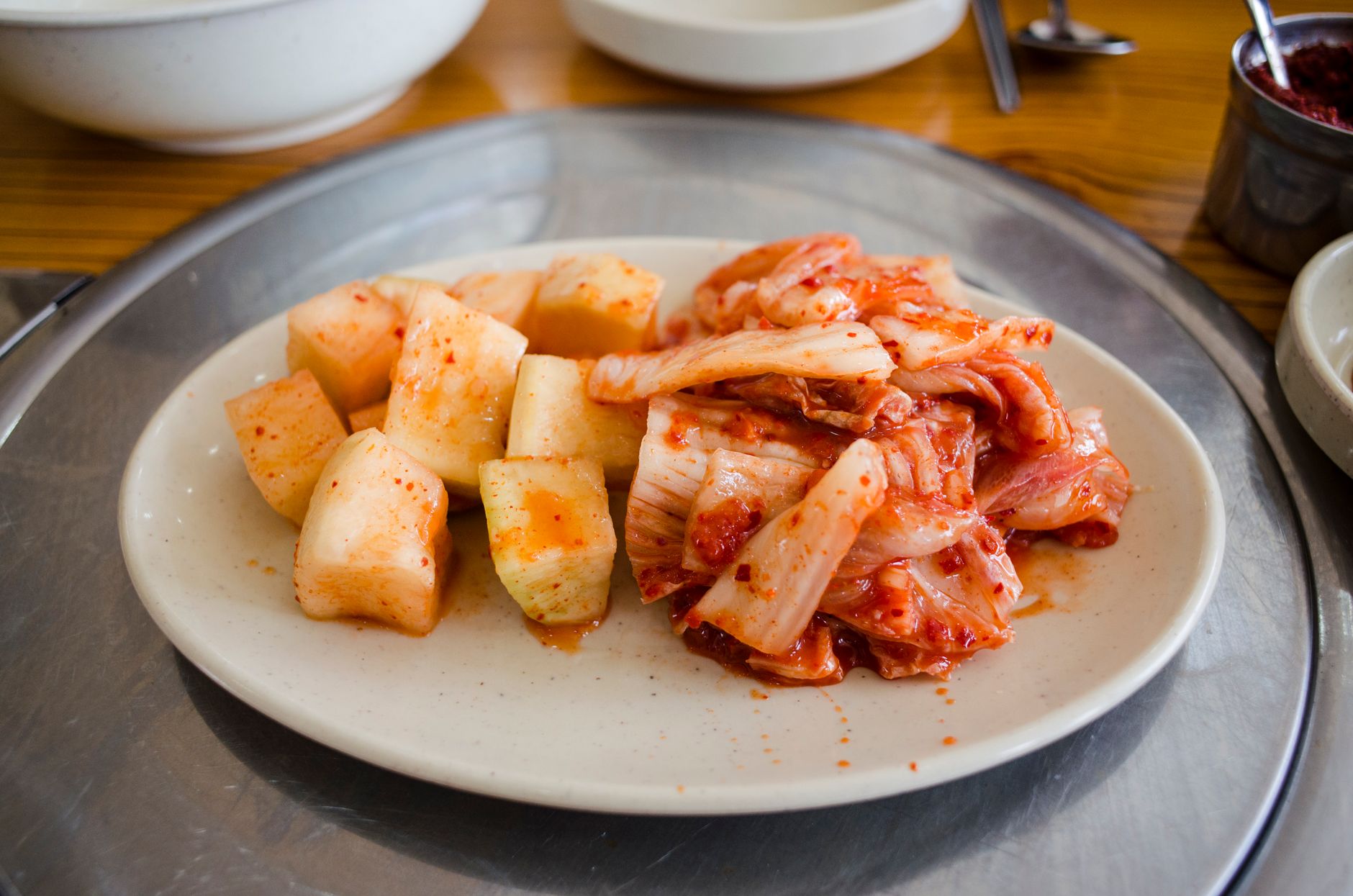
Walking through the vibrant streets of Yeonnam-dong early in the morning, you can catch a whiff of warm, freshly made gukbap (soup with rice) wafting out of small restaurants. It’s a typical scene, yet many online articles paint an unrealistic picture of breakfast in Korea. As someone who spends time in this captivating city, I’ve discovered that breakfast is often a simple, hearty affair, rather than the elaborate spread many assume.
Traditional Breakfast Staples
In Seoul, breakfast choices vary widely depending on personal taste and lifestyle. Here are some traditional foods you can find on a local's breakfast table:
- Gukbap: This is a warm, comforting soup that usually consists of a rich broth with rice. Variants like seolleongtang (ox bone soup) or kimchi jjigae (kimchi stew) with rice are particularly popular. Expect to pay around 9,000 won ($6.75) at local restaurants.
- Juk: Rice porridge that’s smooth and easy to digest. You’ll find flavours like songi juk (pine nut porridge) common in breakfast menus, often priced around 7,000 won ($5.25).
- Bread and Jam: While it may seem trendy, many locals do enjoy a simple slice of toast with sweet red bean paste or jam, albeit not as the main breakfast. A local café in Hongdae might charge about 4,500 won ($3.40) for this.
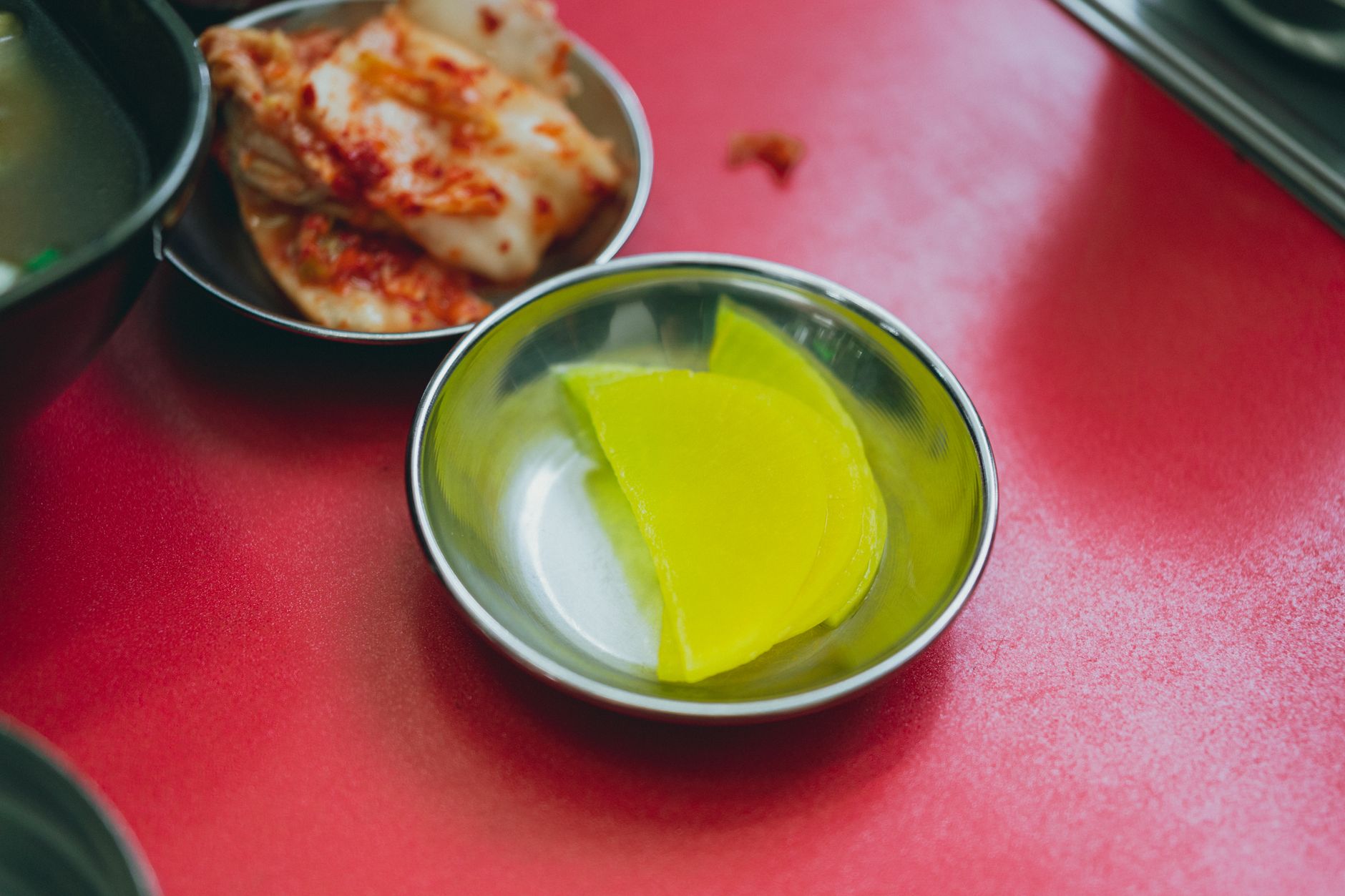
- Kimchi: A staple in most Korean meals, kimchi often accompanies breakfast, providing a spicy, tangy kick.
The Convenience Factor
Thanks to the fast-paced lifestyle in Seoul, many residents opt for convenience in the mornings. Convenience stores like CU or GS25 offer a variety of portable breakfast options that cater to busy schedules:
- Packaged Juk: Easy to heat and eat, these instant porridge packs cost around 2,000 to 3,000 won ($1.50 to $2.25). I often grab one when I'm in a rush, and they’re surprisingly decent.
- Onigiri: Korean rice balls filled with various ingredients—tuna, pickled vegetables, or even kimchi—are a popular choice, priced at about 1,500 won ($1.15). You can find these next to the cashier in most convenience stores.
- Sandwiches: Often found in cafés and convenience stores, a basic sandwich can range from 3,000 to 5,000 won ($2.25 to $3.75) depending on the ingredients.
While these options are convenient, they lack the depth of a traditional breakfast. I often find that a visit to a local diner, even if it’s just for a quick meal, is worth the extra time.
Breakfast Cafés and Food Stalls
If you're seeking a local breakfast experience, head to places like Bukchon Hanok Village or Itaewon for charming cafés that serve traditional dishes with a modern twist. Here’s what to look out for:
- Macaroni Salad with Spam: A quirky fusion dish common in breakfast cafés, combining a Western side with Korean ingredients. You can find it at cafés like Egg Drop in Itaewon, where it’s served alongside a fluffy omelette for about 7,500 won ($5.75).
- Breakfast Set Menus: Many cafés offer set meals featuring an egg, rice, and side dishes for around 8,000 to 12,000 won ($6 to $9), providing good value. For example, Haroo in Seongsu-dong serves an amazing set that includes a spicy tuna rice bowl and a soft-boiled egg, which I particularly enjoy.
In Bukchon Hanok Village, small eateries serve breakfast that harks back to Korean tradition. A popular spot is Chogajip, where their haemul gukbap (seafood soup with rice) is enjoyed by both locals and tourists alike, priced at 10,000 won ($7.50). The setting, traditional hanok houses, adds to the experience.
Healthier Options
As dietary trends evolve, many residents are opting for healthier breakfast choices. In areas like Seongsu-dong, renowned for its hip cafés and eateries, you’ll find:
- Smoothies and Bowls: Blended drinks made with fruits and vegetables, sometimes served with granola, are popular in health-focused spots like Café Onion. Expect to pay around 9,000 won ($6.70) for a smoothie bowl that is both filling and nutritious.
- Salads: Breakfast salads featuring various greens, nuts, and light dressings can be seen in cafés such as Plant Café, with prices starting from 8,000 won ($6). My friend swears by their quinoa salad as a perfect way to start the day.
While these options are becoming more common, they still represent a minority compared to traditional meals, especially among older generations. For instance, my friend’s grandmother firmly believes that a good breakfast should include rice, soup, and kimchi, dismissing lighter options as insufficient.
Is Social Media Overrated?
Platforms like Instagram and TikTok have popularised a certain image of Korean breakfasts—a lavish spread with aesthetic appeal. While some trendy cafés do offer stunning plating, most locals favour practicality over presentation. It’s not that these visually appealing dishes aren't worth trying, but the reality is that most mornings are spent with something straightforward and nourishing.
In my experience, visiting a well-known café like Butter Finger Pancakes in Gangnam can give an inflated idea of what breakfast in Seoul usually looks like. Their pancakes, beautifully stacked and served with syrup, may look enticing, but they cost around 15,000 won ($11.30) and aren't representative of everyday eating habits.
Practical Tips for Enjoying Breakfast Like a Local
If you want to experience a typical Korean breakfast, here are some practical tips:
- Try Local Restaurants: Seek out local diners or shikdang (식당) that may not have a large online presence. They often serve authentic and affordable meals. For instance, a small eatery in Jongno known as Yukgaejang 2nd Road serves a hearty beef soup breakfast for about 8,000 won ($6).
- Get Familiar with Breakfast Hours: Many breakfast spots start serving by 7 AM and close around 10 AM, so plan your outings accordingly. I recommend getting there early for the freshest options, especially at places that prepare dishes from scratch.
- Learn Basic Korean Phrases: Knowing how to ask for what you want can enhance your experience. Simple phrases like “gukbap juseyo” (Please give me soup with rice) can go a long way.
- Consider Food Markets: Places like Gwangjang Market offer traditional dishes all day long. Here, you can find bindaetteok (mung bean pancakes) and mayak gimbap (addictive seaweed rice rolls) for breakfast. A serving of bindaetteok will set you back around 4,000 won ($3).
These steps can help you navigate the bustling food scene of Seoul and find meals that are both authentic and satisfying.
Exploring Different Neighbourhoods
Each neighbourhood in Seoul offers its unique breakfast scene. Here are a few that stand out:
- Gangnam: Known for its chic cafés and upscale dining, expect to find trendy breakfast options. A place like Café Mamas serves delicious brunch plates like ricotta cheese pancakes for around 13,000 won ($9.75).
- Hongdae: This youthful area is filled with quirky cafés where you can find delightful breakfast items like french toast or specialty coffee. Prices vary but generally range from 8,000 to 15,000 won ($6 to $11.30).
- Itaewon: A melting pot of flavors, Itaewon offers diverse breakfast options from traditional Korean to international dishes. A popular spot for a hearty breakfast is Bohemian, where their avocado toast goes for about 12,000 won ($9).
Exploring these different areas not only enhances your breakfast experience but also lets you immerse yourself in the local culture.
FAQ
What is the most common breakfast food in Korea?
The most common breakfast food in Korea is gukbap, which is a soup served with rice. Variants like seolleongtang or kimchi jjigae are widely enjoyed.
Is breakfast important in Korean culture?
Yes, breakfast is considered an important meal in Korean culture as it is believed to kickstart the day with energy. Many families still prioritise having a substantial morning meal together.
Can I find breakfast options outside of traditional Korean foods?
Yes, especially in tourist areas and younger neighbourhoods like Itaewon and Gangnam, you can find Western-style breakfasts including pancakes, sandwiches, and smoothie bowls.
How much does a typical breakfast cost in Seoul?
A typical breakfast in Seoul ranges from about 3,000 won ($2.25) for a simple convenience store item to around 12,000 won ($9) for a more complete meal at a café or restaurant.
Conclusion
Real Korean breakfasts are a reflection of the culture—rooted in simplicity, community, and convenience. Whether you’re joining friends for gukbap or grabbing a quick onigiri from a convenience store in Gangnam, the essence remains the same. You’re likely to find a comforting bowl of soup or a warm jook as the heart of a breakfast experience.
Next, I plan to explore how Seoul’s brunch scene is evolving, with both traditional and Western influences merging.
Photos by makafood, Theodore Nguyen, Elina Volkova via Pexels