How Koreans Actually Celebrate Lunar New Year Seollal 2026
Discover the authentic ways Koreans celebrate Seollal in 2026, from traditional meals to family customs that truly honour their heritage.
The streets of Seoul are already buzzing with preparations as Lunar New Year, or Seollal, approaches in 2026. In neighborhoods like Jongno, stores are stocked with traditional foods and gifts, a clear reminder of the significance this holiday holds. In contrast to the hype surrounding festivals, Seollal is largely about family, heritage, and the simple joys of being together. Here’s a closer look at how Koreans celebrate this important holiday.
Understanding Seollal
Seollal marks the beginning of the lunar calendar and is one of the most cherished holidays in Korea. Unlike many Western celebrations that focus on extravagant festivities, Seollal is deeply rooted in tradition. Families come together to pay respects to ancestors through rituals known as jesa. The holiday is observed on the first day of the lunar new year, which falls on January 22 in 2026.
Key Traditions and Customs
Several customs are integral to Seollal celebrations, each with its own significance. For many families, the preparations begin days in advance. In my experience living here, I’ve noticed that the entire atmosphere shifts as the holiday approaches; stores display special promotional items, and families discuss their plans for the festivities.
- Jesa (제사): This ancestral rite involves setting up a table with foods such as rice cake soup (tteokguk) and fruits. The purpose is to honour ancestors and pray for their blessings in the new year. In many homes, family members gather to perform this solemn ritual, often led by the eldest son or daughter. I’ve watched my friend’s family prepare a beautiful jesa table with carefully arranged dishes in Yeonnam-dong.
- Tteokguk (떡국): Eating this soup, made with thinly sliced rice cakes, symbolises the gaining of a year in age and is a crucial part of the New Year’s meal. You can find pre-packaged tteokguk at places like H Mart for around 8,000 won ($6). Alternatively, some families prefer to make the soup from scratch, sourcing their ingredients from local markets.
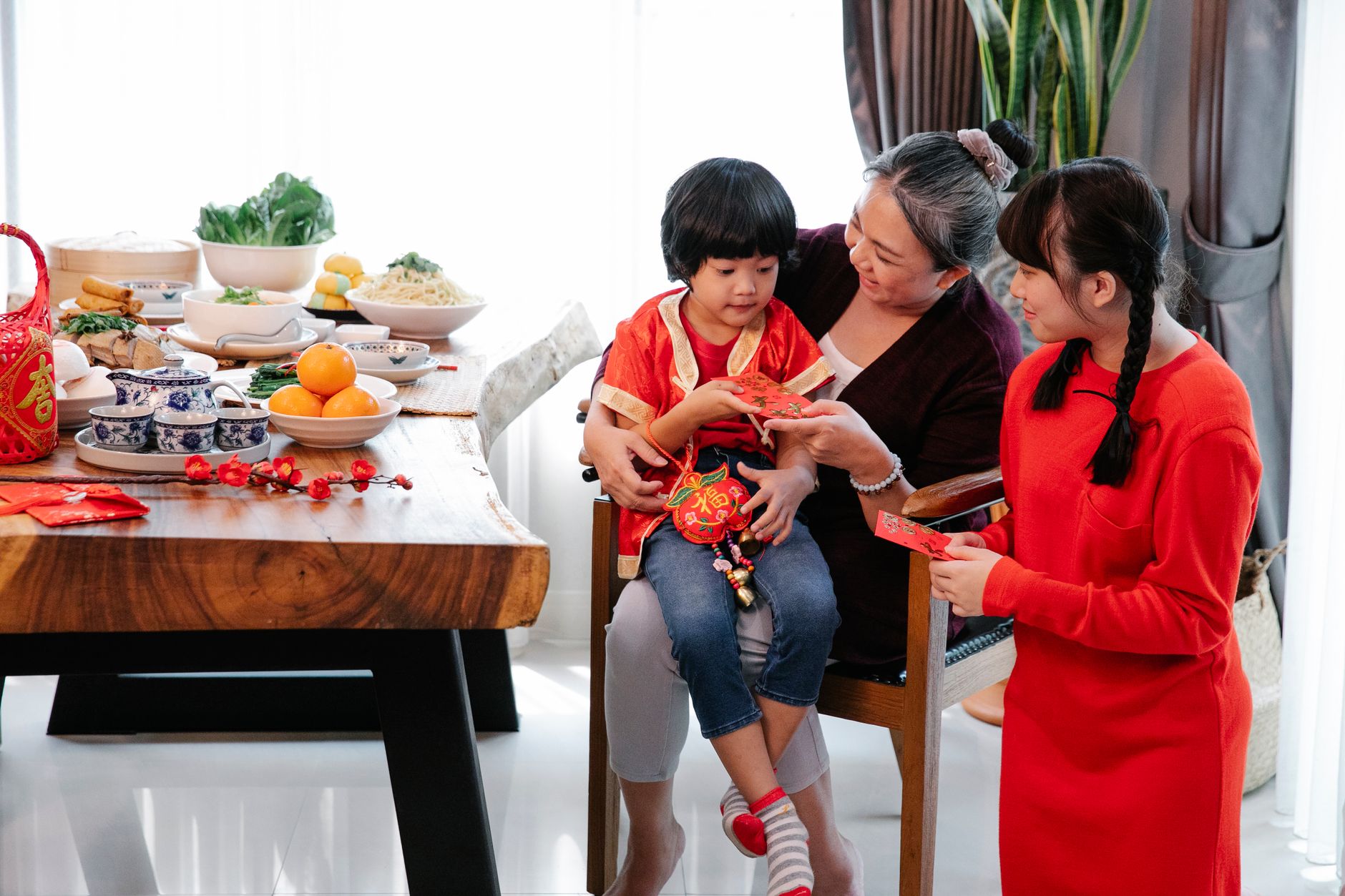
- Seollal Sebae (설날 세배): Children perform a deep bow to their elders and receive sebae돈, or New Year’s money, as a gesture of respect. This can be a highlight for kids, who often enjoy the extra cash, which can range from 5,000 won ($4) to 50,000 won ($40), depending on the family’s tradition.
- Family Gatherings: Unlike the previous gatherings, families often travel long distances to be together during Seollal. It’s common for people from cities like Gangnam to head back to their hometowns. I’ve seen families gathering at homes filled with laughter, food, and stories, making it a truly heartwarming experience.
Food and Festivities
Food plays a central role during Seollal, with many families preparing traditional dishes well in advance. Beyond tteokguk, here are other staples you might find:
- Banchan (반찬): Small side dishes, ranging from pickled vegetables to marinated meats, are typically served. They are both a feast for the eyes and the palate. Each family has its own special recipes, some of which are passed down through generations.
- Jeon (전): This savoury pancake, often made with various ingredients like seafood or vegetables, is another popular dish during the holiday. In my experience, preparing jeon can be a communal activity where family members gather in the kitchen, sharing stories as they cook together.
- Fruit and Snacks: Fruits like tangerines and pears are common gifts during visits to family, and they symbolize good fortune. You can find beautifully packaged fruit at local markets, with prices typically starting around 3,000 won ($2) for a small basket.
The Importance of Gift Giving
Gift giving is an integral part of Seollal. While traditional gifts often include food, many families have expanded to include other items. In my visits to various shops in Seongsu-dong, I’ve seen elaborate gift sets featuring premium items such as Hanwoo beef, traditional sweets, or even skincare products from brands like Sulwhasoo, which can cost upwards of 100,000 won ($75) for a nice set.
During Seollal, it’s also common to find special promotions on gift sets and traditional ingredients. For example, a well-presented set of tteok (rice cakes) can range from 20,000 won ($15) to over 50,000 won ($40) depending on the intricacy of the presentation.
Shopping for Seollal
As the holiday approaches, shops in areas like Itaewon and Yeonnam-dong become filled with customers seeking traditional foods and gifts. While some may choose to buy prepared meals from supermarkets like GS25, many prefer to cook at home, believing it adds a personal touch to the celebration. This year, I plan to visit the Gwangjang Market for its fresh ingredients and atmosphere, where vendors happily share recipes with anyone willing to listen.
For those who do shop, here are a few items you might consider:
- Gift Sets: Many people buy gift sets that include luxurious items such as Hanwoo beef or traditional sweets, often beautifully wrapped and presented. Expect to spend around 30,000 won ($22) to 150,000 won ($112) depending on the contents.
- Special Rice Cakes: Unique varieties of rice cakes are often sought after. Prices can range from 12,000 won ($9) to 25,000 won ($19) depending on their quality and presentation.
- Branded Alcohol: Many families gift high-quality liquor, such as premium Soju or Makgeolli. A good bottle can cost anywhere from 20,000 won ($15) to 60,000 won ($45).
Modern Influences on Seollal
While Seollal is steeped in tradition, modern influences are beginning to shape how it is celebrated, especially in urban areas. Some families are opting for more casual gatherings, going out for meals instead of preparing them at home. This trend has gained traction, particularly among the younger generation who may appreciate the convenience of dining out in trendy spots around Hongdae.
For instance, several contemporary Korean restaurants now offer special Seollal menus, allowing families to experience traditional dishes with a modern twist. Prices for these meals can range from 50,000 won ($38) per person to 100,000 won ($75) for a full course.
Additionally, the digital age has made ways for virtual celebrations. Families living abroad can connect through video calls, maintaining the essence of the holiday despite the physical distance. I’ve seen many families set up their phones to join in the jesa rituals, sharing the experience with loved ones far away.
Practical Tips for Celebrating Seollal
If you’re planning to experience or partake in Seollal, here are a few practical tips based on my observations:
- Get Ingredients Early: Seollal sees a rush in supermarkets and markets, so aim to purchase your ingredients at least a week ahead of time to avoid the last-minute rush.
- Understand the Customs: Familiarise yourself with jesa rituals or gift-giving traditions to show respect for the culture. This can enhance your experience significantly.
- Join Family Gatherings: If you have Korean friends, express interest in joining their family celebrations. Most families welcome outsiders who wish to learn about their customs.
FAQ
What is the significance of tteokguk during Seollal?
Tteokguk is a traditional rice cake soup consumed during Seollal. Eating it represents gaining a year in age and symbolizes prosperity and renewal for the year ahead.
How do families typically perform the jesa ritual?
Families set a table with specific foods and perform a bowing ritual to honour their ancestors. The eldest family member usually leads the ceremony, which includes offerings of food, incense, and prayers.
Is it common for families to travel for Seollal?
Yes, many families travel back to their hometowns to celebrate together. This often involves significant travel, and stations and airports can be quite crowded leading up to the holiday.
Conclusion: A Time for Reflection
Seollal is not just a time for celebration but also for reflection and connection with one’s roots. Whether you are part of a family gathering or experiencing the holiday as an outsider, the atmosphere of respect and joy is palpable throughout Korea.
As we look forward to 2026, I’ll explore how Seollal is celebrated differently across various regions in Korea and what it means for younger generations. How do you celebrate Lunar New Year in your culture?
Photos by Angela Roma, Nguyễn Thị Thảo Hà (Ha Nguyen), Sheff Production via Pexels