The Honest Realities of Living in Seoul as a Foreigner in 2026
Explore the true experiences of living in Seoul as a foreigner in 2026, from culture shock to daily life realities.
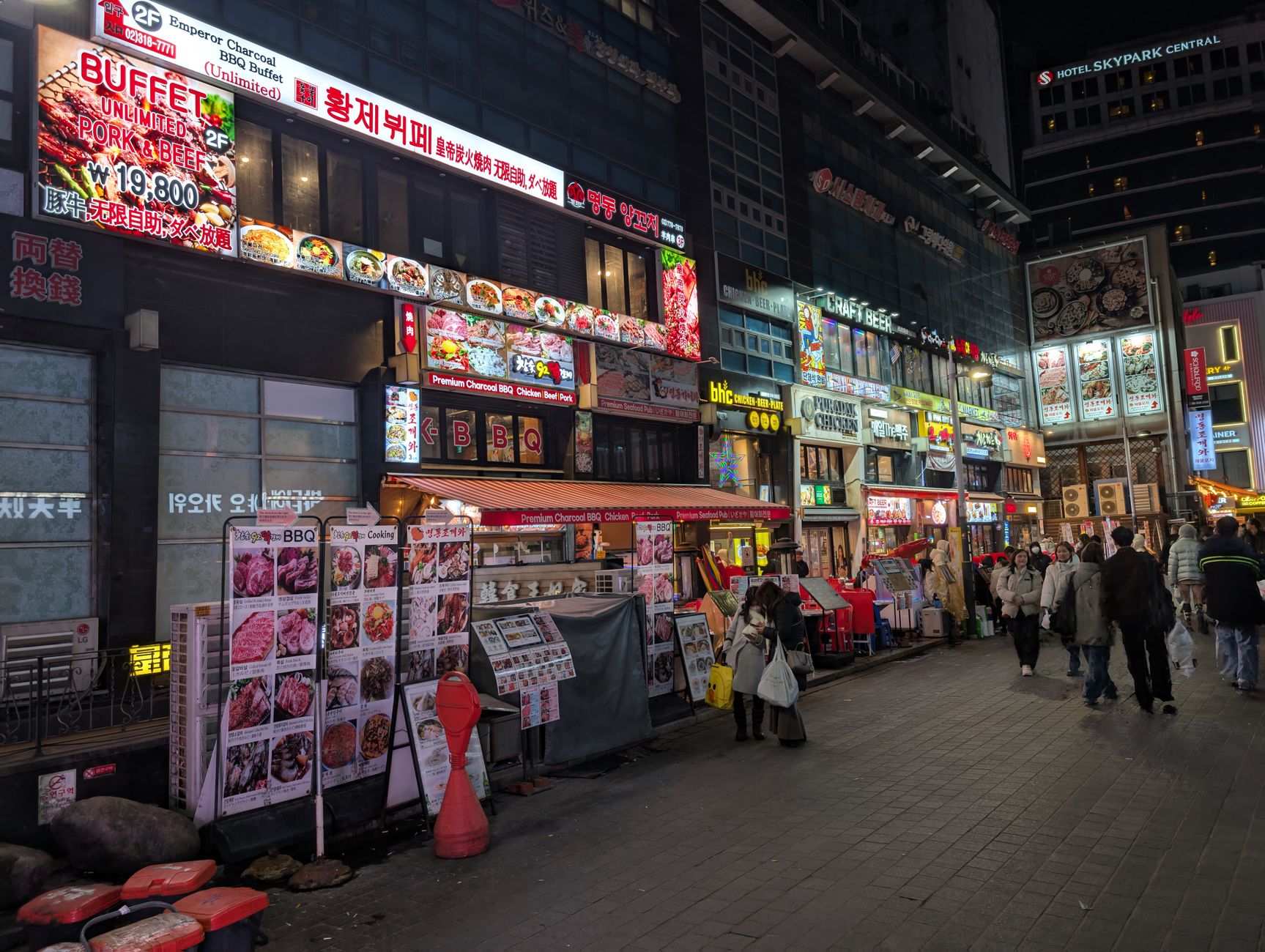
As I stroll through the vibrant streets of Itaewon, the fusion of cultures is palpable. Here, the sound of foreign languages mingles with the scent of street food, creating a unique atmosphere that defines life in Seoul for many foreigners. But while the allure of the city can be intoxicating, living in Seoul as a foreigner in 2026 comes with its own set of challenges and realities.
Culture Shock and Adjustment
Moving to Seoul can feel like stepping into another world. The initial excitement often gives way to culture shock, something I witnessed first-hand when I arrived here. The fast-paced lifestyle, and the societal norms can be overwhelming. Here are some common adjustments:
- Language Barrier: While many locals speak some English, it’s not as widespread as you might expect in tourist areas. Learning basic Korean phrases can go a long way in easing day-to-day interactions.
- Social Etiquette: Understanding Korean social norms is crucial. For instance, bowing slightly when greeting someone shows respect, and it’s important to offer and receive items with both hands.
- Work Culture: The work environment can be intense. Long hours are common, and hierarchy plays a significant role in professional settings.
Language Tips
For those struggling with the language barrier, I recommend downloading apps like Duolingo or Memrise, which offer bite-sized lessons for learning Korean. Joining a local language class can also be beneficial. Many community centres in neighborhoods like Hongdae or Gangnam offer affordable language courses.
Housing and Living Costs
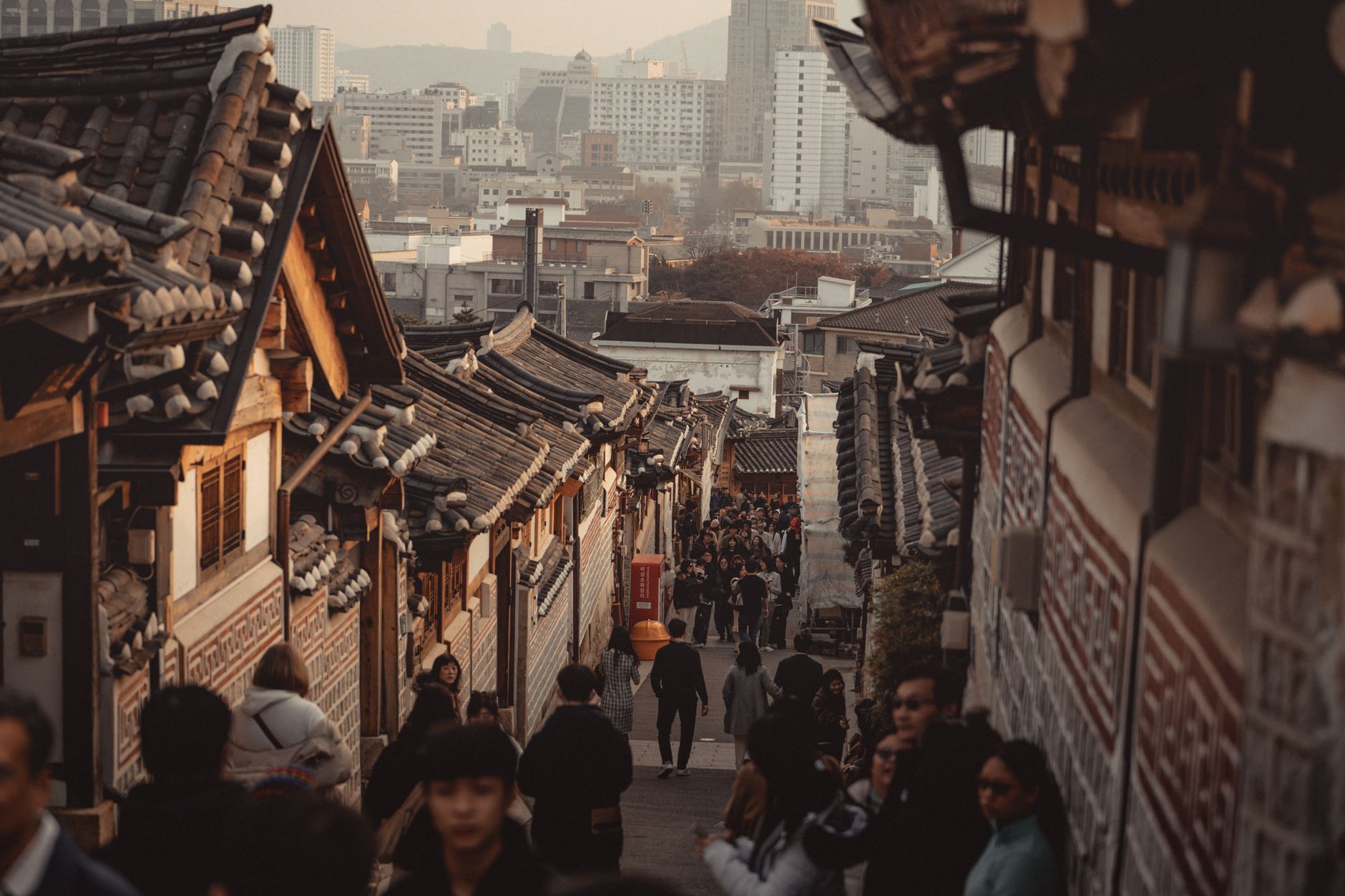
Finding a place to live in Seoul can be daunting for newcomers. Areas like Gangnam are desirable but expensive, with monthly rents for one-bedroom apartments often reaching over 1,300,000 won (approximately $1,000). In contrast, neighborhoods like Yeonnam-dong or Seongsu-dong offer more budget-friendly options and a hip atmosphere. I found my first apartment in Yeonnam-dong for around 800,000 won ($600), which was manageable, especially given its proximity to cafes and parks.
Besides rent, consider the cost of utilities. On average, expect to pay around 200,000 won ($150) monthly for electricity, gas, and water combined. Groceries at H Mart can be reasonable, but imported goods can spike the bill. For example:
- Local fruits and vegetables: 50,000-70,000 won ($38-$53) weekly
- Imported snacks: 3,000-5,000 won ($2-$4) each
- Dining out: Standard meals in local restaurants range from 7,000-15,000 won ($5-$11).
If you’re looking to save on groceries, I suggest shopping at local markets like the Gwangjang Market. Not only can you find fresh produce, but the street food there is an experience in itself. A bibimbap bowl from one of the stalls typically costs around 6,000 won ($4.50), and you can enjoy it while soaking in the bustling atmosphere.
Social Life and Community
Building a social circle in Seoul can be a mixed experience. While there are numerous expat groups and meetups, genuine connections might take time to develop. Some foreigners feel isolated, especially if they don’t speak Korean fluently. Joining clubs based on interests, such as an art class in Insadong or a hiking group for excursions to Bukhansan, can help forge connections.
However, Seoul does offer vibrant communities. Cafes in Itaewon and bars in Hongdae cater to expats, providing spaces where you can meet people with similar experiences. Engaging in local activities, like taking a Korean cooking class or joining a language exchange, can also facilitate connections. I met several long-term friends through a weekly trivia night in an Itaewon pub, where the mix of locals and expats created a relaxed atmosphere.
Healthcare and Safety
One aspect that newcomers appreciate is Korea’s healthcare system. The quality of care is often excellent, and the costs are reasonable compared to many Western countries. An average doctor’s visit can cost around 20,000-30,000 won ($15-$23) without insurance. For expats, having health insurance is crucial. Many workplaces offer insurance, but if you are self-employed, consider options like the National Health Insurance (NHI).
Safety is another positive element. Seoul is generally safe, even at night, with low crime rates. However, it’s wise to stay aware of your surroundings, as in any major city. I often walk around my neighborhood in Yeonnam-dong late at night, feeling secure due to the presence of well-lit streets and patrol officers.
Daily Life: The Little Things
As a foreigner, navigating daily life can lead to unexpected challenges. Public transport is efficient and affordable, with subway fares starting at 1,250 won ($1) for basic trips. However, understanding the signage can be tricky if you’re not familiar with Hangul. I recommend using apps like KakaoMap for step-by-step directions that cater to English speakers.
Another reality is the weather. Winters can be harsh, dropping to -10°C (14°F), while summers can be sweltering with humidity. Investing in seasonal clothing is essential. Brands like Uniqlo and Muji, which have locations in major shopping districts, offer affordable options. During the winter months, I found thermal wear invaluable for staying warm without adding bulk.
Transportation Tips
Having a T-money card, which works on both buses and subways, simplifies transport in Seoul. You can purchase one at convenience stores like GS25 or CU for about 2,500 won ($2), and top it up as needed. Public transport is punctual, making it easy to plan your day. During rush hours, be prepared for crowded trains, especially on line 2.
Regulations and Visa Considerations
Navigating visa regulations is another crucial aspect of living in Seoul. The type of visa you hold can affect your experience significantly. For instance, the E-2 visa, typically for English teachers, often comes with specific requirements related to your employer. The process can be lengthy, requiring documents like a criminal record check and medical examination.
It’s advisable to keep thorough records and copies of all documents. Being part of expat forums on social media can also provide valuable insights. Many expats share experiences regarding visas and job opportunities, which can help you avoid common pitfalls.
Getting Involved in the Community
As you settle into life in Seoul, think about how you can engage with the local community. Many foreigners volunteer through organisations that assist with language exchanges or teach skills to Korean locals. This not only helps bridge cultural gaps but also enriches your own experience. I found volunteering at a local children’s centre in Jongno to be fulfilling, allowing me to connect with both children and their families.
FAQ
What is the cost of living in Seoul compared to my home country?
The cost of living can vary greatly depending on where you are from. Generally, accommodation in Seoul can be more expensive than in many Western countries, particularly in desirable districts. However, dining out and public transport are often cheaper.
Is it easy to make friends in Seoul?
Making friends can take time, especially if you don’t speak Korean. Joining expat groups, attending social events, and engaging in community activities can help you build connections over time.
How important is learning Korean?
While many Koreans in urban areas speak English, learning Korean can significantly enhance your experience. It allows for deeper interactions and can be quite helpful in daily situations, from shopping to navigating public transport.
Are there many job opportunities for foreigners in Seoul?
Yes, there are various job opportunities, particularly in education, IT, and hospitality. However, competition can be stiff, and having some level of Korean language proficiency can be an asset.
Final Thoughts
Living in Seoul as a foreigner in 2026 is a multifaceted experience. The city is vibrant, filled with opportunities for growth and adventure, but it’s not without its hurdles. Being prepared for cultural differences, adjusting to living costs, and finding your place in the community can enrich your time here.
Ultimately, embracing both the positives and the challenges is part of the journey. For those contemplating a move or already in the city, being open-minded while seeking out fellow expats can create a fulfilling experience.
In my next post, I’ll explore some of my favourite local dishes and where to find them in Seoul.
Photos by Luiz M, Line Knipst, Henry Acevedo via Pexels