Birch Sap, Rice, Yuja, Pearl: Four Entries With Details Labels Never Show
Korea's ingredient register specifies freshwater pearl, a named birch species, and a three-part ferment. Small details that ingredient lists omit. Official text.
Some entries in Korea's cosmetic ingredient register carry a detail that never survives onto an English product page. Four are collected here, chosen because in each case the official definition is more specific than the label term suggests.
The entries
From the cosmetic raw ingredient database maintained by Korea's Ministry of Food and Drug Safety (MFDS), via the Public Data Portal at data.go.kr.
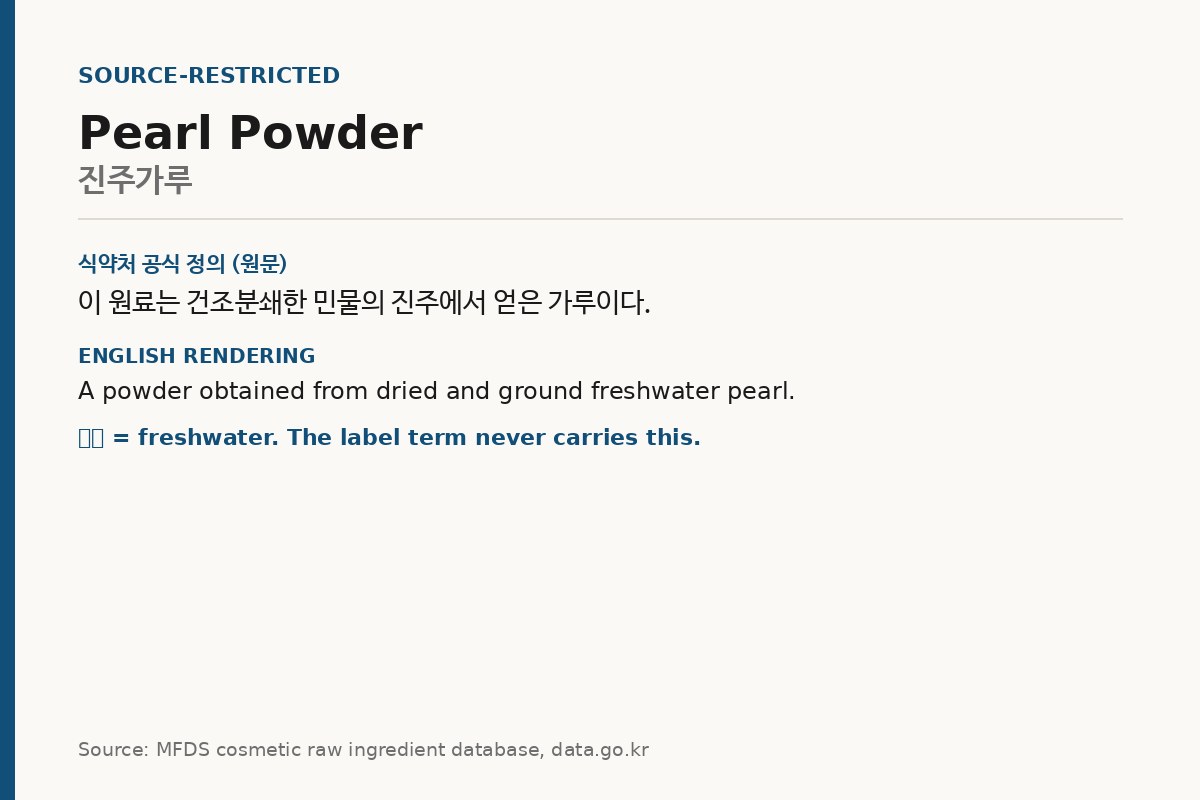
Pearl Powder (진주가루)
이 원료는 건조분쇄한 민물의 진주에서 얻은 가루이다.
A powder obtained from dried and ground freshwater pearl.
The word 민물 — freshwater — is doing real work. The register does not define a generic "pearl powder"; it defines one derived from freshwater pearl specifically. English product copy almost never carries this distinction, and a label reading "Pearl Powder" gives no indication that the registered material is source-restricted.
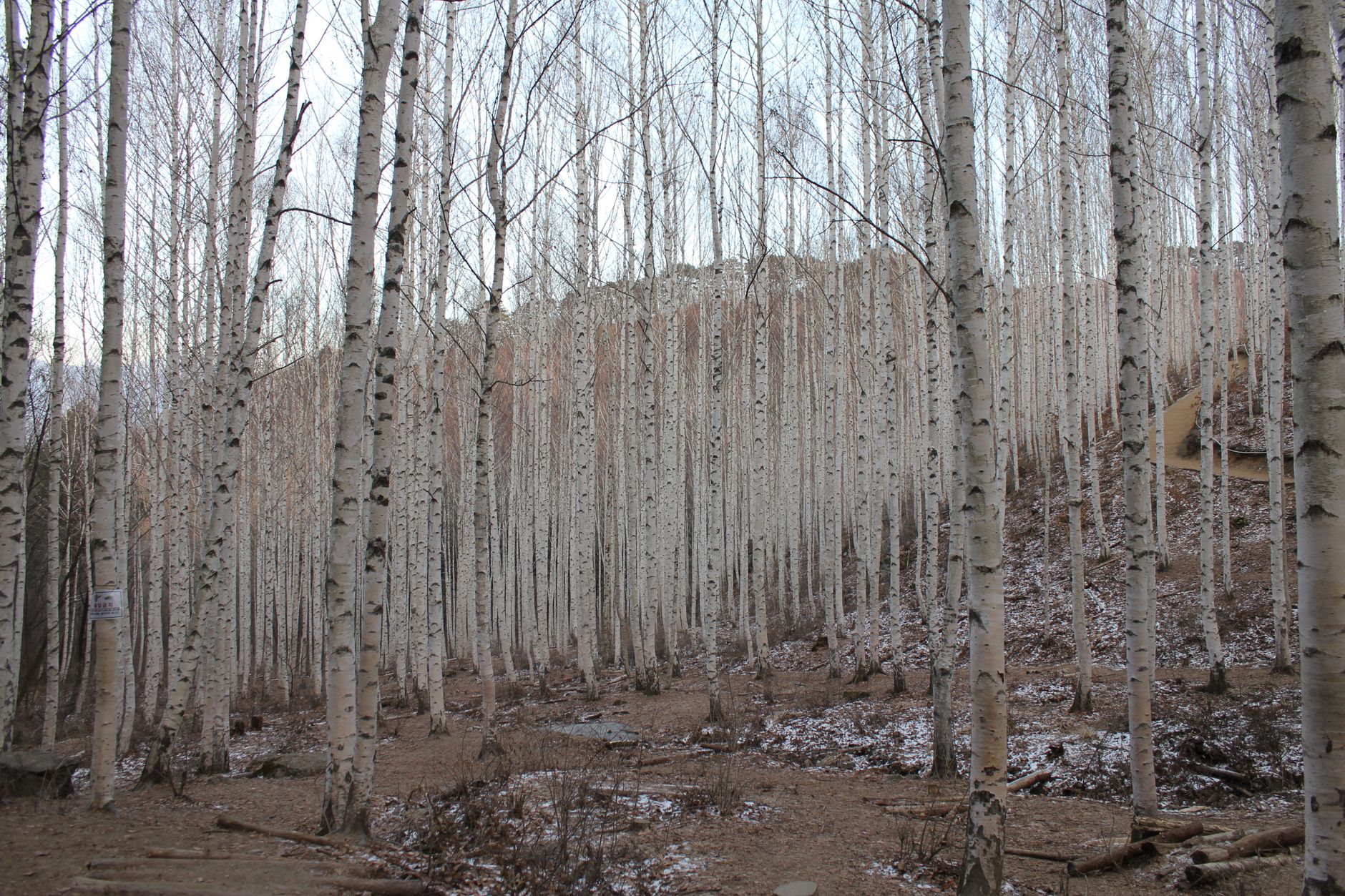
Betula Alba Juice — birch sap (만주자작나무수액)
이 원료는 자작나무Betula Alba의 수액이다.
The sap of the birch Betula alba.
Note the gap between the Korean name and the definition. The registered Korean name is 만주자작나무수액 — Manchurian birch sap — while the definition text names Betula alba and calls it simply 자작나무 (birch). The register records both, and this article reproduces both rather than resolving the difference, which would require a botanical source beyond this dataset.
Oryza Sativa (Rice) Extract (쌀추출물)
이 원료는 벼 Oryza sativa의 씨에서 추출한 것이다.
Extracted from the seed of rice, Oryza sativa. CAS 68553-81-1, 90106-37-9.
The plant part is specified — seed, not bran, not husk, not the whole plant. That matters because a separate entry exists for a bran-based material, below.
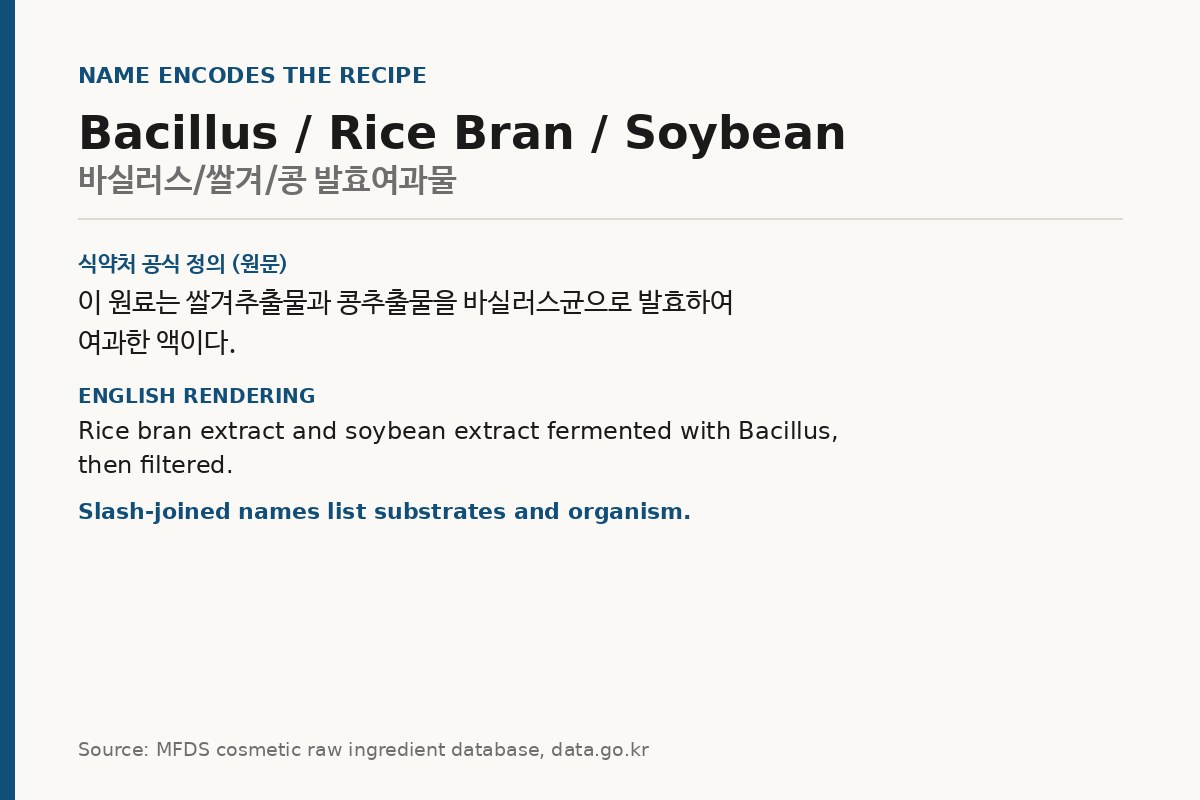
Bacillus / Rice Bran Extract / Soybean Extract Ferment Filtrate (바실러스/쌀겨추출물/콩추출물발효여과물)
이 원료는 쌀겨추출물과 콩추출물을 바실러스균으로 발효하여 여과한 액이다.
A liquid obtained by fermenting rice bran extract and soybean extract with Bacillus bacteria, then filtering.
This ingredient name is three components joined by slashes, and the definition explains why: two substrates and one organism. The naming convention encodes the whole recipe. Once you know to read the slashes that way, similar compound names elsewhere in the register become legible.
Citrus Junos Fruit Extract — yuja (유자추출물)
이 원료는 유자 (Citrus junos)의 열매에서 추출한 것이다.
Extracted from the fruit of yuja, Citrus junos.
English labels sometimes render this as "yuzu," which is the Japanese name for the same species. The register uses the Korean name 유자 with the Latin binomial attached, so the species is unambiguous regardless of which common name a product chooses.
The pattern across these five
Each entry is more restrictive than its English label term:
- "Pearl powder" → freshwater pearl only
- "Rice extract" → seed, not bran (bran appears in a different entry)
- "Birch sap" → a named species
- "Yuzu" → Citrus junos, fruit
- A slash-joined ferment name → substrates and organism, all three named
This is the practical value of reading the register rather than the marketing: the registered name is frequently precise where the English translation is vague. When a product lists the standardised name, that precision is available to you — it simply is not printed on the front of the box.
What none of these entries state
- No efficacy. None of the five describes an effect on skin.
- No concentration minimum.
- No origin beyond species. "Jeju-grown" or "Korean-harvested" claims are voluntary and sit outside the registered name.
- No processing detail beyond what each definition names.
How to verify this
- The dataset is published by MFDS through Korea's Public Data Portal (data.go.kr) as cosmetic raw ingredient information.
- Search 진주가루, 만주자작나무수액, 쌀추출물, 바실러스/쌀겨추출물/콩추출물발효여과물, 유자추출물.
- Korean text above is quoted verbatim; English renderings are this site's translation.
Source: Cosmetic raw ingredient information published by Korea's Ministry of Food and Drug Safety (MFDS) via the Public Data Portal, data.go.kr.
Photos by mareene Kim, Real Seoul Daily, Real Seoul Daily via Pexels