Centella Asiatica Skincare: What The Science Actually Says
Explore the science behind Centella Asiatica skincare and its benefits for your skin in this informative dive into K-beauty.
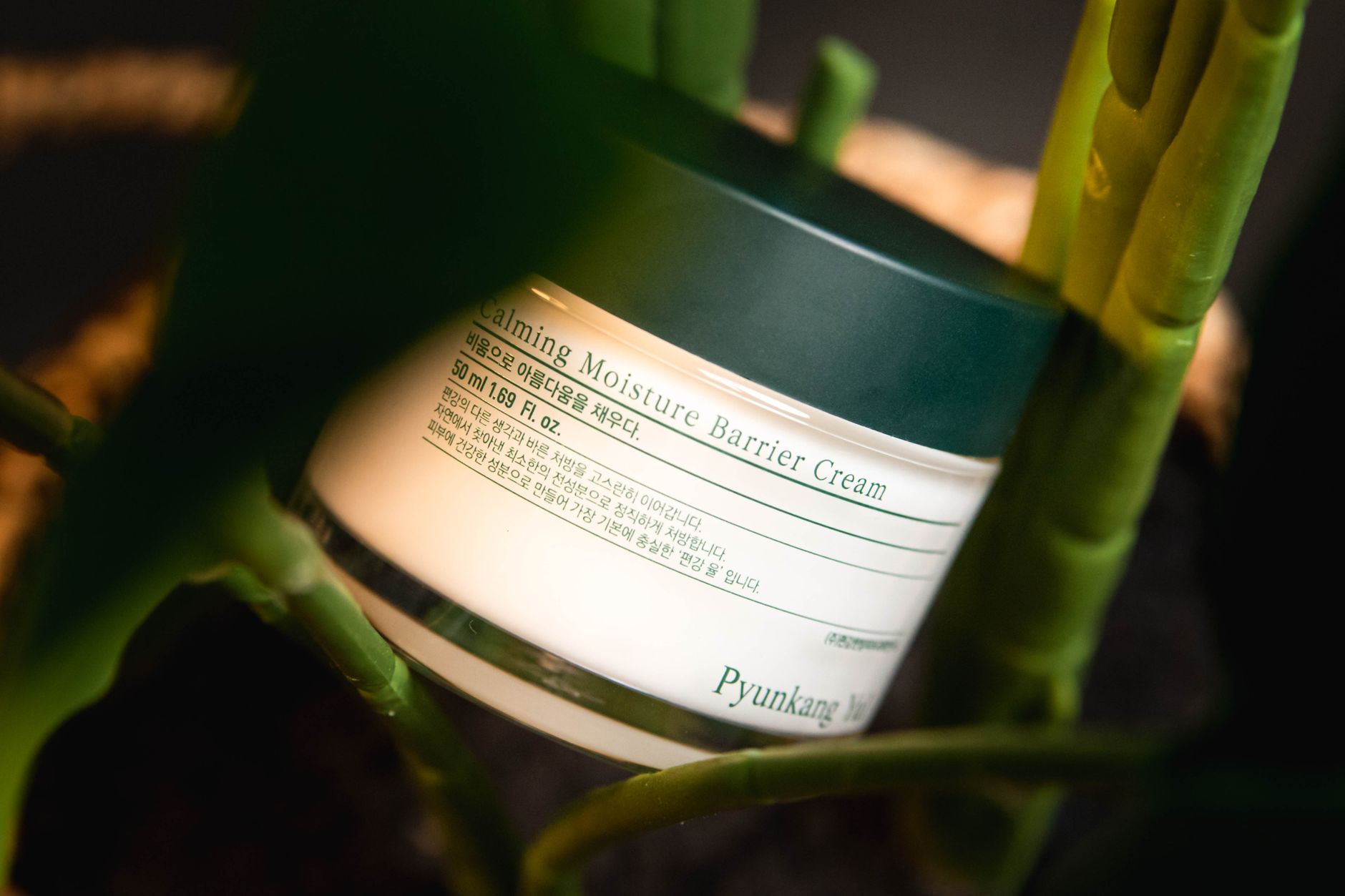
Walking through the vibrant streets of Yeonnam-dong, it's hard to miss the buzz surrounding skincare ingredients that promise miracles. One such ingredient that has gained considerable attention in recent years is Centella Asiatica, often hailed as a wonder herb in K-beauty. Available in many products across Korean beauty stores like Olive Young, Centella Asiatica is often touted for its calming and healing properties. However, what does the science actually say about its efficacy?
What Is Centella Asiatica?
Centella Asiatica, commonly known as Gotu Kola, has been used in traditional medicine for centuries, particularly in Asian cultures. In Korea, you can find it in everything from serums to creams, often marketed for its ability to soothe irritated skin and promote healing. Products like the Cosrx Centella Blemish Cream, priced around 15,000 won ($12) at local stores, consistently highlight this ingredient on their labels.
Active Compounds in Centella Asiatica
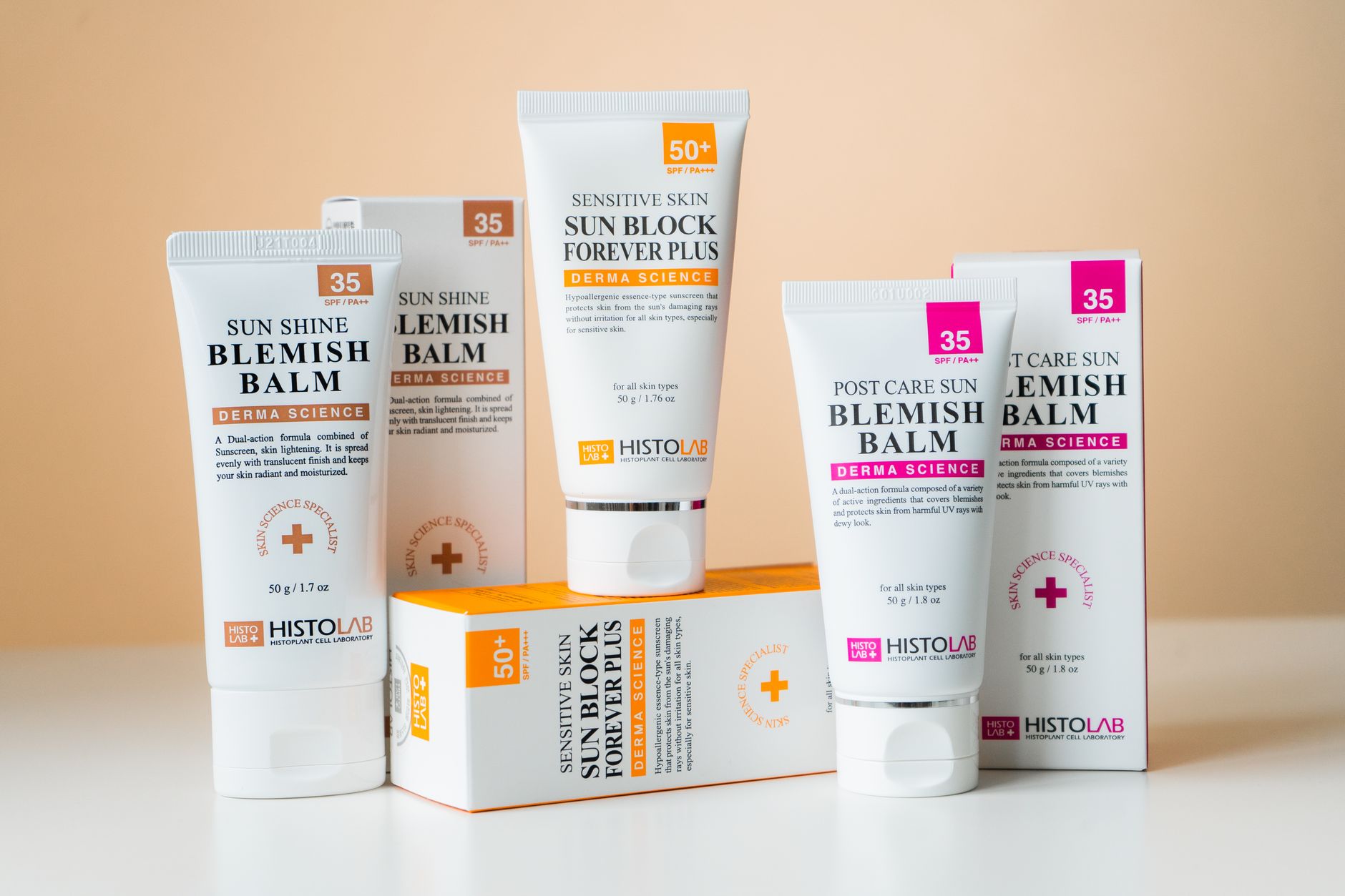
The effectiveness of Centella Asiatica lies in its active compounds, particularly madecassoside, asiaticoside, and asiatic acid. These compounds are believed to offer various skin benefits, including:
- Anti-inflammatory properties: Centella is often used to soothe redness and irritation, making it a popular choice for those with sensitive skin.
- Wound healing: Some studies suggest that it may accelerate the healing of minor wounds and help with acne scars.
- Antioxidant effects: The herb contains antioxidants that might protect the skin from environmental stressors.
What The Research Shows
While anecdotal evidence and consumer testimony often promote Centella Asiatica as a miracle ingredient, scientific studies provide a more measured perspective. Research has shown that:
1. Anti-inflammatory Properties
A 2016 study published in the Journal of Dermatological Science found that Centella Asiatica extracts significantly reduced inflammation in human skin cells. This finding supports its use in products aimed at calming redness and irritation, particularly beneficial for those in Seoul’s pollution-heavy environment.
2. Wound Healing and Scar Reduction
Another study in 2010 highlighted its effectiveness in treating wounds. The researchers concluded that applying Centella extract could improve the healing process and minimise scarring. However, it is worth noting that most of these studies were conducted in vitro or with specific formulations, meaning the exact impact can vary from product to product.
3. Hydration and Skin Barrier Protection
Centella is also thought to improve skin hydration and strengthen the skin barrier. A 2020 study found that formulations containing Centella increased hydration levels in participants. This could explain why many brands incorporate it into moisturisers and serums, especially beneficial in dry, winter months in Seoul.
Common Skincare Products Featuring Centella Asiatica
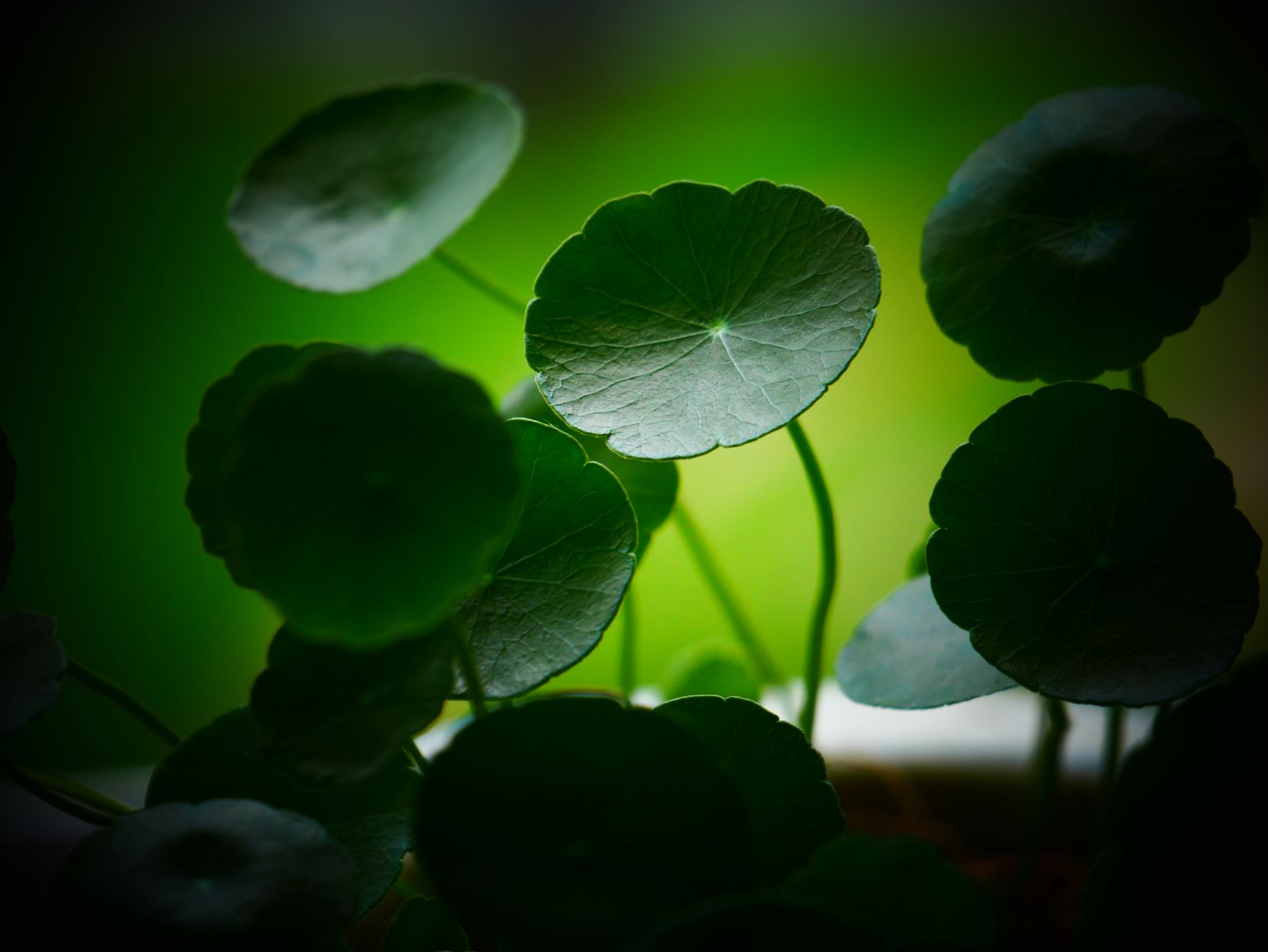
In Seoul, you can find a plethora of Centella-infused products, each claiming unique benefits. Here are a few noteworthy options:
- Innisfree Green Tea & Centella Asiatica Serum: Priced around 20,000 won ($16), this serum is popular for its hydrating properties and is widely available at Innisfree stores in areas like Gangnam.
- Missha Super Aqua Cell Renew Snail Cream: While focused on snail mucin, this cream also includes Centella to enhance skin repair, retailing for about 25,000 won ($20) in shops across Myeongdong.
- Benton Goodbye Redness Centella Gel: A gel-type product, great for oily skin, priced at approximately 12,000 won ($10) at various drugstores.
- Dr. Jart+ Cicapair Tiger Grass Cream: Known for its ability to reduce redness, it costs about 30,000 won ($24) and can often be found in Sinsa-dong.
How To Incorporate Centella Asiatica Into Your Skincare Routine
If you’re looking to integrate Centella Asiatica into your skincare regimen, here’s a practical step-by-step guide:
1. Start With Cleansing
Begin with a gentle cleanser to remove impurities from your skin. Products like the Neogen Real Fresh Green Tea Cleansing Stick, which retails for around 18,000 won ($14), can effectively cleanse without stripping natural oils. This step is crucial, especially after a day spent in Seoul’s bustling streets.
2. Apply a Toner
Next, use a toner with Centella Asiatica to prepare your skin for better absorption of subsequent products. Try the Etude House Soon Jung pH 5.5 Relief Toner, priced at 12,000 won ($10), which not only soothes but also balances the skin’s pH, making it a staple for many in their routines.
3. Use a Serum
Incorporating a Centella-infused serum can significantly enhance your skincare routine. The Cosrx Centella Essence is a favourite among many, priced around 18,000 won ($14). Apply 2-3 drops onto your palm and gently pat it onto your skin for maximum absorption, particularly beneficial after long hours spent in air-conditioned environments.
4. Moisten With a Cream
Follow up with a moisturising cream that contains Centella to lock in hydration. I recommend the Benton Aloe Propolis Soothing Gel, priced at about 13,000 won ($10), which combines Centella with soothing aloe, making it lightweight yet effective.
5. Night Routine
For your night routine, consider using a heavier cream, such as the Dr. Jart+ Cicapair Tiger Grass Sleep Mask, available for about 30,000 won ($24). This product works overnight to repair and nourish your skin, ensuring you wake up with a refreshed complexion.
Are The Claims Justified?
Despite its popularity and the science backing it, there's a tendency for some marketing around Centella Asiatica to exaggerate its benefits. While it can certainly aid in soothing and healing, it is not a miracle cure for all skin problems. Users with specific concerns, like cystic acne or severe hypersensitivity, should approach it with caution and perhaps consult a dermatologist before incorporating it extensively into their routine.
Comparative Analysis: Centella vs Other Ingredients
When discussing skincare, it's essential to compare Centella Asiatica with other popular ingredients. Here's a quick look at how it holds up:
- Tea Tree Oil: Known for its antibacterial properties, tea tree oil is often recommended for acne. Unlike Centella, which soothes, tea tree can sometimes irritate sensitive skin.
- Hyaluronic Acid: This ingredient is excellent for hydration but lacks the healing properties that Centella provides. Many K-beauty products blend both for optimal results.
- Niacinamide: While both Centella and niacinamide help reduce redness, niacinamide offers additional benefits for enlarged pores and uneven skin tone.
FAQ
What skin types are best suited for Centella Asiatica?
Centella Asiatica is beneficial for various skin types, especially sensitive and acne-prone skin due to its anti-inflammatory properties. However, those with oily skin can also benefit from its soothing and hydrating abilities without feeling heavy.
Can I use Centella Asiatica with other active ingredients?
Yes, Centella Asiatica works well with most active ingredients, including acids and retinol. Its calming properties can help mitigate potential irritation caused by stronger actives. However, always introduce new products gradually.
How long until I can see results?
Results can vary depending on individual skin types and concerns. Many users notice improvements in redness and hydration within a few days to weeks of regular use. For scar healing, it may take longer, often several weeks to months.
Is Centella Asiatica safe for all skin types?
Generally, Centella Asiatica is considered safe for all skin types. However, individuals with known allergies to the plant should avoid it. Always patch test a new product to rule out any adverse reactions.
Can I use Centella products daily?
Yes, many people incorporate Centella products into their daily skincare routine without any problems. However, if you notice any irritation or discomfort, consider reducing usage frequency.
Final Thoughts
Centella Asiatica is a promising ingredient with a solid scientific foundation supporting its use in skincare. However, as with any beauty trend, it’s crucial to manage expectations. Products containing Centella can be beneficial, but they work best as part of a holistic skincare routine rather than as standalone solutions. The best approach is to consider your skin type and specific concerns when choosing products, particularly in a city like Seoul where environmental factors can influence skin health.
As I continue to explore the evolving landscape of K-beauty, my next post will likely dive into the world of snail mucin and its efficacy in skincare. What are your thoughts on Centella Asiatica? Have you tried any products that truly made a difference?
Photos by Brian Phetmeuangmay, Denys Mikhalevych, cedric george via Pexels