K-Beauty for Sensitive Skin: What to Skip and What to Keep
Discover essential K-beauty tips for sensitive skin, including must-have products and ingredients to avoid for a better skincare routine.
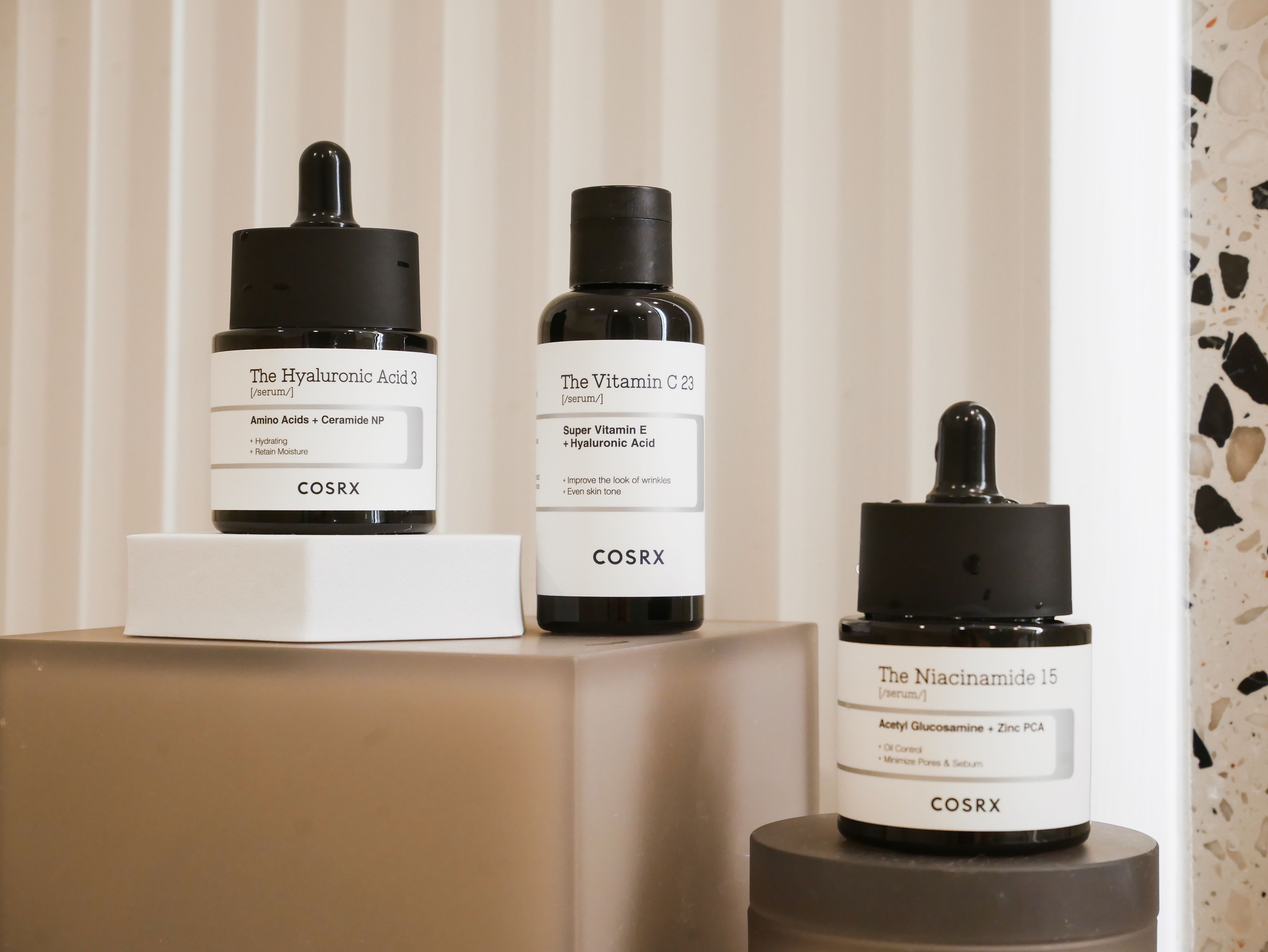
In the heart of Gangnam, where skincare brands line the shelves of every Olive Young, it’s hard to miss the K-beauty allure. However, for those with sensitive skin, the vibrant packaging and trending products can feel overwhelming. After several months of navigating this landscape, I’ve come to appreciate what truly works and what to avoid.
Understanding Sensitive Skin
Sensitive skin often reacts negatively to harsh ingredients, environmental factors, or even certain skincare practices. As someone who's regularly encountered skin reaction scenarios in Korea, I've learned that the key is to focus on gentle yet effective products. Common signs of sensitivity include redness, itching, and dryness, which can make everyday products feel like a gamble.
In Seoul’s changing climate, where seasons shift rapidly, sensitive skin can become even more reactive. For instance, a hot summer day in Itaewon can lead to unexpected breakouts while harsh winter winds can leave skin parched and flaky. The importance of a reliable skincare routine cannot be understated. I recall last winter when my cheeks turned red and irritated after a few hours outdoors, prompting me to rethink my entire routine.
Key Ingredients to Keep
When shopping for K-beauty products suitable for sensitive skin, here are some ingredients that typically fare well:
- Centella Asiatica (Cica): Known for its soothing properties, Cica is a go-to ingredient in Korea. It can be found in products like Dr. Jart+ Cicapair Cream (27,000 won / $20). This cream has worked wonders for my skin during flare-ups, offering immediate relief and hydration after a long day in the sun.
- Aloe Vera: Hydrating and calming, Aloe Vera can be found in many soothing gels and masks, such as Nature Republic Soothing & Moisture Aloe Vera 92% Soothing Gel (10,000 won / $7). This gel is a staple in my refrigerator during the summer months, providing a refreshing touch after a long day.
- Niacinamide: This ingredient helps improve skin barrier function and can be found in products like The Ordinary Niacinamide 10% + Zinc 1% (10,000 won / $7). It has helped manage oil production while calming redness. I often mix this with my moisturiser in the mornings.
- Panthenol: Often used in formulations for its moisturising properties, panthenol can soothe irritated skin and is commonly found in moisturisers from brands such as Hada Labo. The Hada Labo Gokujyun Hyaluronic Lotion (22,000 won / $16) is a fantastic option.
Products to Consider
In my experience, some standout products are especially beneficial for sensitive skin:
- Etude House SoonJung pH 5.5 Relief Toner (12,000 won / $9) – This toner is minimalist, formulated without irritating ingredients, and works well without causing any discomfort. I keep a bottle in my bathroom for daily use.
- Missha Pure Source Cucumber Mask (1,000 won / $0.75) – A gentle sheet mask that hydrates without irritation. I often use it after long flights to revive my skin. It's available at most beauty stores in Hongdae.
- The Face Shop Rice Water Bright Cleansing Light Oil (20,000 won / $15) – A gentle cleansing oil that removes makeup without stripping my skin of moisture. I always buy a bottle before my travels; it holds up well even in humid conditions.
- Innisfree Green Tea Seed Serum (30,000 won / $22) – Lightweight and nourishing, this serum is rich in antioxidants and works well under makeup. It’s one of the few serums that doesn’t lead to breakouts for me.
- Cosrx Low pH Good Morning Gel Cleanser (11,000 won / $8) – A gentle cleanser that helps to soothe and clean without drying. I use it daily without any issues, especially in the mornings.
What to Avoid
On the flip side, there are definitely some ingredients and product types that those with sensitive skin should steer clear of:
- Fragrance: Synthetic fragrances can trigger reactions. Always opt for fragrance-free products. In my experience, even products labelled as 'natural' can have hidden irritants. I’ve learned to scrutinise ingredient lists diligently.
- Alcohol: While some alcohols can be hydrating, others can be very drying. Products such as toners containing high alcohol content should be avoided, particularly during the dry winter months.
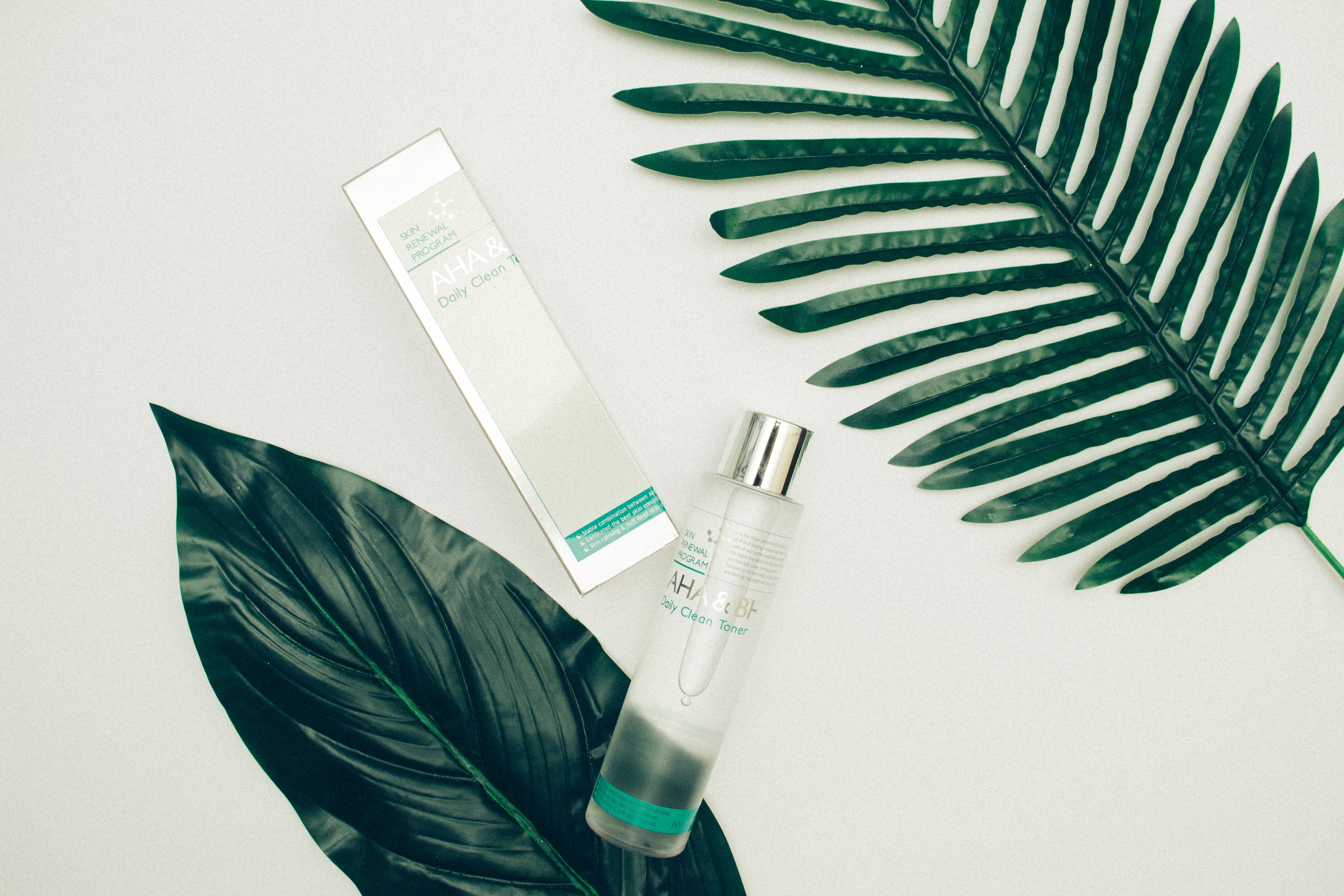
- Harsh Exfoliants: Scrubs or products with high levels of acids can lead to irritation. Chemical exfoliators should be used with caution, if at all. I had a bad experience trying out a popular AHA product, which left my skin feeling raw.
- Essential Oils: While natural, they can be potent and irritating for sensitive skin types. I've had to learn this the hard way, discovering that even popular brands include them in their formulations.
Real-Life Recommendations
As someone immersed in Korean skincare culture, I find that many products marketed for sensitive skin truly deliver. However, it’s essential to patch-test any new products before fully incorporating them into your routine. For example, the Laneige Cream Skin Refiner (35,000 won / $26) works wonders for many, but can sometimes be too heavy for those with very sensitive skin. I personally had to stop using it after a few days as it caused a slight breakout.
Local shops in Itaewon and online resources like G-market often have a vast selection, and English labels can sometimes be a blessing and a curse. Understanding what's in your products is crucial, especially when looking for formulations that won't exacerbate sensitivity. I often find myself reading ingredient lists in stores like Olive Young in Yeonnam-dong, carefully weighing my options.
For a different approach, I discovered the Missha Super Aqua Ultra Hyalron Cream (30,000 won / $22), which is deeply hydrating while being gentle. This cream has become a part of my nightly routine, especially during the dry winter months. I usually apply this before bed, waking up with skin that feels plump and nourished.
Practical Tips for Building Your Routine
Here’s a step-by-step guide to creating a skincare routine for sensitive skin with K-beauty products:
- Start with a Gentle Cleanser: Use a product like the Cosrx Low pH Good Morning Gel Cleanser. Apply a small amount to damp skin and gently massage in circular motions, then rinse with lukewarm water. Avoid hot water, which can aggravate sensitivity.
- Incorporate a Toner: After cleansing, apply the Etude House SoonJung pH 5.5 Relief Toner on a cotton pad or with your hands to prep your skin for the next steps. This helps to balance the skin’s pH level.
- Add a Serum: Consider the Innisfree Green Tea Seed Serum for added hydration. A few drops will suffice; apply it gently across your face. This serum feels light but provides significant moisture.
- Moisturise: Use a lightweight moisturiser that contains panthenol or Cica to lock in hydration. The Dr. Jart+ Cicapair Cream is a great option. I layer this on top to seal everything in.
- Protect: If you're heading out during the day, don't forget to apply sunscreen that is suitable for sensitive skin, such as Etude House Sunprise Mild Airy Finish Sun Milk (11,000 won / $8). This sunscreen is lightweight and doesn't cause irritation.
FAQ
What are the best K-beauty brands for sensitive skin?
Brands known for catering to sensitive skin include Dr. Jart+, Etude House, and Cosrx. Each offers a range of products formulated with gentle ingredients, ensuring they cater to various skin types without compromising on quality.
Can I use K-beauty products if I have allergies?
It depends on your specific allergies. Always check the ingredient list for known allergens and consult with a dermatologist if you're unsure. Some K-beauty products are specifically formulated to be hypoallergenic, but caution is always advisable.
How do I know if a product is suitable for sensitive skin?
Look for labels that specifically mention sensitivity or hypoallergenic formulas. Ingredients like Cica, Aloe Vera, and Niacinamide are generally safe bets. Avoid products with synthetic fragrances or harsh chemicals.
Is it necessary to patch-test new products?
Yes, patch-testing is essential to avoid potential reactions. Apply a small amount of the product on your wrist or behind your ear and wait 24 hours to see if there’s any reaction. This practice has saved me from several unpleasant surprises.
Conclusion: Finding Your Routine
Building a skincare routine for sensitive skin in Seoul's bustling beauty market can feel daunting, but focusing on gentle, effective ingredients will make a significant difference. It’s about finding what works for you, combining the solid K-beauty staples with a keen understanding of your skin's needs.
In future posts, I'll explore the best K-beauty products for combination skin, which can be just as tricky to manage. What has your experience been with sensitive skin products? Let me know in the comments.
Photos by PinkWitch 诸葛筱暖, Monstera Production, Ray Piedra via Pexels