Revisiting Innisfree's Green Tea Seed Hyaluronic Serum Formula
Explore the reformulated Innisfree Green Tea Seed Hyaluronic Serum and see if it lives up to the hype in this honest review from a Seoul local.
Just last week, while wandering through the bustling streets of Yeonnam-dong, I found myself in Olive Young, as I often do. The skincare aisle caught my eye, especially with the new packaging of Innisfree's Green Tea Seed Hyaluronic Serum prominently displayed. Having been a long-time fan of their original formula, it felt like the right moment to put the reformulated version to the test.
The New Formula: What’s Changed?
Innisfree's Green Tea Seed Serum has long been a staple in many K-beauty routines, revered for its hydrating properties and the benefits derived from Jeju green tea. The reformulation has introduced hyaluronic acid to enhance moisture retention—an essential feature for many looking to maintain their skin's hydration levels throughout the day. Priced at around 25,000 won (approximately $19), this product remains accessible for its quality and brand reputation, especially in a market flooded with options.
Key Ingredients
- Green Tea Extract: Known for its powerful antioxidant properties, this ingredient continues to be a core component, offering protection against environmental aggressors like pollution and UV rays.
- Hyaluronic Acid: A well-regarded ingredient in skincare, it promises to deliver intense hydration and plump the skin by attracting moisture to the epidermis.
- Green Tea Seed Oil: This oil claims to provide nourishment and moisture, complementing the extract's hydrating effects.
- Panthenol: A derivative of vitamin B5, panthenol is included for its soothing properties, making the serum ideal for sensitive skin.
The addition of hyaluronic acid is particularly noteworthy, as it’s become a fan favorite across the skincare community for its ability to hold water in the skin. However, I couldn't help but wonder if this change was sufficient to justify the reformulation, especially given how loyal fans of the original might feel. Some may ask: does this new formula really outperform its predecessor?
Texture and Application
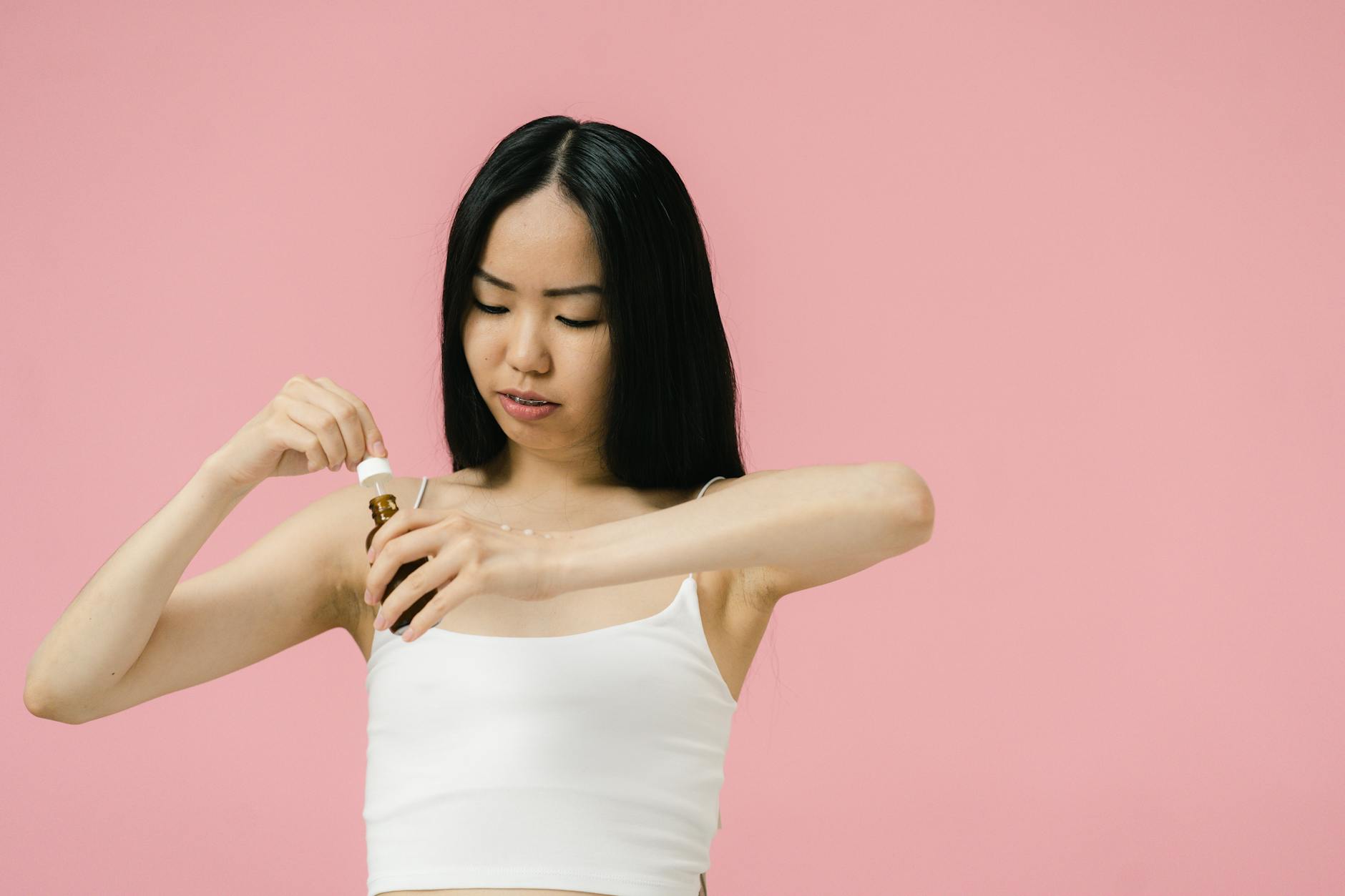
Upon first use, the texture stood out as slightly thicker compared to the original version, showcasing a gel-like consistency that feels both luxurious and lightweight. The serum glides on smoothly and absorbs quickly, leaving no sticky residue behind. This quality is particularly advantageous during the humid summers in Seoul, where a heavy product can feel suffocating. The application process became a moment of self-care, letting the serene scent of green tea fill the air as I massaged it into my skin.
How It Performed
For the first week, I incorporated the serum into my morning and evening routines, applying it after cleansing and before moisturizing. The layering of products is essential in K-beauty, and this serum fit seamlessly into my regimen. I was pleasantly surprised by the moisture it provided, especially given my skin’s tendency to feel parched during the changing seasons. After a fortnight of consistent use, I noted:
- Improved hydration levels, with my skin feeling plumper and softer than it had for a while.
- A reduction in troublesome dry patches, which I often struggle with during colder months.
- A slight brightness to my complexion, potentially due to the antioxidant benefits of the green tea extract.
However, I did experience mild irritation on a couple of occasions, likely due to the increased concentration of certain ingredients. It's worth mentioning that everyone's skin reacts differently, so conducting a patch test is recommended if you're considering adding this to your routine. In applying the serum, I found it best to use gentle upward strokes, ensuring better absorption without pulling at the skin.
Comparing It to the Original
The original Green Tea Seed Serum held a beloved status, creating high expectations for its reformulation. While the new version certainly enhances hydration, it doesn’t feel like a completely different product. Here’s how they stack up:
- The original was lighter in texture, which could be more suitable for those with oily skin types who prefer a quick-absorbing product.
- The reformulation feels more nourishing and may be better for dry or combination skin, particularly in winter months when skin tends to lose moisture more quickly.
In a comparative analysis, some might lean towards the original for its fast absorption, especially if they tend to layer multiple products. On the other hand, the new formula offers a more substantial feel that could appeal to those looking for a deeper level of hydration.
Practical Tips for Use
If you decide to try Innisfree's Green Tea Seed Hyaluronic Serum, consider these practical tips to optimize your experience:
- Apply on Damp Skin: For maximum moisture retention, try applying the serum on slightly damp skin after cleansing. This can help to trap moisture more effectively.
- Layering: Use the serum as part of a comprehensive skincare routine. After applying it, follow up with a moisturizer and sunscreen during the day.
- Mixing with Other Products: If you enjoy mixing and matching skincare, the serum pairs well with vitamin C serums for added brightness and antioxidants. Just be cautious of how many active ingredients you layer to avoid irritation.
- Monitor Your Skin's Reaction: Track how your skin responds over a few weeks. If irritation occurs, consider using it every other day until your skin adjusts.
The Final Verdict
Innisfree's Green Tea Seed Hyaluronic Serum has certainly made an impression with its reformulation. It brings a fresh take to a classic product, enhancing hydration while retaining the essential qualities that made it popular among K-beauty enthusiasts. At 25,000 won, it stands as a reasonable investment for those searching for a lightweight yet effective serum.
Ultimately, while the product meets many of its claims, there remains a certain skepticism about the surrounding hype. It’s a solid choice for hydration, but perhaps not groundbreaking when compared to other options on the market. For anyone in the market for a new serum, it might be worth a try, but it's also important to remember that Seoul's vibrant skincare market offers many alternatives that may better suit individual needs.
FAQ
Is the new formula suitable for all skin types?
While the reformulated Green Tea Seed Hyaluronic Serum is designed to provide hydration, individual reactions can vary. Those with oily skin might find it a bit heavier than the original, making it less suitable for their needs. It may be especially beneficial for dry and combination skin types, particularly during the colder months when moisture retention is key.
Where can I buy Innisfree's Green Tea Seed Hyaluronic Serum in Seoul?
The serum is widely available at various beauty retailers, especially in popular areas like Gangnam and Itaewon. Stores such as Olive Young, Aritaum, and even larger department stores like Lotte or Shinsegae often carry it. Additionally, online shopping options are available through platforms like Coupang and Gmarket for added convenience, especially if you want to avoid the crowds.
How does this serum compare to other K-beauty serums?
Innisfree's Green Tea Seed Hyaluronic Serum stands out for its use of green tea extract, which is known for its antioxidant properties. Compared to other serums that may focus solely on hydration or anti-aging, this one offers a balance of moisture and protective benefits. Alternatives like The Ordinary's Hyaluronic Acid or Laneige's Water Bank Serum may also provide effective hydration with different ingredient profiles. When choosing a serum, consider what specific skin concerns you want to address.
Can I layer this serum with other products?
Yes, the serum can easily be layered with other skincare products. It’s recommended to apply it after cleansing and toning, followed by a moisturizer to lock in hydration. Additionally, pairing it with other serums or essences, such as a vitamin C serum for brighter skin, is quite common. Just be cautious about layering too many products at once, which can overwhelm your skin.
What are the best practices for using this serum?
To maximize the benefits of Innisfree's Green Tea Seed Hyaluronic Serum, apply it to damp skin after cleansing to help seal in moisture. Following up with a moisturizer will ensure that the hydration provided by the serum is locked in. Consistent use day and night can help achieve better results, especially during seasonal transitions when skin tends to feel drier. Additionally, consider adjusting your skincare routine based on changes in season or climate, as this can affect how your skin reacts to various products.
What should I do if I experience irritation?
If you experience irritation after using the serum, it’s advisable to stop using it immediately. Consider conducting a patch test prior to full application in the future. If irritation persists, consult with a dermatologist. They can help identify whether specific ingredients in the serum may not be compatible with your skin type.
Next up, the discussion will shift towards the rising popularity of ceramide products—are they really worth the investment?
Photos by SHVETS production, Monstera Production, Nothing Ahead via Pexels