Some By Mi AHA BHA PHA 30 Days Miracle Toner Reality Check
Is Some By Mi's Miracle Toner worth the hype? My Seoul-based review examines what it really does for your skin over 30 days.
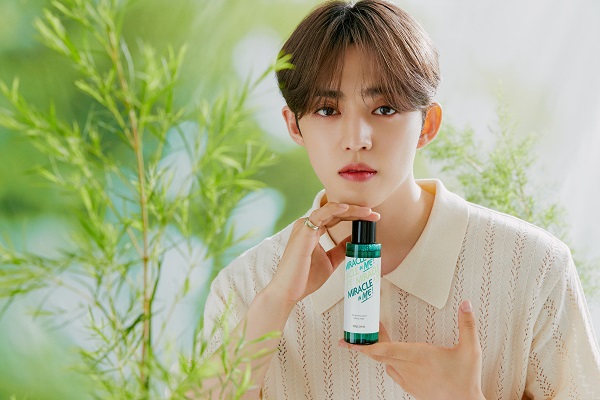
The Some By Mi AHA BHA PHA 30 Days Miracle Toner sits proudly on the shelves of Olive Young in Yeonnam-dong, its packaging almost screaming for attention. With a blend of natural exfoliants and a promise to transform your skin in just 30 days, it's hard to ignore the buzz that surrounds this product. But is the hype justified? Having spent time exploring the vibrant K-beauty scene in Seoul, I put this toner to the test to see if it lives up to the claims.
What’s Inside the Bottle?
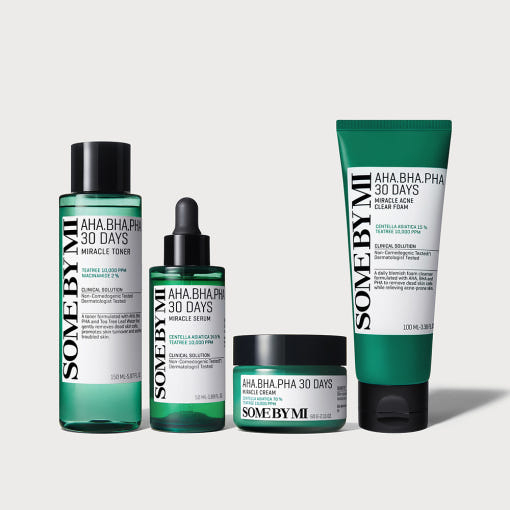
This toner claims to be an all-in-one solution for those struggling with acne, dullness, and uneven skin texture. It contains key ingredients such as:
- AHA (Alpha Hydroxy Acid): Helps to exfoliate the skin’s surface, removing dead skin cells and promoting cell turnover.
- BHA (Beta Hydroxy Acid): Penetrates deeper to target clogged pores and is particularly effective for oily skin types.
- PHA (Polyhydroxy Acid): A gentler exfoliant, good for sensitive skin and helps to hydrate while exfoliating.
- Tea Tree Leaf Water: Known for its anti-inflammatory properties, it helps calm irritation and redness.
At around 18,000 won (approximately $15), it’s priced reasonably for the K-beauty market, especially considering that many other toners can range from 20,000 to 30,000 won. However, can the ingredients really deliver on the promises? The combination of AHAs, BHAs, and PHAs is a selling point, as these acids are often touted for their exfoliating benefits in Korean skincare.
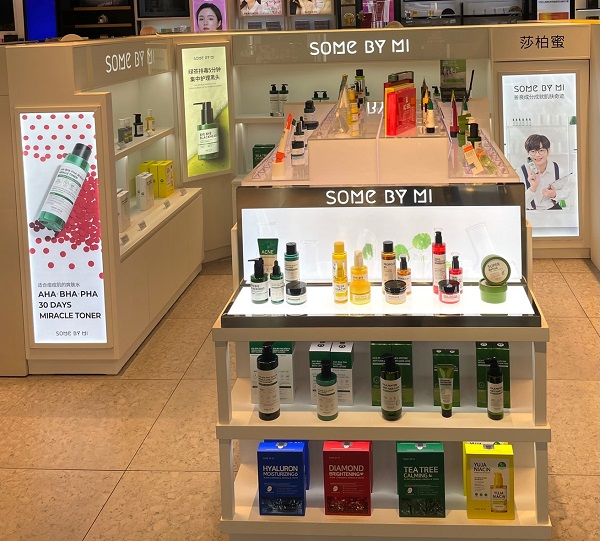
A Month of Application: The Process
I committed to using the toner twice daily, as recommended. The texture is slightly viscous, more like a light serum than a traditional watery toner, and it has a fresh herbal scent that isn’t overpowering. I applied it with a cotton pad in the mornings and used my hands at night for a more direct application, which is a common practice among K-beauty enthusiasts aiming for better absorption.
After the first few days, my skin felt smoother. However, I noticed some irritation on my cheeks, where I typically have sensitive skin. This was unexpected, given the toner’s claims of gentleness. Many people adopting new skincare products, especially those containing acids, experience similar reactions. It’s a curious phenomenon in the skincare world—sometimes, the skin reacts negatively to new ingredients before acclimating to them. Nonetheless, I pushed through, reminding myself that skin can sometimes react before it improves, a notion supported by various beauty forums where users share similar experiences.
Weeks Two and Three: Observations
By the second week, the initial irritation subsided, and my skin began to show some noticeable improvements. The texture continued to improve, and I experienced fewer breakouts. This was a moment of affirmation for me, as the feedback from others often serves as a reliable indicator of skincare effectiveness.
However, I should mention that I was also using my regular skincare products, including a gentle cleanser and a moisturizer from The Face Shop. Therefore, while I wanted to credit the toner for these positive changes, I cannot definitively say it was solely responsible. This duality of experience is something many skincare enthusiasts face—multiple products work synergistically, but attributing specific results to one can be challenging.
During these weeks, I decided to document my journey. I began taking notes on how my skin reacted to not only the toner but also my complete skincare routine. This practice often provides insight into how a specific product interacts with your individual skin type, especially in culturally diverse skincare formulations like those found in Seoul.
The Final Stretch: Days 25 to 30
As I approached the month mark, my pores appeared smaller, and my overall complexion seemed more balanced. My skin felt hydrated, but I noticed that on days when I skipped the toner, my skin didn’t revert back to its previous state. This raised the question of whether the toner was adding lasting value or if it was merely a temporary boost. It’s a common concern in the realm of K-beauty; many products can provide an immediate improvement but may not deliver long-term results without consistent use.
In the final days, I began to feel skeptical again. The radiant glow I initially admired faded slightly without consistent use, leading me to wonder if this product is one you need to incorporate into your routine indefinitely. Observing how other products have performed in similar scenarios can provide insight—many users find that toners require regular application to maintain benefits, while some essences and serums might offer longer-lasting improvements.
In the local context, it’s significant to consider how the ever-evolving K-beauty landscape influences skincare choices. For example, products from brands like Dr. Jart+ and Innisfree often emphasize long-term efficacy, which can create a new set of expectations for consumers. As a consumer in Seoul, where skincare innovations are constantly emerging, it’s crucial to discern which products genuinely fit your needs.
The Bottom Line
So, what’s the verdict? The Some By Mi AHA BHA PHA 30 Days Miracle Toner is decent, and it does provide some benefits. It’s effective for mild exfoliation, and if you’re struggling with oily or combination skin, it may help manage breakouts. The major drawbacks are the initial irritation and the continual need for application to maintain results. In a bustling city like Seoul, where skincare routines can become overwhelming, this toner may just contribute to the noise rather than offering a unique solution.
If you're looking for something that delivers immediate results without commitment, you may want to explore other options or consider consulting with a dermatologist. The skincare landscape in Seoul is vast, with myriad options that cater to different skin types and concerns. For instance, those with dry skin might benefit more from hydrating essences rather than exfoliating toners like this one.
Next Steps
As I consider my skincare routine going forward, I'm curious about how to integrate products that maintain their effectiveness without constant application. I’m planning to explore more about serums and essences that promise long-term improvements. In a city where skincare innovations are constantly emerging, it’s useful to seek out products that can provide lasting benefits. For example, serums containing niacinamide or hyaluronic acid are often cited for their hydrating properties and can complement the benefits of exfoliating toners.
Additionally, the popularity of fermented skincare products in Seoul is another avenue I intend to explore. Fermented ingredients, like those found in brands such as Missha or SK-II, are often praised for their ability to enhance skin texture and clarity in a more gentle manner. Have you tried the Some By Mi toner? What was your experience? I’m interested in hearing about other skincare journeys in Seoul and what products have been game-changers for you.
FAQ
Is Some By Mi AHA BHA PHA Toner suitable for sensitive skin?
The toner contains AHA, BHA, and PHA, which can be beneficial for many skin types. However, those with sensitive skin may experience initial irritation. It’s advisable to start with a patch test and monitor your skin's reaction. If irritation persists, consider using the toner less frequently or looking for alternatives with a more soothing formulation.
Can I use this toner with other exfoliating products?
It is generally not recommended to use multiple exfoliating products at the same time. Combining them can lead to over-exfoliation and irritation. If you're using this toner, consider reducing the use of other exfoliating products or consult a dermatologist for personalized advice. Many users find that a gentle approach works best, incorporating exfoliation once or twice a week instead of daily.
What is the best way to apply this toner?
For optimal results, apply the toner twice daily as instructed. Some users prefer using a cotton pad for even application, while others opt for direct application with their hands. Choose the method that feels best for your skin, as both techniques offer different absorption levels. If you are using a cotton pad, be mindful not to saturate it too much, as excess product can lead to waste.
How long does one bottle last?
The longevity of a bottle depends on the frequency of use and the amount applied. Generally, if used as directed, a standard 150ml bottle should last about a month, although individual results may vary. To make the toner last longer, consider alternating its use with other products or using it in a more targeted way, rather than saturating your skin daily.
Are there any alternatives to this toner?
Yes, there are many toners available in the Korean market that cater to various skin types and concerns. Brands like cosrx, Klairs, and The Face Shop offer alternatives that may suit your needs, often with different ingredient focuses or formulations. For instance, the Klairs Supple Preparation Facial Toner is known for its hydrating properties and is another popular choice among K-beauty enthusiasts. Shopping at stores like Olive Young or even local pharmacies can reveal a range of options tailored to your specific skin concerns.
Photos by BEAUDEC, BD Jewel, Elena Druzhinina via Pexels