Testing Missha's Essence as a Dupe for Sulwhasoo's Premium Formula
Curious about Missha Time Revolution's efficacy compared to Sulwhasoo? Discover how this budget-friendly alternative stacks up in this honest test.
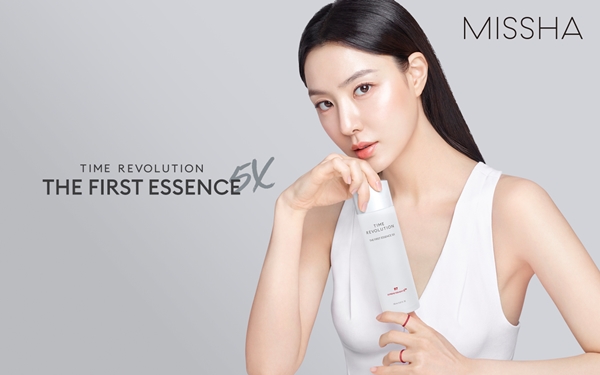
As the humid summer months roll into Seoul, skincare routines often require a shift to lighter textures. With the summer heat making heavy products feel unbearable, finding the right essence becomes paramount. While browsing the impressive shelves of Olive Young in Gangnam, I spotted two essences that have been generating a lot of buzz: Missha's Time Revolution The First Treatment Essence and Sulwhasoo's First Care Activating Serum. With a noticeable price difference—Missha’s retailing at around 25,000 won (roughly $19) and Sulwhasoo’s at about 80,000 won ($60)—the question arises whether Missha's offering could be a worthy dupe.
What's in the Bottle?
Both essences claim to improve skin texture and radiance, but they do so with different ingredients and formulations. Understanding these ingredients is crucial in making an informed choice. Here's how they stack up:
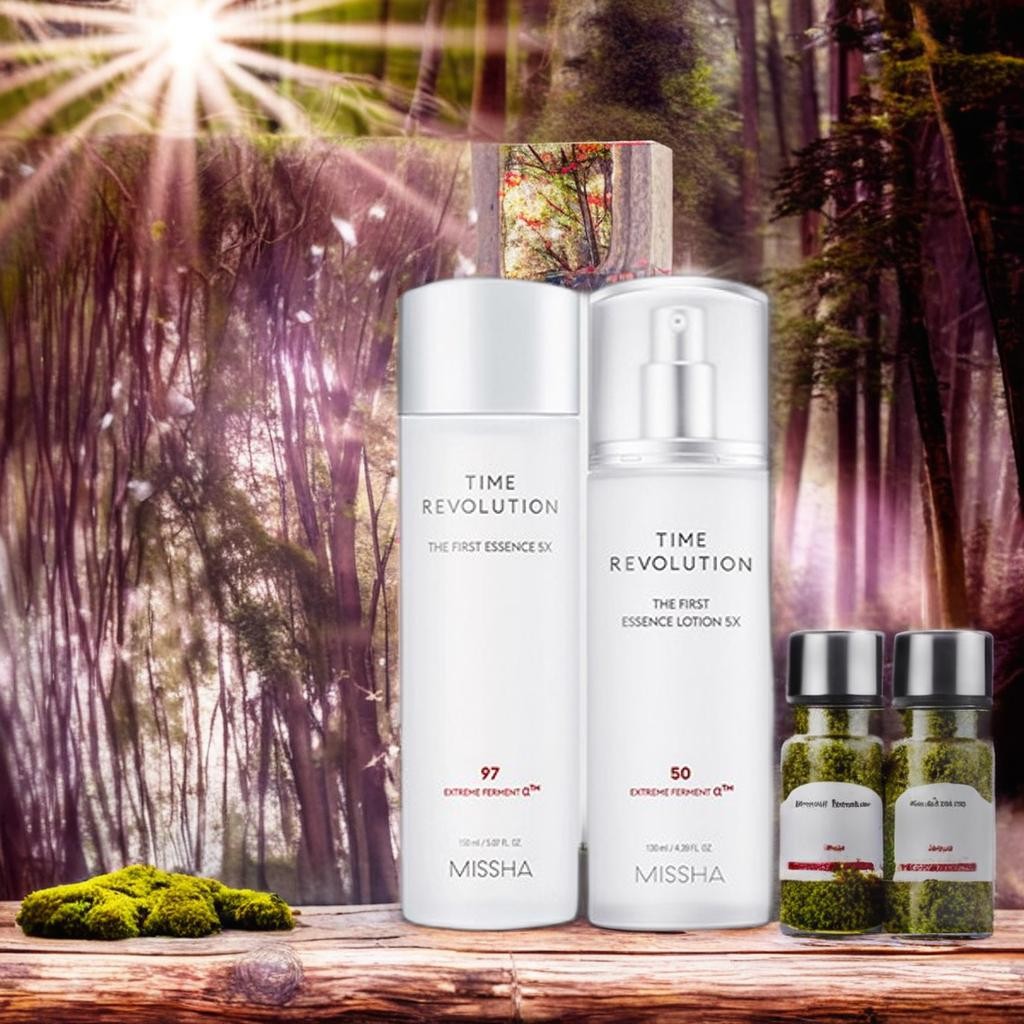
- Missha Time Revolution: This formula boasts fermented ingredients such as bifida ferment lysate, known for its skin-repairing properties. This ingredient helps to restore the skin barrier, making it ideal for those with sensitive or compromised skin. Additionally, it's enriched with niacinamide, which is praised for its brightening and anti-inflammatory benefits, and antioxidants to combat free radical damage. The blend of fermented yeast extract and Hyaluronic Acid enhances moisture retention, ensuring that the skin remains hydrated without feeling heavy. Furthermore, Missha incorporates a selection of plant extracts like Lotus and Willow Bark, which are known for their soothing effects.
- Sulwhasoo First Care Activating Serum: A luxury pick, this essence combines traditional Korean herbal medicine, focusing on ginseng and other botanicals. Ginseng is renowned for its anti-aging properties, rich in antioxidants that help combat free radicals and improve skin elasticity. The serum also contains Chinese Peony, Licorice Root, and a variety of other herbal extracts aimed at nourishing and balancing the skin. Sulwhasoo prides itself on the quality of its ingredients, often sourcing them from regions known for their potent natural herbs, making it a staple in the luxury skincare market.
Both essences are clear and watery, but Missha's texture is slightly thicker, appealing to those looking for hydration without feeling too heavy on the skin. The differences in formulation suggest distinct benefits depending on what your skin needs at any given moment. For instance, if your skin feels especially parched during the summer heat, Missha may provide that extra hydration lift.
Application and Feel
Application is a crucial aspect of any skincare product, especially when it comes to essences that are meant to be layered. For both essences, the routine was similar. After cleansing, I used my hands to pat the product into my skin. This is a traditional method in Korean skincare that promotes better absorption and stimulates blood circulation, enhancing the overall effectiveness of the product.
The Missha essence absorbed quickly, leaving a subtle, refreshing feel. Its fast-absorbing nature means it can be layered with other products, making it an excellent choice for a quick morning routine or a pre-makeup step. In contrast, Sulwhasoo's formula offered a more luxurious experience; it felt slightly tacky at first but soon melted into the skin, providing a smooth finish and a subtle glow.
Here's a quick breakdown of the application experience:
- Missha: Fast-absorbing, fresh, and hydrating; great for daytime use; no sticky residue. Ideal for those who want a rapid application before makeup. You can even layer it with other serums or creams without feeling overwhelmed.
- Sulwhasoo: Richer feel, perfect for evening routines; leaves skin plump and soft. The luxurious nature of this serum makes it a perfect end-of-day treat, allowing skin to absorb the nutrients while you sleep. This essence can be particularly beneficial for those who enjoy a more indulgent nighttime skincare ritual.
Long-Term Effects
After using both products for four weeks, the differences in how my skin reacted became more apparent. Both products were gentle and didn’t cause irritation, yet the outcomes were subtly distinct. Here’s what I observed:
- Missha: My skin felt smoother and had a noticeable brightness, particularly in the mornings. The hydration it provided was evident, especially after nights spent in air-conditioned spaces typical of Seoul summers. This essence gave my skin a refreshing boost, making it feel revitalized and ready to face the day.
- Sulwhasoo: This essence brought a marked improvement in overall skin texture; fine lines appeared less prominent, and my complexion felt more even-toned. The deeper nourishment offered by Sulwhasoo made my skin feel resilient and healthy, almost as if it had a protective barrier against environmental stressors.
While Missha provides an impressive boost for the price, the deep level of nourishment offered by Sulwhasoo is partly expected, given its higher price point. The ingredients in Sulwhasoo work in harmony to enhance skin health, which is often a priority in Korean beauty routines. It’s worth noting that results can vary based on individual skin types and conditions, and what works for one person may not necessarily work for another.
Is Missha a True Dupe?
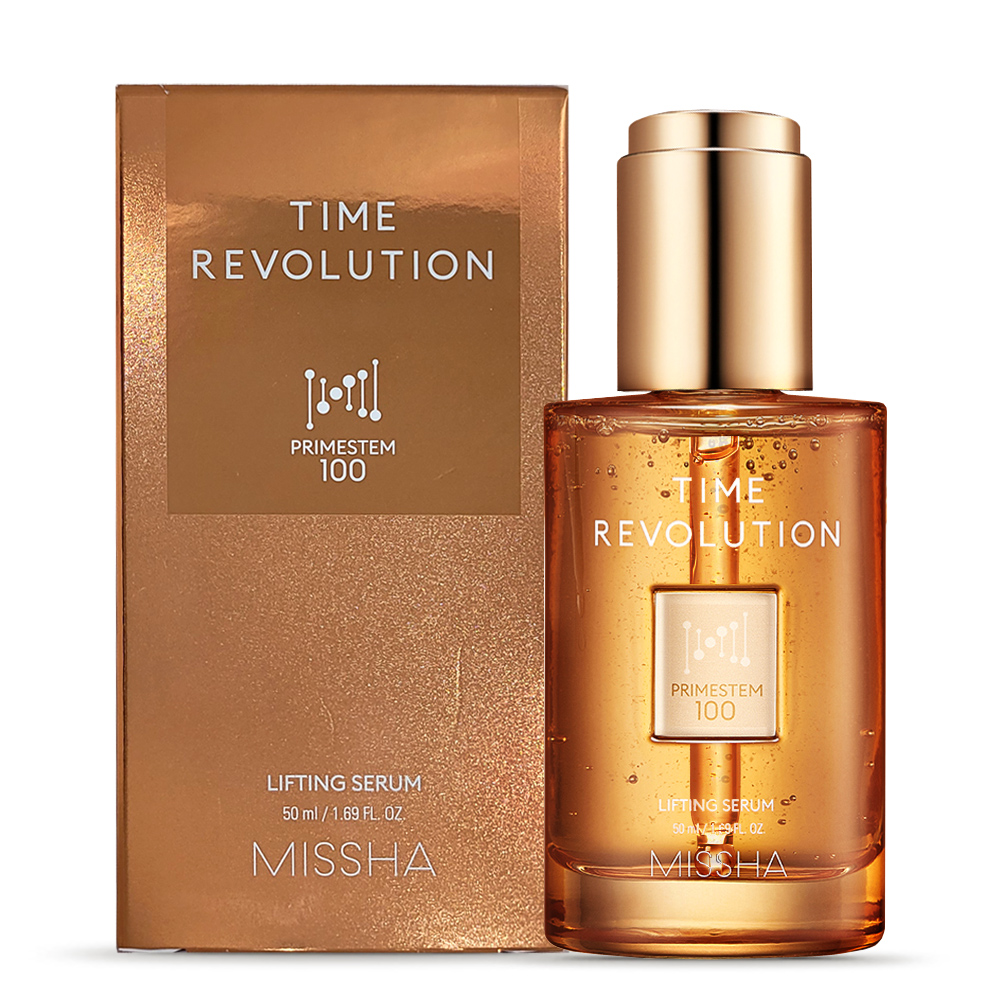
Ultimately, calling Missha’s essence a true dupe for Sulwhasoo’s is a subjective matter. If hydration with a budget-friendly price tag is your priority, then Missha is certainly a strong contender. However, if your skin craves more intensive care or if you appreciate the traditional ingredients Sulwhasoo uses, you may find the splurge worthwhile. In a city like Seoul, where beauty standards are tightly woven into daily life, this choice often comes down to personal skin needs, budget, and preferences.
For many, Missha serves well for daily upkeep, while Sulwhasoo feels more like a treat for those days when the skin craves something special. The varying price points reflect differing levels of investment in skincare, which is a significant factor in South Korea's beauty culture. Additionally, it’s essential to consider how each product performs under various environmental conditions; for example, some might find Missha’s essence more suitable for the summer, while Sulwhasoo might shine during the colder months when skin can become parched.
Practical Tips for Choosing Between Them
If you're trying to determine which essence to incorporate into your routine, consider the following tips:
- Skin Type: If you have oily skin, Missha's lightweight feel may suit you better, especially during summer. Dry skin types might gravitate towards Sulwhasoo for deeper moisturization. For combination skin, using both at different times could provide a balanced approach.
- Budget: Assess how much you are willing to spend. If you're on a tight budget, Missha delivers great value without compromising quality. It’s possible to find sales or discounts at local stores, particularly during seasonal promotions.
- Usage Frequency: For daily use, many find Missha to be sufficient, especially for those who prefer a minimalist routine. If you are someone who indulges in a more extensive evening routine, Sulwhasoo might be more fitting. You could also alternate based on your skin's needs; for instance, using Missha during the week and saving Sulwhasoo for the weekend.
- Ingredient Preference: If the concept of traditional herbal medicine appeals to you, Sulwhasoo could be worth the investment. Understanding your skin's reaction to certain ingredients can help you make a better choice. If you know you react positively to ginseng or other botanicals, Sulwhasoo may be the better option.
- Climate Considerations: The humid summer months in Seoul can impact how products perform. You might find that Missha feels more comfortable when temperatures rise, while Sulwhasoo could be better suited for transitioning into fall when your skin starts to become drier.
Final Thoughts
In the ever-evolving K-beauty landscape, both essences have their unique advantages. They cater to different needs and preferences, making them valuable in their own right. As someone who navigates the nuances of beauty products in Korea, I appreciate those that provide real value without compromising quality. Both essences have a place in a well-rounded skincare routine, but for those on a tighter budget, Missha's Time Revolution is worth considering.
As I continue to explore the vast array of skincare offerings in Seoul, I am particularly interested in how different products can coexist in a single routine while providing complementary benefits. I'm curious about your experiences: have you tried either product? What are your thoughts on high-end versus budget-friendly options in skincare? Do you find that the added cost of luxury products translates into noticeably better results? Next time, I'll be diving into the rise of vegan beauty brands in Seoul and whether they live up to the hype.
FAQ
1. How long does it take to see results from using these essences?
Results can vary based on skin type and concerns. Generally, you might start to notice improvements in texture and hydration within 2-4 weeks of consistent use. Individuals with specific skin issues, like pigmentation or severe dryness, may take longer to see significant changes.
2. Can I use both essences in my routine?
Yes, you can layer both essences if desired. Start with the Missha for daily hydration and follow with Sulwhasoo for added nourishment, especially in your evening routine. This method allows you to harness the benefits of both products—hydration and deep nourishment.
3. Are there any similar budget-friendly alternatives to Sulwhasoo?
There are several budget-friendly alternatives, such as Innisfree’s Green Tea Seed Serum, priced around 28,000 won ($21), that also offer hydration and skin benefits. You might also consider the Cosrx Advanced Snail 96 Mucin Power Essence, priced at about 20,000 won ($15), for effective hydration and texture improvement.
4. Does Missha's essence have any fragrance?
Missha's Time Revolution is generally fragrance-free, making it suitable for sensitive skin. In contrast, Sulwhasoo’s essence has a light herbal scent due to its botanical ingredients, which might appeal to those who enjoy natural fragrances in their skincare.
5. Where can I buy these products in Seoul?
You can find both essences at major beauty retailers like Olive Young and Aritaum. They are also available online through various platforms that cater to K-beauty products. Additionally, stores like H Mart often carry popular K-beauty brands, making it convenient to find these essentials while grocery shopping.
6. Can I use these essences with other skincare ingredients?
Yes, both essences are versatile and can be incorporated into most skincare routines. However, if using actives like retinol or strong exfoliants, it’s best to introduce new products gradually to avoid irritation. Consider patch testing if you have sensitive skin.
7. How should I store these essences?
Both essences should be stored in a cool, dry place away from direct sunlight to maintain their efficacy. While they do not require refrigeration, keeping them in a cool area can help preserve their active ingredients longer.
Photos by Towfiqu barbhuiya, SHVETS production, Elena Druzhinina via Pexels