Reply 1988: Why This Slow Drama Still Tops Korean Rankings
Discover why 'Reply 1988' remains a beloved classic in Korean drama, even years after its release. A nostalgic trip through Seoul's past.
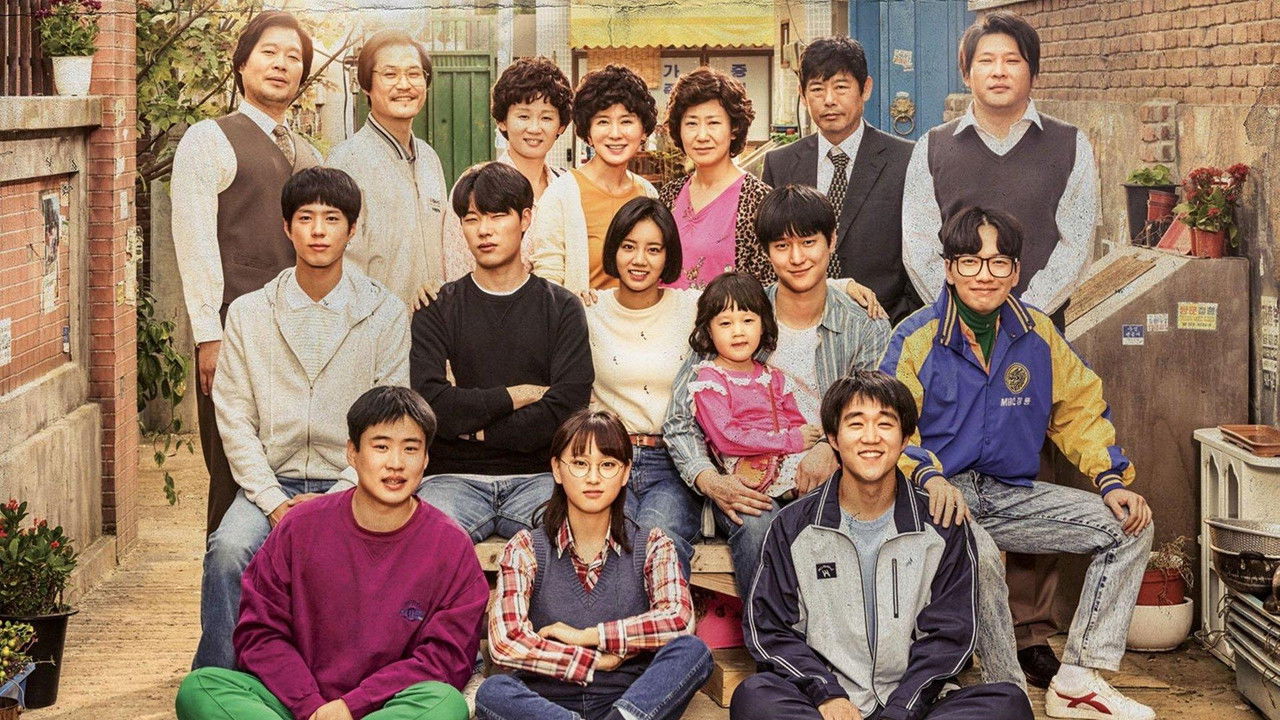
Walking through the narrow alleys of Seongbuk-dong on a crisp autumn day, I often find myself thinking about the past, especially the nostalgic warmth captured in Reply 1988 (응답하라 1988). This K-drama, which first aired in 2015, offers a slow but rewarding slice of life that continues to resonate with viewers even today. With a TMDB rating of 8.784, it's clear that there’s something special about this series that keeps bringing people back.
Character-Driven Storytelling
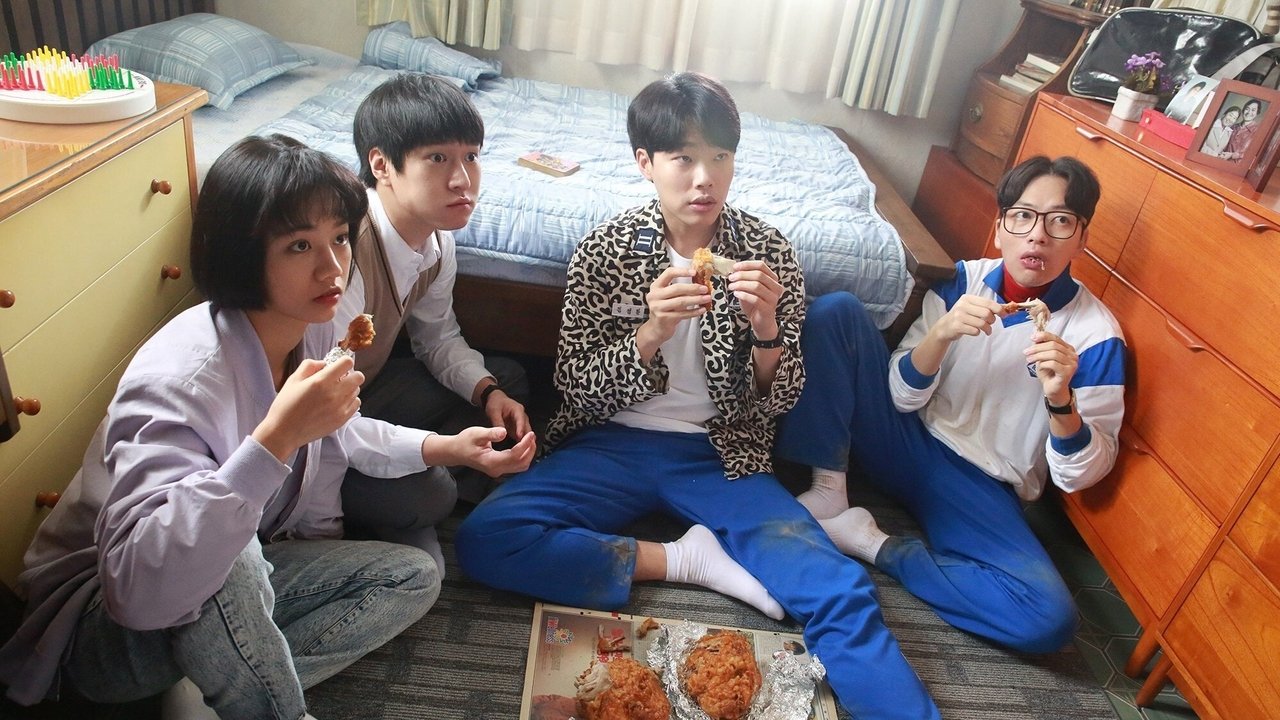
At the heart of Reply 1988 are five families living in a tight-knit neighbourhood, depicted with such authenticity that viewers feel like they are part of the community. The series revolves around the lives of five teenage friends: Sung Deok-sun (played by Lee Hye-ri), Kim Jung-hwan (Ryu Jun-yeol), Choi Taek (Park Bo-gum), Sung Sun-woo (Go Kyung-pyo), and Ryu Dong-ryong (Lee Dong-hwi), whose experiences reflect the challenges and joys of adolescence.
Nostalgia and Cultural Reflection
The late 1980s, a time of significant change in Korea, serves as the backdrop for the series. While the plot does not hinge on major historical events, it delicately portrays everyday life, family dynamics, and the simple joys of youth. Episodes showcase the characters bonding over banchan (side dishes) and fierce competition in the baduk (Go) games, which resonate deeply with anyone who has spent time in Korea's intimate, familial settings.
- Realism: The show’s authenticity strikes a chord, depicting real struggles and triumphs that many viewers can relate to.
- Humour: Moments of humour are precisely timed, lightening the emotional weight of the narrative.
- Relationships: The exploration of friendships and family ties evokes a sense of longing for simpler times.
The Cast's Impact
The performances in Reply 1988 add layers to every moment. Lee Hye-ri’s portrayal of Deok-sun as the awkward yet endearing main character shines, while Park Bo-gum’s Choi Taek provides a gentle contrast with his quiet strength. Ryu Jun-yeol’s Kim Jung-hwan offers moments of depth that keep the audience invested in his character's journey. It’s easy to see why this ensemble cast has gone on to achieve significant acclaim in their subsequent projects.
Why Slow Drama Works
In an era where fast-paced storytelling often dominates TV, the slower narrative pace of Reply 1988 is both a blessing and a challenge. The beauty of the show lies in its ability to take its time, allowing viewers to soak in the details of daily life. Here are a few reasons why this may be more appealing now than ever:
- Escapism: As life gets busier, audiences crave the simplicity portrayed in the show.
- Emotional Connection: The slow build-up allows viewers to form a deeper connection with the characters.
- Relatability: The mundane yet poignant aspects of life speak to universal experiences, making the series timeless.
Reception and Ranking
Despite its slow pace, Reply 1988 has consistently topped rankings and remains a favourite among both critics and fans. Its relatability and warmth resonate particularly well with audiences who perhaps find themselves yearning for a sense of community. Notably, its success has helped pave the way for future slow-burn dramas in the Korean landscape.
Comparisons to Other Dramas
While dramas like Crash Landing on You or Itaewon Class have gained popularity through high-stakes plots and romance, Reply 1988 offers something uniquely comforting. The focus on character-driven storytelling and genuine relationships makes it stand apart in a sea of flashier alternatives. Viewers seeking a deeper connection may find themselves coming back to this series time and again.
Conclusion: A Timeless Classic
In a rapidly evolving entertainment industry, it’s refreshing to see how Reply 1988 remains relevant. Its authentic portrayal of friendship, love, and family, combined with a nostalgic backdrop, has solidified its status as a classic. Whether you’re watching it for the first time or revisiting the episodes, there’s a rich tapestry of emotions to explore.
The slow pace, while a potential barrier for some, ultimately invites audiences to reflect on their own lives, making the show an enduring favourite. What are your thoughts on slow-paced dramas in today’s fast-paced world? And if you’ve seen Reply 1988, which moments resonated with you the most?
Images sourced from TMDB. This post uses the TMDB API but is not endorsed or certified by TMDB.