10 Anju Dishes Locals Always Order with Drinks in Seoul
Discover 10 must-try anju dishes that locals enjoy with drinks in Seoul's lively food scene, from spicy to savory options.
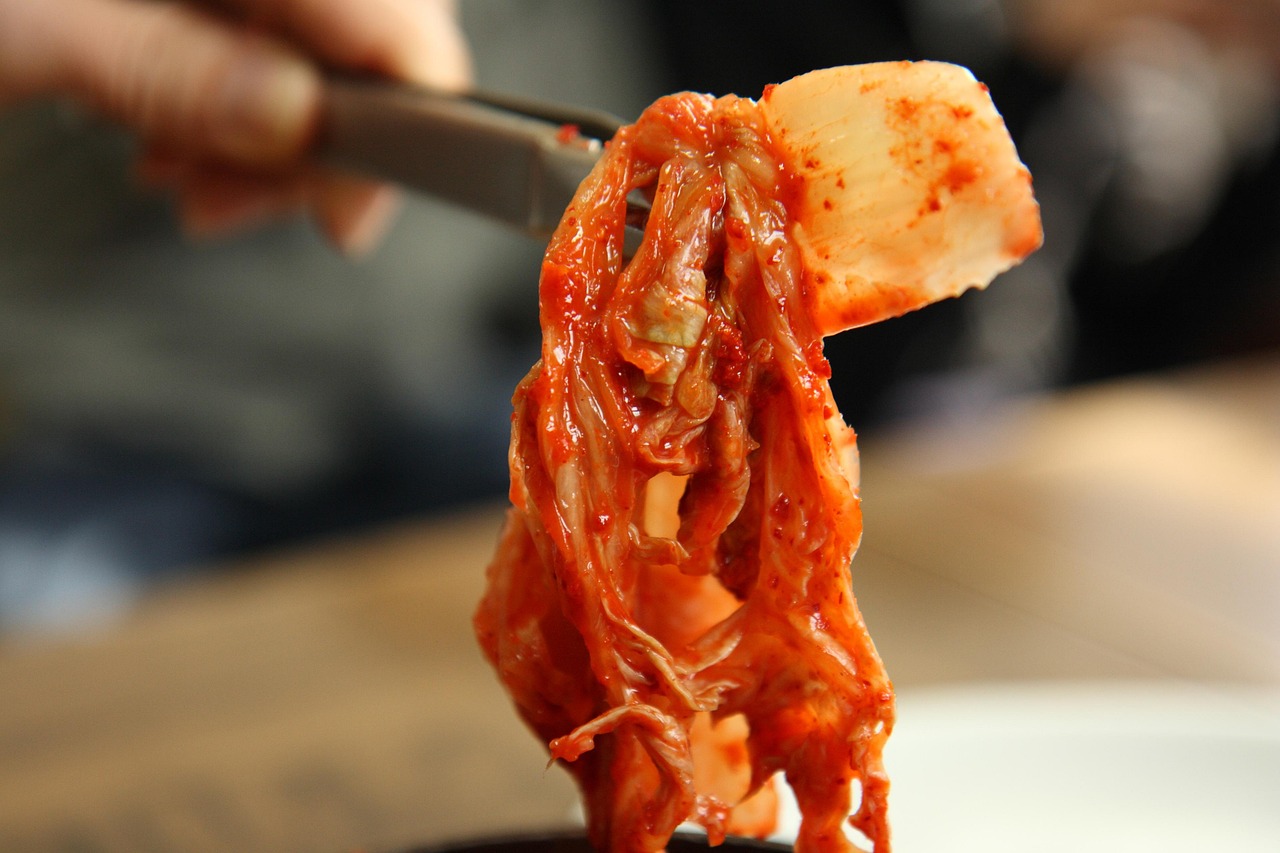
There’s something uniquely satisfying about pairing drinks with food in Korea. Living in Seoul, I’ve discovered that anju, or drinking food, plays a significant role in social gatherings, particularly during nights out in neighbourhoods like Itaewon and Hongdae. As I’ve explored different bars and restaurants, I’ve found certain dishes consistently popping up on tables, ordered by locals looking to enhance their drinking experience.
While some may argue that anju is simply a way to soak up alcohol, I believe the right dish can elevate your entire night. Here are ten anju dishes that are popular among locals and worth trying.
1. Tteokbokki (떡볶이)
This spicy rice cake dish is a street food staple that you’ll find at many casual eateries and bars. Served in a sweet and spicy sauce, tteokbokki is often accompanied by fish cakes and boiled eggs. Prices typically range from 6,000 won (about $5) to 8,000 won ($7) depending on the portion size. It’s a comforting choice that pairs well with soju.
I often visit the famous Tteokbokki Alley in Sindang-dong, known for its variety of tteokbokki stalls. A popular spot is Mukshidonna, where you can customize your dish with various toppings like cheese and extra fish cakes, which adds another layer of flavour. The atmosphere is lively, filled with the sound of sizzling pans and laughter, making it a great spot to start your night.
2. Pajeon (파전)
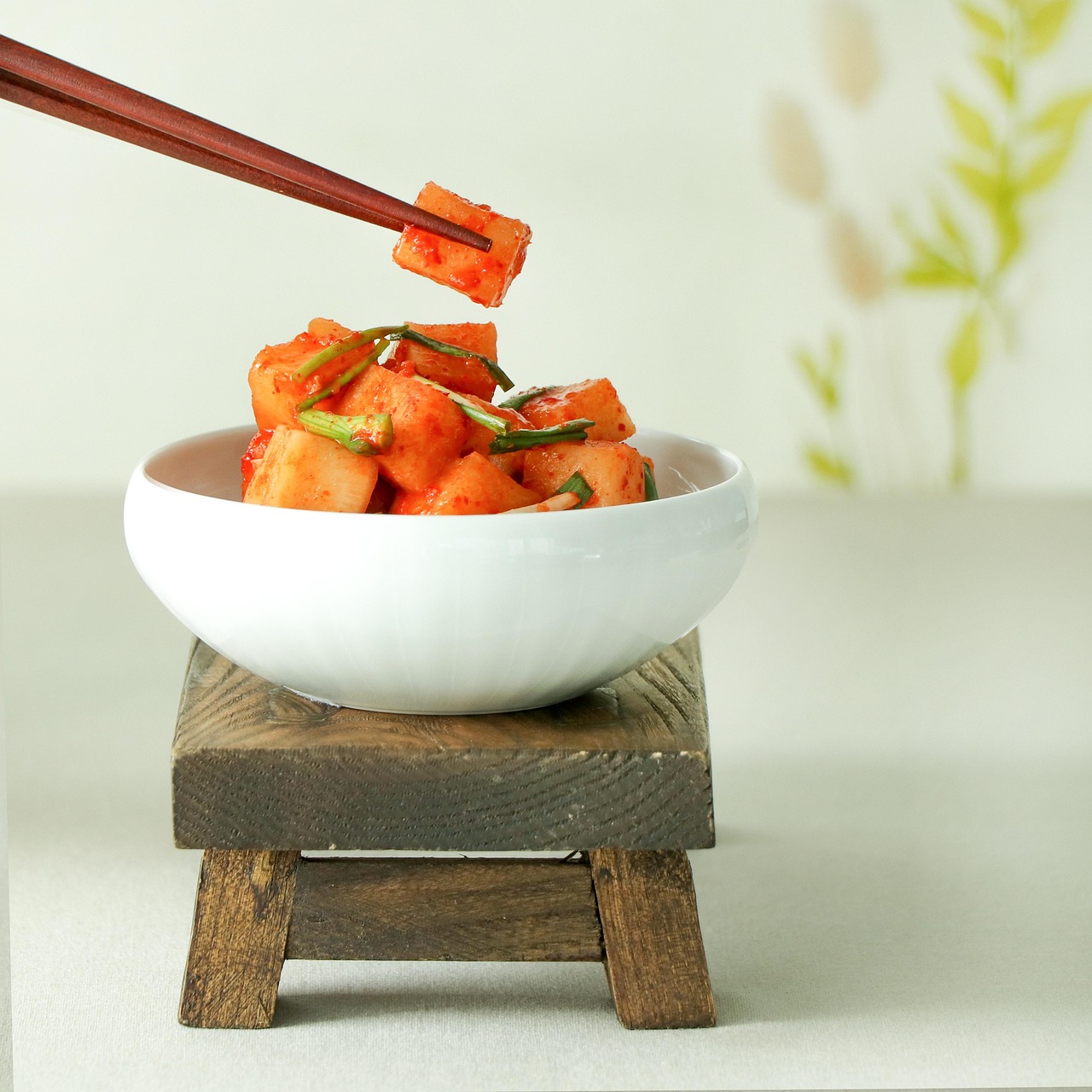
Pajeon, or green onion pancake, is another popular anju choice. The crispy edges and soft centre make it a delightful accompaniment to drinks. You can often find it at traditional Korean pubs, with prices ranging from 10,000 won ($8) to 15,000 won ($12). Don’t forget to dip it in the soy sauce mixture for the best flavour.
In areas like Seongsu-dong, I recommend trying the pajeon at a local place called Hanok Jip. Their version is particularly crispy, and the generous amount of green onions really enhances the taste. Pair it with a bottle of makgeolli (rice wine) for a traditional experience. The combination of the savoury pancake and the slightly sweet, fizzy makgeolli is truly special.
3. Fried Chicken (치킨)
While fried chicken is globally loved, Korean fried chicken has its own unique twist, often served with a variety of sauces like gochujang (red chili paste) or soy garlic. It usually costs around 15,000 won ($12) for a small serving. Pair it with a cold beer for a true Korean experience.
One of my go-to spots for fried chicken is Kyochon Chicken in Gangnam. Their double-fried chicken technique makes every bite extra crispy, and I particularly enjoy the honey garlic sauce. On busy weekends, Kyochon can fill up quickly, so consider going slightly earlier or later to avoid the rush. You can also order a side of pickled radish, which balances the richness of the chicken.
4. Sundubu-jjigae (순두부찌개)
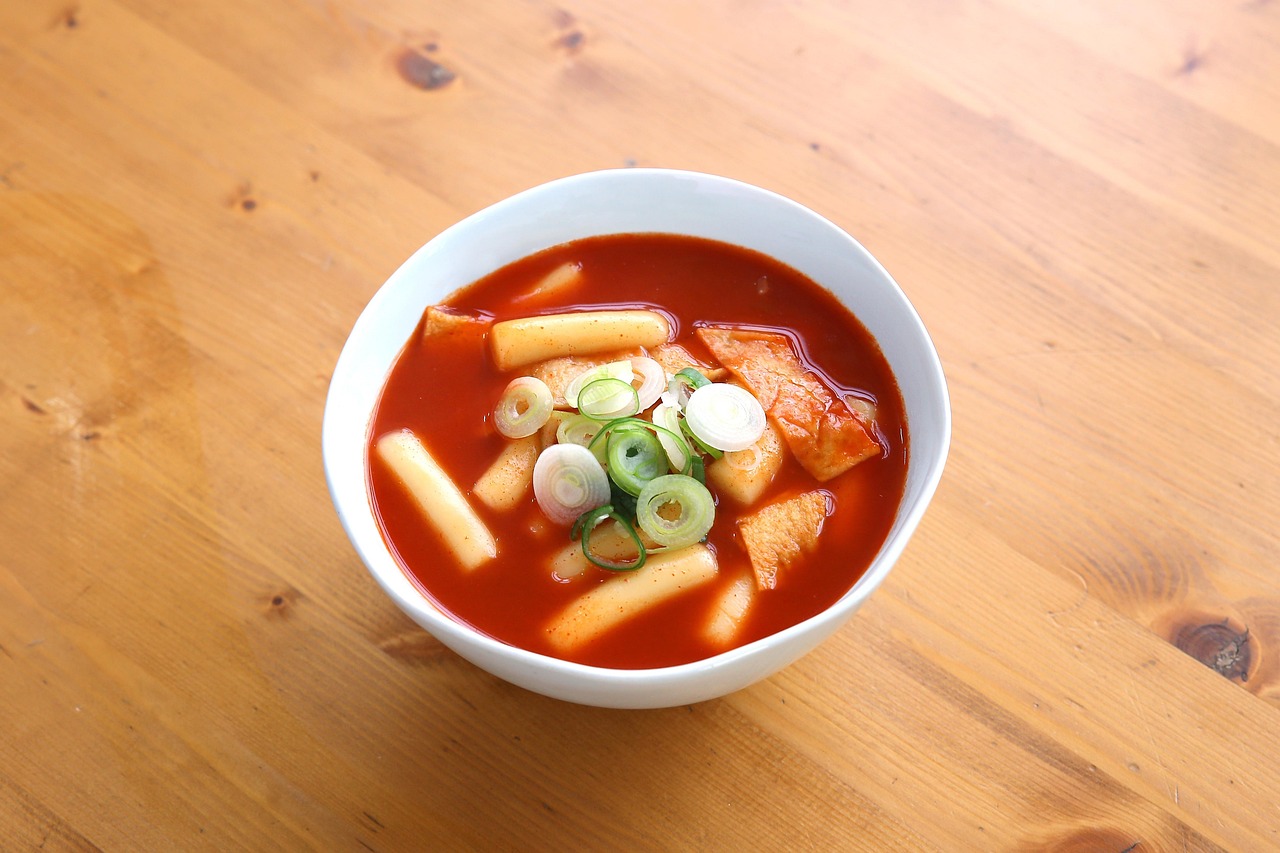
This spicy soft tofu stew is a comfort food that many locals enjoy. It’s hearty and warming, making it a great choice for colder nights. Expect to pay around 8,000 won ($7). The spice level can be adjusted to your preference, and it’s often enjoyed alongside a bottle of soju.
The best sundubu-jjigae I’ve tasted is at a small restaurant in Hongdae called Banchan, which specializes in traditional stews. The dish comes bubbling hot in a stone pot, with a side of rice and various banchan (side dishes). The rich, flavourful broth combined with the soft tofu creates a delightful contrast that makes it perfect for sharing over drinks.
5. Bossam (보쌈)
Bossam, or boiled pork belly, is a more substantial anju option that many enjoy sharing. Typically served with cabbage leaves and various condiments, a serving can cost around 20,000 won ($17). This dish is especially good with makgeolli (Korean rice wine), creating a perfect balance of flavours.
For a fantastic bossam experience, head to Wangbijib in Myeongdong. The pork belly is cooked to perfection, incredibly tender and flavourful. Eating it wrapped in cabbage with a dollop of ssamjang (a thick, spicy paste) makes for a satisfying bite. You can even mix it up with some kimchi for an added kick.
6. Oysters (굴)
Fresh oysters are a seasonal delight in Korea, particularly during the winter months. Served raw or grilled, they are often enjoyed with a splash of lemon and a side of dipping sauce. Prices can vary, but expect to pay around 25,000 won ($21) for a plate at specialty seafood restaurants. Oysters pair incredibly well with a glass of soju or beer.
If you’re in the mood for oysters, I suggest visiting Noryangjin Fish Market. You can select live oysters directly from the vendors, and they will prepare them for you on the spot. This experience is both fun and delicious; enjoying fresh oysters while soaking in the bustling atmosphere of the market is unforgettable.
7. Nakji-bokkeum (낙지볶음)
This spicy stir-fried octopus dish is a favourite among many. The chewy texture of octopus combined with the spicy sauce makes it an exciting dish to order. Usually priced between 15,000 won ($12) and 20,000 won ($17), it’s perfect when shared with friends over drinks.
A visit to the alley near Gwangjang Market will lead you to some fantastic nakji-bokkeum spots. One of my favourites is Nakji Alley, where various stalls serve this dish with differing spice levels. Pairing it with a refreshing beer makes the spice more manageable while enhancing the flavours of the octopus.
8. Gimbap (김밥)
While more of a general snack than a dedicated anju, gimbap is commonly ordered in bars as a light option. These seaweed rice rolls can come with a variety of fillings, and a roll typically costs about 4,000 won ($3). Its mild flavour makes it an easy pairing with most alcoholic beverages.
For a quick and satisfying bite, try the gimbap at Gimbap Cheonguk, found in many parts of Seoul, including Yeonnam-dong. Their tuna gimbap is particularly popular, and it’s perfect for those who prefer something less heavy. It’s easy to share, making it an excellent choice for social settings.
9. Jokbal (족발)
Jokbal, or braised pig's trotters, is another dish that might raise eyebrows but is beloved by many. Served with a sweet soy sauce, it’s often enjoyed with friends and pairs well with beer. A portion usually costs around 25,000 won ($21), making it a more indulgent option for a night out.
When I’m in the mood for jokbal, I head to a well-known restaurant in Itaewon called Hanam Pig’s Feet. The meat is incredibly tender, and the accompanying sauces are a delight. Eating jokbal is all about enjoying the texture, and the combination of flavours makes it a worthy indulgence to share with a group.
10. Yangnyeom Gejang (양념게장)
This marinated raw crab dish is quite a delicacy, often seen as a special treat. It’s usually served with rice and can cost upwards of 30,000 won ($25) depending on the size. The sweet and salty flavours make it a unique pairing for soju, but be mindful that it’s not for everyone.
For an authentic gejang experience, I recommend visiting Gejang House in Gangbuk. The marination process results in a rich flavour and tender crab. It’s common to order this dish as a shared experience, so gathering a few friends makes it even better. The sweetness of the crab contrasts beautifully with the soju, making it a memorable combination.
FAQ
What is anju?
Anju refers to Korean food that is specifically enjoyed while drinking alcohol. It can range from light snacks to heartier dishes, enhancing the drinking experience.
How do I choose the right anju?
Choosing an anju depends on your personal taste and the type of alcohol you are drinking. Spicy dishes often pair well with soju, while lighter foods go better with beer or makgeolli.
Are there vegetarian options for anju?
Yes, vegetarian options like gimbap and pajeon are widely available. Many places offer a variety of anju that cater to different dietary preferences.
Is anju expensive?
The price of anju varies depending on the dish and location, but most options fall within a reasonable range of 4,000 won ($3) to 30,000 won ($25).
Where can I find the best anju in Seoul?
Some of the best places for anju include Gwangjang Market for traditional dishes and areas like Itaewon and Hongdae for more modern interpretations. Exploring these neighbourhoods will give you a wide range of options.
Conclusion
These ten anju dishes represent just a snapshot of what locals enjoy while sipping their drinks in Seoul. Whether you’re in the mood for something spicy like tteokbokki or something a bit more adventurous like yangnyeom gejang, there’s something for everyone. The best part is that these dishes foster sharing and conversation, making any night out feel more communal.
Next time you’re out in Seoul, consider trying one of these anju options to enhance your drinking experience. What is your favourite anju dish, or is there one I missed?