A Journey to Jeonju Gajok Hoegwan for Original Bibimbap
Discover the authentic taste of Jeonju Gajok Hoegwan's bibimbap and why it's a must-try for food lovers visiting Korea. A true culinary pilgrimage.
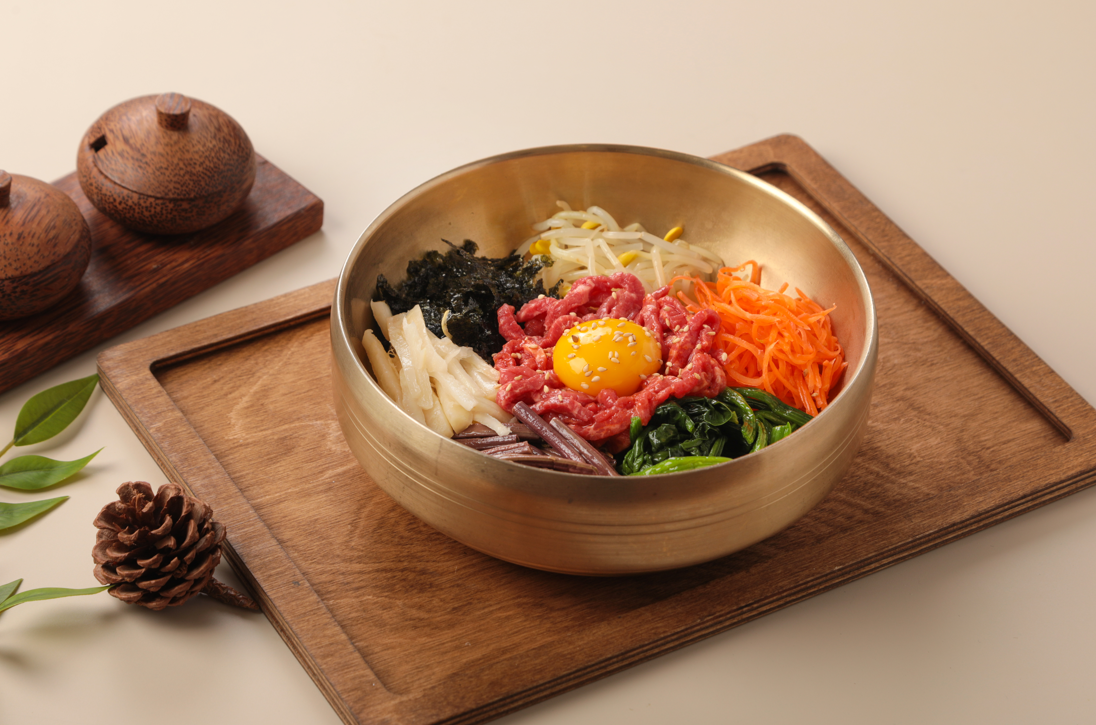
Seoul is a city brimming with culinary delights, and among the many dishes that capture the attention of food lovers, bibimbap stands out as a quintessential favorite. This colorful dish is more than just a meal; it’s a reflection of Korea’s rich culinary heritage. Recently, I took a trip to Jeonju, known as the birthplace of bibimbap, specifically to visit Jeonju Gajok Hoegwan, a restaurant that has garnered significant acclaim for its original bibimbap. I was eager to assess whether this culinary legend truly lives up to its reputation.
Jeonju's recognition as a UNESCO Creative City of Gastronomy in 2012 highlights its commitment to preserving traditional culinary practices while encouraging innovation. This status adds to its allure as a must-visit destination for anyone passionate about Korean food. The journey to Jeonju is not just a trip; it’s a culinary pilgrimage that many food enthusiasts make when seeking the true essence of bibimbap.
Getting There
Traveling from Seoul to Jeonju is relatively straightforward. The quickest option is to take the KTX high-speed train from Seoul Station, which takes approximately 1 hour and 40 minutes. The ticket price is around 50,000 won (approximately $40), which is a reasonable expenditure given the speed and comfort of the service. Upon arriving at Jeonju Station, there are several convenient options for getting around the city, including local buses and taxis. Jeonju Gajok Hoegwan is conveniently situated near Jeonju Hanok Village, a charming area lined with traditional wooden houses, allowing for a pleasant exploration after your meal.
The Restaurant Experience
Upon entering Jeonju Gajok Hoegwan, you’re immediately enveloped by the warmth of traditional Korean hospitality. The restaurant features a modest yet charming interior adorned with wooden beams and local art that reflects Jeonju's cultural heritage. This setting provides a welcoming atmosphere for diners. The menu, while concise, focuses primarily on bibimbap, showcasing its various forms. I opted for the original bibimbap, which is priced at 12,000 won (around $9), an exceptional value for such quality.
What Makes It Original?
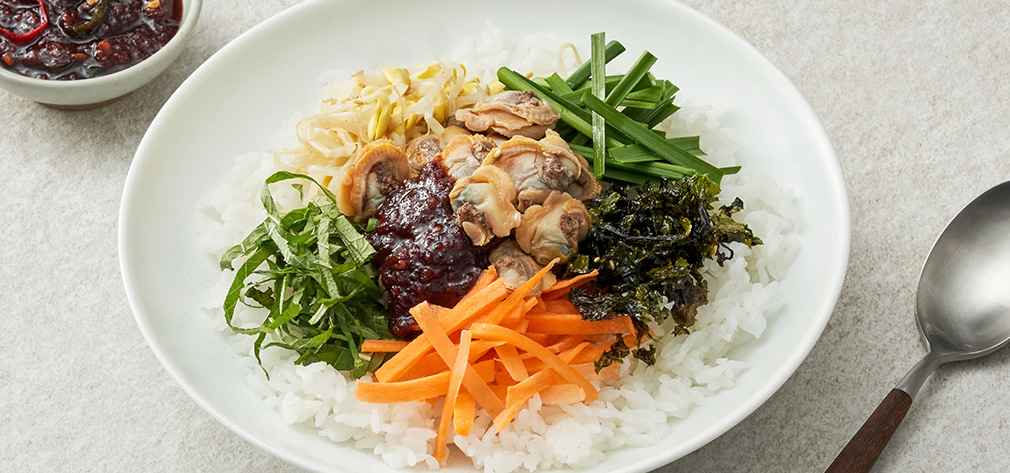
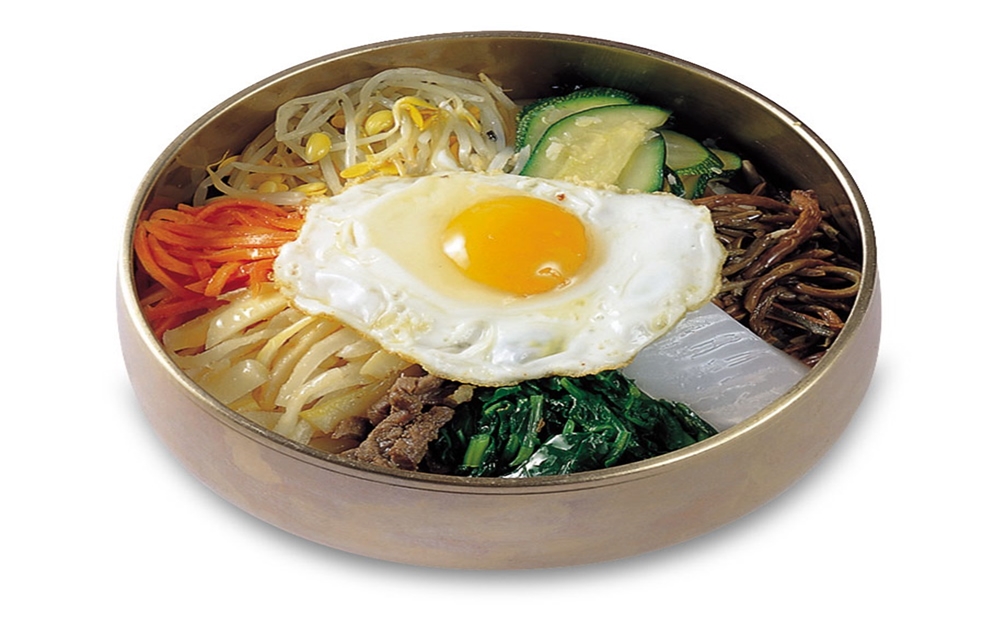
The hallmark of Jeonju bibimbap lies in its ingredients and meticulous preparation. Each bowl is a carefully curated arrangement of colorful, seasoned vegetables, rice, and gochujang (red pepper paste), often topped with a perfectly fried egg and beef. The vegetables are fresh and vibrant, reflecting the seasonal bounty of the region, while the rice is always freshly cooked, providing a perfect base for mixing.
One standout element of Jeonju bibimbap is the use of local perilla oil, which adds an aromatic and nutty flavor. This oil comes from perilla seeds, which are native to the region, and it significantly enhances the dish’s overall taste. This small detail may seem insignificant, but it contributes to the unique flavor profile that sets Jeonju bibimbap apart from its counterparts.
A Closer Look at the Ingredients
- Rice: Jeonju bibimbap typically uses short-grain rice that is fluffy and slightly sticky, making it easy to mix with other ingredients.
- Vegetables: Commonly included vegetables are spinach, carrots, zucchini, mushrooms, and bean sprouts. Each vegetable is seasoned individually, enhancing its natural flavors and ensuring that every bite is delightful.
- Protein: While beef is often the protein of choice, some variations may include chicken, tofu, or even seafood, providing options for various dietary preferences.
- Fried Egg: A perfectly fried egg with a runny yolk adds richness and creaminess to the dish, enhancing its overall texture and flavor.
The Taste Test
When my bibimbap arrived, the vibrant colors of the vegetables immediately caught my eye. Mixing everything together, I took my first bite, and it was nothing short of exceptional. The freshness of the vegetables combined harmoniously with the nutty flavor of the perilla oil, creating a delightful balance. The gochujang provided a gentle heat that complemented the other components without overwhelming them. The texture of the rice was also noteworthy—each grain distinct and hearty, providing both satisfaction and comfort.
This experience led me to reflect on a common question: Does the hype surrounding Jeonju bibimbap genuinely reflect its quality? In this case, I would assert that it absolutely does. However, I am also aware that many restaurants in Seoul offer excellent versions of bibimbap that merit consideration. This raises an interesting question about whether one should exclusively travel to Jeonju for this dish or if local alternatives can equally satisfy one’s craving.
Atmosphere and Service
The atmosphere at Jeonju Gajok Hoegwan strikes a balance between casual and refined. The staff members are attentive, ensuring a pleasant dining experience without being intrusive. It’s evident that the restaurant is popular, as it was bustling with both locals and tourists during my visit. The layout allows for comfortable dining, creating a space where patrons can enjoy their meals without feeling cramped or rushed.
The Cultural Context of Bibimbap
Understanding bibimbap requires a look beyond just the ingredients and preparation. This dish is steeped in cultural significance, often associated with Korea’s agrarian roots. Traditionally, bibimbap was a way for farmers to use up leftover vegetables and rice, symbolizing the importance of resourcefulness in Korean cooking. This context adds another layer to the experience of eating bibimbap in Jeonju, where the dish is celebrated in its original form.
Moreover, the communal aspect of bibimbap reflects Korean dining culture. The act of mixing the ingredients together is a shared experience that emphasizes togetherness and community. Enjoying bibimbap in Jeonju, where it originated, allows you to appreciate the dish not just as food but as a cultural expression.
Comparison with Bibimbap in Seoul
While Jeonju bibimbap holds a special place in the hearts of many, it's worth noting that Seoul boasts an array of excellent bibimbap options that should not be overlooked. For example, Gwangjang Market, located in Jongno, is famous for its traditional food stalls, and you can find exceptional bibimbap here as well. The version served at Gwangjang often features various types of meat and additional toppings like raw egg yolk, offering a different but equally satisfying experience.
Another popular spot is the bibimbap restaurant in Gangnam called “Sinsadong Bibimbap.” Here, you can customize your bibimbap with a range of toppings, including different proteins and unique sauces, allowing for a more personalized experience. The prices are generally comparable, ranging from 8,000 to 15,000 won depending on your choices.
This variety in Seoul means that while Jeonju may be the home of the original bibimbap, food lovers in the capital can also indulge in high-quality versions that cater to diverse palates.
Final Thoughts
My visit to Jeonju Gajok Hoegwan was a genuinely rewarding experience. The original bibimbap certainly lives up to its reputation, with the combination of fresh ingredients and traditional preparation methods resulting in a dish that is both nostalgic and satisfying. The experience of dining in Jeonju, where the dish originated, adds an extra layer of appreciation that one may not fully grasp when eating bibimbap elsewhere.
While there is an undeniable charm in savoring this dish in its hometown, I would also encourage food enthusiasts to explore bibimbap options available in Seoul. Places like Gwangjang Market and Sinsadong offer delicious alternatives that reflect the diverse interpretations of this classic dish. Each version has its unique flair, and they all contribute to the rich tapestry of Korean cuisine.
If you’re contemplating a culinary pilgrimage, I highly recommend making your way to Jeonju to experience the original bibimbap firsthand. It’s an opportunity to appreciate not just the dish but also the cultural significance that surrounds it. In the upcoming post, I will delve into some of the best bibimbap spots in Seoul, comparing them to my experience in Jeonju and examining how they stack up against this beloved Korean staple.
FAQ
How do I get to Jeonju from Seoul?
The fastest way to reach Jeonju from Seoul is by taking the KTX train from Seoul Station, which takes about 1 hour and 40 minutes. Tickets cost around 50,000 won (approximately $40).
What should I order at Jeonju Gajok Hoegwan?
While the restaurant is known for its original bibimbap, you can also explore variations that may include different proteins like chicken or tofu. The original bibimbap is a must-try, priced at 12,000 won.
Is Jeonju bibimbap different from what I can find in Seoul?
Yes, Jeonju bibimbap is known for its use of local ingredients, particularly perilla oil, which adds a unique flavor. While Seoul offers many excellent bibimbap options, Jeonju’s version is considered the original and often features fresher, seasonal ingredients.
Can I visit other attractions near Jeonju Gajok Hoegwan?
Absolutely. The restaurant is located near Jeonju Hanok Village, where you can explore traditional Korean architecture and culture. This area is perfect for a leisurely stroll after your meal. Other attractions include the Jeonju National Museum and the Jeonju Traditional Wine Museum.
Is it worth traveling to Jeonju just for bibimbap?
Many food enthusiasts believe it's a worthwhile trip due to the cultural significance and quality of the dish. However, if you're in Seoul, there are also great bibimbap options available that you can enjoy without making the journey. Ultimately, it depends on your interest in experiencing the dish in its cultural context.
What is the best time to visit Jeonju for bibimbap?
Jeonju can be visited year-round, but spring and autumn offer particularly lovely weather for exploring the city and its attractions. Additionally, during the Jeonju International Film Festival in late April, the city becomes vibrant with both culinary and cultural activities, making it an excellent time for a visit.
Images by lovelyheewon (CC0), Chloe Lim (CC BY 2.0), Sous Chef (CC BY 2.0) via Wikimedia Commons