Anseong Tang Myun: A Guide to Korean Family Meal Traditions
Discover how Korean families truly enjoy Anseong Tang Myun, from preparation to serving. A look at this cherished dish in everyday life.
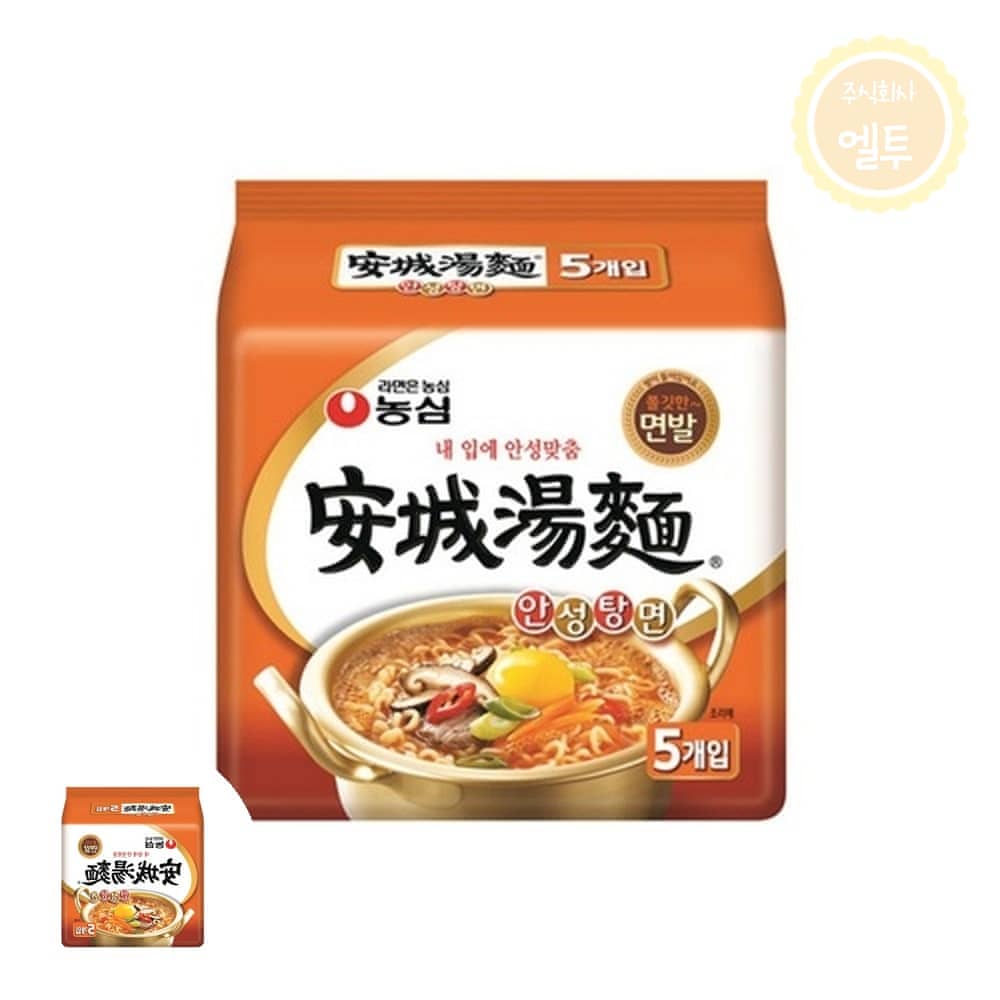
Recently, wandering through Seongsu-dong, I was struck by how the neighborhood effortlessly blends hip cafes and traditional eateries. This area is a microcosm of Seoul's evolving food culture, where the old meets the new. Among the many establishments I encountered, a small restaurant specializing in Anseong Tang Myun caught my eye. This dish, originating from the city of Anseong in Gyeonggi Province, is more than just a comforting bowl of noodle soup; it embodies the essence of Korean family gatherings and shared moments.
While Anseong Tang Myun may not make the rounds on social media as frequently as other trendy Korean dishes, it holds a cherished place in the hearts and stomachs of many. It is straightforward, nurturing, and undeniably delicious. For those unacquainted with it, the dish consists of thick wheat noodles served in a rich beef broth, adorned with a variety of toppings. In this post, I will explore how Korean families enjoy Anseong Tang Myun and why this dish deserves recognition in your own culinary repertoire.
Understanding Anseong Tang Myun
Anseong Tang Myun is characterized by its thick, chewy noodles made from high-quality wheat flour. The broth typically begins with beef bones, which are simmered for hours to extract deep flavors and create a rich, hearty base. Toppings can vary, but you will often see green onions, shiitake mushrooms, and a raw egg, all contributing to the dish's comforting warmth. At a typical local restaurant, you can expect to pay around 8,000 won (approximately $6) for a generous serving, making it an affordable yet wholesome meal.
Compared to other noodle soups like Kalguksu, which features handmade knife-cut noodles, Anseong Tang Myun's thicker noodles provide a different mouthfeel that some might find more satisfying. The richness of the broth is also a defining feature, as it tends to be more robust and hearty than lighter options such as Miyeok-guk (seaweed soup). This depth of flavor is what many families seek during colder months or on special occasions.
A Family Meal Tradition
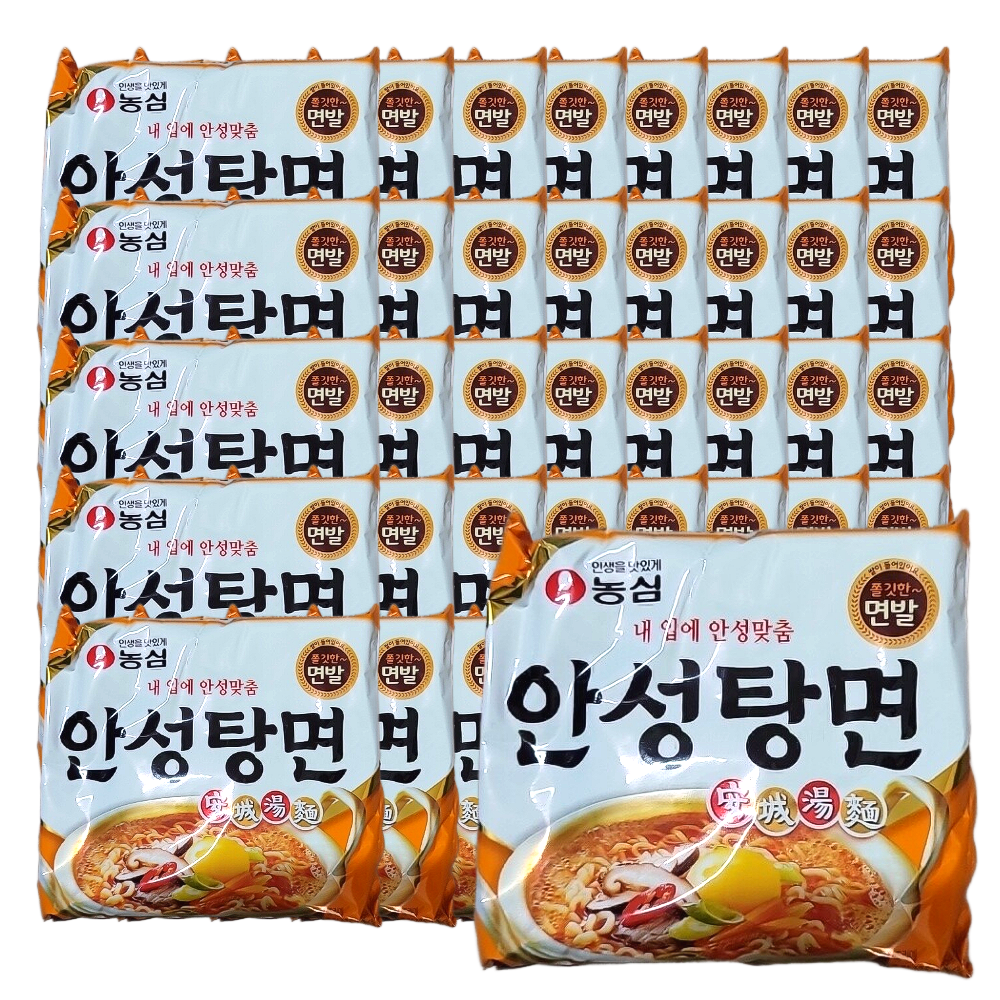
In many Korean households, food serves as a crucial connector among family members. Anseong Tang Myun is often prepared for family gatherings or special occasions, presenting itself as a dish that feels both fulfilling and nurturing, served hot straight from the pot. The act of sharing this meal fosters a sense of togetherness that is central to Korean dining culture.
Cooking at Home
Families prepare Anseong Tang Myun in different ways, yet they all share a common essence. Here are the usual steps involved in making this beloved dish at home:
- Broth Preparation: Begin with beef bones, simmering them for at least three hours to extract maximum flavor. Some families choose to use a pressure cooker, dramatically reducing the cooking time while still achieving a rich result. A simple method is to soak the bones in cold water for an hour before simmering; this draws out impurities and leads to a clearer broth.
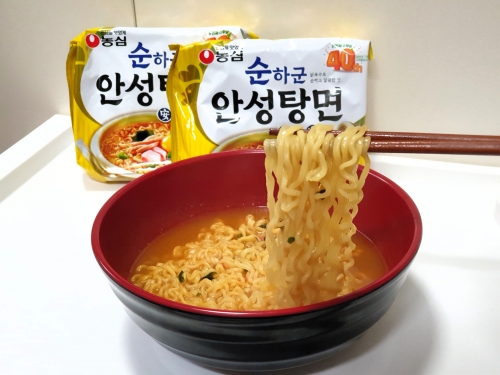
- Noodle Cooking: Use thick wheat noodles that need to be boiled separately before being added to the broth. This step is vital, as it ensures that the noodles maintain their chewy texture. A good guideline is to cook them for about 7-9 minutes until they are just tender, then drain and rinse them under cold water to stop the cooking process.
- Toppings: Common additions include sliced green onions, shiitake mushrooms, and a drizzle of sesame oil for enhanced flavor. The toppings can vary based on personal or regional preferences; some families might add spinach or even a sprinkle of roasted sesame seeds.
- Egg Addition: A raw egg cracked on top is a classic finishing touch, creating a silky texture as it cooks in the steaming broth. It’s important to wait until the soup is bubbling before adding the egg to ensure it cooks properly without becoming rubbery.
Unlike other popular Korean meals that are often presented as a communal sharing experience, Anseong Tang Myun is typically served directly from the pot. Each family member helps themselves, reinforcing the intimate and communal aspect of Korean dining that is deeply ingrained in the culture.
A Personal Touch
What sets Anseong Tang Myun apart is not only its comforting flavors but also the personal touches families add to the dish. Many families have their own secret ingredients or unique methods that make their version special, often passed down through generations. For example, some might add a few drops of Korean chili oil (yangnyeom-chili oil) for a hint of heat, while others may stir in a spoonful of gochujang (red pepper paste) for an extra kick.
Furthermore, sharing stories while cooking or eating this dish enhances the experience. Grandparents may reminisce about how they learned to make Anseong Tang Myun from their parents, emphasizing the importance of family history and traditions. This aspect of storytelling can transform each bowl of soup into a vessel of cherished memories.
When and Where to Enjoy Anseong Tang Myun
This dish is versatile and can be enjoyed at any time, but it shines during family gatherings, particularly in the colder winter months when a steaming bowl of soup brings warmth and comfort. In Seoul, several places are known for serving authentic Anseong Tang Myun:
- Seongsu-dong: This neighborhood boasts a few hidden gems that offer traditional versions of Anseong Tang Myun, reflecting the local food culture. Restaurants here often focus on fresh, high-quality ingredients, making the dining experience even more enjoyable.
- Gangnam: A couple of restaurants in Gangnam present Anseong Tang Myun, often with a modern twist, catering to the area's upscale dining scene. These establishments may incorporate artisanal noodles or gourmet broths, but the essence of the dish remains intact.
- Itaewon: Known for its diverse culinary scene, Itaewon features numerous Korean restaurants where you can find traditional dishes, including Anseong Tang Myun. The international flair of Itaewon means you might encounter unique variations or fusion takes on the classic recipe.
While exploring these neighborhoods, take the time to soak in the vibrant atmosphere. Consider pairing your bowl of Anseong Tang Myun with side dishes like kimchi or pickled radish, which are staples in Korean dining and enhance the overall meal experience. A light, tangy cabbage kimchi can beautifully complement the rich flavors of the soup.
What Makes It Special
Some may argue that Anseong Tang Myun lacks the excitement associated with more visually appealing dishes like bibimbap or tteokbokki. However, its charm lies in its simplicity and ability to evoke feelings of nostalgia. Many Korean families embrace this dish for its straightforward preparation and the comfort it provides.
Conversations with friends reveal that preferences can range widely: some opt for homemade stock while others might introduce a splash of soy sauce for a savory depth. Each family's interpretation contributes to the dish’s beloved status, marking it as a cherished family recipe that evolves over time.
Tips for Enjoying Anseong Tang Myun
If you're looking to enjoy Anseong Tang Myun, whether at home or in a restaurant, here are a few practical tips:
- Quality Ingredients: Focus on using high-quality beef bones and fresh vegetables for the broth. The better the ingredients, the richer the flavor of your soup.
- Experiment with Toppings: Don’t hesitate to experiment with different toppings. Adding seasonal vegetables or herbs can enhance the dish and make it more personal.
- Pair Wisely: When dining out, consider pairing your Anseong Tang Myun with classic Korean side dishes like kimchi or a light salad. This will balance the flavors and enhance the meal.
- Pay Attention to Noodle Texture: The noodles should be cooked just right—al dente is key. Overcooked noodles can detract from the overall experience.
- Share the Experience: If you’re dining with friends or family, encourage sharing and discussing your different takes on the dish. This will enrich the experience and create lasting memories.
FAQ
What is the origin of Anseong Tang Myun?
Anseong Tang Myun hails from the city of Anseong, located in Gyeonggi Province, South Korea. It is a traditional dish that reflects the regional flavors and cooking techniques characteristic of this area.
Can I find vegetarian options for Anseong Tang Myun?
While traditional Anseong Tang Myun features beef broth, some restaurants may offer vegetarian versions using vegetable stock. It is advisable to inquire at your chosen restaurant for available options.
How long does it take to make Anseong Tang Myun at home?
Preparing Anseong Tang Myun at home can take around three to four hours, primarily due to the broth preparation. However, using a pressure cooker can significantly reduce this time while maintaining depth of flavor.
What are some suitable side dishes to serve with Anseong Tang Myun?
Common side dishes include kimchi, pickled radish, and other banchan (side dishes) like seasoned spinach or marinated bean sprouts, which complement the flavors of the soup.
Is Anseong Tang Myun popular in South Korea?
While not as widely recognized as other Korean dishes, Anseong Tang Myun enjoys a loyal following among those who appreciate its comforting taste and the familial traditions associated with it.
How can I make Anseong Tang Myun more exciting?
To add excitement to your Anseong Tang Myun, consider introducing new toppings such as grilled meats or spicy seasoning. You can also serve it with a variety of dipping sauces to personalize the flavor.
Can Anseong Tang Myun be frozen for later use?
While the noodles may not freeze well, the broth can be frozen for later use. Just be sure to separate the noodles before freezing and cook fresh noodles when you’re ready to enjoy the soup again.
Conclusion: A Dish Worth Trying
In a culinary landscape where trendy foods often overshadow traditional dishes, Anseong Tang Myun serves as a poignant reminder of the importance of family and shared experiences. Whether you seek it out at a local restaurant or decide to prepare it at home, Anseong Tang Myun has the potential to warm both your body and your heart. Next, I will delve into the world of Korean hot pots and explore how they fit into the winter dining culture here in Seoul.
Images by nicehee0610, nicehee0610, misjang70 via Pixabay