Chapagetti at Home: Tips Koreans Don’t Share
Discover insider tips for making Chapagetti at home that Koreans swear by. Elevate your instant noodles with these simple hacks.
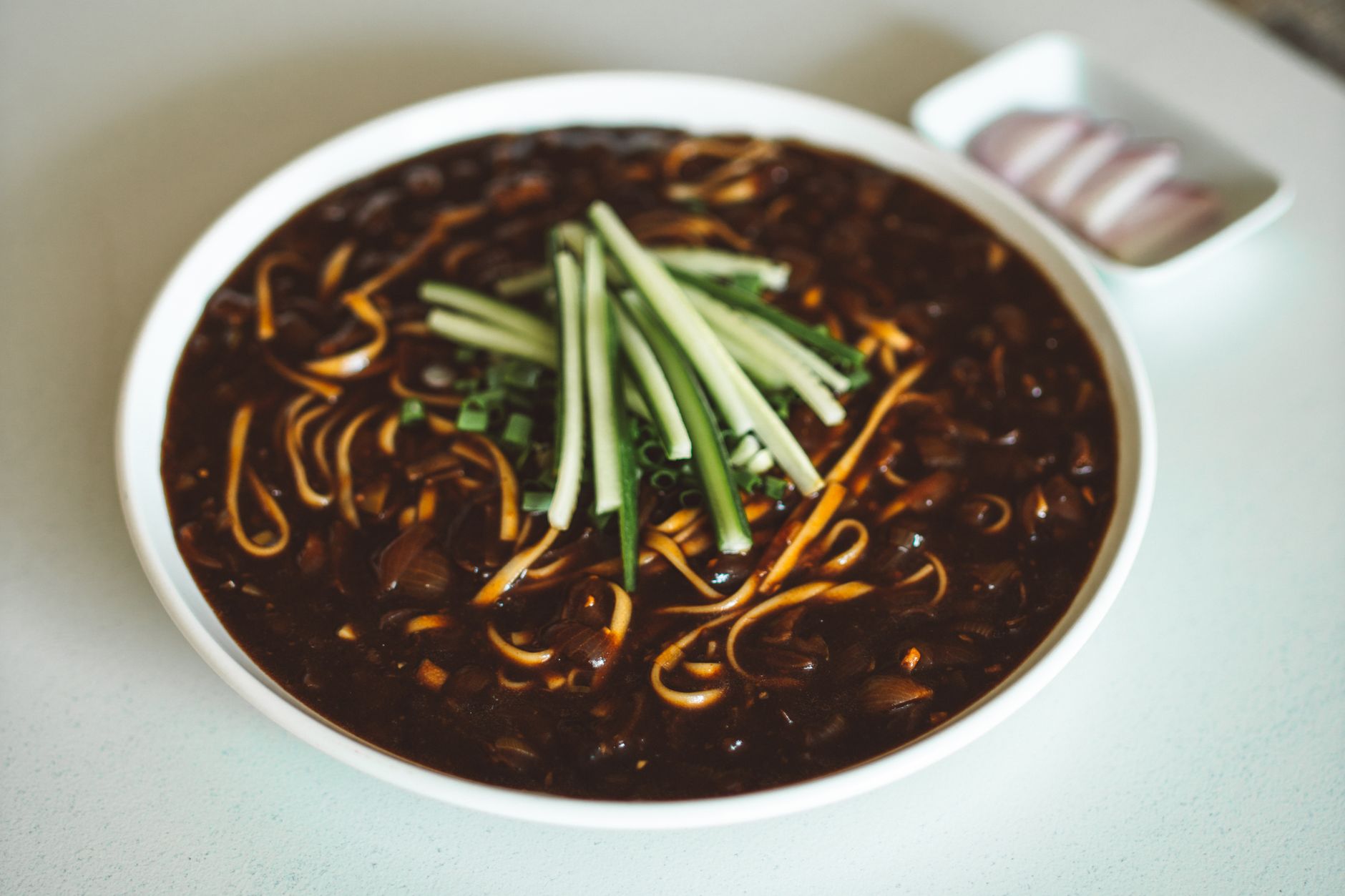
Walking through the bustling streets of Yeonnam-dong, you’ll often catch whiffs of something familiar: the spicy, umami scent of Chapagetti, a beloved instant noodle dish in Korea. It’s not just another meal; for many, it’s a late-night indulgence, comfort food, or a quick dinner solution. But while it’s easy to grab a packet from the shelf at Olive Young (around 2,000 won or $1.50), there are ways to elevate your Chapagetti experience at home that many locals might not share.
Understanding Chapagetti
Chapagetti, a product of the popular brand Nongshim, is essentially a combination of black bean sauce and noodle soup. It has a unique flavor profile that combines sweet, salty, and slightly spicy notes, making it quite different from other instant noodles. Its convenience and the nostalgic memories it evokes have made it a staple in countless Korean households. Although it may seem simple, there’s a whole world of flavor that can be enhanced with this dish.
Getting Started
Before diving into the tips, let’s quickly go over the basics. To prepare Chapagetti, you boil the noodles for about 4-5 minutes, drain, and then mix in the seasoning packet. However, there’s so much more you can do to upgrade this basic method.
1. Add Fresh Vegetables
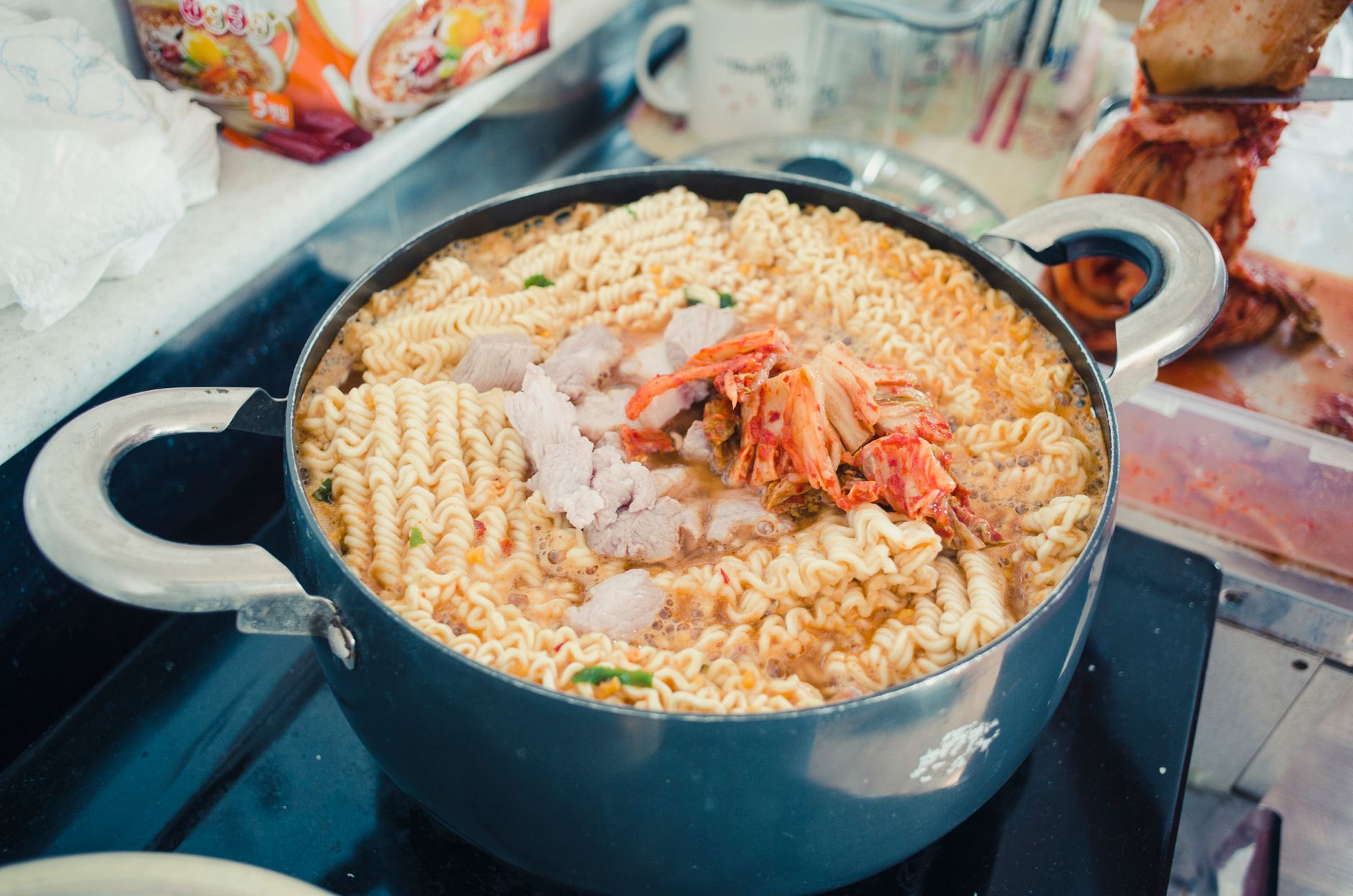
One common practice among Koreans is to add fresh vegetables to the dish, transforming it into a more balanced meal. Here are a few suggestions based on my own experiences:
- Green Onions: A handful of chopped green onions can add a fresh crunch and aroma. In places like Gwangjang Market, you can buy a bundle for about 1,000 won (less than $1).
- Carrots: Thinly sliced or julienned, they provide sweetness and color. You can usually find a bag of pre-cut carrots at H Mart for 1,500 won (around $1.20).
- Spinach: A small handful, added towards the end of cooking, will wilt nicely without losing nutrition. Fresh spinach can cost around 2,000 won (about $1.50) at local grocery stores.
- Mushrooms: Shiitake or enoki mushrooms can add an earthy richness. A small pack of enoki mushrooms can be found for about 1,800 won (around $1.40) at a nearby market.
Adding these vegetables not only enhances the flavor but also boosts the nutritional value of your meal, making it a more wholesome option. For instance, in my last bowl of Chapagetti, I added diced carrots and a handful of spinach from a local Mart in Itaewon, and the result was refreshing.
2. Protein Power
To turn your Chapagetti into a more filling meal, consider adding protein. Here’s what I’ve tried and recommend:
- Egg: A fried or poached egg on top is a classic move that adds richness. You can get a dozen eggs for around 5,000 won ($4). This is a straightforward way to add depth to the dish.
- Tuna: A can of tuna mixed in brings a different texture and flavor. Canned tuna is often on sale at Lotte Mart for about 2,000 won (around $1.50).
- Spam: Diced and lightly fried, Spam can give that salty kick many crave. A pack of Spam costs around 3,000 won ($2.50) and can be used in various dishes.
These protein additions can be found at most H Mart locations and local markets, available for reasonable prices. During a recent dinner with friends in Gangnam, we topped our Chapagetti with fried Spam, and the salty richness transformed the dish into something memorable.
3. Saucy Enhancements
If you think the seasoning packet is all there is, think again. Koreans often use additional sauces to elevate their Chapagetti. Here are some sauces I frequently experiment with:
- Sriracha: A drizzle can add heat without overpowering the original flavor. A bottle can be purchased at Olive Young for around 3,500 won ($3).
- Sesame Oil: A few drops can provide a nutty aroma and more complexity to the dish. A small bottle costs about 4,000 won ($3.20) at most supermarkets.
- Gochujang: For those who love a sweet and spicy kick, a teaspoon can work wonders. You can find this red pepper paste for as low as 2,500 won ($2).
These condiments are typically available in any Korean grocery store, and they can truly transform your basic bowl of noodles into something special. The gochujang is particularly versatile; I often use it when making bibimbap as well. Mixing it into my Chapagetti has become a favourite among my friends.
4. Toppings Galore
Texture is another important aspect of any meal. Adding toppings can give your Chapagetti that extra crunch and taste:
- Seaweed Flakes: Sprinkle some on top for a savoury finish. A pack of seaweed flakes is around 3,000 won ($2.50) at the supermarket.
- Fried Garlic: A handful of these adds a fragrant crunch. You can easily find a jar for about 2,500 won ($2).
- Crushed Peanuts: For a unique twist, crushed peanuts offer a surprising crunch. Costs approximately 2,000 won ($1.50) for a small bag.
These toppings are often found in small packs at local markets and can enhance your dish without breaking the bank. I discovered fried garlic at a small shop in Jongno, and since it has become a staple in my kitchen, it adds a fragrant and crunchy dimension to any noodle dish.
5. Cooking Techniques
Finally, the way you cook your noodles can make a difference. Here’s a tip that’s not commonly shared:
- Less Water: Use less water than instructed. This results in a thicker sauce and deeper flavour. Instead of the usual 600 ml, try using about 400 ml for a more concentrated taste.
- Stir-Frying: Once cooked, try stir-frying your Chapagetti instead of just mixing. Add a splash of oil in a pan and toss the noodles for a couple of minutes. It adds a delightful texture and a bit of a smoky flavour.
Experimenting with cooking techniques can lead to an entirely new experience with your noodles. I’ve found that my friends often prefer the stir-fried method, claiming it feels less like traditional instant noodles and more like a restaurant-quality dish.
6. Experiment with Regional Variations
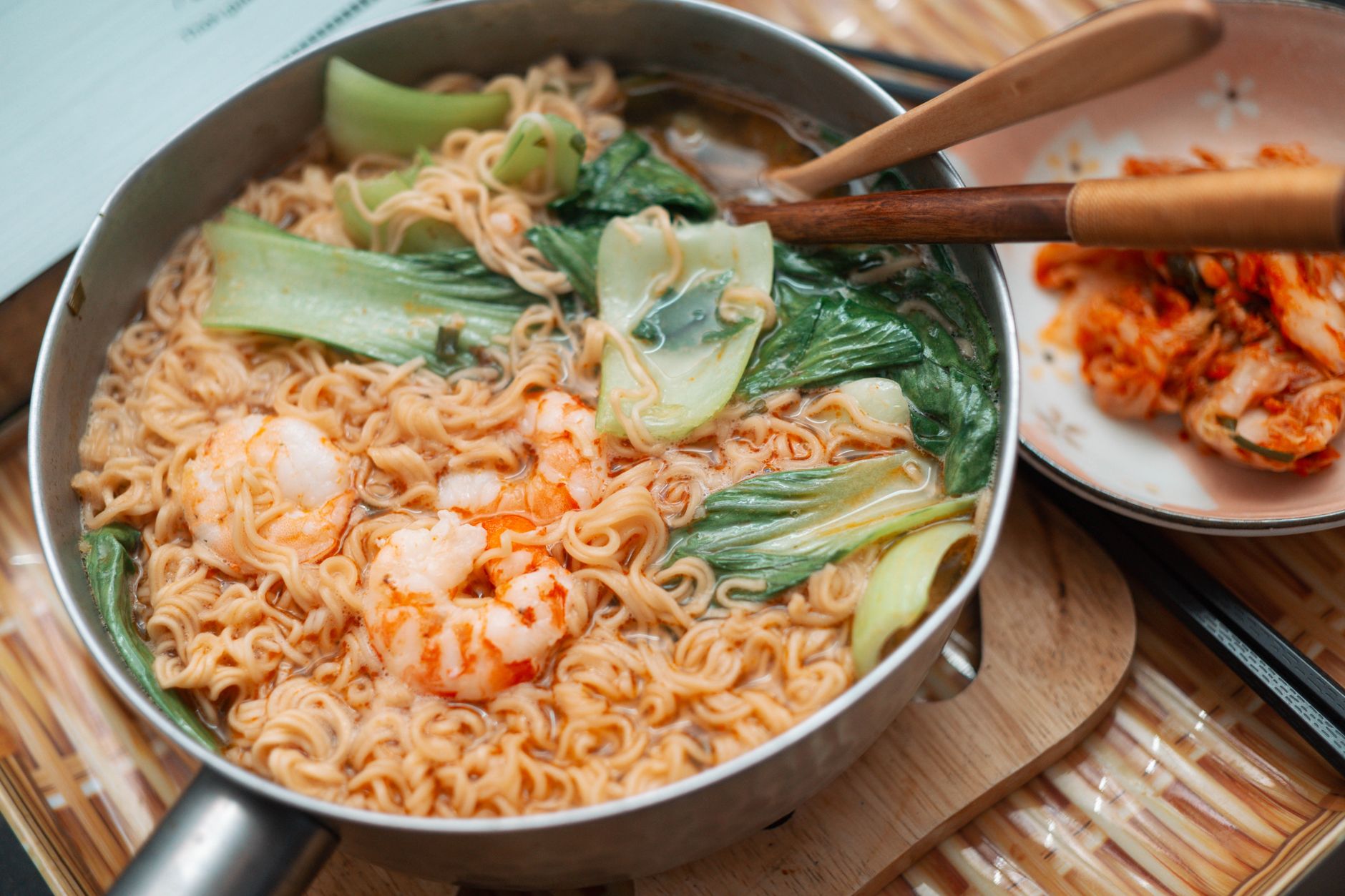
While Chapagetti is primarily associated with the black bean sauce flavor, various regions in Korea have their own takes on instant noodles. For instance, in Busan, seafood is a common addition. While you might not have access to the same ingredients, consider trying to mimic this in Seoul by adding seafood alternatives:
- Frozen Shrimp: Available at most H Mart locations for around 5,000 won ($4). Simply thaw them and toss them in during the last minute of cooking.
- Fish Cake: These are common in Korean soups and can be found at local markets for about 3,000 won ($2.50). Slice them thinly and add them to your noodle soup.
By incorporating these local flavours, you can bring a bit of that coastal Busan charm into your own kitchen in Seoul.
7. Pairing Drinks
No meal is complete without the right beverage. Pair your Chapagetti with drinks that balance the richness of the noodles:
- Barley Tea: Known as 'bori-cha' in Korea, this drink is refreshing and good for digestion. You can buy it in bottles for about 1,500 won ($1.20) at convenience stores.
- Soju: For those who enjoy a bit of alcohol, pairing with a small glass of soju can enhance the experience. A bottle is often priced around 3,500 won ($3).
These beverages can complement your meal perfectly, enhancing both your dining experience and your appreciation for Chapagetti.
FAQ
Can I make Chapagetti without the seasoning packet?
Yes, if you’re concerned about the sodium content or prefer a different flavour profile, feel free to create your own sauce using soy sauce, sesame oil, and other seasonings.
What’s the best way to store leftover Chapagetti?
If you have leftovers, store them in an airtight container in the fridge for up to three days. Reheat in a pan with a bit of water to revive the noodles.
How can I make Chapagetti spicier?
Add sliced fresh chili peppers or use a spicy sauce like gochujang or Sriracha. Start with a small amount and adjust according to your taste.
Can I add cheese to Chapagetti?
Yes, many Koreans enjoy adding cheese for a creamy finish. Simply sprinkle some shredded cheese on top before serving. It’s a popular trend and can be found in most supermarkets for about 4,500 won ($3.50).
Final Thoughts
Chapagetti is more than just an instant meal; it’s a canvas for creativity. The tips I’ve shared are just a starting point. While the basic preparation method is straightforward, adding fresh ingredients, proteins, sauces, and unique cooking techniques can transform it into something special. Whether you’re enjoying a rainy day at home in Gangnam or hosting friends in your small apartment in Seongsu-dong, these enhancements can impress.
Next time you grab a packet of Chapagetti, remember that you can elevate it beyond the ordinary. What are your go-to additions to instant noodles? I'd love to hear your thoughts and experiences.
Photos by ROMAN ODINTSOV, makafood, FOX ^.ᆽ.^= ∫ via Pexels