Chapagetti at Home: Tips Koreans Don’t Want You to Know
Explore practical tips for making Chapagetti at home like a pro, including unique ingredients and methods that elevate your dish beyond instant noodles.
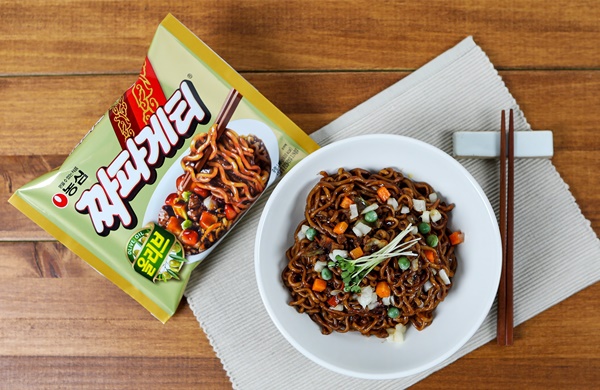
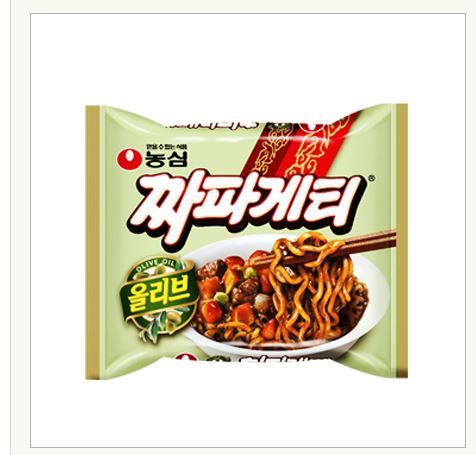
In the heart of Seoul, where convenience meets craving, Chapagetti has earned its place as a beloved comfort food. This instant noodle dish, a mix of Korean black bean sauce and chewy noodles, exemplifies the simplicity yet depth of K-food culture. Recently, a visit to a local Olive Young in Gangnam revealed the flavors of Chapagetti (approximately 3,000 won or $2.50 each) and sparked the idea to explore how to elevate this staple beyond the standard boil-and-sauce method.
Understanding Chapagetti
Chapagetti, produced by Nongshim, is known for its unique combination of flavors—sweet, salty, and a hint of umami. This dish offers a satisfying meal in under 10 minutes, making it a popular choice for busy individuals or students. However, many people tend to stick to the basic preparation, missing out on the potential to enhance it further. Understanding the origins and the cultural significance of the dish can add another layer of appreciation.
Chapagetti is inspired by the traditional Korean dish jjajangmyeon, which is a black bean noodle dish typically served in Korean-Chinese restaurants. While jjajangmyeon is made with fresh noodles and a more complex sauce, Chapagetti simplifies this experience, making it accessible for everyday meals. The flavor profile focuses on the sweet and savory notes from the black bean sauce, which comes from fermented soybeans, offering a distinctive taste that many Koreans cherish.
Essential Ingredients to Upgrade Your Chapagetti
Beyond the basic noodle and sauce packet, consider these additions to elevate your dish:
- Vegetables: Fresh or frozen, options like bell peppers, spinach, or zucchini add color and nutrition. Consider adding mushrooms for an earthy flavor or green onions for a refreshing crunch.
- Protein: Eggs, tofu, or even leftover meat from your weekly meals can provide substance. A soft-boiled egg, for example, adds richness that complements the noodles well.
- Sauce Enhancements: A drizzle of sesame oil or a spoonful of gochujang (Korean chili paste) can introduce a nice kick. Mixing in a bit of soy sauce can also add a deeper umami flavor.
- Cheese: A slice of American cheese, melted on top, adds a creaminess that balances the dish beautifully. Alternatively, try using mozzarella for a stretchy cheese pull.
- Nuts and Seeds: Toasted sesame seeds or chopped peanuts can add a delightful crunch and nutty flavor, enhancing the texture of the noodles.
Cooking Techniques to Consider
The way you prepare Chapagetti can significantly impact the final result. Here are some techniques that can help you achieve better flavor and texture:
1. Boiling Noodles Wisely
Instead of simply throwing your noodles into boiling water for the full time indicated on the package, consider cooking them for 2-3 minutes less. Drain them and save a bit of that starchy water. This allows the noodles to toss easily with the sauce and helps it adhere better, resulting in a more flavorful dish.
2. Stir-Frying for Depth
If you have a bit more time, stir-frying your noodles can bring out a new layer of flavor. Heat a bit of oil in a hot pan, then toss in your noodles and sauce. This method caramelizes the sugars in the sauce and creates a more complex taste. It’s a simple change, but it makes a noticeable difference. Consider adding your vegetables in this step so they become tender and flavorful.
3. Layering Flavors
When cooking, try adding ingredients in stages. For example, adding garlic or onions to the oil first before tossing in the noodles will infuse them with flavor. You can also add your sauce gradually, letting it coat the noodles before pouring the entire packet in. This layering can enhance the overall taste experience.
4. Don’t Skip the Garnish
Garnishes can elevate the presentation and flavor of your Chapagetti. Chopped green onions, a sprinkle of sesame seeds, or a drizzle of chili oil can enhance both the visual appeal and taste. A dash of seaweed flakes can also add an interesting umami layer.
Regional Variations
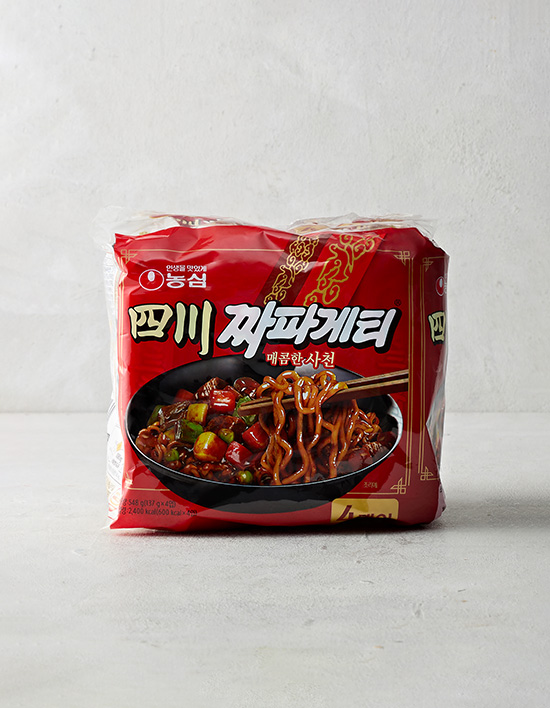
While Chapagetti is a straightforward dish, regional variations throughout Korea add a unique twist. For instance, in Itaewon, some locals may add kimchi for an extra sour note, while others might incorporate a splash of Korean BBQ sauce. These local twists can offer fresh inspiration and highlight the diversity in Korean cuisine.
In Busan, it's common to find Chapagetti served with seafood, reflecting the coastal city's rich marine culture. In contrast, Jeonju locals might prefer adding bean sprouts for a crunchy texture, leading to a more complex flavor profile. By exploring these variations, you can discover how different ingredients can make a familiar dish feel entirely new.
What to Pair with Your Chapagetti
For those looking to create a complete meal out of Chapagetti, it’s essential to consider suitable side dishes. Here are a few suggestions that complement the dish well:
- Kimchi: A staple in Korean cuisine, kimchi adds crunch and fermentation that cuts through the richness of the sauce. You can try different varieties, such as cucumber or radish kimchi, each adding its unique flavor.
- Pickled Vegetables: These offer a refreshing contrast to the warm, hearty noodles. A mix of pickled radish and carrots can add brightness to the meal.
- Soft Drinks: A can of Korean soda like Cider (similar to Sprite) is often the ideal balance with its refreshing sweetness. Alternatively, a cold glass of maesil-cha (plum tea) can complement the meal’s richness.
- Rice: Although it seems odd to pair noodles with rice, some Koreans enjoy a bowl of steamed rice alongside Chapagetti. The rice can help absorb excess sauce and balance the meal.
Exploring Chapagetti Beyond the Packet
When looking to enhance Chapagetti, creativity is key. Here are some practical tips and combinations to inspire you:
- Seafood Addition: Adding shrimp or squid can turn your Chapagetti into a seafood noodle dish. Simply stir-fry the seafood before adding the noodles and sauce. If you're in a coastal area, consider using fresh seafood for the best flavor.
- Spicy Twist: If you're a fan of heat, toss in some sliced jalapeños or a sprinkle of chili flakes to elevate the spiciness level. You can also mix in some gochugaru (Korean red pepper flakes) for a smoky flavor.
- Nutty Flavor: Top your dish with roasted sesame seeds or chopped peanuts for a crunchy texture and nutty flavor. This combination works particularly well with stir-fried versions.
- Fried Egg: A perfectly fried egg on top adds richness and a lovely presentation. The runny yolk mixes into the noodles, creating a creamy texture.
- Fusion Ideas: Consider making a Chapagetti burrito by wrapping the noodles in a tortilla with your favorite veggies and proteins. This fusion can create a new, fun way to enjoy the dish.
Real-life Experiences with Chapagetti
Many locals have their own stories about enjoying Chapagetti, often sharing it during late-night snacks or casual gatherings with friends. One popular method is to enjoy Chapagetti with a side of fried dumplings, creating a delightful combination of textures and flavors. Additionally, during harsh winters, a warm bowl of Chapagetti can feel like a hug in a bowl, often enjoyed while binge-watching popular Korean dramas.
In some households, Chapagetti is a beloved comfort food that has been passed down through generations. Families often gather to enjoy this dish with various toppings, creating a tradition of personalized flavors. The ease of making Chapagetti means it can be a go-to meal for busy weekdays while still having the potential to be a unique culinary experience.
Final Thoughts
Chapagetti might seem like a straightforward meal, but with a bit of creativity, it can transform into something truly satisfying. The key is to experiment with ingredients and techniques that appeal to your palate. For those in Seoul, neighborhoods like Seongsu-dong or Yeonnam-dong are great for sourcing unique ingredients to incorporate into your dish. Local markets often carry fresh produce and artisanal sauces that can add an exciting twist to your Chapagetti experience.
As this dish continues to evolve, there’s no telling what new flavors or techniques might emerge. The adaptability of Chapagetti is one of its greatest strengths, allowing it to fit into various cooking styles and tastes. Whether you prefer it with a traditional approach or a modern twist, there's always more to explore.
FAQ
Can I use any type of noodle for Chapagetti?
While Chapagetti is designed to be made with its specific noodles, you can experiment with other types of noodles. However, the texture and flavor may differ, so the final dish might not have the same taste. If you're looking for a similar texture, consider using udon or ramen noodles.
Where can I buy Chapagetti in Seoul?
Chapagetti is widely available in convenience stores like GS25 and large supermarkets such as H Mart and E-Mart. You can also find it in specialty Korean grocery stores across the city. For a wider selection of flavors, visiting online shops like Coupang can be beneficial.
Is Chapagetti vegetarian-friendly?
The base components of Chapagetti are vegetarian, but the sauce may contain additives or flavorings that are not strictly vegetarian. Always check the packaging for specific ingredients if dietary restrictions are a concern. Some versions may also contain artificial flavors that may not align with certain dietary preferences.
Can I store leftover Chapagetti?
If you have leftover Chapagetti, it’s best to store it in an airtight container and refrigerate. It can lose its texture and flavor, so reheating might require a little additional water or broth to revive it. A microwave may work in a pinch, but a stovetop is preferred for retaining the texture.
What is the best way to reheat leftover Chapagetti?
The best method for reheating is in a pan over medium heat, adding a splash of water or broth to prevent it from drying out. Stir frequently until heated through, which helps maintain a pleasant texture. For an extra flavor boost, consider adding a bit of soy sauce or sesame oil during reheating.
Can I customize Chapagetti to make it healthier?
Absolutely. You can upgrade Chapagetti by adding more vegetables, using whole grain noodles, or opting for low-sodium sauce options. Incorporating proteins like grilled chicken or plant-based alternatives can also boost the nutritional profile while still keeping it delicious.
Is there a way to make Chapagetti less salty?
Yes, you can reduce the amount of sauce you use and add some starchy water from cooking the noodles to stretch the flavor. Additionally, incorporating fresh vegetables can help mitigate the saltiness while adding flavor and texture.
Images by 꺽을 수 없는 의지 (CC BY 4.0), Theodore Nguyen (CC BY 2.0), hngtrieuvi (CC0) via Wikimedia Commons