Choosing Between Soju, Makgeolli, and Cheongju: A Korean Perspective
Explore when and why Koreans drink soju, makgeolli, and cheongju. Discover the cultural significance of these drinks from the heart of Seoul.
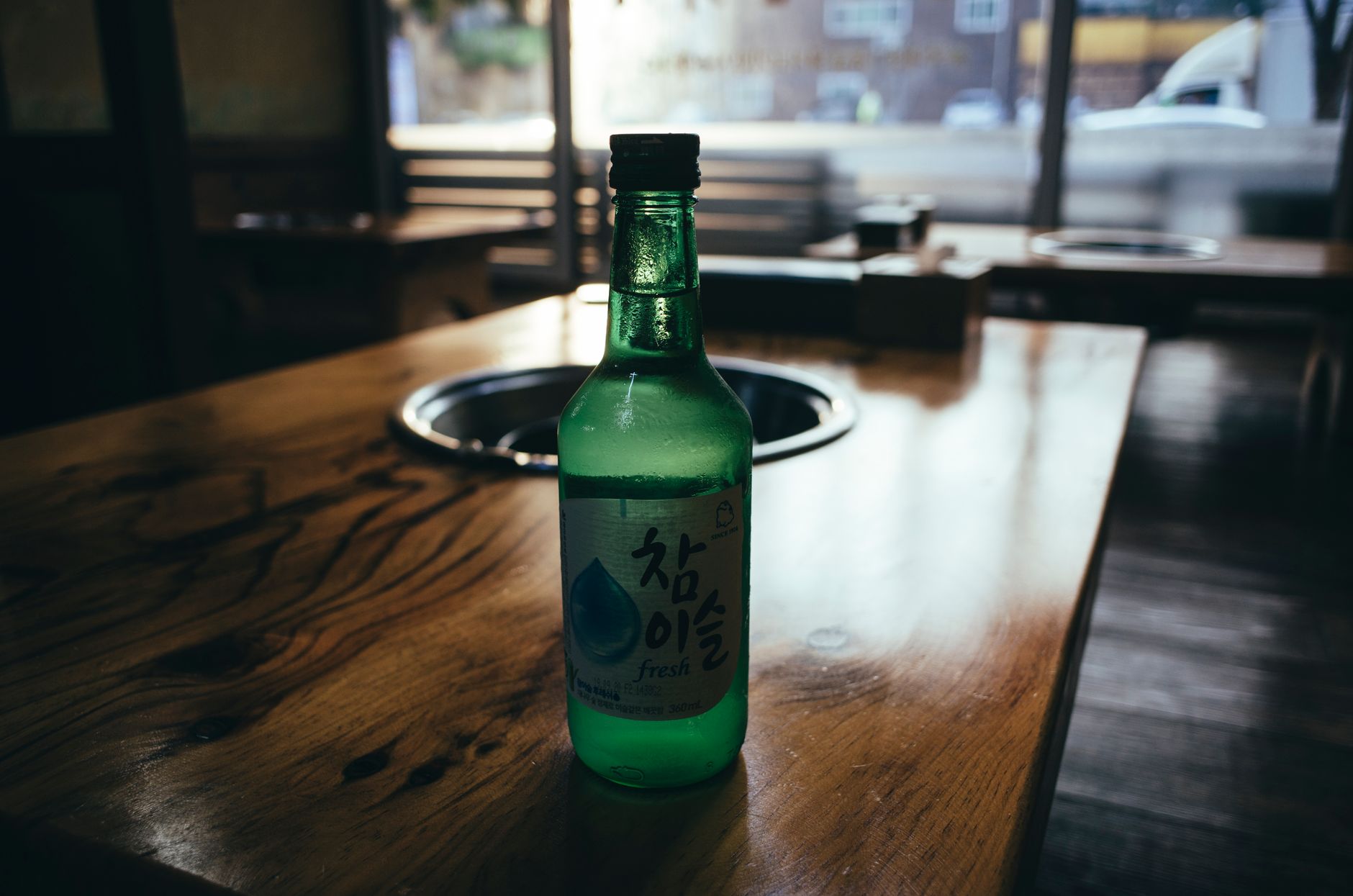
Walking through the bustling streets of Yeonnam-dong, it’s hard to ignore the lively atmosphere of local pubs and restaurants, often filled with laughter and clinking glasses. Among the myriad drinks served, three stand out: soju, makgeolli, and cheongju. Each has its own distinct character and cultural relevance, raising the question of when Koreans might choose one over the others.
Soju: The Iconic Choice
Soju is perhaps the best-known Korean alcoholic beverage, often found in bars across cities like Gangnam and Itaewon. Made from grains or sweet potatoes, it typically has an alcohol content of around 16-25%. You can expect to pay about 4,000 to 6,000 won (approximately $3 to $5) for a bottle, making it an affordable option for many.
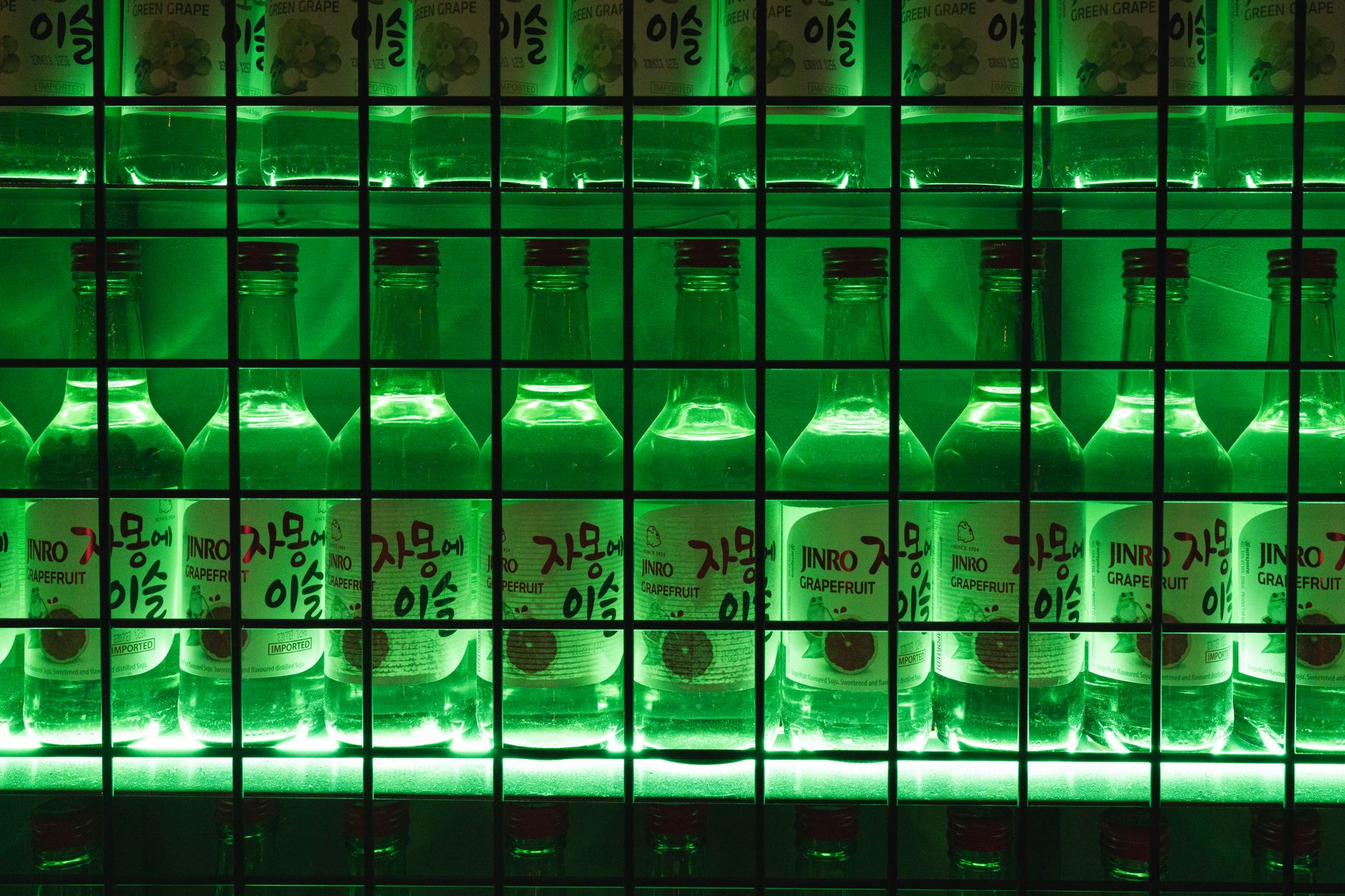
In Seoul, you can find a wide range of soju brands, from the standard Chamisul to more artisanal choices like Jeju Samdasoo, which features a slightly different flavour profile. Many people enjoy soju straight, but it also works well in cocktails, such as a popular mix called 'soju bomb' where a shot of soju is dropped into a glass of beer.
Social Context of Soju
Soju plays a vital role in social gatherings. Whether at a business dinner or a casual outing with friends, it often serves as a bridge in social settings. The act of pouring soju for one another is a sign of respect and camaraderie, which is deeply ingrained in Korean culture. In fact, it’s common for the youngest person at the table to pour drinks for their elders, a practice that fosters connection and respect.
One memorable evening in Gangnam, I joined friends for a late-night soju session at a popular pub called Samgyeopsal House. The combination of sizzling grilled pork belly and chilled soju made for a delightful experience. We shared laughs and stories, with soju serving as the catalyst for deeper conversations.
Makgeolli: The Traditional Choice
Contrasting with the modernity of soju, makgeolli represents a more traditional side of Korean drinking culture. This milky, fermented rice wine has a lower alcohol content, usually around 6-8%, and is often enjoyed in more relaxed settings. A typical bottle can range from 5,000 to 8,000 won (about $4 to $6). You can find it served in places like Seongsu-dong, where artisanal makgeolli is becoming increasingly popular.
During a recent visit to a local makgeolli bar in Seongsu-dong, I was introduced to a variety of flavours, from original to sweetened versions infused with fruit. Each was served in traditional bowls, accompanied by pajeon (green onion pancakes) that provided the perfect balance to the drink's creamy texture.
When to Choose Makgeolli
Makgeolli is often enjoyed during informal gatherings, such as family meals or small get-togethers with friends. The drink’s rich history and slightly lower alcohol content make it a more approachable option for those new to Korean beverages. It’s also commonly found at traditional festivals and events, where you can see people enjoying it outdoors, especially during the warmer months.
On a sunny afternoon, a picnic in a park while sipping on makgeolli can be a refreshing experience. Just picture a group of friends laying out a picnic mat in Hangang Park, sharing snacks like kimbap (Korean rice rolls) or dumplings alongside a couple of bottles of makgeolli. The communal aspect of drinking this beverage enhances the laid-back vibe of the gathering.
Cheongju: The Sipping Drink
Cheongju, the least known among the three, is a clear rice wine with a higher alcohol content of around 15-20%. It is traditionally served at special occasions and is often used in ceremonial contexts, such as weddings. Prices for cheongju start from about 8,000 won (approximately $6), but this can vary significantly based on the brand and quality.
Unlike the other two drinks, cheongju is typically sipped slowly, often served in smaller cups. It has a more refined flavour, making it an interesting choice for those looking to appreciate the subtleties of Korean rice wine. The process of making cheongju can be quite intricate, often involving careful fermentation techniques that yield a complex taste.
The Right Time for Cheongju
Due to its cultural significance, cheongju is often preferred during formal events or toasting traditions. The drink is often served at traditional Korean weddings, where couples partake in a ritual called 'pyebaek' that involves presenting and toasting with cheongju. This ceremonial use highlights cheongju's status as not just an alcoholic beverage but a symbol of celebration and respect.
In a more casual context, I once attended a friend's birthday dinner at a traditional Korean restaurant in Jongno. The owner proudly presented several types of cheongju, explaining the origins and characteristics of each. We sampled a few varieties, each with distinct notes, enhancing the appreciation for this often-overlooked drink.
Comparative Overview: When Koreans Drink Which
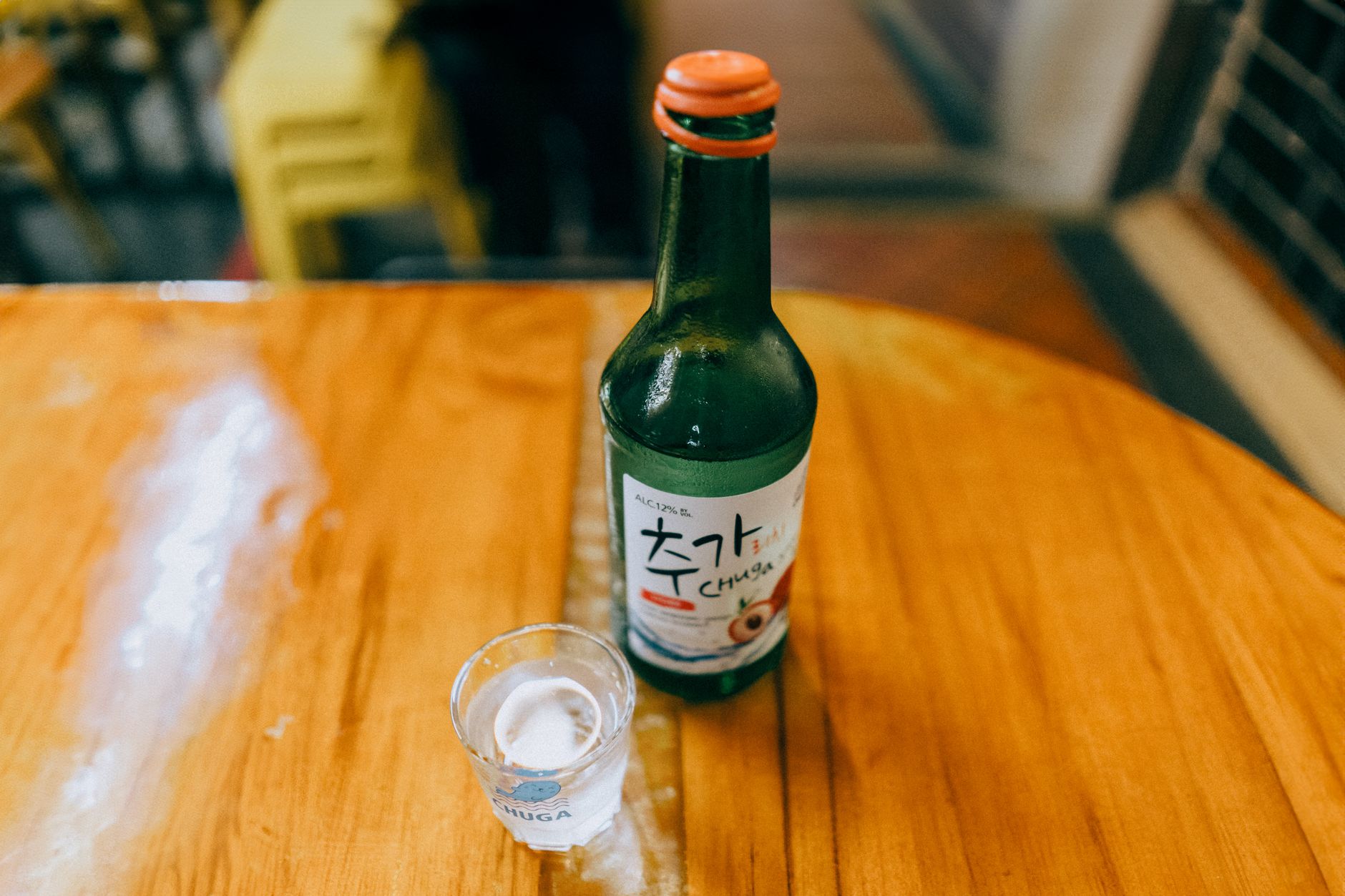
Choosing between these three beverages often depends on the setting, the food, and, of course, personal preferences. Here’s a quick guide to help you understand when each drink might be preferred:
- Soju: Ideal for social gatherings, dinners, and celebrations. It’s the go-to drink for many young people and is often consumed in larger quantities during festive occasions.
- Makgeolli: Great for casual meetups and traditional meals. It’s especially popular among younger crowds looking for a laid-back drinking experience with friends.
- Cheongju: Perfect for formal events, ceremonies, and special occasions. Enjoyed best when savoured slowly and appreciated for its nuanced flavours.
Trends and Misconceptions
While there’s considerable online hype around craft makgeolli and the trendy cocktails made with soju, it's essential to approach these trends with a critical eye. Many cocktails can overshadow the complexities of soju, while artisanal makgeolli may not always be worth the premium price tag. Often, the best experiences come from enjoying these drinks in their traditional contexts.
In my observations, too many people are quick to jump on the latest “must-try” drink without fully appreciating the rich history that accompanies each beverage. The essence of Korean drinking culture is best experienced through genuine engagement and understanding.
For example, while the trend of mixing soju with exotic fruit juices is popular, many purists argue that it detracts from the drink's authentic flavour. In contrast, enjoying soju with simple side dishes like dried squid or nuts can enhance the overall experience.
Practical Tips for Enjoying These Beverages
For those new to Korean drinking culture, here are some practical steps to enhance your enjoyment of soju, makgeolli, and cheongju:
- Learn the Rituals: Familiarise yourself with the customs around pouring and drinking. Always pour for others before serving yourself.
- Pair Wisely: Match the drink with appropriate food. Soju works great with grilled meats, while makgeolli complements fried dishes like pajeon.
- Experiment with Flavours: Don’t hesitate to try different brands and types. Each offers a unique tasting experience that can surprise you.
- Mind the Setting: Consider the occasion. Save cheongju for special moments and choose makgeolli for relaxed gatherings.
- Drink Responsibly: Keep in mind the alcohol content of each drink and pace yourself, especially in social settings where drinks flow freely.
FAQ
What is the difference between soju and makgeolli?
Soju is a clear distilled spirit with a higher alcohol content, typically enjoyed straight or in cocktails, while makgeolli is a milky rice wine with lower alcohol content, often served in bowls and paired with traditional foods.
Can makgeolli be found outside of Korea?
Yes, many international markets and online retailers now stock makgeolli, particularly artisanal brands that are gaining popularity around the world.
What foods pair best with cheongju?
Cheongju pairs well with lighter dishes such as sashimi or grilled fish, as its refined taste complements subtle flavours without overpowering them.
Is soju only consumed in Korea?
While soju is predominantly a Korean beverage, its popularity has spread to various international markets, particularly in areas with large Korean communities.
Conclusion
Whether you find yourself in a busy pub in Itaewon or a quaint restaurant in Jongno, the choice between soju, makgeolli, and cheongju can be a reflection of the atmosphere and the company you keep. Each drink offers a unique entry point into Korean culture, rooted in tradition yet adaptable to contemporary tastes. As you explore these beverages, consider how they might deepen your understanding of Korean social life and culinary practices.
In my next post, I’ll explore popular Korean side dishes that pair well with these alcoholic beverages. What are your experiences with Korean drinks?
Photos by makafood, Valentin Ilas, Dee Onederer via Pexels