Choosing the Right Stall for Yukhoe at Gwangjang Market
Gwangjang Market's yukhoe alley can be overwhelming. Here's how to choose the right stall for the best raw beef experience.
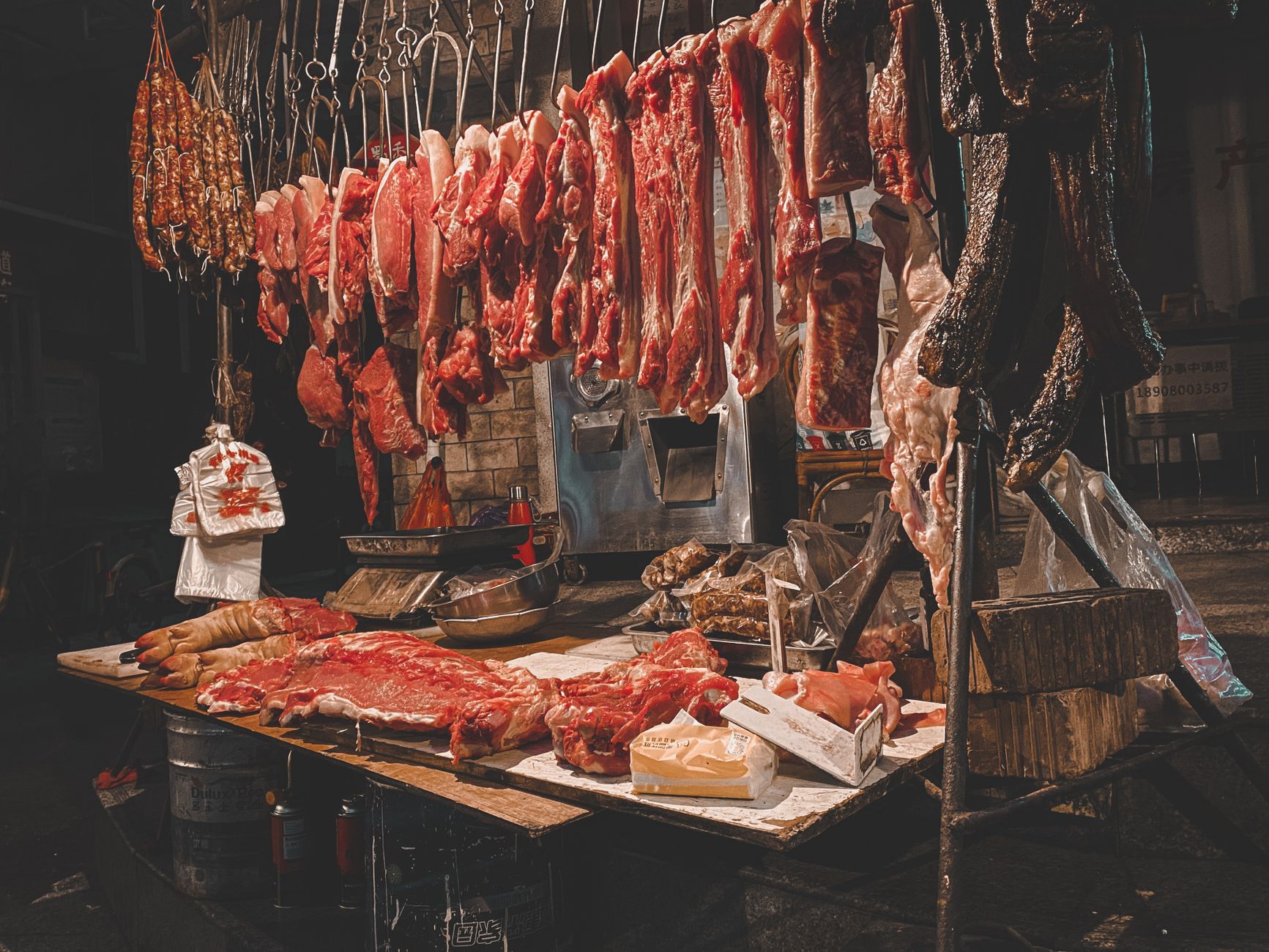
On a recent visit to Gwangjang Market, I found myself navigating the bustling alleys filled with vendors hawking everything from bindaetteok (mung bean pancakes) to tteokbokki. However, my main destination was the renowned yukhoe alley, known for its raw beef delicacies. With so many stalls competing for attention, it can be daunting to find the right one. Here’s how I approached this culinary adventure.
Understanding Yukhoe
Yukhoe is a traditional Korean dish made from raw beef, finely sliced and often served with sesame oil, garlic, and a raw egg yolk. It’s a must-try for any meat lover, particularly when prepared fresh. Gwangjang Market is famous for its yukhoe, thanks to the quality of the beef and the expertise of the vendors. In essence, yukhoe can be compared to the Western steak tartare, yet the distinct Korean seasoning gives it a unique flavour profile.
Finding the Alley
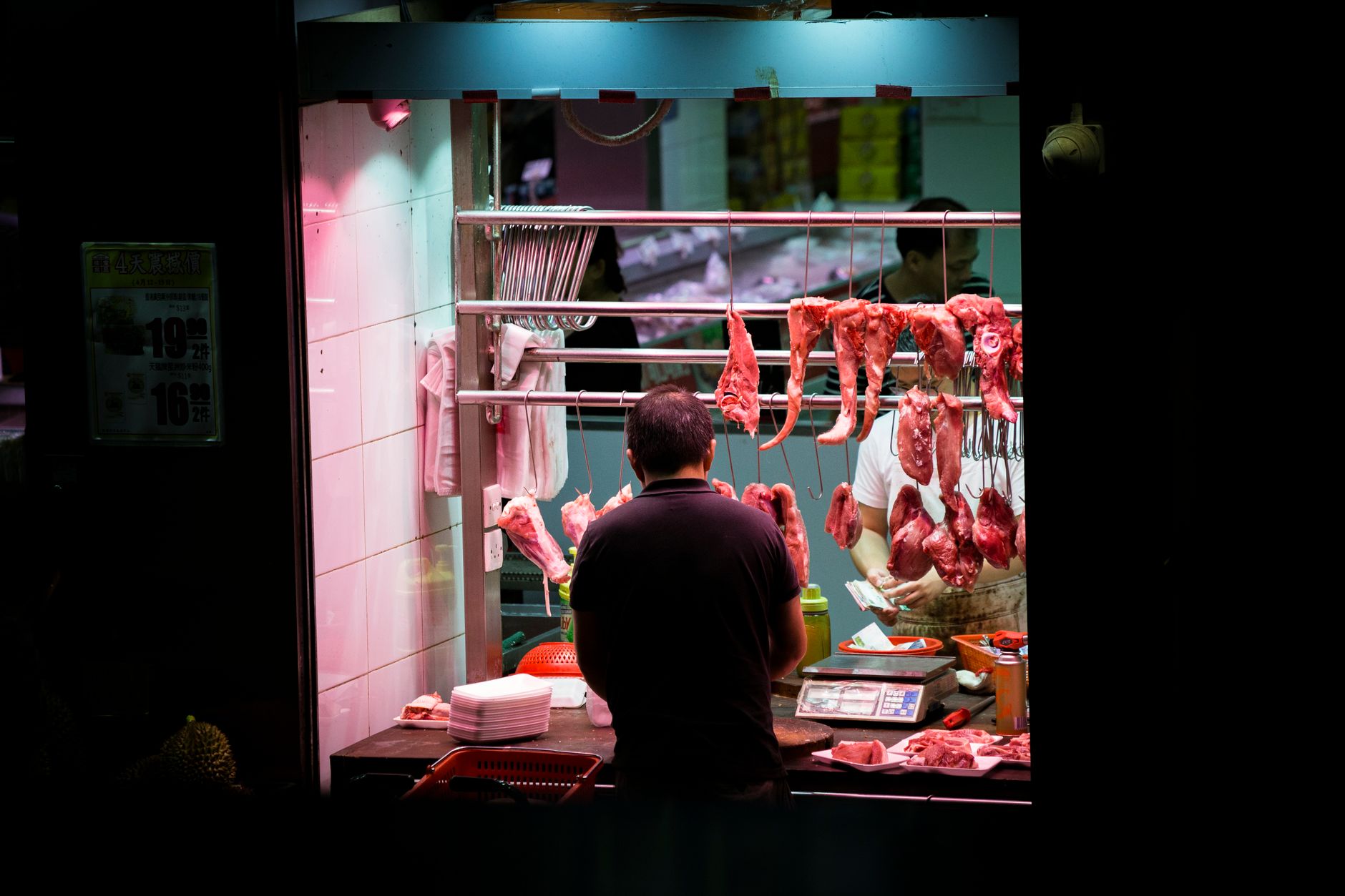
Gwangjang Market is located near Jongno 5-ga Station, making it easily accessible. Once you enter the market, head towards the yukhoe alley, which is typically packed with locals and tourists alike. It’s easy to spot—just follow the enticing aroma of seasoned beef and the sizzle of nearby grill stalls. The atmosphere here is lively, with the sound of sizzling meats and the chatter of happy patrons filling the air.
Recognising the Good Stalls
When faced with many options, there are a few things to consider to help you choose the right stall:
- Line Length: A stall with a long queue often indicates high quality. Locals tend to know where to find the best food.
- Freshness: Look for stalls that display their ingredients prominently. Fresh, high-quality beef is non-negotiable.
- Staff Knowledge: Engage with the staff. A knowledgeable vendor will be eager to share how their yukhoe is prepared.
- Hygiene Standards: While street food can be messy, you want to ensure that the stall maintains reasonable cleanliness.
Recommended Stalls
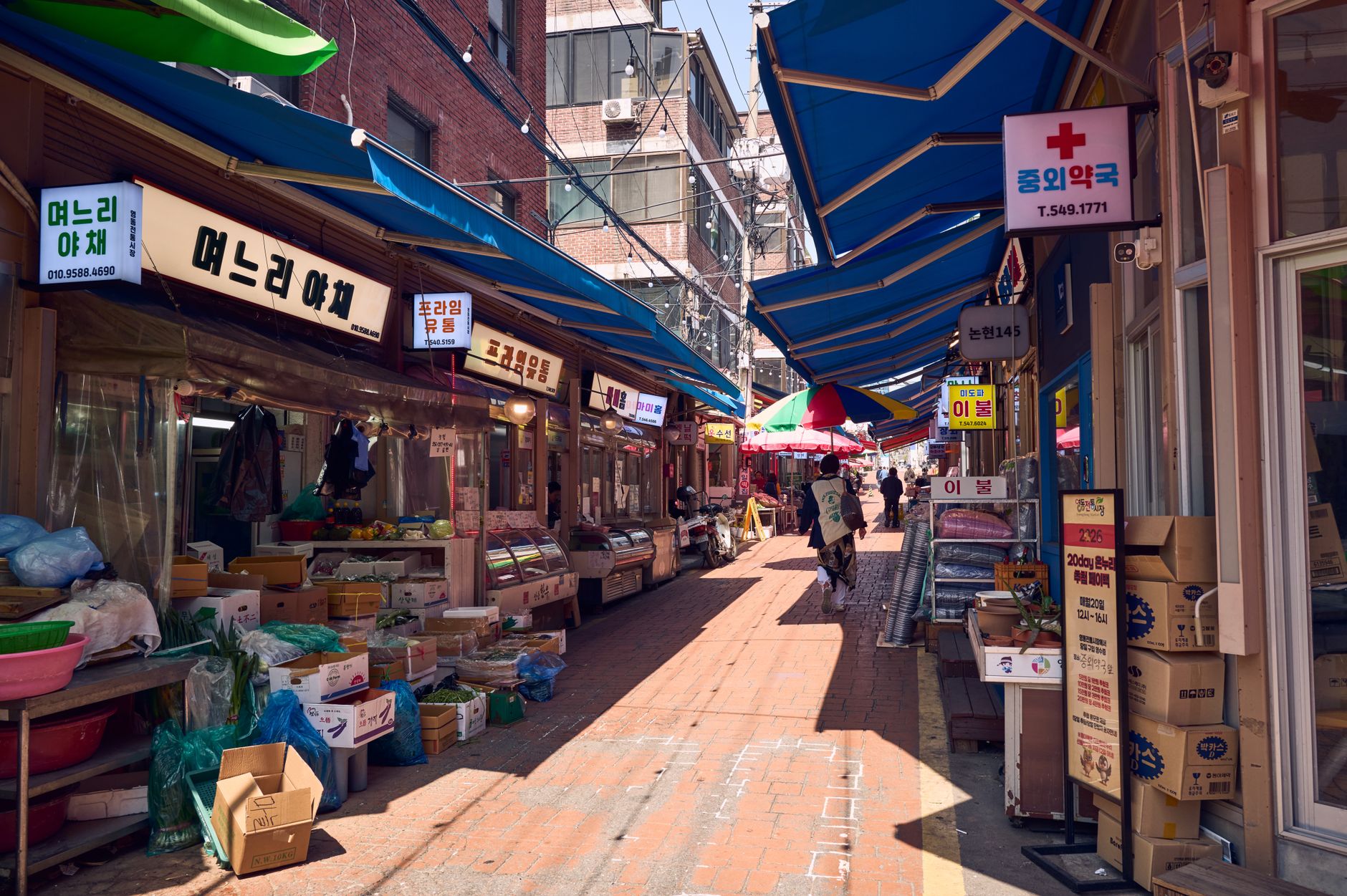
While I can’t claim to have tried every stall, two places stood out during my visit:
- Yukhoe Alley Stall #1: This stall had a particularly long queue, which often means something good is happening. They offered a seamless blend of flavours with their wagyu yukhoe priced at around 18,000 won ($15). The beef was tender, and the seasoning was just right, making it a memorable experience.
- Yukhoe Alley Stall #2: Known for its spicier variation, their kimchi yukhoe caught my attention. Prices were slightly lower at about 15,000 won ($12.50). The beef was tender, and the kick from the kimchi was just right, adding an interesting twist to the traditional dish.
Tasting Experience
Once I made my choice, the experience was exceptional. The yukhoe was served with a bright yellow yolk on top, making it visually appealing. The flavours were rich and satisfying, heightened by a drizzle of sesame oil. Pairing it with a glass of makgeolli (rice wine) enhanced the experience, creating a perfect balance to the dish. The vibe in Gwangjang Market is lively, filled with the chatter of patrons and the clinking of dishes, which only adds to the enjoyment.
Common Misconceptions
It’s easy to get swept up in the online hype surrounding Gwangjang Market, but it’s essential to manage expectations. While the yukhoe is noteworthy, some stalls do overpromise and underdeliver. Take your time, do a bit of research, or ask locals which stalls they prefer. On social media, some influencers rave about particular stalls, but my experience suggests that personal taste varies greatly. What works for one person may not resonate with another.
Practical Tips for Ordering Yukhoe
Ordering yukhoe can feel intimidating if you’re unfamiliar with the process. Here’s a straightforward approach that I follow:
- Survey the Stalls: Before making a decision, take a brief walk through the alley. Look for stalls with clear menus and visible ingredients.
- Ask Questions: Don’t hesitate to inquire about the sourcing of the beef and the preparation methods. A good stall will be proud to share this information.
- Choose Your Toppings: Decide if you want plain yukhoe or if you’d like to incorporate additional ingredients like sliced pears or spicy seasoning. These can enhance the overall flavour.
- Enjoy Your Drink: Pair your yukhoe with a traditional drink such as soju or makgeolli to complement the meal.
- Be Mindful of Portions: Yukhoe can be quite rich. If you're new to it, consider ordering a smaller portion to start.
Seoul’s Other Notable Yukhoe Spots
While Gwangjang Market excels in street food, there are other neighbourhoods in Seoul where you can experience yukhoe in a different setting. Here are a few alternatives:
- Gangnam: There are several upscale restaurants that serve gourmet versions of yukhoe, often with unique twists. Prices vary, but you can expect to pay upwards of 25,000 won ($21) for a refined experience. One such place, Yukhoe House, offers a luxurious dining setting and highly regarded beef sourced from local farms.
- Itaewon: This multicultural hub features international takes on yukhoe, blending Korean flavours with global influences. Some establishments, like Mapo Yukhoe, offer fusion dishes for around 20,000 won ($17). Their spicy tuna yukhoe is particularly popular among local foodies.
- Seongsu-dong: Known for its trendy cafes and restaurants, you can find a few hidden gems that serve modern interpretations of yukhoe. Restaurants like Seongsu Yukhoe offer dishes ranging from 18,000 won ($15) to 22,000 won ($18) and are often praised for their vibrant atmosphere.
Comparing Yukhoe Styles
In my exploration of yukhoe, I've noticed distinct variations depending on the stall and region. Some stalls focus on premium cuts, while others might use a mix of different beef parts, which can affect both texture and flavour. For instance, the yukhoe at Gwangjang Market typically uses sirloin or tenderloin, resulting in a tender bite that melts in your mouth. In contrast, some upscale restaurants may offer aged beef, bringing out richer flavours that are more pronounced.
The seasoning can also vary widely. While some stalls stick to the classic sesame oil and garlic mix, others may introduce additional ingredients like wasabi or yuzu, which can enhance the overall experience. This variability means that the yukhoe experience can change dramatically based on where you choose to eat.
FAQ
What is the difference between yukhoe and steak tartare?
While both dishes involve raw meat, yukhoe is typically seasoned with Korean ingredients and served with toppings like sesame oil, garlic, and egg yolk, differentiating it from the more straightforward European steak tartare.
Is yukhoe safe to eat?
Yes, it is safe to eat if prepared in hygienic conditions. Ensure you choose a reputable stall that maintains good cleanliness standards and uses fresh, high-quality beef.
How do I eat yukhoe?
Yukhoe is usually eaten with a bit of sesame oil drizzled on top, and you can mix in the egg yolk before enjoying it. Some prefer to add a bit of gochugaru (Korean red pepper flakes) for added spice.
Can I find vegetarian options at Gwangjang Market?
While Gwangjang Market is renowned for its meat dishes, there are vegetarian options like bindaetteok and various types of dumplings available throughout the market.
What should I pair with yukhoe?
Yukhoe pairs well with traditional beverages such as makgeolli (rice wine) or soju. The acidity from these drinks complements the richness of the raw beef, creating a balanced meal.
Conclusion
Gwangjang Market's yukhoe alley offers an exciting culinary experience, especially for those curious about Korean street food. While choosing the right stall might take a bit of time, the result is often a delicious meal that embodies local flavours. The next time I visit, I hope to explore more stalls and perhaps discover a hidden gem.
In my next post, I’ll share my thoughts on the best bindaetteok stalls in Gwangjang Market.
Photos by Sora K, Jimmy Chan, CK Seng via Pexels