Exploring Authentic Korean Vegetarian and Vegan Dishes
Discover genuine vegetarian and vegan Korean dishes that reflect the country's rich culinary traditions and are found in Seoul's vibrant neighbourhoods.
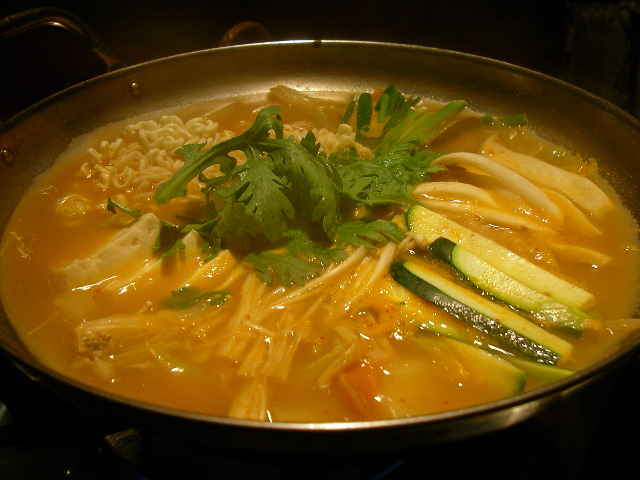
Korea's culinary scene often conjures images of sizzling barbecues and spicy stews, but there’s a vibrant world of vegetarian and vegan dishes waiting to be explored. As someone who enjoys wandering through the streets of Seoul, I often stumble across dishes that go beyond the preconceived notions of Korean cuisine. It was during a recent visit to Yeonnam-dong's bustling eateries that I realised how much variety exists for plant-based diets. The area is known for its creative food scene, where trendy cafes and traditional restaurants coexist, making it a perfect starting point for discovering vegetarian options.
Understanding Korean Vegetarian and Vegan Cuisine
It's essential to clarify that traditional Korean meals heavily feature meat and seafood, but this doesn't mean that vegetarian and vegan options are non-existent. Many classic dishes can be adapted, and new ones have emerged as more people in Korea embrace plant-based diets. Common ingredients include tofu, a wide array of vegetables, and grains like rice and barley, all of which are staples in Korean cooking. The adaptability of Korean cuisine allows for a fascinating exploration of flavours even when eliminating animal products.
Must-Try Dishes in Seoul
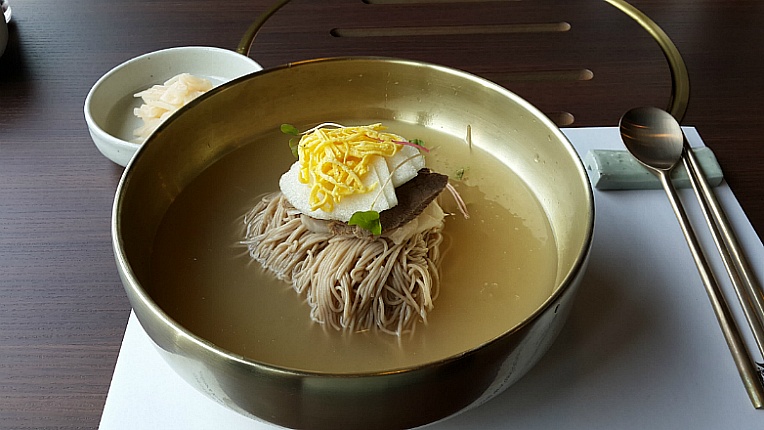
Here are some authentic vegetarian and vegan dishes you can find across various Seoul neighbourhoods. Each dish offers a unique taste of traditional Korean flavours while catering to plant-based diets:
- Kimchi: Often considered a staple, traditional kimchi is made from fermented vegetables, primarily napa cabbage and radish. While many types use fish sauce, there are entirely vegan versions available. Look for baechu kimchi (napa cabbage kimchi) made without seafood; you can find this at Gwangjang Market for around 3,000 won ($2.50) per container. It's an excellent accompaniment to any meal and can be eaten with rice or as a side.
- Dububokkeum: This stir-fried tofu dish is a delicacy in many vegetarian restaurants. Usually mixed with seasonal vegetables and a spicy sauce, it can be found for about 8,000 won ($6.50) in places like Seongsu-dong. A personal favourite is at Chodang Sundubu, where the tofu is freshly made and has a soft, silky texture that balances beautifully with the crunch of the vegetables.
- Vegetable Bibimbap: A colourful mix of rice, various vegetables, and gochujang (red pepper paste), with the option of omitting egg makes this versatile dish vegan-friendly. Expect to pay around 10,000 won ($8.50) at Gogung, a popular spot in Myeongdong known for its authentic bibimbap. The presentation is beautiful, and the combination of flavours is satisfying, making it a must-try.
- Japchae: These sweet potato noodles stir-fried with a medley of vegetables are often made without meat at vegetarian-friendly spots. A typical serving costs about 9,000 won ($7.50) in places like Gangnam, where Yeonnam-dong Grilled Vegetable offers a terrific version that is packed with flavour and a variety of textures. The slightly sweet and savoury sauce enhances the dish without overwhelming the natural taste of the vegetables.
- Banchan: Side dishes served with meals often include a variety of pickled and sautéed vegetables. Many of these options are vegan and can be enjoyed at no extra cost in restaurants. For instance, at Hanam Pig in Itaewon, you can find delicious banchan options like seasoned cucumber and marinated mushrooms that complement the main dishes well.
Where to Find These Dishes
Seoul is dotted with vegetarian and vegan-friendly eateries, often nestled within local neighbourhoods that showcase the city's culinary diversity. Here are a few I recommend:
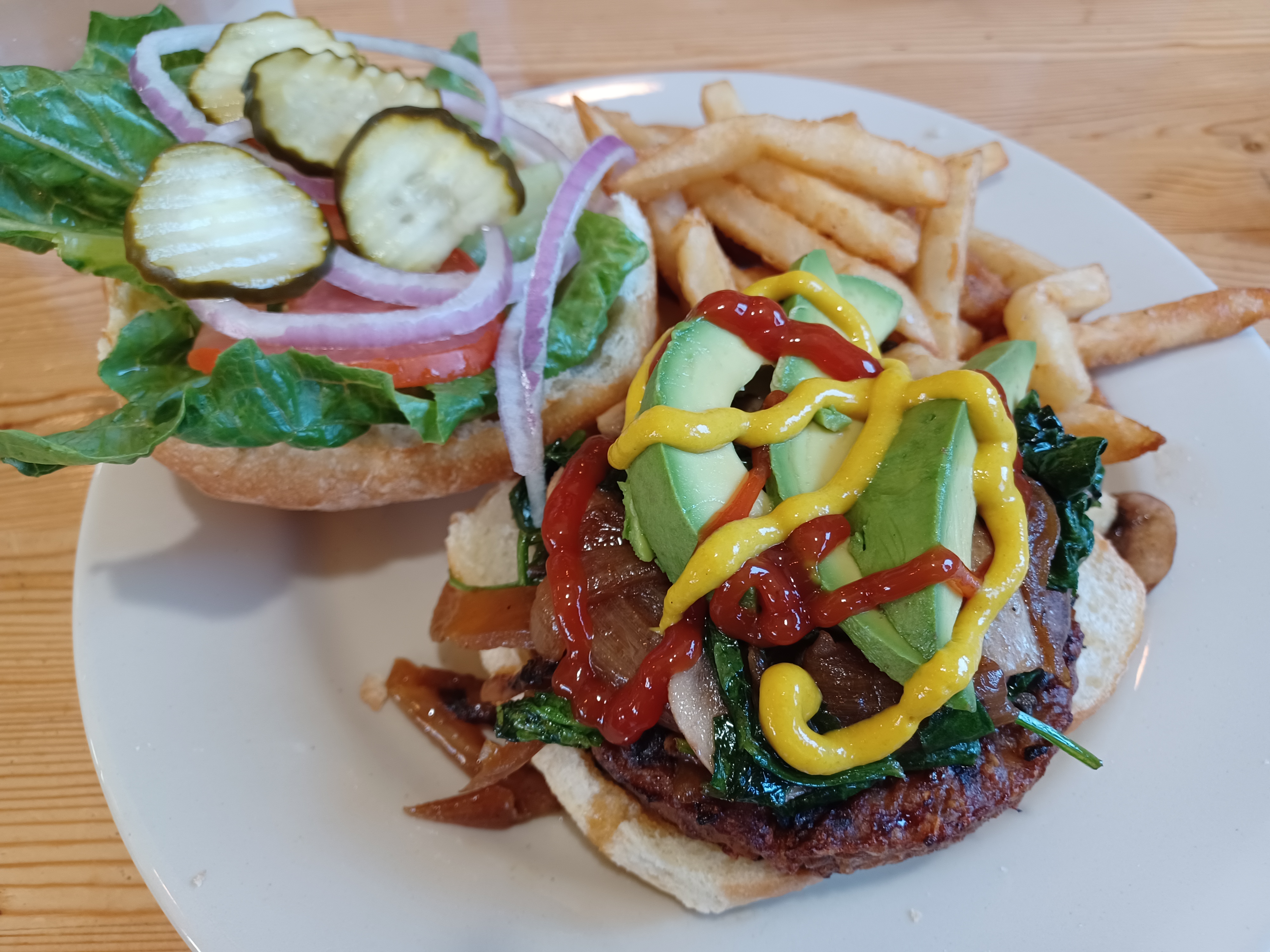
- Plant: Located in Itaewon, this entirely vegan café offers a range of dishes, including a delicious vegan burger made with house-made patties and a selection of desserts that change seasonally. Prices are moderate, with mains around 12,000 won ($10). The atmosphere is relaxed, making it a perfect spot to catch up with friends.
- Osegye Hyang: A well-known vegetarian restaurant in Insadong, Osegye Hyang serves traditional dishes like vegan bibimbap and kimchi stew. Expect to spend about 10,000 won ($8.50) per meal. The restaurant's decor reflects Korean aesthetics, creating a warm and inviting setting for diners.
- Hanam Pig: While primarily a meat restaurant, their vegetable dumplings and tofu stew are fantastic vegan options, with prices around 7,000 won ($6). Located in the bustling area of Gangnam, it’s worth a visit for its vibrant atmosphere and quick service.
- Vegan Space: Nestled in Hongdae, this spot offers a range of plant-based dishes, including vibrant salads, stir-fried noodles, and indulgent desserts. Plates average around 12,000 won ($10), with a focus on using seasonal ingredients that highlight the freshness of each dish. The casual vibe makes it a popular hangout for students and locals alike.
The Overrated Trend?
While the hype around K-food often focuses on its meat-centric offerings, the growing trend of plant-based eating may be somewhat overrated. Many places still struggle to serve truly authentic vegetarian or vegan meals that feel representative of Korean cuisine. It’s essential to look for establishments that understand these dietary restrictions and can offer something genuinely Korean rather than a generic plate. Some popular places may advertise vegan options but end up serving dishes that lack the depth and authenticity seen in traditional recipes.
Practical Step-by-Step Tips for Enjoying Vegetarian and Vegan Food
If you're new to exploring vegetarian or vegan options in Korea, here are some practical tips to enhance your dining experience:
- Learn Key Phrases: Knowing how to ask if a dish contains fish sauce or meat can save you from unwanted ingredients. Phrases like 이것은 고기인가요? (Is this meat?) can come in handy.
- Check Online Reviews: Websites like HappyCow can help you find reliable vegetarian and vegan spots. User reviews often highlight the best dishes and the overall experience.
- Explore Traditional Markets: Many traditional markets, like Gwangjang Market, have stalls offering vegetarian options. These markets often serve freshly made side dishes that can be mixed and matched to create a satisfying meal.
- Ask Locals for Recommendations: Engaging with locals can lead you to hidden gems. Many Koreans are familiar with vegetarian diets and can guide you to the best eateries in town.
- Be Open to Variations: Don’t hesitate to customise your dish. Many restaurants in Korea are willing to accommodate dietary preferences, so asking for no egg or no meat is usually met with understanding.
FAQ
Are there many vegetarian and vegan options in Korean grocery stores?
Yes, you can find several vegetarian and vegan products in larger grocery stores like H Mart and Lotte Mart, especially in the health food aisles. Look for items like tofu, plant-based sauces, and vegan snacks.
Is it difficult to find vegetarian and vegan restaurants in Seoul?
While not as ubiquitous as meat-centric restaurants, vegetarian and vegan options are becoming more prevalent in Seoul, especially in areas like Itaewon and Hongdae. Many traditional restaurants offer vegetarian variations of classic dishes.
How do I communicate my dietary needs in a restaurant?
Using simple phrases or translation apps can help. It's also helpful to have the words for “vegetarian” (채식주의자 - chaesikjuuija) or “vegan” (비건 - bigeun) on hand to clarify your dietary preferences.
What can I expect from a traditional Korean vegetarian meal?
Traditional vegetarian meals will typically include a mix of rice, various vegetables, and side dishes (banchan). Expect fresh, seasonal ingredients and an emphasis on fermentation and pickling.
Final Thoughts
While Korean vegetarian and vegan dishes are not the centre of attention in the broader food scene, they undeniably exist and offer a unique taste of the country’s culinary diversity. Keep your eyes peeled for local specialties and don’t hesitate to ask for modifications when ordering. The next post will explore how to make some of these dishes at home.
Images by jetalone (a flickr user) (CC BY 2.0), wjlee4284 (CC BY 2.5), Mx. Granger (CC0) via Wikimedia Commons