Exploring Korean Dessert Culture: Bingsu, Hotteok, and Bungeoppang
Discover the delights of Korean dessert culture with a look at bingsu, hotteok, and bungeoppang. A journey through flavours and traditions awaits.
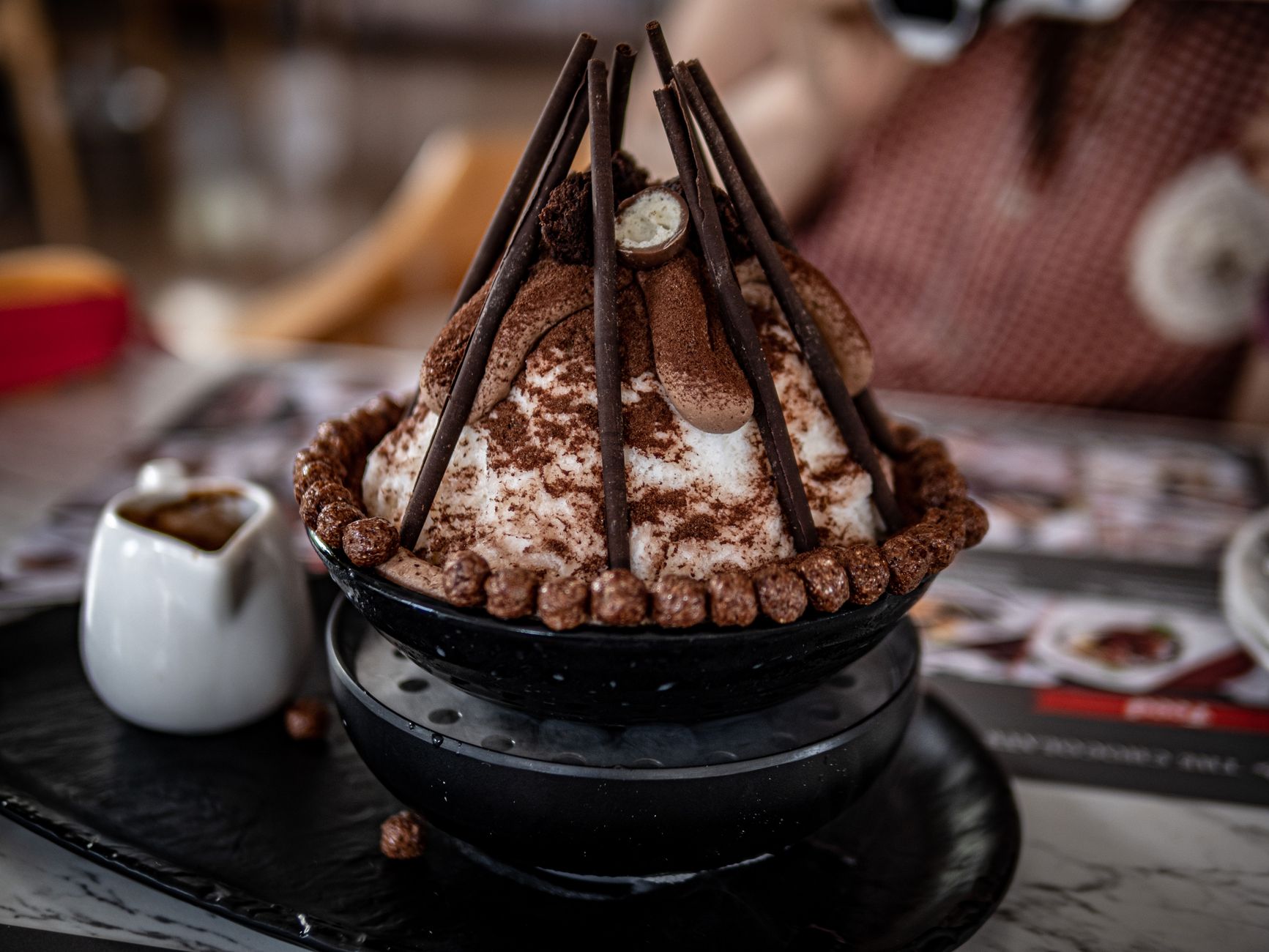
On a recent stroll through Yeonnam-dong, I was reminded of how vibrant and diverse Korean dessert culture is, especially as chilly autumn evenings set in. While bingsu typically reigns as the star of summer, the cooler months usher in beloved treats like hotteok and bungeoppang. Each of these snacks holds a special place in Korean culture and offers its own unique flavours and textures.
Bingsu: Shaved Ice Delight
Bingsu (빙수) is perhaps the most famous of Korea's desserts, especially during the sweltering summer months. This shaved ice masterpiece is typically topped with an assortment of ingredients, making it a customizable delight. Popular variations include:
- Patbingsu: Topped with sweetened red beans, condensed milk, and often a scoop of ice cream.
- Fruit Bingsu: Garnished with seasonal fruits like strawberries, mangoes, or melons, sometimes accompanied by yogurt.
- Injeolmi Bingsu: This version features the chewy rice cake known as injeolmi and a dusting of powdered soybean.
Prices for a standard serving of bingsu generally range from 8,000 won to 15,000 won (about $6 to $11), depending on the toppings and size. You can find excellent bingsu spots all over Seoul, but I recommend visiting Seoul’s Ddong Ggo Bingsu in Gangnam for their inventive flavours.
Why It’s Popular
The appeal of bingsu lies not only in its refreshing qualities but also in the social aspect of sharing this dessert. Friends gather, and the bingsu is often ordered as a shared experience, encouraging laughter and conversation. The trend has even led to a phenomenon known as ‘bingsu cafes’ where the atmosphere is just as important as the dessert itself, with intricate decorations and themed presentations.
My Personal Favourite Places
One of my go-to places for bingsu is O’sulloc Tea House located in Insadong. Known for their green tea bingsu, the combination of the finely shaved ice and matcha powder is a culinary delight that reflects Korea’s traditional tea culture. Prices here start around 10,000 won ($8), and the portion is generous enough for sharing.
Another noteworthy spot is Homestead in Itaewon, which specializes in ‘tiramisu bingsu’. This creative twist combines coffee-flavoured ice with mascarpone and cocoa, priced at about 12,000 won ($9). It’s a must-try for coffee lovers.
How to Choose Your Bingsu
With the variety of bingsu options available, it can be challenging to decide which to try. Here are some practical steps to help you choose:
- Consider the Season: In summer, refreshing fruit bingsu is ideal, while in winter, you might enjoy a richer injeolmi or chocolate bingsu.
- Size Matters: If you're sharing, opt for a larger size to ensure everyone gets a taste.
- Check the Ingredients: Some cafes use high-quality, organic ingredients which can enhance the experience. Look for those who source local fruits.
Hotteok: Sweet and Savoury Pancakes
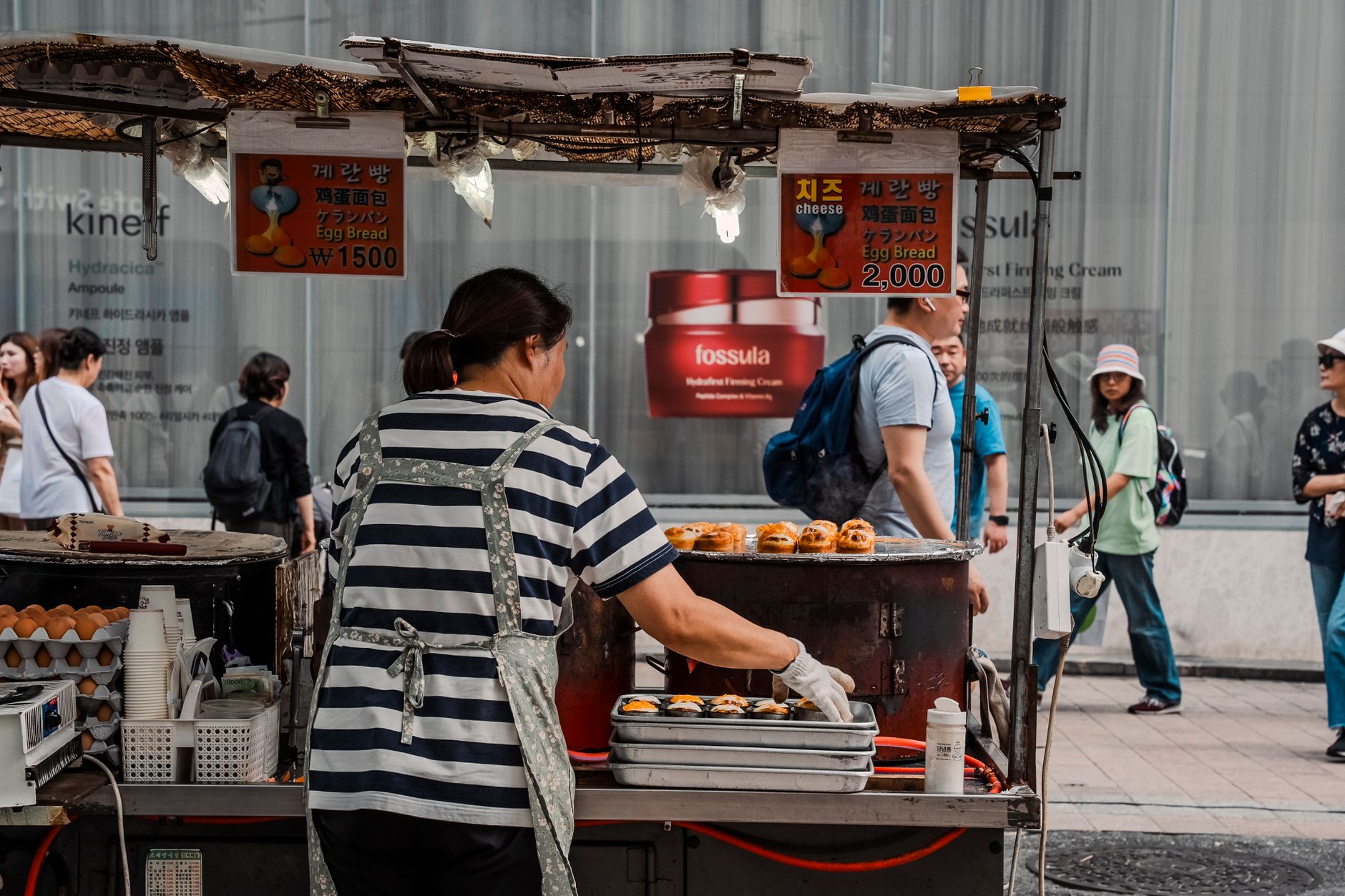
As the weather cools, hotteok (호떡) becomes a popular street food option. This sweet pancake is typically filled with a mixture of brown sugar, cinnamon, and crushed nuts. You can find vendors across Seoul, especially in areas like Myeongdong and Insadong, where the aroma of sizzling hotteok wafts through the air.
Prices vary, but you can expect to pay around 1,500 to 3,000 won ($1 to $2.50) per piece. The contrast of the warm, crispy exterior and the gooey, sweet filling makes hotteok a comforting choice during chilly days.
Variations to Try
- Cheese Hotteok: A savoury twist filled with melted cheese for those who enjoy a less sweet option.
- Green Tea Hotteok: Infused with green tea powder, offering a unique flavour profile for adventurous eaters.
- Sweet Potato Hotteok: Using sweet potato puree as a filling, this version adds a hearty texture and sweetness.
While hotteok is undoubtedly delicious, I’ve found that not all vendors are created equal. Some may skimp on the filling, so it’s worth seeking out recommendations from locals. The best ones often have long lines of eager customers.
Local Recommendations
If you’re in the mood for hotteok, I recommend checking out Wang Hotteok near Gyeongbokgung Palace. They’re known for their generous fillings and a crispy exterior that keeps you coming back for more. Prices here hover around 2,500 won ($2). If you’re in the Hongdae area, Hotteok Alley is a series of food stalls offering various flavours, including pumpkin and sweet potato at similar price points.
Another notable vendor is Hotteok & Coffee in Sinchon, where you can enjoy a classic sweet hotteok alongside a cup of aromatic Korean coffee. A combination of both will set you back around 6,000 won ($5).
Tips for Enjoying Hotteok
To make the most of your hotteok experience, consider these tips:
- Timing is Everything: Visit hotteok vendors during peak hours, like late afternoon or evening, to ensure you get them fresh and warm.
- Pace Yourself: Hotteok can be filling, so consider sharing with a friend or two.
- Experiment with Fillings: Don’t hesitate to try different flavours, as each vendor has their own twist.
Bungeoppang: Fish-Shaped Pastries
Bungeoppang (붕어빵), or fish-shaped pastry, might resemble a novelty item at first, but it’s a staple in Korean dessert culture, especially during winter. These treats are typically filled with sweetened red bean paste, custard, or even chocolate. Vendors can be spotted at street corners, particularly in cold weather, serving these delightful pastries fresh off the grill.
Prices for bungeoppang usually range from 1,000 to 2,000 won (approximately $0.75 to $1.50) each. The crispy exterior, often with a slightly chewy texture, encasing a warm, sweet filling, makes it hard to resist.
Why You Should Try It
Beyond the taste, bungeoppang carries a nostalgic value for many Koreans. It’s a dessert tied to childhood memories of brisk winter days and family outings, making it more than just a snack. While some might deem it overrated or a gimmick, there’s something undeniably heartwarming about these pastries on a frosty evening. I particularly enjoy the ones from Bungeoppang Alley in Dongdaemun, where vendors offer options filled with everything from traditional red bean to modern custard. Each costs around 1,500 won ($1.10) and is best enjoyed while walking.
Tips for Choosing Bungeoppang
When searching for the best bungeoppang, consider these tips:
- Freshness Matters: Look for stalls with a high turnover of customers, ensuring that the pastries are freshly cooked.
- Flavour Exploration: Don’t hesitate to try unique fillings like chocolate or custard, as they provide a modern twist on the classic.
- Pairing Options: Some vendors offer drinks that complement bungeoppang nicely, such as warm sweetened tea.
Tips for Enjoying Korean Desserts
As engaging as trying new foods can be, there are ways to make your experience smoother and more enjoyable:
- Timing is Key: Try to visit dessert spots during off-peak hours to avoid long waits, especially in popular areas like Gangnam and Myeongdong.
- Share: Consider sharing desserts with friends to sample a wider variety without overindulging.
- Ask Locals: Don’t hesitate to ask locals for their recommendations. Often, the best places are not the most famous ones.
- Explore Seasonal Variations: Be on the lookout for seasonal offerings, particularly in bingsu and hotteok. Vendors often innovate based on local ingredients.
FAQ
What is the origin of bingsu?
Bingsu has its roots in Korean royal court cuisine, but it became popularized in the 20th century, evolving with modern tastes and ingredients.
Is hotteok only sweet?
While traditional hotteok is primarily sweet, many vendors now offer savoury versions filled with cheese or vegetables, expanding the flavour spectrum.
Where can I find vegan options for these desserts?
Some dessert cafes in Seoul offer vegan adaptations of bingsu and hotteok. It's best to ask at the counter or check online menus before visiting.
What is the typical preparation time for hotteok?
Hotteok is usually prepared quickly, taking only a few minutes to cook. If the line is long, it might take a bit longer, but the wait is often worth it.
Are there any dessert festivals in Seoul?
Yes, Seoul hosts various dessert festivals, particularly during the summer and autumn. These events showcase local treats, including bingsu, hotteok, and many others, often featuring a variety of food stalls and cooking demonstrations.
Conclusion: A Glimpse of Tradition
Korean dessert culture reveals a fascinating interplay between tradition and modernity. While bingsu thrives in the spotlight during summer, hotteok and bungeoppang provide comforting warmth in cooler seasons. Each treat tells a story of its own, shaped by the seasons and the people who enjoy them.
As I explore more local spots and traditional desserts, I look forward to sharing insights about seasonal food festivals across Seoul next. Have you tried any of these desserts? What’s your favourite?
Photos by Likeboss lertpongsaporn, Pincalo, Jakob Jin via Pexels