Gwangjang Market Bindaetteok: The Real-Deal Experience
Discover the authentic taste of bindaetteok at Gwangjang Market, Seoul's culinary gem, and why it's a must-try for food lovers.
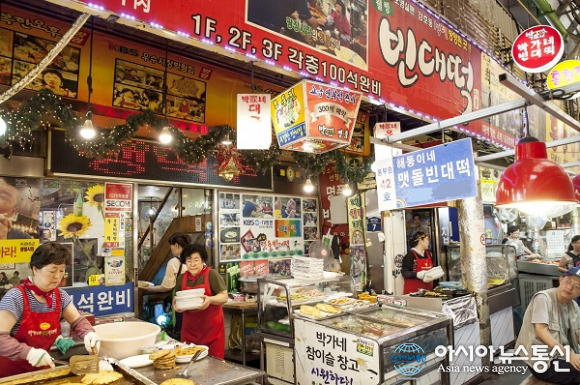
On a recent Saturday morning, wandering through the bustling lanes of Gwangjang Market in Seoul, the aroma of sizzling delicacies was almost intoxicating. Known for its vibrant food scene, Gwangjang attracts locals and tourists alike who come to experience traditional Korean street food at its finest. Among the various offerings, bindaetteok, or mung bean pancakes, stood out as a must-try delicacy.
What Is Bindaetteok?
Bindaetteok is a crispy pancake made from ground mung beans, seasoned with ingredients like vegetables, meat, and occasionally seafood. This dish is typically served with a side of soy sauce and a sprinkle of sesame seeds. Its warm, hearty texture is comforting, making it perfect for a quick meal or snack. Unlike other pancakes, bindaetteok has a unique, nutty flavor thanks to the mung beans, setting it apart in the vast array of Korean street foods.
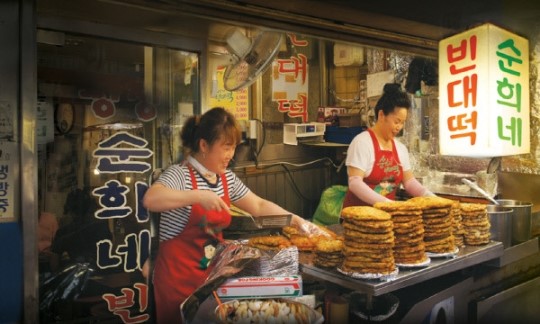
The Bindaetteok Experience at Gwangjang Market
Upon approaching one of the well-loved bindaetteok stalls, the excitement was palpable. Stall owners expertly ground mung beans, flipping pancakes on hot griddles with practiced ease. The sound of sizzling batter drew me in, and I was eager to savor this iconic dish. I ordered one for 4,000 won (approximately $3), a fair price considering the quality and the overall experience of enjoying food in such a lively atmosphere.
Where to Find It
The best place to sample bindaetteok is at the numerous food stalls within Gwangjang Market. Among the most renowned is Sunhui Bindaetteok, consistently praised for its fresh ingredients and crispy texture. Their bindaetteok is often cooked to order, ensuring that each pancake retains its crunch. Another excellent option is Hwa Jai Bindaetteok, which offers a delightful version that includes meat and green onions, adding a savory depth to the classic recipe. Visitors can find both stalls near the entrance of the market, making them easily accessible for first-time visitors.
The Taste Test
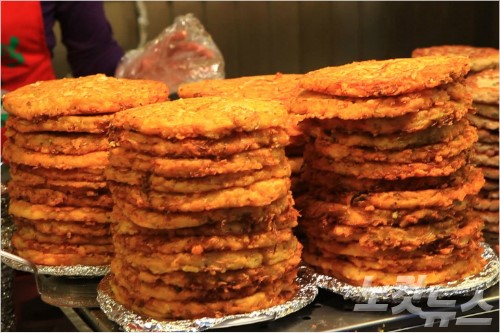
When my bindaetteok was handed over, I took a moment to appreciate its appearance. Golden brown and slightly greasy, the pancake was still hot to the touch. Dipping it into the accompanying soy sauce, I took my first bite. The exterior was wonderfully crunchy, while the inside was soft and flavorful, enriched by the taste of mung beans and a hint of sesame oil. It felt satisfying without being overly heavy, a common concern with fried foods. Each bite was a delightful balance of textures, making it easy to see why this dish is a favorite among both locals and tourists.
Is It Overrated?
The hype surrounding Gwangjang Market bindaetteok is substantial, yet it lives up to its reputation. The experience feels genuine, the atmosphere lively, and the taste memorable. However, if you’re someone looking for a refined dining experience, you might find it lacking. This is street food at its best — a bit messy, a bit loud, but entirely authentic. The communal dining experience, where tables are often shared, adds to the charm. It’s a casual setting, perfect for engaging with fellow food enthusiasts.
Additional Delights at Gwangjang Market
If you’re at Gwangjang Market, don't limit yourself to just bindaetteok. The market is home to a variety of traditional dishes, each offering a glimpse into Korea's culinary heritage. Here are some recommendations:
- Mayak Gimbap (addictive mini seaweed rice rolls) - 3,000 won ($2): These tiny rolls are filled with seasoned vegetables and a hint of sesame oil. They are often described as addictive for their perfect balance of flavors and textures, making them an ideal snack or side dish.
- Jeon (Korean pancakes with various fillings) - 5,000 won ($4): These pancakes can vary widely depending on the ingredients used, from zucchini to seafood. They are perfectly crispy on the outside and soft inside, making them a great choice for sharing.
- Sundae (blood sausage) - 6,000 won ($5): A traditional Korean dish, sundae is often filled with sweet potato noodles and served with a side of spicy dipping sauce. It can be an acquired taste, but it's worth trying for the experience.
- Hotteok (sweet syrup-filled pancakes) - 2,000 won ($1.50): These are a delightful dessert option, especially during colder months. They are filled with a mix of brown sugar, cinnamon, and nuts, offering a warm and sweet finish to your meal.
Each of these dishes deserves attention and is well worth trying. For example, the Mayak Gimbap is an excellent complement to bindaetteok, as its small size makes it a perfect snack. Meanwhile, Sundae, often served with a side of spicy dipping sauce, showcases another side of Korean street food. The variety ensures that there’s something for everyone, including vegetarian options.
Visiting Tips
Here are a few practical tips to make the most of your Gwangjang Market experience:
- Go Early: The best selections are often available in the morning, and it’s generally less crowded at that time. Arriving early allows you to explore freely and sample a wide range of dishes without feeling rushed.
- Bring Cash: Many stalls only accept cash, so come prepared to avoid disappointment. ATMs are available nearby, but it's best to have enough on hand to try various foods.
- Be Open to Experimentation: Don’t shy away from trying unfamiliar dishes; this is part of the experience. The vendors are often happy to explain their offerings, and sampling new flavors is a great way to immerse yourself in local food culture.
- Time Your Visit: While weekends can be bustling, weekday visits offer a more relaxed atmosphere. However, be mindful that some stalls may close earlier during the week, so plan accordingly.
- Dress Comfortably: Wear comfortable shoes, as you’ll likely spend a good amount of time standing and walking through the market. The vibrant and bustling environment encourages exploration and enjoyment.
- Stay Hydrated: While indulging in all the food, don't forget to drink water, especially during warmer months. Gwangjang Market is lively, and it's easy to forget about hydration when you're focused on tasting different dishes.
In sum, enjoying bindaetteok at Gwangjang Market is more than just a meal; it’s a cultural experience that captures the essence of Korean street food. The market's charm, combined with its offerings, creates a unique connection to the city’s rich history and culinary diversity.
How to Get to Gwangjang Market
If you’re traveling to Gwangjang Market, it's conveniently located in the heart of Seoul. The easiest way to get there is via public transport:
- Subway: Take Line 1 to Jongno 5-ga Station and use Exit 7. The market is just a short walk from the exit. Alternatively, you can take Line 3 to Euljiro 4-ga Station (Exit 4) and walk about 10 minutes.
- Bus: Several buses stop near Gwangjang Market, including routes 101, 145, 162, and 421. Check local bus schedules for the most convenient route from your location.
- Taxi: Taxis are readily available throughout Seoul, and drivers usually understand the name “Gwangjang Market.” Just be sure to have the name written in Hangul (광장시장) if you’re unsure about pronunciation.
The market is located near other attractions as well, such as Dongdaemun Design Plaza and Cheonggyecheon Stream, making it an ideal stop during a day of exploring the city.
FAQ
What are the operating hours of Gwangjang Market?
Gwangjang Market is generally open from 9:00 AM to 6:00 PM, but many food stalls remain open later into the evening. It’s advisable to visit earlier in the day for the freshest options, especially for bindaetteok and other dishes cooked to order.
Is Gwangjang Market accessible by public transport?
Yes, Gwangjang Market is easily accessible via public transport. You can take the subway to Jongno 5-ga Station (Line 1) and use Exit 7 or take a bus to nearby stops. Taxi services are also readily available, making it convenient to reach the market.
Are there vegetarian options available at Gwangjang Market?
Yes, there are several vegetarian-friendly options, including Mayak Gimbap and various Jeon (Korean pancakes), which can be made with vegetables. Always check with the vendors to confirm ingredients if you have dietary restrictions, as some dishes may include fish sauce or meat stock.
Can I take photos at Gwangjang Market?
Yes, photography is generally welcomed at Gwangjang Market. The vibrant colors and busy atmosphere make it a great place for capturing the essence of Korean street food culture. Just be respectful of the vendors and other customers, especially in crowded areas.
Where can I find more street food after visiting Gwangjang Market?
If you're looking for more street food, consider heading to Myeongdong or Itaewon, where there are numerous street food stalls and markets offering a variety of delicious options. Each neighborhood has its unique take on street food. For instance, Myeongdong is known for its tteokbokki (spicy rice cakes) and hotteok, while Itaewon offers a more international twist with options from around the globe.
Final Thoughts
In exploring Gwangjang Market, the experience transcends mere dining. It’s an immersive journey through layers of history, culture, and community that defines Korean street food. The marketplace serves as a living testament to the culinary traditions of Korea, where each dish tells a story and every stall reflects the dedication of its vendors. Whether you're a seasoned traveler or a first-time visitor, Gwangjang Market offers a rich tapestry of flavors waiting to be explored.
Next up, there are plans to explore the hidden gems of Seongsu-dong, particularly its burgeoning cafe scene. What are your favorite dishes from Gwangjang Market, and what experiences have left a lasting impression on you?
Images by Korean Culture and Information Service (KOGL Type 1), Bgag (CC0), Pfc. Bo Park, 2ID PAO, US Army (Public domain) via Wikimedia Commons