Hadongkwan: A Review of Seoul's Gomtang Legacy Since 1939
Explore Hadongkwan in Seoul for a taste of authentic gomtang oxtail soup, a culinary tradition since 1939 that’s worth the visit.
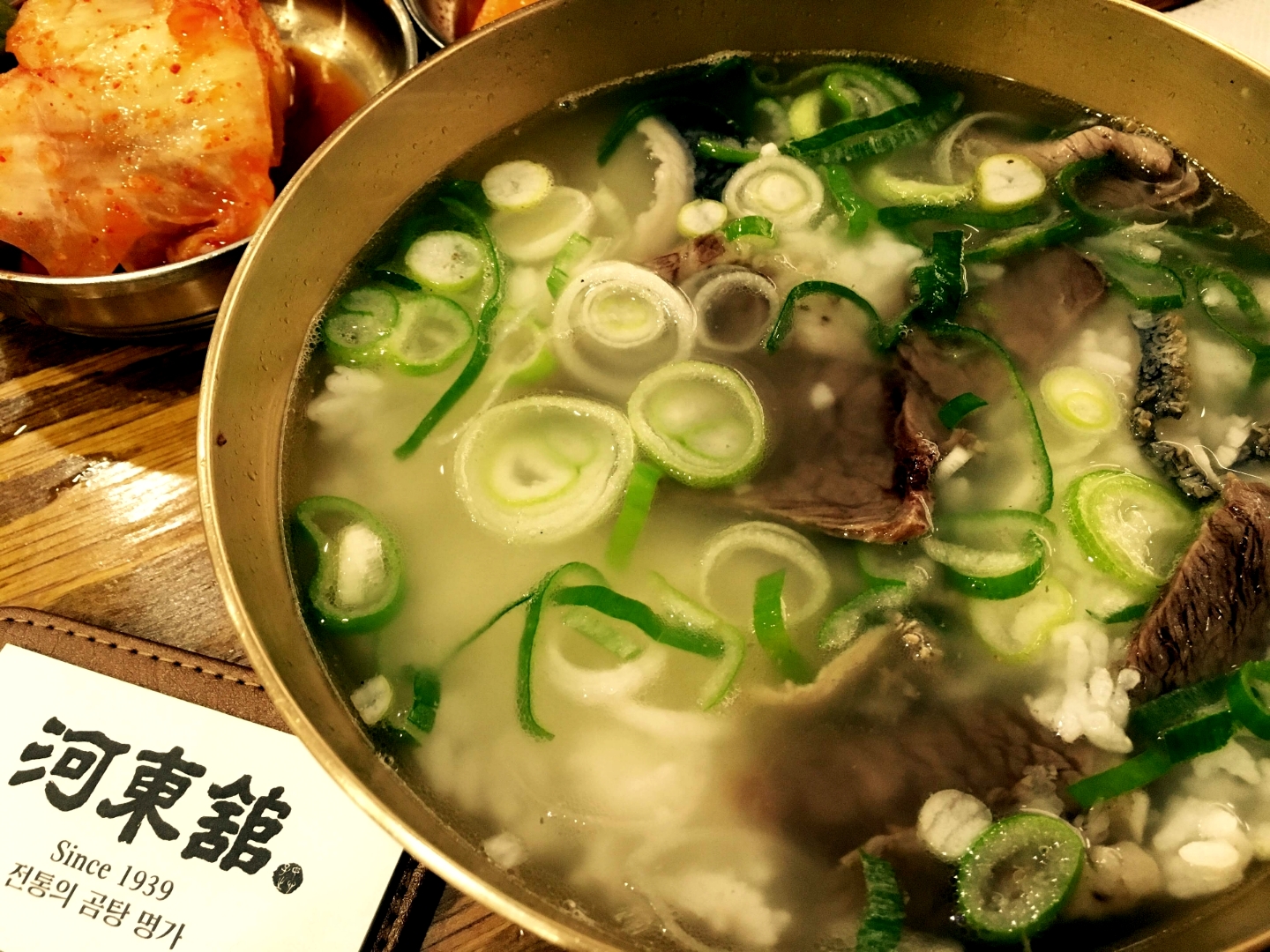
In the bustling streets of Seoul, especially in the area around Jongno, food is more than just sustenance; it’s an experience steeped in history and culture. Among the many eateries that dot this vibrant neighborhood, Hadongkwan stands out for its gomtang, a traditional oxtail soup, which has been served since 1939. With a legacy spanning decades, the question remains: does the food still hold its reputation in the modern dining scene?
The Atmosphere of Hadongkwan
Stepping into Hadongkwan, the simple, no-frills decor immediately strikes a chord. The restaurant has retained its classic charm with wooden tables and old photos hanging on the walls, offering a glimpse into its long history. Despite its age, the space feels welcoming rather than dated, attracting both locals and tourists seeking an authentic taste of Korean cuisine. The restaurant often buzzes with chatter, offering a sense of community that is hard to find in more modern dining establishments.
What Is Gomtang?
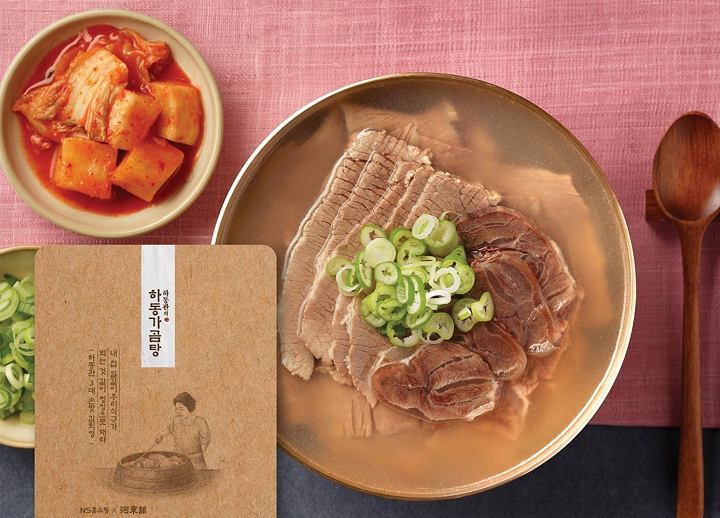
For those unfamiliar, gomtang is a hearty soup made from simmered oxtail and bones, resulting in a rich broth often served with rice. It’s a comfort dish that embodies the essence of Korean home cooking, simple yet rejuvenating. Hadongkwan’s gomtang is especially known for its clear, clean taste, a quality that many modern interpretations lack. The preparation of gomtang involves a slow simmering process, allowing the flavors to meld and mature, creating a dish that is both nourishing and satisfying.
What I Ordered
During my visit, I opted for the classic gomtang, priced at 9,000 won (approximately $7.50), alongside a side of kimchi, which is a staple in any Korean meal. The menu also offers a variety of side dishes, including pickled radish and seasoned vegetables, but my focus was on the soup itself. This decision was deliberate, as I wanted to truly appreciate the depth of flavor that gomtang has to offer.
The Taste Test
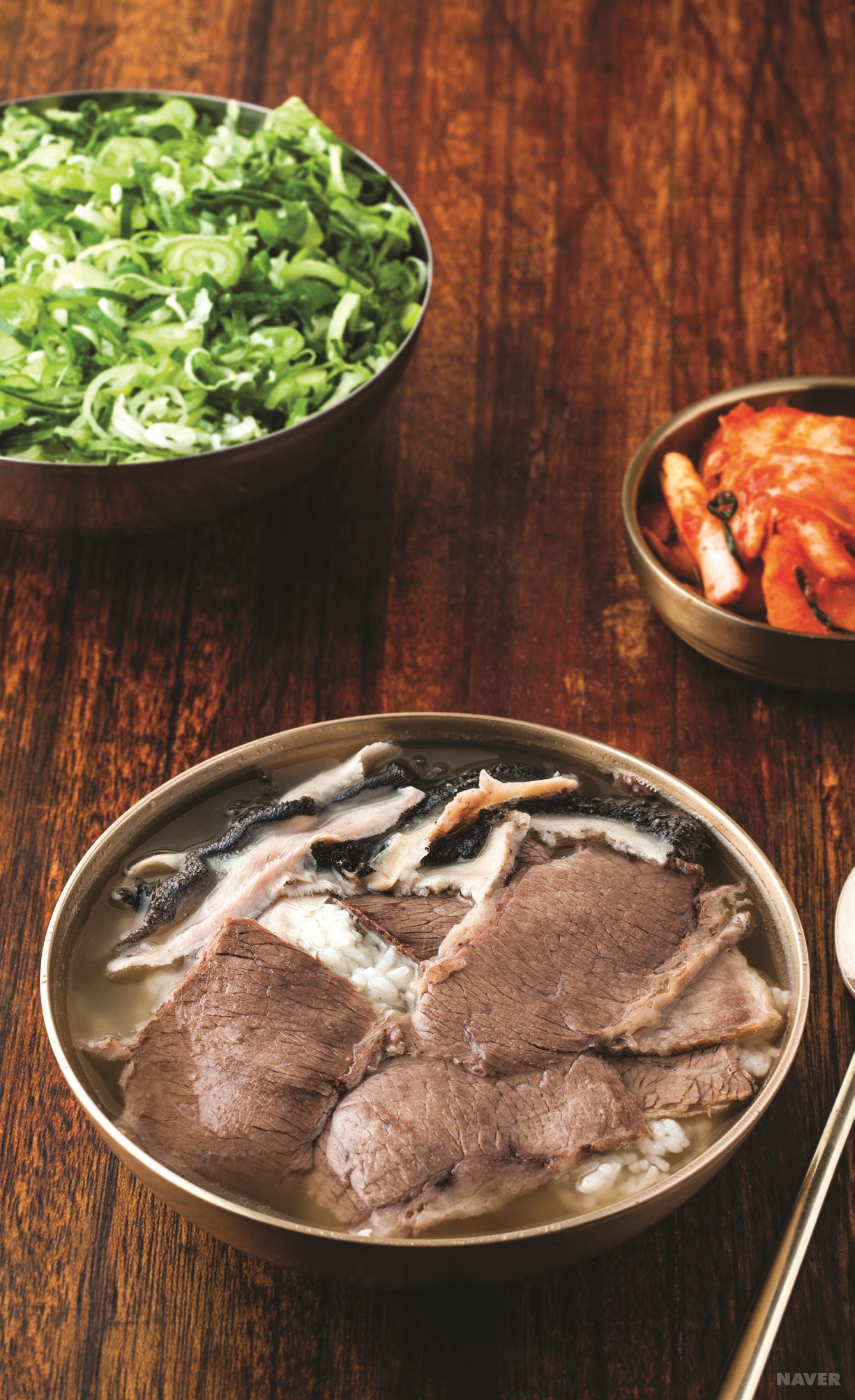
When the soup was placed before me, the rich aroma wafted upwards, instantly whetting my appetite. Typically, a bowl of gomtang comes with a generous serving of tender oxtail and a sprinkle of green onions. The first sip revealed a deeply flavorful broth, showcasing a satisfying umami depth that can only come from hours of simmering. The oxtail was cooked to perfection; the meat practically fell off the bone, providing a tender and rich mouthful.
Flavours and Accompaniments
What I appreciated most about Hadongkwan's gomtang was the balance of flavors. The broth is seasoned simply with salt and pepper, allowing the natural taste of the oxtail to shine without being overwhelmed by additional spices. This minimalist approach is refreshing in a culinary landscape where heavy seasonings often take center stage. The quality of the ingredients speaks for itself, and this simplicity is a hallmark of true Korean home cooking.
The kimchi served alongside was tangy and had just the right amount of spice, making it an excellent complement to the rich soup. I also noticed a small dish of garlic and fermented shrimp paste on the table, which some diners use to enhance their soup further. I tried it, and while it added an interesting kick, I found the soup to be best enjoyed in its pure form. The interplay of the gomtang’s savory depth and the kimchi’s bright acidity creates a satisfying balance that makes each bite an adventure.
Value for Money
At 9,000 won (around $7.50), the price for gomtang feels fair given the quality and serving size. In comparison to other similar dishes in the city, where prices can soar without a corresponding increase in quality, Hadongkwan offers a solid value. You certainly get your money's worth in both flavor and satisfaction. It’s a dish that fills you up without feeling heavy, making it a solid option for any meal of the day. Other restaurants in the neighborhood charge upwards of 12,000 won for a less satisfying experience, further highlighting Hadongkwan's competitive pricing.
The Crowds and Service
During my visit, the restaurant was buzzing with a mix of locals and tourists—an encouraging sign for any dining establishment. The turnover was brisk, yet the staff managed to keep things running smoothly. They were prompt, polite, and seemed knowledgeable about the menu, which is always a plus. Observing the staff’s interactions with regular patrons revealed a familiarity that adds a level of comfort to the dining experience. It felt less like a transaction and more like a visit to a friend's home, where the host genuinely cares about your satisfaction.
Is Hadongkwan Overrated?
In a city like Seoul, where new trends often overshadow traditional establishments, it’s easy for places like Hadongkwan to be seen as overrated. However, my experience suggests that there’s more than mere hype at play here. The consistency of their gomtang since 1939 speaks volumes about their commitment to quality and authenticity. While it's common for long-standing restaurants to rest on their laurels, Hadongkwan has continued to deliver a dish that resonates with both nostalgia and modern taste. The bustling crowds and the warm atmosphere further emphasize that this place is not just riding the wave of its history but rather thriving in the present culinary scene.
Final Thoughts
Hadongkwan is a testament to the charm of traditional Korean cooking. The gomtang is a delightful representation of what Korean cuisine can offer—simple yet sophisticated, comforting yet invigorating. The combination of well-sourced ingredients and time-honored techniques creates a dish that feels both personal and universal. If you find yourself in Jongno, particularly on a chilly day, this restaurant is worth a visit for its iconic gomtang. You may even find yourself returning to savor its warmth on another occasion.
Next, I plan to explore some lesser-known restaurants in Yeonnam-dong that are making waves with their innovative takes on classic Korean dishes. What about you? Have you tried Hadongkwan's gomtang, or do you have a favorite restaurant in Jongno that you would recommend?
FAQ
What is the history of Hadongkwan?
Hadongkwan opened its doors in 1939, making it one of the oldest establishments serving gomtang in Seoul. The restaurant has maintained its traditional recipes and cooking methods over the decades, contributing to its lasting reputation.
Is gomtang suitable for those with dietary restrictions?
Gomtang is primarily made from oxtail and broth, which may not be suitable for vegetarians or vegans. Additionally, it contains gluten and may not be appropriate for those with gluten sensitivities. Always check with the staff regarding specific ingredients to ensure a safe dining experience.
What are other recommended dishes at Hadongkwan?
While gomtang is the star of the menu, Hadongkwan also offers other traditional Korean dishes such as seolleongtang (ox bone soup) and various side dishes that complement the main offering. Customers often enjoy pairing their gomtang with kimchi or pickled vegetables.
How does Hadongkwan compare to other gomtang restaurants in Seoul?
Hadongkwan is known for its clear broth and tender oxtail, setting it apart from other gomtang restaurants that may include more spices or additional ingredients. Its long-standing history and consistent quality make it a benchmark for many gomtang lovers in Seoul.
When is the best time to visit Hadongkwan?
Hadongkwan is popular year-round, but it is particularly inviting during the colder months. Visiting during off-peak hours, such as early afternoons or weekday evenings, may help avoid crowds and provide a more relaxed dining experience.
Photos by makafood, makafood, Theodore Nguyen via Pexels