Jin Ramen Mild vs Spicy: An Honest Taste Test
Join me in a side-by-side taste test of Jin Ramen's mild and spicy varieties, revealing the true flavour profiles of this popular Korean staple.
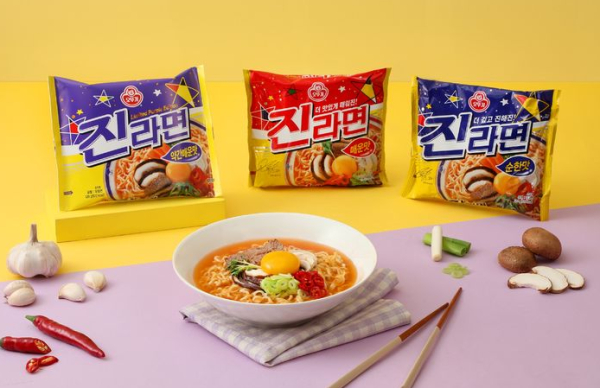
As I wandered through H Mart in Gangnam, I couldn't help but be overwhelmed by the sheer number of ramen options lining the shelves. Among these, Jin Ramen consistently catches the eye—not just for its bold packaging, but also for its standing as a beloved comfort food in Korea. That afternoon, I decided to put both the Jin Ramen Mild and the Jin Ramen Spicy varieties to the test. In this post, I’ll share my observations regarding their taste, preparation, and overall experience.
Packaging and Price
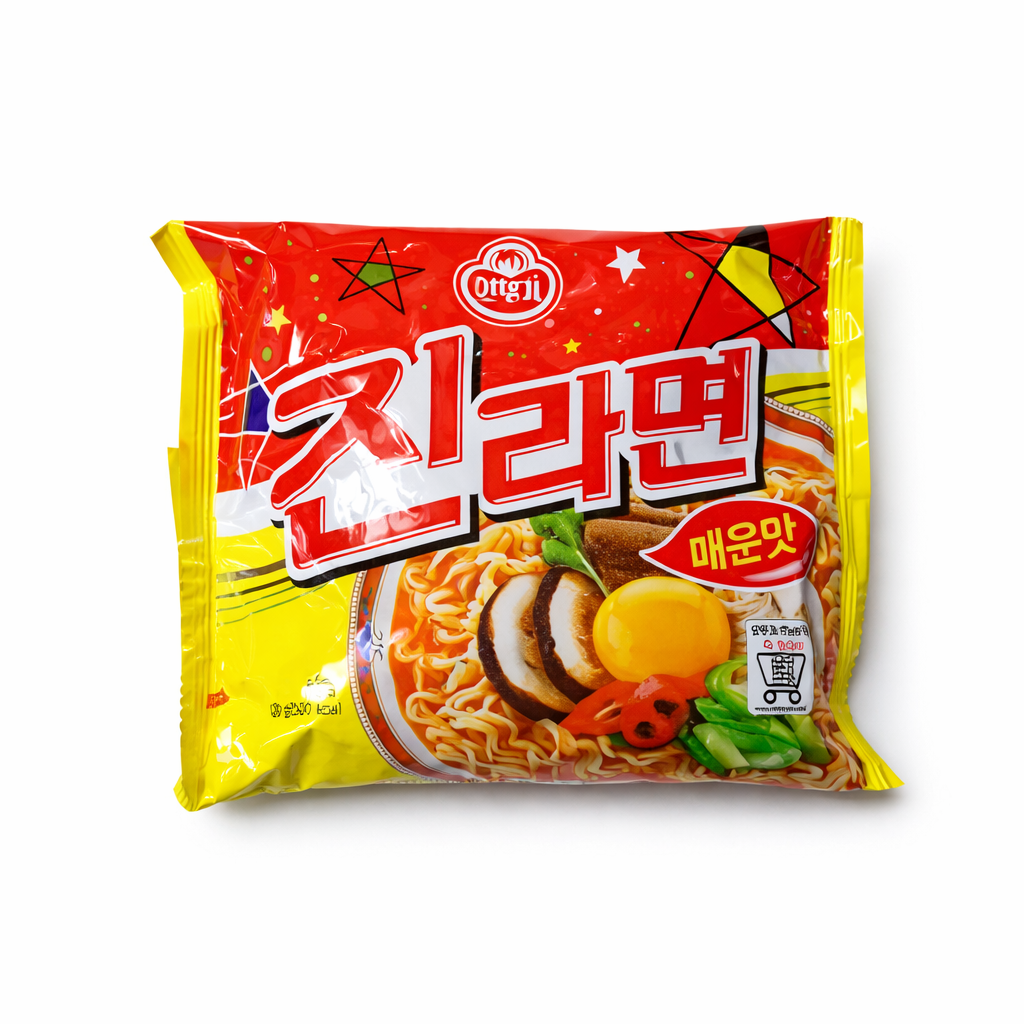
Both varieties of Jin Ramen feature a striking red and white design, making them easily recognizable even among the myriad of instant ramen available. The Mild version typically retails for about 1,500 won (around $1.10), while the Spicy variant is slightly more expensive at 1,800 won (approximately $1.30). These prices are consistent with the market, providing good value for a convenient meal.
For those unfamiliar with the instant ramen scene in Korea, it's worth noting that Jin Ramen is produced by Nongshim, a well-regarded brand that has set a high standard in the industry. When you compare the pricing to other popular brands like Samyang or Paldo, Jin Ramen remains competitively priced while offering a distinct flavor profile. For example, a pack of Samyang Buldak Bokkeummyeon, known for its extreme spice, typically goes for about 2,000 won. The choice comes down to whether you’re looking for comfort or a spicy thrill.
Preparation Method
Preparing both types of Jin Ramen is straightforward—just boil water, add the noodles, and let them cook for about five minutes. I adhere to the recommended instructions, which involve adding the seasoning packets after draining the noodles. This method tends to enhance the flavors and allows the seasoning to coat the noodles evenly.
For those who are new to cooking ramen, here’s a simple step-by-step guide:
- Boil about 550 ml of water in a pot.
- Add the noodles and cook for 4-5 minutes, stirring occasionally.
- Once cooked, drain most of the water, leaving about 2-3 tablespoons for a richer broth.
- Add the seasoning packet and stir well to combine.
- Enjoy your ramen plain or enhance it with your choice of toppings!
Some people prefer to add the seasoning while the noodles are still cooking, which can create a more flavorful broth. This is worth trying if you enjoy a rich and hearty soup.
Taste Test: Jin Ramen Mild
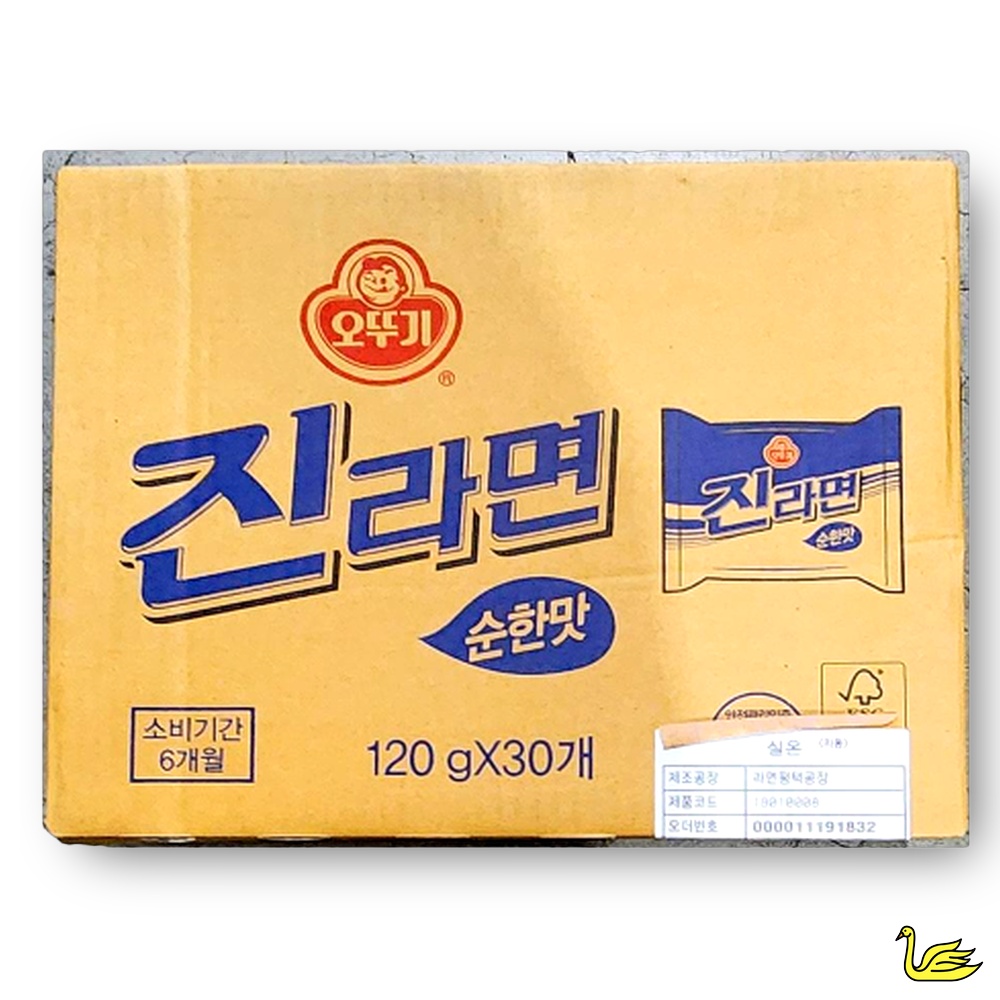
Starting with the Mild version, the gentle aroma is inviting and comforting. The broth has a rich yet understated flavor profile, allowing the delicate taste of the noodles to come through. Here are my specific observations:
- Broth: Smooth and slightly savory, with hints of umami that make it comforting without being overwhelming.
- Noodles: Chewy and satisfying, cooked to the perfect al dente texture.
- Overall Impression: Ideal for those who prefer a milder flavor without the intensity associated with many Korean instant noodles.
With each slurp, it became apparent that this ramen is designed for those who want a quick meal without the fiery kick of spice. While I appreciated the simplicity of the Mild variety, I couldn't help but wonder if it lacked a certain depth that might make it more interesting.
For those who want to elevate their Mild ramen experience, consider adding:
- Seafood: A few pieces of shrimp or some fish cake can add an interesting layer of flavor.
- Greens: Adding bok choy or spinach can provide a nice contrast to the broth's richness.
- Spices: A sprinkle of sesame seeds or a dash of soy sauce can enhance the umami notes.
Taste Test: Jin Ramen Spicy
Next, I turned my attention to the Spicy version. Upon opening the package, the aroma was markedly stronger and more assertive, suggesting a flavor explosion to come. The broth’s deeper red hue served as a visual cue for its greater intensity. Here’s what I noted:
- Broth: Rich and robust, with a spiciness that builds gradually, lingering pleasantly on the palate.
- Noodles: Retained their chewiness and complemented the stronger flavor of the broth perfectly.
- Overall Impression: Satisfying heat that appeals to those looking for a bit of excitement in their meal.
The Spicy ramen certainly delivers a punch, and I found the balance of heat and flavor to be remarkably well-executed. It didn’t overwhelm but rather provided a satisfying kick that would likely please spice enthusiasts.
For those who enjoy the Spicy ramen, consider these enhancements:
- Kimchi: Adding a side of kimchi can elevate the whole experience, introducing tanginess that complements the heat.
- Cheese: A slice of processed cheese will melt into the broth, creating a richer, creamier texture.
- Tofu: Adding cubed tofu can make the dish heartier while absorbing the spicy broth.
Comparative Insights
Comparing both varieties highlights several key differences that cater to distinct preferences:
- Intensity: The Mild version offers a delicate taste, while the Spicy delivers a more robust experience that awakens the senses.
- Versatility: The Mild variant is more adaptable, making it easier to add ingredients like eggs or vegetables without overpowering them.
- Aftertaste: The Mild leaves a clean finish, while the Spicy has a lingering warmth that remains after the last bite.
While the Mild option serves well for a quick and uncomplicated meal, the Spicy version stands out for those looking to enliven their taste buds. It's interesting to note how these two varieties can coexist harmoniously in a kitchen, catering to different moods and preferences.
Real-life Applications and Pairings
In addition to enjoying them straight from the bowl, both Jin Ramen varieties can be enhanced with various toppings and side dishes. Some local favorites include:
- Egg: A soft-boiled or poached egg can add creaminess and richness, enhancing both varieties.
- Vegetables: Adding simple ingredients like green onions, bok choy, or mushrooms can elevate the dish, especially for the Mild version.
- Protein: Toppings like grilled chicken or tofu can turn a quick meal into a more filling option.
For those who might want to experiment, consider trying these ramen varieties as part of a larger meal. Pairing them with Korean side dishes (banchan) such as kimchi or pickled radish can create a more balanced dining experience. In Korean meals, it's common to have a variety of dishes that complement each other, and these ramen types can fit right in.
Final Thoughts
In summary, both Jin Ramen Mild and Jin Ramen Spicy have unique merits that contribute to their popularity across Korea. They cater to different tastes, making them staples in many households. While the Mild offering presents a comforting simplicity, the Spicy variant provides the flavorful excitement I often crave. The affordability of both options makes them accessible choices for anyone looking for a quick meal.
Have you tried either of these varieties? What do you think? I’d love to hear about your experiences and whether there’s another ramen brand you believe rivals Jin Ramen. In my upcoming post, I’ll explore local street foods that capture the authentic flavors of Seoul, providing a further glimpse into the culinary delights this city has to offer.
FAQ
What is the difference in spice level between Jin Ramen Mild and Spicy?
The Mild version is designed for those who prefer a gentler taste, while the Spicy version offers a noticeable kick that builds gradually. If you're sensitive to spice, the Mild version may be a better choice.
Can I customize these ramen varieties with additional toppings?
Absolutely. Both varieties can be enhanced with toppings like soft-boiled eggs, vegetables, or proteins, allowing for a more satisfying meal. The Mild version is particularly versatile for these additions.
Where can I find Jin Ramen in Seoul?
Jin Ramen can be found in most major supermarkets across Seoul, including H Mart and Olive Young. It's also widely available in convenience stores like GS25 and CU. If you’re in a neighborhood like Itaewon or Hongdae, you might find local shops that carry international snacks, including Jin Ramen.
How do these ramen types compare to other brands?
While Jin Ramen is popular for its rich flavors and affordability, many other brands, such as Nongshim and Samyang, have their unique offerings. Each brand has its flavor profile, so personal preference plays a significant role in determining which you might prefer. For example, Samyang's Buldak Bokkeummyeon is known for its extreme spiciness, while Paldo’s Jjajangmyeon focuses on a sweeter black bean sauce flavor.
Are there any health considerations with consuming instant ramen?
Instant ramen is generally high in sodium and may lack certain nutrients compared to fresh meals. While it's fine for occasional consumption, balancing it with healthier options is advisable to maintain a well-rounded diet. Consider adding a side of fresh vegetables or a protein source to make it a more balanced meal.
What are some common Korean side dishes to serve with ramen?
Common side dishes that pair well with ramen include kimchi, pickled radish (danmuji), and spicy cucumber salad (oi sobagi). These banchan enhance the overall meal experience by adding different textures and flavors that complement the ramen.
Photos by Theodore Nguyen, Kampus Production, William Bradshaw via Pexels