Korean Home Cooking Dishes Locals Actually Make
Explore authentic Korean home cooking dishes that locals enjoy making, from comforting stews to simple side dishes, all rooted in tradition.
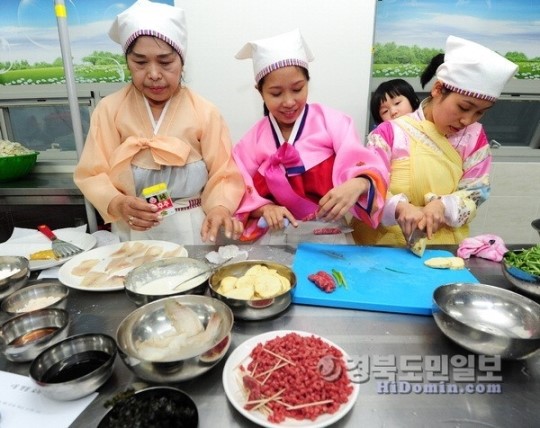
Strolling through Yeonnam-dong, the scent of simmering kimchi jjigae wafts from many homes, a testament to the culinary traditions that define Korean households. While trendy restaurants might showcase contemporary twists on classic dishes, many locals still turn to time-honoured recipes that evoke nostalgia and comfort. It is not uncommon to see families in various neighborhoods across Seoul gathering around a table laden with home-cooked meals, reminiscing about their favorite childhood dishes. Here are some examples of Korean home cooking dishes that residents regularly make.
1. Kimchi Jjigae (김치찌개)
Arguably the most iconic Korean stew, kimchi jjigae is a staple in many homes. Made with overripe kimchi, pork, tofu, and a variety of aromatics, this dish is both hearty and flavourful. The great thing about kimchi jjigae is that it’s forgiving; you can adjust the ingredients based on what you have at home. Ingredients can be found easily at local grocery stores like H Mart or Olive Young, with prices ranging from 4,000 won (approximately $3) for kimchi to 8,000 won ($6) for pork belly. Some families even add a bit of tuna or other proteins for an extra twist. If you want to try making this dish, a simple recipe involves sautéing pork with kimchi, adding water, and simmering until everything melds together.
2. Bibimbap (비빔밥)
Bibimbap translates to 'mixed rice,' and it’s a dish that varies widely across families. The base usually consists of warm rice topped with assorted vegetables, gochujang (red pepper paste), and an egg. Some families in Gangnam opt to add bulgogi, while others may include tofu or seafood. A homemade bibimbap can cost around 5,000 won ($4) when you factor in the price of vegetables and rice. Each ingredient can be prepped separately, making it a great dish for using up leftover vegetables. For a more authentic touch, consider adding a fried egg on top, which adds richness and ties all the flavors together.
3. Japchae (잡채)
This stir-fried noodle dish made from sweet potato starch noodles is a popular choice for gatherings and special occasions. Japchae is not only delicious but also visually appealing, with its vibrant colors from bell peppers, spinach, and carrots. Families often prepare this dish in bulk, making it a regular at celebrations. The main ingredients, including vegetables and beef, can be found at local markets for about 15,000 won ($12) total. To make japchae, you simply need to soak the noodles, stir-fry the vegetables and meat, and then combine everything with a savory soy sauce mixture. This dish can easily be made ahead of time and served at room temperature, making it ideal for parties.
4. Sundubu Jjigae (순두부찌개)
Sundubu jjigae is a silken tofu stew that is especially comforting during colder months. With a base of anchovy broth, the dish usually features seafood or meat, and is topped with a raw egg just before serving. Many locals grab their tofu from small neighbourhood shops, costing around 3,000 won ($2.50) for a block of sundubu. If you want to add some heat, don’t hesitate to throw in extra gochugaru (red pepper flakes) to the broth. A common practice is to serve sundubu jjigae alongside a bowl of steaming rice, allowing you to mix the two for a delightful combination of flavors.
5. Galbitang (갈비탕)
This soothing beef short rib soup is perfect for family gatherings. Galbitang is simmered for hours, allowing the meat to become tender and flavorful. Ingredients can be a bit pricier, with short ribs costing around 20,000 won ($15) at the butcher. However, it’s often worth it for the hearty and rich broth. A traditional recipe includes soaking the ribs in cold water to remove impurities before cooking them slowly with radishes, garlic, and green onions. The result is a deeply satisfying soup that pairs wonderfully with rice and kimchi.
6. Banchan (반찬)
No Korean meal is complete without banchan, which are small side dishes served with rice. Common banchan include namul (seasoned vegetables), pickled radish, and jeon (pancakes). Making these dishes can be simple and inexpensive, with most sides costing less than 2,000 won ($1.50) each to prepare. They are often made in large batches to last through the week. For example, namul can be quickly prepared by blanching vegetables and seasoning them with sesame oil and salt. Having a variety of banchan allows for delicious combinations, enriching the main dish experience.
7. Tteokguk (떡국)
This rice cake soup, traditionally eaten during the Lunar New Year, is a favorite comfort food for many. Tteokguk is made with thinly sliced rice cakes and beef broth, symbolizing the start of a new year. You can find fresh rice cakes in places like H Mart for about 5,000 won ($4). The cooking process involves boiling the broth and adding the rice cakes until they are soft. For an added touch, garnish with sliced eggs and green onions. This dish not only warms the body but also carries the essence of family traditions and new beginnings.
8. Doenjang Jjigae (된장찌개)
Another beloved stew, doenjang jjigae is made with fermented soybean paste. This dish is often loaded with vegetables and can include tofu or seafood. It’s a regular for many households, thanks to its deep flavor and ease of preparation. A serving can be made for around 4,000 won ($3). To make doenjang jjigae, start by dissolving the soybean paste in your broth, then add your choice of vegetables and proteins. This stew is hearty and comforting, making it perfect for any meal.
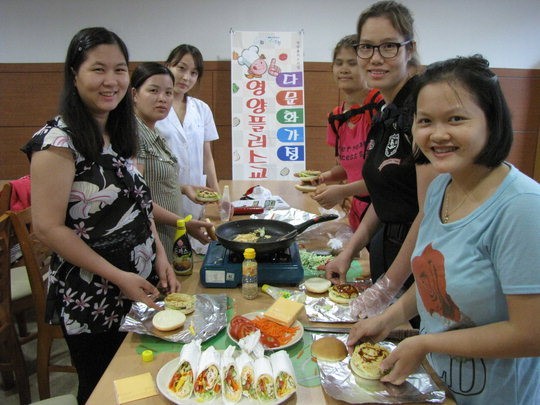
9. Kimbap (김밥)
Often called Korean sushi, kimbap consists of rice and various fillings rolled in seaweed. Families in Seongsu-dong often create their own versions, with fillings ranging from pickled vegetables to bulgogi. Making kimbap is not only economical, with a roll costing about 3,000 won ($2.50) to prepare, but also a fun activity to do together. You can experiment with different fillings to suit your taste. It’s common to make kimbap for picnics or quick lunches, emphasizing its versatility and ease of preparation.
10. Gyeran-jjim (계란찜)
Gyeran-jjim, or steamed egg custard, is often served as a side dish in Korean meals. It’s light, fluffy, and easy to make, using just eggs, water, and a bit of seasoning. Typically, it can be prepared for less than 2,000 won ($1.50), making it an affordable addition to any meal. The beauty of gyeran-jjim lies in its simplicity; some families add ingredients like scallions or carrots to enhance the flavor, creating a soft and creamy texture that complements the main dish perfectly.
Conclusion
Korean home cooking reflects a blend of tradition and personal flair. Whether it’s a simple bowl of kimchi jjigae or an elaborate galbitang for special occasions, these dishes not only nourish the body but also connect families and friends. If you’ve tried any of these dishes at home, sharing personal experiences could enlighten others about regional variations or special family recipes that might differ from the mainstream. What dish reminds you most of home cooking?
FAQ
What are some essential ingredients for Korean home cooking?
Common ingredients include gochujang (red pepper paste), doenjang (fermented soybean paste), kimchi, rice, and various vegetables like zucchini and spinach. Having these staples will allow you to prepare many traditional dishes.
Where can I find authentic Korean ingredients in Seoul?
Local markets such as Gwangjang Market or grocery stores like H Mart and Olive Young are excellent places to find authentic Korean ingredients. For fresh produce, visit the farmers' markets that pop up in various neighborhoods.
Can I make these dishes vegetarian?
Absolutely. Many Korean dishes can easily be adapted to vegetarian diets. For instance, use vegetable broth instead of meat-based broth in stews and replace meat with tofu or mushrooms.
How do I store leftover Korean dishes?
Most Korean dishes can be stored in airtight containers in the refrigerator for a few days. Stews like kimchi jjigae often taste even better the next day as the flavors meld together.
What are some other Korean dishes to try making at home?
Consider trying bulgogi (marinated beef), tteokbokki (spicy rice cakes), or pajeon (green onion pancakes). Each of these dishes offers a unique taste of Korean cuisine and can be made with relatively simple ingredients.