Korean Ramen Calorie Counts: A Closer Look at Shin Buldak Jin
Explore how Korean ramen calorie counts compare with Shin Buldak Jin's official data to understand your favourite instant noodles better.
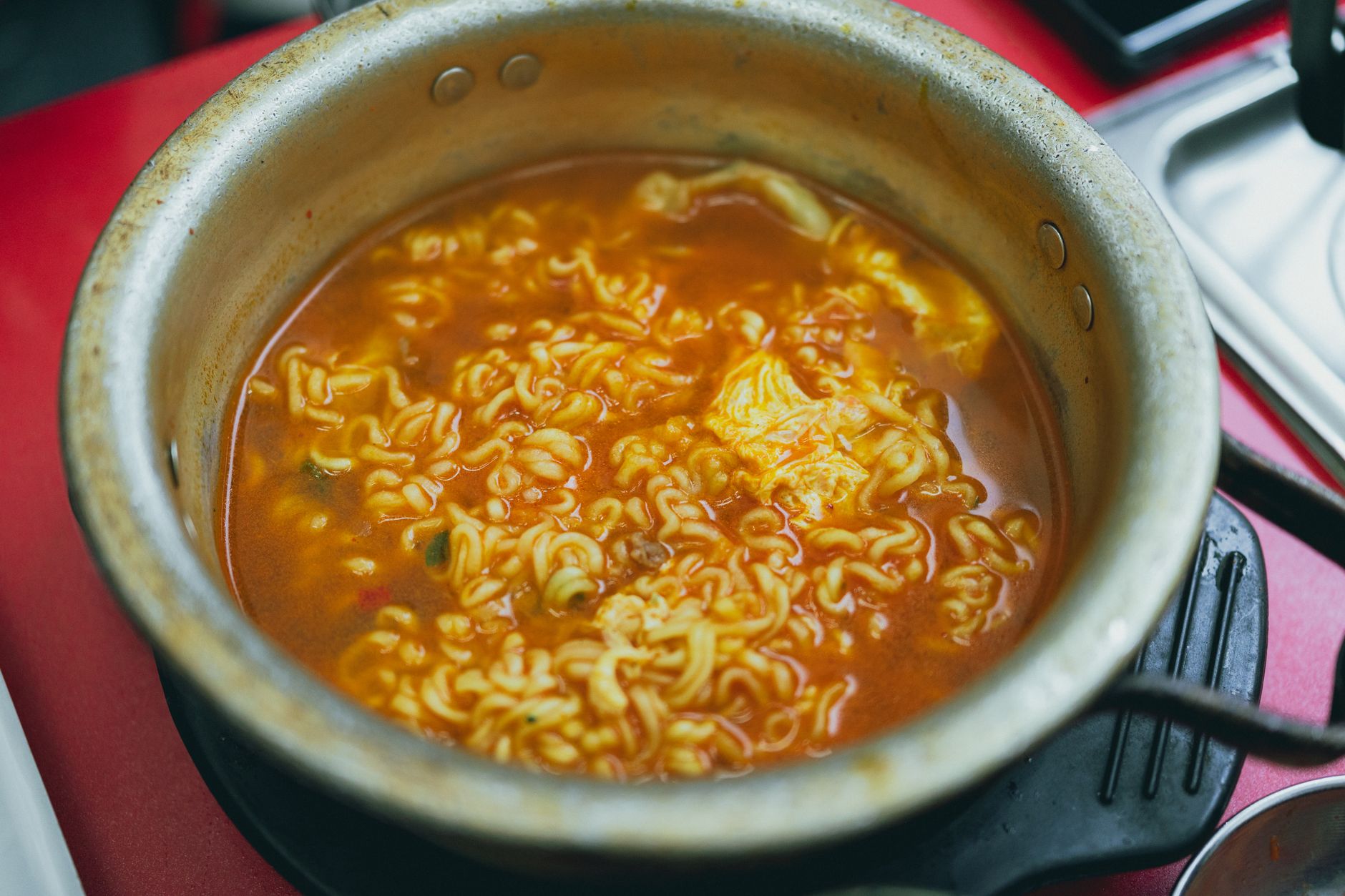
Among the many culinary treasures of Korea, ramen holds a special place, especially in Seoul. Visiting local convenience stores or grocery outlets like H Mart, I often find myself standing in front of shelves brimming with various ramen options, trying to decipher which ones are truly worth my attention. One name that frequently jumps out is Shin Buldak Jin, a spicy instant noodle that has amassed a cult following. However, as I indulge in these noodles, I can’t help but wonder: just how many calories am I consuming?
Understanding Korean Ramen
Korean ramen is not just a quick meal; it’s a part of the culture. The instant noodle craze has exploded globally, but here in Korea, it’s almost an art form. Brands like Samyang (the makers of Shin Buldak Jin) and Nongshim offer an array of flavours that cater to diverse tastes, from spicy to savoury, and everything in between. In Seoul’s bustling Itaewon or the trendy Yeonnam-dong, ramen cafés pop up, showcasing gourmet versions of this beloved dish.
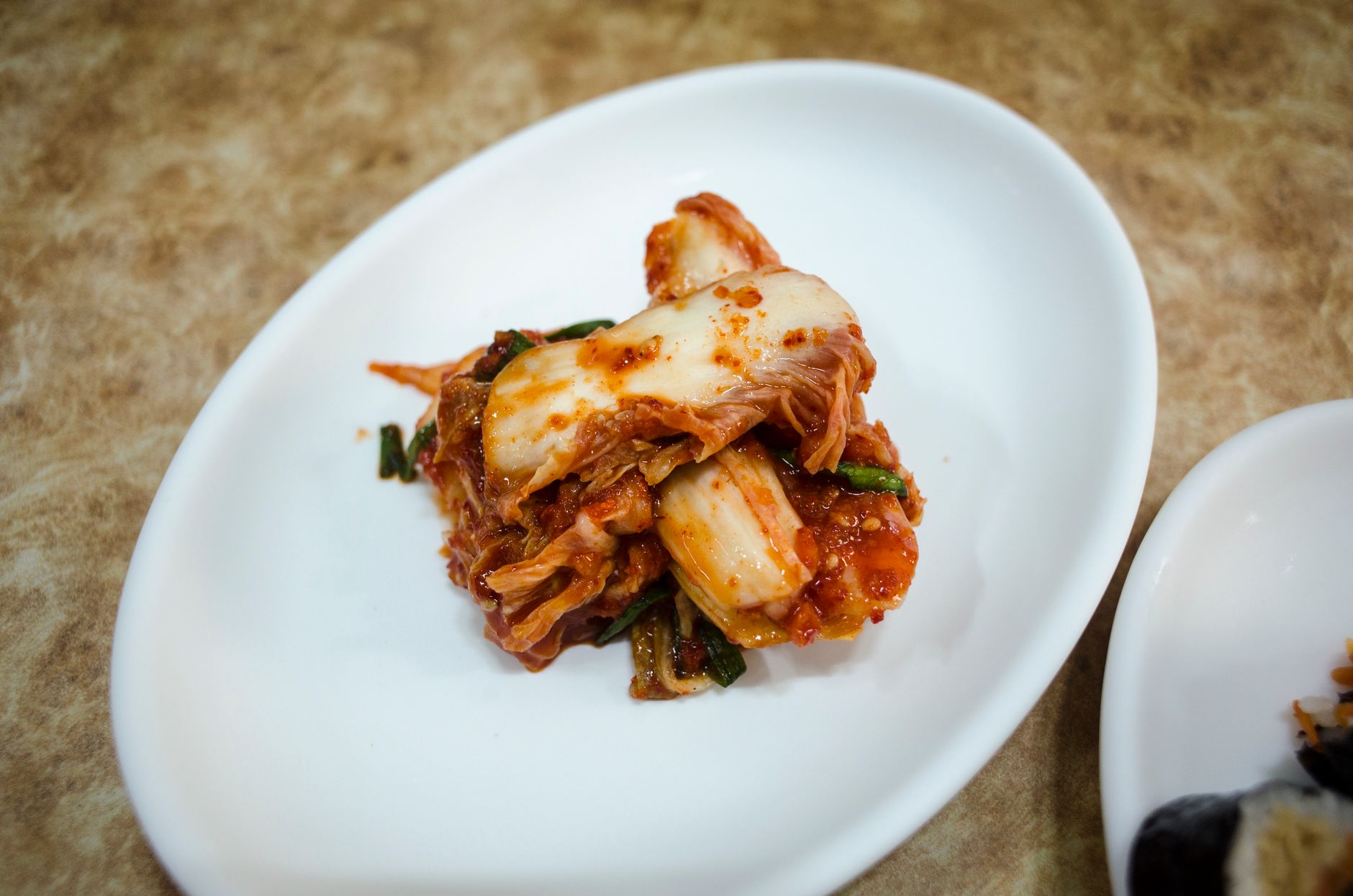
Caloric Breakdown: Shin Buldak Jin
Let’s start with the infamous Shin Buldak Jin. According to the official nutritional data provided by Samyang, a single serving (140 grams) contains around 550 calories. This is somewhat higher than many other instant noodles available in the market, which typically range between 350 to 500 calories per serving, making it essential for those keeping an eye on their intake.
Comparing with Other Popular Brands
To get a clearer understanding of how Shin Buldak Jin stands against its competitors, I looked at a few other well-known ramen brands:
- Nongshim Shin Ramyeon: About 510 calories per serving (130 grams). This brand is widely available in most supermarkets and is often considered a staple among Koreans.
- Samyang Original Ramen: Approximately 400 calories per serving (120 grams). This option is often overlooked but is still a solid choice for those who want something less intense.
- Paldo Bibim Men: Roughly 470 calories per serving (120 grams). Its cold noodle preparation gives it a unique twist, suitable for hot summer days.
This comparison shows that while Shin Buldak Jin is on the higher end, its unique flavour profile and spicy kick justify the caloric cost for many enthusiasts. It’s also worth noting that you can find these products at various prices, typically around 2,000 to 3,000 won (approximately $1.50 to $2.25) for a pack of five at local grocery stores. I often pick mine up at the Olive Young in Gangnam, where the selection is impressive.
The Spicy Appeal
Shin Buldak Jin’s allure lies not just in its calories but also in its flavour. The noodle’s extreme spiciness often leads consumers to overlook the calories. While some argue the heat enhances the experience, it’s essential to remember that increased spice often masks the perception of calories. Many may find themselves reaching for a second or even a third serving, especially if they enjoy indulging in these fiery bowls.
Health Considerations
If you're tracking calories or aiming for a balanced diet, it’s important to consider these factors:
- Portion size: Many of us may not stop at just one serving. I’ve often shared a pack with friends, and it’s easy to double or triple the intake unwittingly.
- Sodium content: Shin Buldak Jin contains a significant amount of sodium, often exceeding 2,500 mg per serving. This can be a concern for those monitoring their salt intake.
- Additional toppings: Adding vegetables or protein can enhance both the nutritional value and the flavour. For instance, I often toss in some spinach and a soft-boiled egg, which not only makes it more enjoyable but also boosts the overall nutrient profile.
For those who enjoy sharing their ramen experience, adding a few greens or an egg can enhance both the nutritional value and the flavour. I often prepare my Shin Buldak Jin with a sprinkle of chopped green onions and a dollop of sesame oil, elevating the dish's depth.
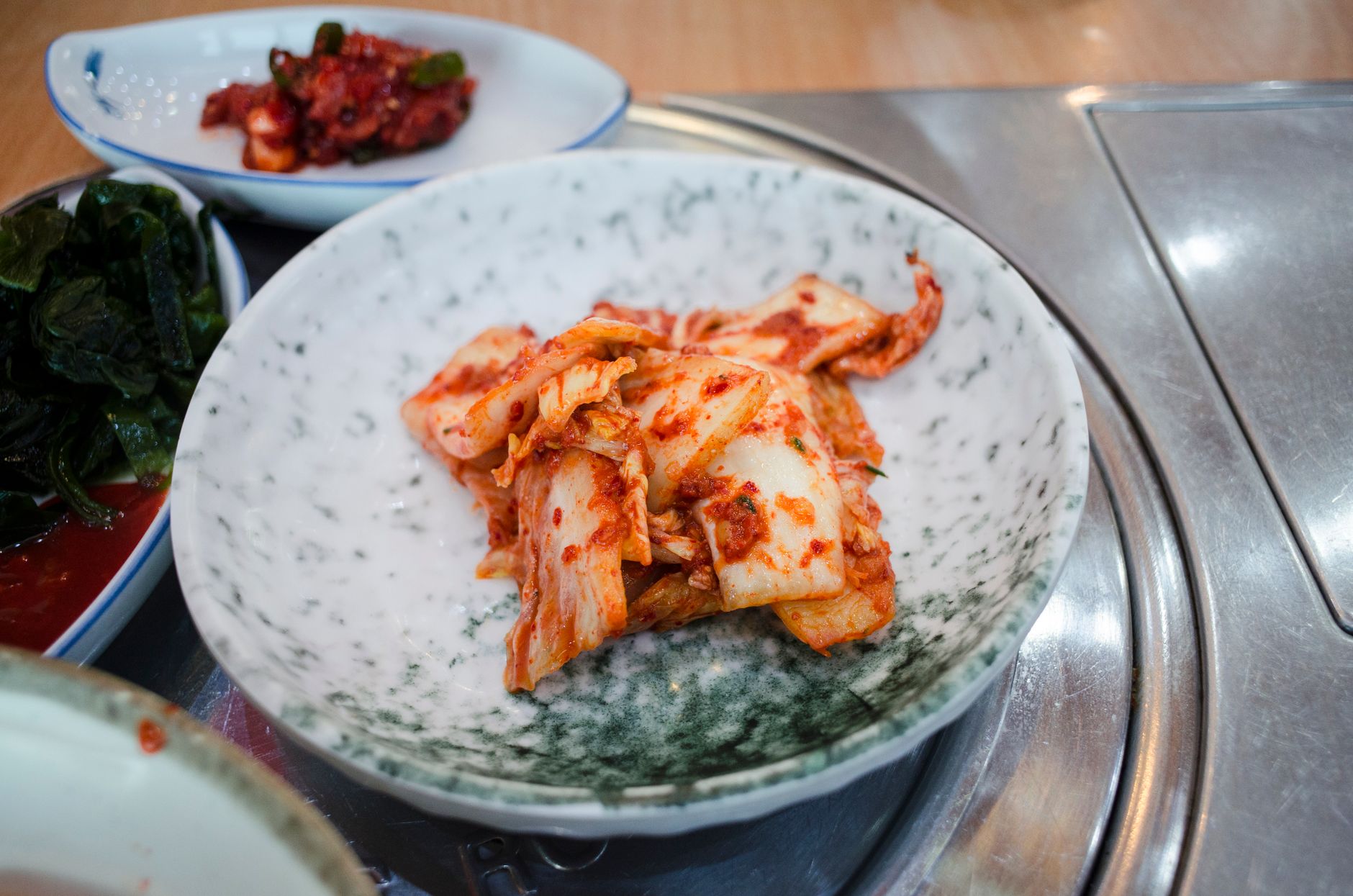
Preparing the Perfect Bowl
Making Shin Buldak Jin is simple, but there are ways to enhance the experience. Here’s my step-by-step guide:
- Boil Water: Start by boiling about 550 ml of water in a medium-sized pot. This is essential for cooking the noodles evenly.
- Add Noodles: Once the water is boiling, add the noodles and cook for about 4-5 minutes until they are soft but still have a slight bite.
- Add Seasoning: As the noodles cook, open the seasoning packet. Once the noodles are done, drain most of the water, leaving about 50 ml. This is crucial to keep the dish from becoming overly dry.
- Combine: Add the seasoning to the pot and mix thoroughly. I find that adding a splash of soy sauce enhances the umami flavour even further.
- Serve: Transfer the noodles to a bowl and top with your choice of vegetables, proteins, or even a fried egg.
This method not only makes for a delicious meal but also allows for creativity in presenting the dish. I often enjoy my ramen while watching K-dramas, making it a staple comfort food. The ritual of preparing Shin Buldak Jin in my tiny kitchen in Hongdae has become a cherished part of my daily routine.
The Ramen Culture in Seoul
Ramen is more than just a meal; it’s a cultural phenomenon in Seoul. From Seongsu-dong to Hongdae, I’ve seen ramen shops that offer not only instant noodles but also gourmet interpretations. In these places, chefs are experimenting with local ingredients, adding a unique twist to the traditional recipes.
One spot I frequently visit is Ramen Kizuna in Gangnam. Their signature ramen is a delicious fusion of Korean and Japanese flavours. While it isn't instant ramen, I can’t help but appreciate the creativity behind ramen in Korea. Dishes range from 10,000 to 15,000 won (about $7.50 to $11) and are worth every penny. The atmosphere in ramen shops is often lively, which adds to the experience; I’ve often met friends or even struck up conversations with fellow patrons who share a love for these noodles.
Exploring Noodle Variations
While Shin Buldak Jin is a standout, the variety of noodles available in Seoul is worth exploring. For example, there are Udon, Soba, and Ramyeon options that cater to different tastes and dietary needs:
- Udon: A thicker noodle, usually served in soup. A bowl can cost around 8,000 won (approximately $6) and is great for a filling meal.
- Soba: Thin buckwheat noodles, often enjoyed cold. These can be found at many traditional restaurants, and a dish typically sells for about 9,000 won ($6.75).
- Samyang Buldak Carbonara: Another popular variation with a creamy sauce has around 600 calories per serving. This version offers a different taste profile while still satisfying your spicy cravings.
These alternatives cater to different preferences, providing ample choices for those wanting to explore beyond the popular Shin Buldak Jin.
Practical Tips for Enjoying Ramen in Seoul
If you're keen to dive deeper into the ramen culture in Seoul, here are some practical tips:
- Visit Local Markets: Places like Gwangjang Market or Noryangjin Fish Market offer freshly made noodles and various toppings at reasonable prices. You can often find bowls for around 8,000 won ($6).
- Experiment with Flavours: Don’t hesitate to mix different flavours or brands when preparing ramen at home. I sometimes combine Shin Buldak Jin with Spicy Seafood Noodles for an extra layer of flavour.
- Try Limited Editions: Brands frequently release limited edition flavours. Keep an eye on the shelves in stores like CU or 7-Eleven to discover new and interesting offerings.
- Join a Ramen Tour: There are guided food tours in Seoul that focus specifically on ramen. These can be a fun way to learn more about the history and different styles of ramen while tasting a variety of dishes.
By taking these steps, you can truly immerse yourself in the ramen scene and discover your personal favourites.
FAQ
What is the calorie count of Shin Buldak Jin?
Shin Buldak Jin has approximately 550 calories per serving, which is about 140 grams.
How does Shin Buldak Jin compare to other ramen brands?
Compared to brands like Nongshim Shin Ramyeon and Paldo Bibim Men, Shin Buldak Jin is on the higher end of the calorie spectrum, but many find its taste justifies the extra calories.
What can I add to Shin Buldak Jin to make it healthier?
Add vegetables like spinach or bok choy and proteins such as eggs or tofu to enhance the dish's nutritional profile without sacrificing flavour.
Where can I buy Shin Buldak Jin in Seoul?
You can find Shin Buldak Jin at local convenience stores, supermarkets like H Mart, or online grocery platforms. Prices generally range from 2,000 to 3,000 won per pack.
Final Thoughts
As I continue my culinary exploration in Korea, I remain intrigued by the vast array of ramen options available. Shin Buldak Jin, with its spicy charm, certainly has a place in my kitchen, albeit with an awareness of its caloric content. Ultimately, Korean ramen can be both an indulgent treat and an opportunity to experiment with nutritional balance. The unique blend of flavours and textures in each bowl offers a glimpse into Korea's culinary innovation.
Next, I’ll be exploring healthier alternatives to popular ramen dishes available in Seoul and how to incorporate more vegetables into these beloved meals. What are your thoughts on ramen calories? Have you tried Shin Buldak Jin or other brands?