Myeongdong Kyoja Kalguksu: A Seoul Classic Worth the Line
Explore why Myeongdong Kyoja's kalguksu draws long lines daily—what makes this Seoul classic a must-try for noodle lovers.
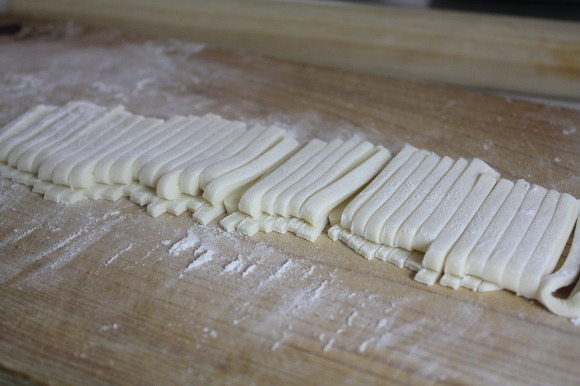
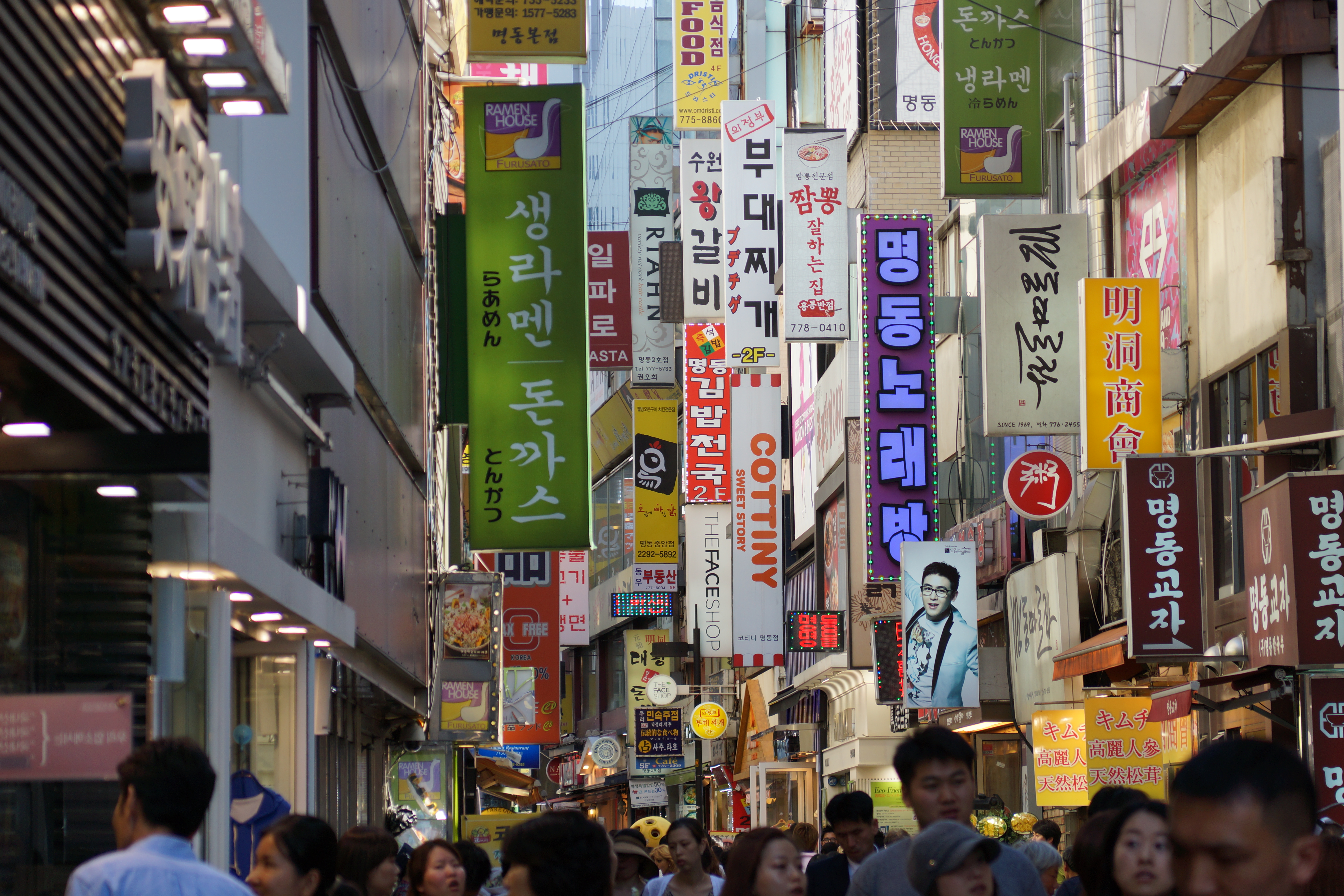
If you’ve wandered through Myeongdong at lunchtime, you’ve likely noticed the long lines that snake around Myeongdong Kyoja. This restaurant has cultivated a reputation as a go-to spot for kalguksu, a Korean noodle soup known for its handmade, knife-cut noodles. However, the question remains: does it really live up to the hype, or is it just an overrated tourist trap? Having visited numerous spots in Seoul, I approached this famous eatery with a mixture of skepticism and anticipation, curious to see if it truly stood out among the crowded culinary landscape.
Located just off the bustling streets of Myeongdong, Myeongdong Kyoja has been serving its signature dish since 1966. With a simple interior and a no-frills menu that primarily focuses on kalguksu, one might initially think it’s just another noodle shop trying to cash in on its fame. However, my journey to experience this place was spurred by recommendations from locals and food bloggers alike. On a rainy Thursday afternoon, I decided to brave the queue and find out what all the fuss was about.
The Experience of Waiting
Arriving at Myeongdong Kyoja, I joined the end of a line that stretched around the corner. The sight of eager diners, some clutching umbrellas while waiting, hinted at the anticipation surrounding this establishment. After roughly 30 minutes of standing in line, I was finally seated. The restaurant’s minimalistic decor, featuring wooden tables and an open kitchen, adds a touch of authenticity and warmth to the dining experience.
It’s worth noting that the wait time can be significantly longer during weekends and public holidays, when Myeongdong is teeming with both locals and tourists. If you're planning a visit, it may be wise to go during off-peak hours, like mid-afternoon or on weekdays, to minimize the wait. Additionally, you might want to check the weather; rainy days can often lead to longer queues, as locals seek comfort in a warm bowl of noodle soup.
The Dish: Kalguksu
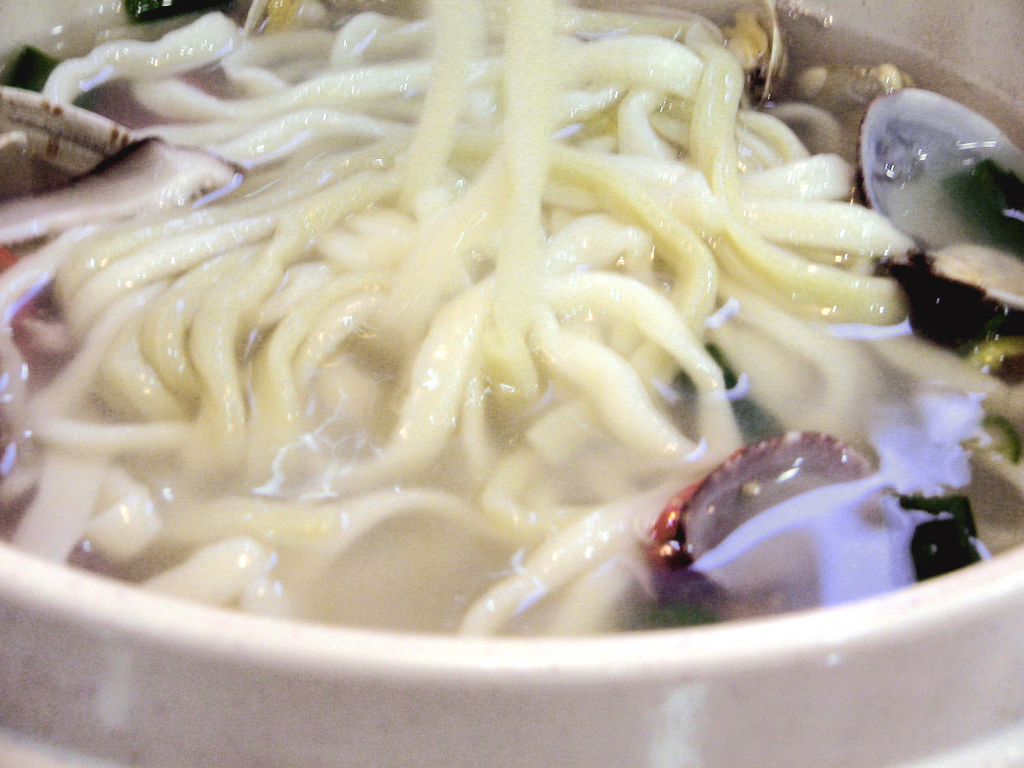
When my kalguksu (8,000 won or about $6) finally arrived, it came steaming hot, garnished with a sprinkle of green onions and served alongside a bowl of spicy kimchi. My first slurp was an immediate revelation. The handmade noodles had a delightful chewiness that was satisfying yet not overwhelming—a texture that sets them apart from many instant varieties found elsewhere. The kalguksu was immersed in a rich, savory broth that had just the right amount of umami without being overly salty, inviting me to savor each bite.
Texture and Flavour
The texture of the noodles was distinct—thicker than many instant varieties, yet not so thick that they felt unwieldy. Each strand was perfectly cut, allowing for a satisfying mouthfeel that complemented the broth. While the broth itself was excellent, I found myself wishing it had a bit more complexity. Perhaps a hint of garlic or a dash of sesame oil could elevate it further. It’s a reminder that even the simplest of dishes can benefit from an infusion of complexity.
In comparison to other kalguksu spots around Seoul, such as Gongdeok Kalguksu in the Gongdeok area, which offers a richer broth with seafood undertones, Myeongdong Kyoja keeps its flavors straightforward. While both restaurants have their merits, Myeongdong Kyoja focuses on the traditional essence of kalguksu rather than experimentation, which may appeal to purists.
Side Dishes
Alongside the kalguksu, Myeongdong Kyoja also offers mandu (dumplings), available as an extra for 6,000 won (about $4.50). Upon my server's recommendation, I opted for the mandu. They arrived plump and juicy, filled with a mixture of meat and vegetables. The crispiness of the fried outer shell contrasted nicely with the tender filling, making for a delightful addition to the meal.
What’s particularly interesting is the subtle flavor of the mandu, which is rich but not overpowering. The seasoning strikes a balance, allowing the natural taste of the ingredients to shine. For those who might be interested in trying mandu in its various forms, another excellent option in Seoul is Waryong Kalguksu, known for its pan-fried mandu that offers a different texture and flavor profile.
What Sets It Apart?
- Fresh Ingredients: You can taste the freshness in each ingredient used, from the handmade noodles to the carefully crafted broth. The commitment to quality ensures a satisfying meal.
- Consistency: This dish is consistently good, drawing both locals and tourists alike, which speaks to its quality. The restaurant has maintained its standards over decades, a feat not easily accomplished in the food industry.
- Family-Run Legacy: The family-run aspect adds a sense of tradition and care to the meal, enhancing the overall experience. Knowing that a family has been at the helm for so long contributes to a comforting atmosphere.
The Verdict
So, is Myeongdong Kyoja kalguksu worth the line? For a first-time visitor or someone eager to experience a classic dish in Seoul, I would say yes. The handmade noodles and the genuine atmosphere are enough to justify the wait. However, for those who regularly enjoy kalguksu, you might find it a little underwhelming in terms of depth of flavor. It’s a solid representation of the dish but perhaps not a life-changing experience.
Overall, Myeongdong Kyoja delivers a satisfying experience that is both comforting and reliable. If you happen to be near Myeongdong, it’s worth a visit, especially if you are craving a hearty bowl of noodle soup. Just be prepared for a wait, which seems to be part of the charm here.
Exploring Beyond Myeongdong
After appreciating what Myeongdong Kyoja has to offer, it’s fascinating to explore how other neighborhoods in Seoul interpret traditional dishes. For example, Seongsu-dong has become known for its innovative takes on Korean comfort food. Cafés and restaurants in this area often blend traditional flavors with modern twists, providing a different experience altogether. The contrast in styles between these neighborhoods highlights the diverse culinary landscape of Seoul.
If you find yourself in the mood for a more modern dining experience, consider checking out places like Oven & Grill or Seongsu Kalguksu. Both spots offer a refreshing take on traditional dishes, incorporating seasonal ingredients and contemporary aesthetics, all while maintaining the essence of Korean cuisine.
Additionally, the area around Hongdae is brimming with eateries that fuse Korean and Western styles. For instance, Yeonnam-dong is home to many cafes that offer dishes like kimchi quesadillas or bibimbap burgers, allowing for a creative exploration of flavors. Exploring these neighborhoods can be a delightful way to witness the evolution of Korean cuisine.
Practical Tips for Your Visit
- Timing is Key: To avoid long waits, visit during off-peak hours. Lunchtime on weekdays or later in the evening can provide a more relaxed experience.
- Cash Only: Myeongdong Kyoja operates on a cash-only basis, so make sure to have enough won on hand before you sit down.
- Share Your Meal: If you're dining with others, consider ordering multiple items to share, allowing you to experience the mandu alongside the kalguksu without overindulging.
- Explore the Area: Myeongdong is known for its vibrant street food scene. After your meal, take a leisurely stroll and sample local delicacies like hotteok (sweet pancakes) or tteokbokki (spicy rice cakes) from various vendors.
- Bring a Friend: Dining alone can be enjoyable, but sharing the experience with a friend can enhance the enjoyment and provide the opportunity to sample more dishes.
FAQ
What is kalguksu?
Kalguksu is a Korean noodle soup featuring handmade, knife-cut wheat noodles served in a rich broth, often garnished with vegetables and green onions. It's a comforting dish that is popular among locals and visitors alike, particularly during colder seasons.
How can I avoid long waits at Myeongdong Kyoja?
To minimize wait times, consider visiting during off-peak hours, such as mid-afternoon on weekdays. Additionally, dining earlier or later than the typical lunch rush can help you avoid the longest lines. Checking the weather beforehand can also guide your planning; rainy days often lead to longer queues.
Are there vegetarian options at Myeongdong Kyoja?
Myeongdong Kyoja specializes in kalguksu, which traditionally includes meat in the broth. However, if you have dietary restrictions, it may be worth asking the staff about any adaptations or vegetarian options. The side dishes like kimchi are generally vegetarian-friendly.
What other dishes should I try in Myeongdong?
Myeongdong is known for its street food scene, so you might want to sample tteokbokki (spicy rice cakes), hotteok (sweet pancakes), or mandu (dumplings) from various stalls. Each offers a unique taste of Korean street culture, and they are often enjoyed as a snack while exploring the area.
Is Myeongdong Kyoja suitable for families?
Yes, Myeongdong Kyoja's straightforward menu and relaxed atmosphere make it a good choice for families. The prices are reasonable for the quality offered, and the food is generally well-received by both adults and children.
Next, I might explore the hidden gems of Seongsu-dong and their unique takes on traditional Korean dishes. Have you visited Myeongdong Kyoja? What was your experience like?
Images by 굿바이 조미료 (CC BY 2.0 kr), frakorea (a flickr user) (CC BY 2.0), ume-y (CC BY 2.0) via Wikimedia Commons