Shin Ramyun Black vs Original: Which Is Actually Better?
A detailed comparison of Shin Ramyun Black and the Original version to find out which instant noodle reigns supreme in Seoul's bustling food scene.
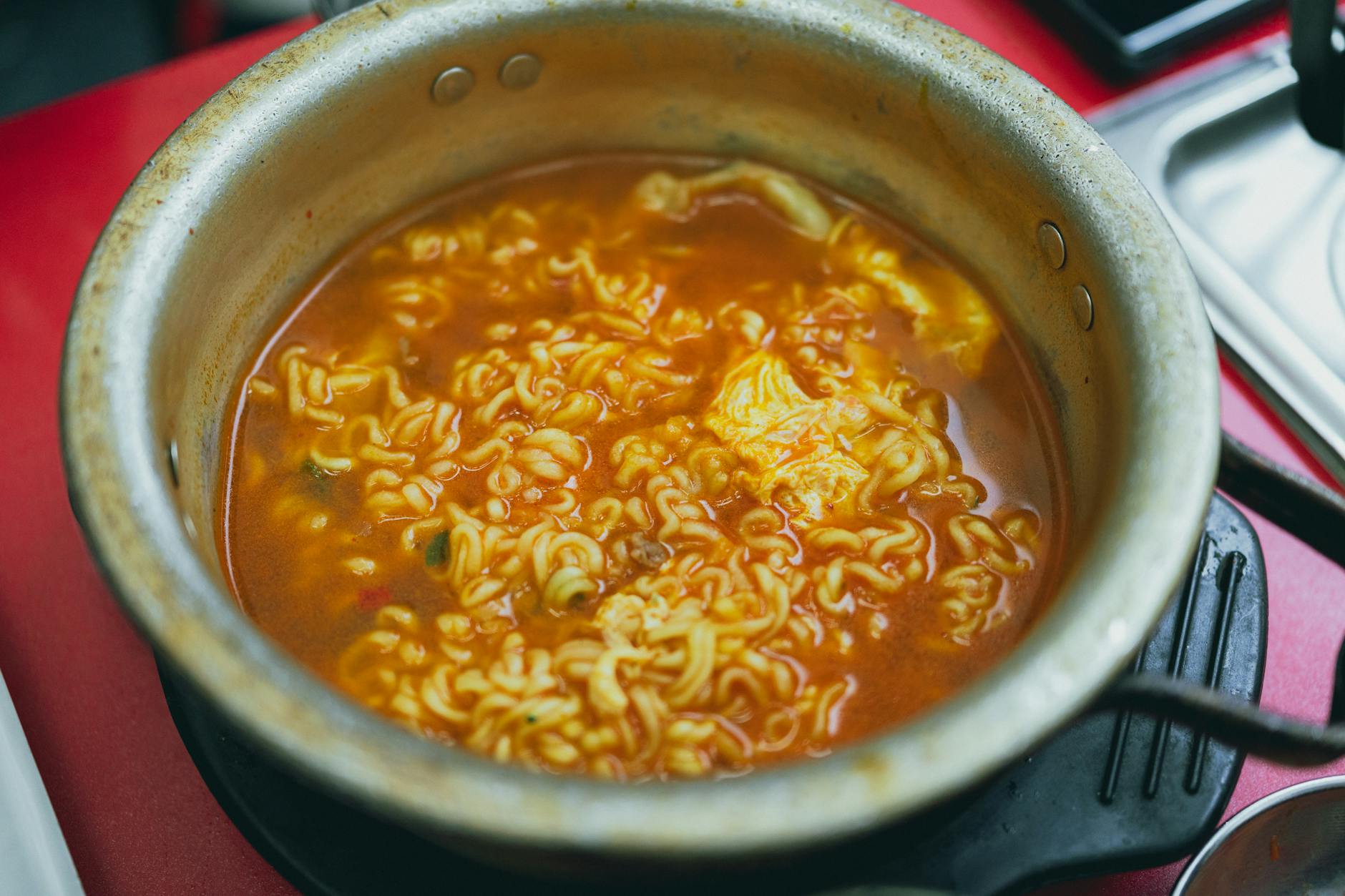
In the heart of Seoul, where convenience and flavour collide, instant ramen plays a starring role in the fast-paced lifestyle. Among the sea of options, Shin Ramyun has carved out a massive following, particularly for its two prominent variants: the Original Shin Ramyun and the newer Shin Ramyun Black. This post examines the nuances of both, drawing on firsthand experiences and observations from various neighborhoods and local eateries.
Original Shin Ramyun: The Classic
The Original Shin Ramyun, priced at around 1,200 won (about $1), is a staple in many Korean households. You can find it stacked high on shelves in nearly every convenience store and supermarket in areas like Itaewon or Gangnam. For those looking to stock up, H Mart is an excellent place to find it in bulk, usually available in multi-packs that can save a bit of money over time. This ramen's affordability makes it ideal for students and young professionals who often turn to quick meals in their busy lives.
Taste Profile
The first thing that hits you with Original Shin Ramyun is its immediate spiciness, complemented by a hint of umami. The broth boasts a rich, beefy flavour paired with that unmistakable spiciness, which is often what people crave, especially during colder months. It’s a simple yet effective combination, familiar to many Koreans and comforting after a long day. For those who enjoy experimenting, adding a sprinkle of sesame seeds or a drizzle of sesame oil can take the flavour to another level. Some even incorporate gochujang (Korean chili paste) for an extra kick, transforming the ramen into a more robust dish.
Texture and Satisfaction
One of the highlights of the original version is the balance between noodle texture and broth flavour. The noodles, which cook to perfection in about 4-5 minutes, deliver a firm bite that many savour. Adding toppings like a poached egg, green onions, or even a slice of cheese can enhance the dish further. This flexibility makes it an easy go-to for quick meals or late-night snacks, accommodating various preferences and creativity. Many locals enjoy pairing their ramen with a side of fried tofu or kimbap for a more complete meal.
Cooking Tips for the Original Shin Ramyun
To elevate your experience with Original Shin Ramyun, consider the following tips:
- Boil Water First: Always start with boiling water for quicker cooking and better-tasting noodles.
- Add Vegetables: Toss in some spinach, bok choy, or even frozen vegetables during the last minute of cooking for added nutrition.
- Use Broth Instead of Water: For a richer flavour, you can replace water with beef or vegetable broth.
- Try Different Toppings: Experiment with different toppings like chili flakes, seaweed, or even a splash of soy sauce.
- Make It a Meal: Pair it with Korean fried chicken or a simple salad for a balanced dinner.
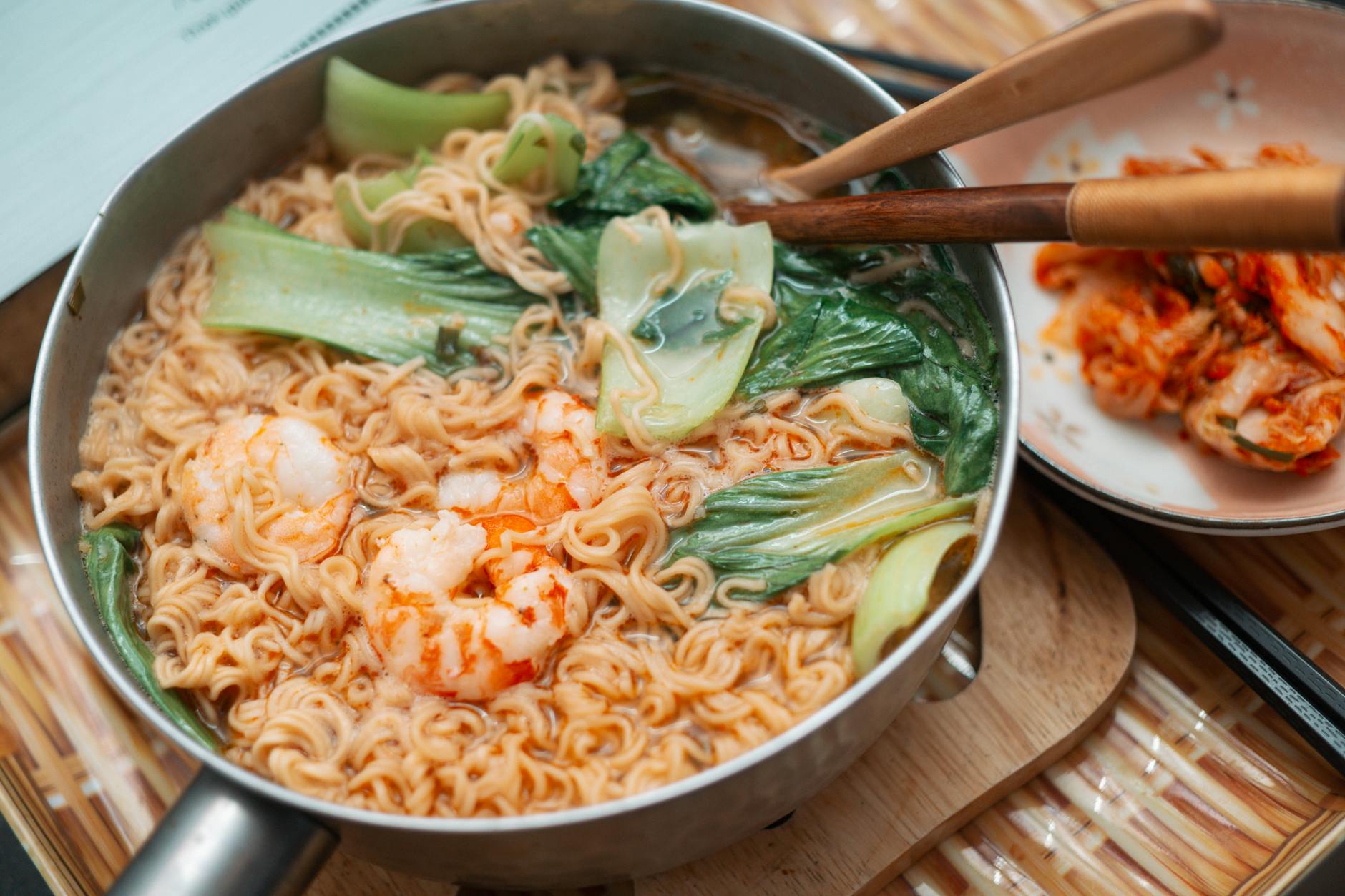
Shin Ramyun Black: The Newer Contender
Shin Ramyun Black, usually priced around 1,800 won (approximately $1.50), markets itself as a premium version of the Original. It’s widely available at popular spots like Olive Young and local grocery stores, making it accessible for those wanting to elevate their ramen experience without venturing too far. Many young professionals and students seem to choose the Black version as a comforting meal after a long day at work or school.
Taste Profile
Upon first sip, the differences in flavour are apparent. Shin Ramyun Black offers a deeper broth, enriched with additional ingredients like beef bone extract, garlic, and even a touch of onion. This combination creates a more complex and savoury taste that some may find appealing. It’s less straightforwardly spicy compared to its predecessor, appealing more to those who enjoy a layered flavour profile. For those who prefer milder spice, this variation could be the perfect introduction to Korean ramen. The richness is also enhanced by a subtle smokiness, making it feel almost gourmet.
Texture and Satisfaction
The noodles in Shin Ramyun Black are slightly thicker and more robust than those in the Original, offering a different mouthfeel. They cook in about the same time but seem to hold up better with the richer broth. Some might find the experience more luxurious, as the enhanced broth gives it a restaurant-quality feel. Pairing it with toppings like slices of beef, mushrooms, or even a drizzle of chili oil can elevate the entire dish, making it feel special for an at-home meal. Many locals find themselves reaching for this version when hosting friends, as it can impress without significant effort.
Cooking Tips for Shin Ramyun Black
To maximize your enjoyment of Shin Ramyun Black, consider these practical suggestions:
- Pre-soak the Noodles: Soaking the noodles for a minute before cooking can help them cook more evenly.
- Add Fresh Herbs: Fresh cilantro or basil can brighten the dish and add a refreshing layer.
- Top with Cheese: Melted cheese can create a creamy, indulgent texture that complements the rich broth.
- Use a Wide Bowl: Serving in a wider bowl allows for better mixing of toppings and broth.
- Pair with Korean Side Dishes: Consider serving with pickled radish or kimchi to balance the richness.
Price Comparison
While the price difference between the two may seem minimal, it’s essential to consider the context of Korean purchasing habits. The Original’s affordability makes it an easy choice for quick meals, late-night snacks, or even meal prepping for busy weekdays. On the other hand, the Black version can feel like a treat, more suited for special evenings in or when you're hosting friends. It’s interesting to note that in a recent survey conducted by a local food magazine, 65% of respondents chose the Original for everyday meals, while 78% preferred the Black version for indulgent occasions.
Popularity and Perception
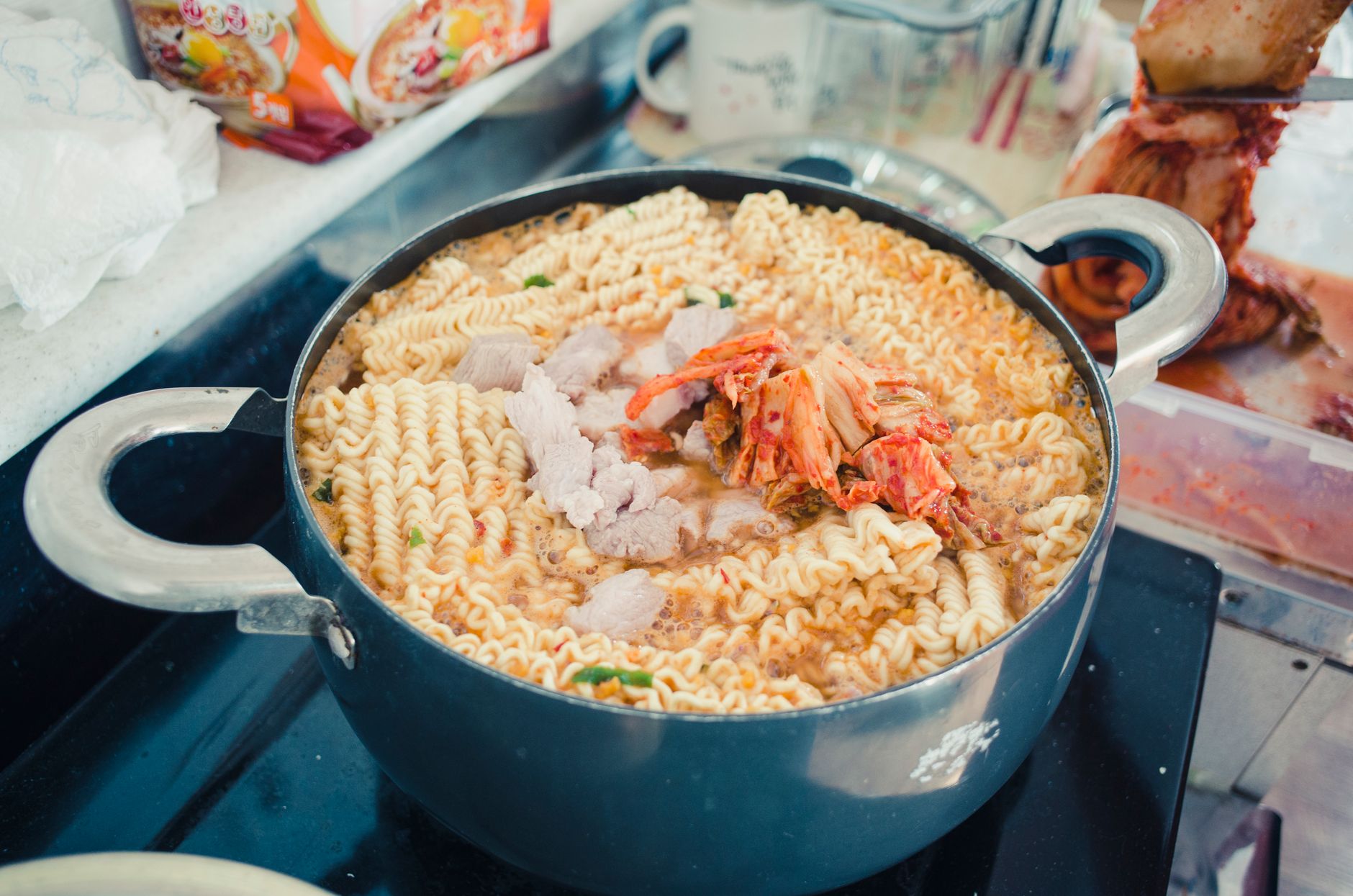
Despite both products having their merits, the Original Shin Ramyun often maintains its popularity among purists who appreciate its straightforward flavour. It’s not uncommon to see it featured in food blogs or social media posts, especially among those seeking comfort food. The Shin Ramyun Black, meanwhile, attracts a younger demographic looking for a gourmet experience, often highlighted in trendy cafes and restaurants in areas like Hongdae or Seongsu-dong. Some influencers have even started customising the Black version, adding premium ingredients like truffle oil and caviar, further elevating its status.
Social Media Buzz
It’s fascinating to observe how social media has influenced the perception of these two ramen varieties. Platforms like Instagram and YouTube are filled with users showcasing elaborate ramen dishes using both Original and Black versions. The aesthetic appeal of a beautifully presented bowl garnished with vibrant toppings has turned simple instant noodles into a canvas for creativity. Hashtags like #ShinRamyun and #RamenRecipe trend regularly, with users sharing their unique twists on these classics.
Regional Preferences
Interestingly, regional preferences exist within Korea. For instance, in regions known for spicier cuisines, such as Gwangju, the Original might have a larger following due to its pronounced kick. In contrast, urban centers like Seoul, where culinary experimentation is more common, may prefer the Black version for its complexity. Exploring these regional differences adds another layer to the ramen experience, highlighting how culture influences taste.
Practical Tips for Enjoying Shin Ramyun
If you’re keen on enhancing your ramen experience, here are a few practical tips:
- Customize Your Broth: Consider adding a splash of soy sauce or sesame oil to both versions for a unique twist.
- Add Fresh Toppings: Ingredients like green onions, mushrooms, or even kimchi can add depth and freshness.
- Experiment with Cooking Time: Cooking the noodles slightly less than the recommended time can result in a firmer texture, which some may prefer.
- Pair with a Side: Enjoy your ramen with some fresh kimchi or pickled radish for a balanced meal.
- Drink the Broth: Embrace the full experience by drinking the broth – it’s packed with flavour.
Final Thoughts
After thorough taste testing, it seems that neither version is inherently better than the other; it truly comes down to personal preference. If you’re in the mood for something spicy and classic, the Original is often the best bet. However, if you’re keen to explore a more complex flavour profile, Shin Ramyun Black might just win you over. The continuing popularity of both variants speaks to the diverse palate of ramen lovers in Korea, making it an exciting time for instant noodle enthusiasts.
FAQ
Are both Shin Ramyun options vegetarian-friendly?
Neither the Original nor the Black version is vegetarian, as they both contain beef extract. Vegetarians may want to explore other instant ramen brands that cater specifically to non-meat diets.
Where can I buy Shin Ramyun in Seoul?
You can find both versions at virtually any convenience store, supermarket, or specialty grocery store like H Mart. Online retailers also carry these products, often at competitive prices. Keep an eye out for promotions, as you might find deals that make stocking up more affordable.
Can I find Shin Ramyun outside of Korea?
Yes, Shin Ramyun is widely available in international markets and online retailers, such as Amazon. Prices may vary, so it's worth comparing options if you're purchasing from abroad. Many Korean grocery stores in foreign countries also stock it, particularly in areas with a substantial Korean community.
What are some popular ramen pairings in Korea?
Common pairings include side dishes like kimchi, pickled radish, and even fried eggs. Some people enjoy adding grated cheese or sliced sausages for a heartier meal. In local eateries, it’s also common to see Shin Ramyun served with a side of dumplings or Korean fried chicken.
How long does it take to prepare Shin Ramyun?
Both versions typically take about 4-5 minutes to cook, depending on your desired noodle texture. Keep an eye on them to avoid overcooking, as the noodles can become mushy if left unattended. If you’re adding additional ingredients, adjust your cooking time accordingly.
What’s Next?
Next, I plan to explore some of the unusual and lesser-known instant noodle brands available in Seoul. Have you tried anything interesting lately? Your recommendations could lead to the next exciting taste test.
Photos by Theodore Nguyen, makafood, Theodore Nguyen via Pexels