Street Food at Mangwon Market Worth the Wait
Discover the unique street food at Mangwon Market that makes waiting in line worthwhile. From tteokbokki to hotteok, find your next favourite bite.
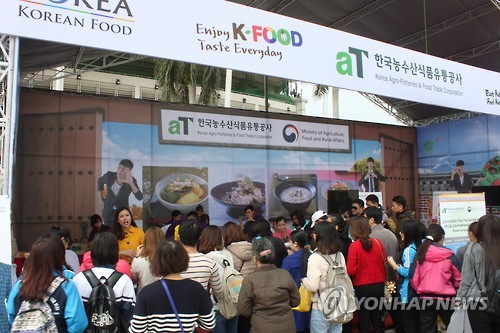
Situated in the heart of Mapo-gu, Mangwon Market has become a staple for both locals and tourists seeking an authentic taste of Korean street food. Unlike some of the more commercialized markets in Seoul, Mangwon offers a raw, unfiltered glimpse into the city’s culinary heritage. The market is lined with food stalls that can draw long queues, but the flavors found here are well worth the time spent waiting. The atmosphere is lively, with vendors calling out to passersby and the smell of grilled food wafting through the air, creating an inviting experience for anyone who enjoys exploring local cuisine.
1. Tteokbokki: A Spicy Classic
Tteokbokki, or spicy rice cakes, is one of the most iconic street foods in Korea. At Mangwon Market, the stall Yeonnam-dong Tteokbokki serves up a generous portion for about 3,000 won ($2.50). The chewy rice cakes are slathered in a gochujang (red chili paste) sauce that balances sweetness and spiciness. You will often find a line forming at this stall, especially during peak hours, and for good reason. The first bite, with its combination of texture and flavor, exemplifies why it has remained a favorite among locals.
Tips for Enjoying Tteokbokki
- Pair it with fish cakes or boiled eggs, available at nearby stalls, for a more filling snack.
- Ask for extra sauce if you prefer it spicier.
- Visit during off-peak hours, like mid-afternoon, for a shorter wait.
2. Hotteok: The Sweet Delight
Just a short walk from the tteokbokki stall, you’ll find a small stand selling hotteok, a popular Korean snack that resembles a filled pancake. For only 2,000 won ($1.70), you get a piping hot hotteok filled with a mixture of cinnamon, brown sugar, and chopped nuts. Watching the vendor skillfully prepare each pancake on a griddle is an experience in itself. The moment you take a bite, the combination of crispy exterior and gooey filling makes the wait worthwhile. Hotteok is especially popular during the colder months, offering warmth and comfort with each bite.
Other Types of Hotteok
While the traditional sweet hotteok is widely favored, you can also find variations filled with:
- Cheese, which adds a savory twist.
- Red bean paste for a more traditional flavor.
- Fruit, such as banana or apple, during seasonal offerings.
3. Kimbap: A Portable Meal
If you’re looking for something more substantial, kimbap is a great option. At Gongdeok Kimbap, you can grab a roll for around 2,500 won ($2.10). Kimbap is essentially Korean sushi, filled with ingredients like pickled radish, spinach, egg, and sometimes even bulgogi (marinated beef). While it may not be as flashy as other street foods, the refreshing flavors make it a satisfying choice, especially if you’re on the go. Kimbap is also a common picnic food, so consider packing it for a day out in one of Seoul's parks.
How to Choose Kimbap
- For a classic experience, go for the basic vegetable roll.
- If you're feeling adventurous, try the spicy tuna kimbap, which adds an extra kick.
- Look for fresh ingredients; the best stalls change their offerings based on seasonal produce.
4. Odeng: A Comfort Snack
Odeng, or fish cake skewers, are another popular street food that you shouldn’t miss. The stall Fish Cake Paradise offers a bowl of odeng served in a warm broth for about 4,000 won ($3.40). This comforting dish is especially soothing during the cooler months. The chewy texture of the fish cake paired with the savory broth makes it a favorite among locals. It’s common to see people enjoying a bowl while chatting with friends, creating a warm and communal atmosphere.
Variations of Odeng
Odeng can come in various forms, including:
- Skewered pieces served plain or with various sauces.
- Odeng soup, where the fish cakes swim in a light broth.
- Stuffed odeng, filled with vegetables or noodles.
5. Gyeran-ppang: Sweet Egg Bread
For something sweet, try gyeran-ppang, a fluffy bread filled with a whole egg. The Eggy Goodness stall sells these for about 2,500 won ($2.10). Watching the vendor crack an egg into the bread batter and then grill it is as entertaining as it is appetizing. The result is a sweet and savory treat that’s perfect for those looking for a quick snack. Ideal for breakfast or as a midday pick-me-up, gyeran-ppang is also popular among children.
Tips for Enjoying Gyeran-ppang
- Pair it with a cup of hot tea or coffee from a nearby café for a cozy experience.
- Check for variations with added cheese or herbs for a unique twist.
- Take care when biting into it; the egg can be quite hot.
6. Kkochi Kalguksu: A Unique Twist
For something more unique, try kkochi kalguksu, a skewered version of the traditional knife-cut noodle soup. The stall Kalguksu on a Stick serves this dish for around 5,000 won ($4.20). The noodles are skewered, making it easy to eat on the go. The rich flavor of the broth makes this dish stand out, and its novelty draws a crowd. The combination of comfort food and street convenience makes it a popular choice among market-goers.
Comparisons to Traditional Kalguksu
While traditional kalguksu is served in a bowl, kkochi kalguksu offers:
- Convenience: Perfect for those who want to eat while walking.
- Portability: Easy to carry around the bustling market.
- Flavor: The broth is often richer due to the skewering method.
7. Kkanpunggi: Spicy Fried Chicken
For those who enjoy fried food, the Kkanpunggi King stall serves up a spicy, crispy fried chicken dish for about 6,000 won ($5.00). The chicken is fried twice, making it incredibly crispy, and it's tossed in a spicy garlic sauce. You can often see people waiting outside this stall, and although it may seem overrated, the crispy texture and spicy kick make it a worthy contender. It’s a favorite among those who appreciate bold flavors.
Best Pairings for Kkanpunggi
- Enjoy it with a side of pickled radish to balance the spice.
- Pair it with a cold beverage, like soda or iced tea, to cool down the heat.
- Consider sharing with friends; the portions are substantial.
8. Bungeoppang: Fish-Shaped Pastry
Bungeoppang, or fish-shaped pastries filled with sweet red bean paste, are a beloved winter snack. The Bungeoppang Boutique offers these for around 1,500 won ($1.30). Watching the batter being poured into the fish-shaped moulds is part of the fun. The crispy exterior and sweet filling make it a perfect treat to enjoy while wandering through the market. Bungeoppang is often served piping hot, making it an ideal comfort food during colder months.
Variations of Bungeoppang
While the traditional red bean paste is popular, some innovative stalls offer:
- Custard or cream-filled bungeoppang for a dessert twist.
- Chocolate-filled versions for those with a sweet tooth.
- Cheese-filled options for a savory version.
9. Sundae: Blood Sausage
If you're feeling adventurous, try sundae, a Korean blood sausage. At Sundae House, a generous portion costs about 4,000 won ($3.40). Sundae is filled with various ingredients such as noodles and vegetables, making it a unique snack. It’s a dish that divides opinions; while some adore it, others find it off-putting. If you’re curious about expanding your palate, it’s worth giving it a try. You might discover that it's a comforting dish enjoyed by many locals.
How to Enjoy Sundae
- Try it with a side of spicy dipping sauce to enhance the flavor.
- Pair it with a bowl of soup for a more filling meal.
- Ask locals for their recommendations on the best way to enjoy it.
10. Seasonal Treats
Finally, don’t forget to check out the seasonal offerings at Mangwon Market. Depending on the time of year, you may come across stalls selling chestnuts, melon bread, or even patbingsu during the summer months. Prices vary, but expect to pay around 3,000 to 5,000 won ($2.50 to $4.20) for these delightful treats. Seasonal items provide a refreshing change and highlight local agricultural practices.
Popular Seasonal Items
Some items that frequently appear during specific seasons include:
- Chestnuts in the fall, often roasted for an aromatic snack.
- Patbingsu in summer, a shaved ice dessert topped with red beans and fruits.
- Melon bread in the spring, a sweet treat with a crispy crust.
Conclusion
Each of these foods reflects the vibrant culture of Mangwon Market and the community that supports it. While some may argue that certain stalls are overrated, there is no denying that the atmosphere and diversity of flavors are enticing. If you find yourself in Seoul, consider making the trip to Mangwon Market for an authentic street food experience. You may discover hidden gems that local food enthusiasts cherish. What are your must-try street food items from your own travels? In the next post, I’ll explore cafes in the Mangwon area that offer a cozy retreat after tasting all that street food.
FAQ
What are the best times to visit Mangwon Market?
The best times to visit Mangwon Market are during the weekdays or early mornings on weekends when the crowd is thinner. This allows you to enjoy the food without long wait times.
Are the prices at Mangwon Market affordable?
Yes, most street food items range from 1,500 to 6,000 won ($1.30 to $5.00), making it an affordable option for experiencing various Korean flavors.
Is Mangwon Market accessible by public transport?
Yes, Mangwon Market is easily accessible via subway. The nearest station is Mangwon Station on Line 6, just a short walk from the market entrance.
Are there vegetarian options at Mangwon Market?
While many dishes contain meat, there are vegetarian options available, such as kimbap and various fried snacks. It’s best to ask vendors about specific ingredients if you're concerned.
Can I find seasonal fruits at the market?
Yes, depending on the season, you can find fresh fruits sold at the market, alongside various seasonal snacks that highlight local produce.
Photos by wal_ 172619, Lucas Mosesson, Pincalo via Pexels