Tosokchon Samgyetang: A Gwanghwamun Ginseng Chicken Soup Review
Is Tosokchon's famous ginseng chicken soup worth the hype? Explore my honest review of this Gwanghwamun gem.
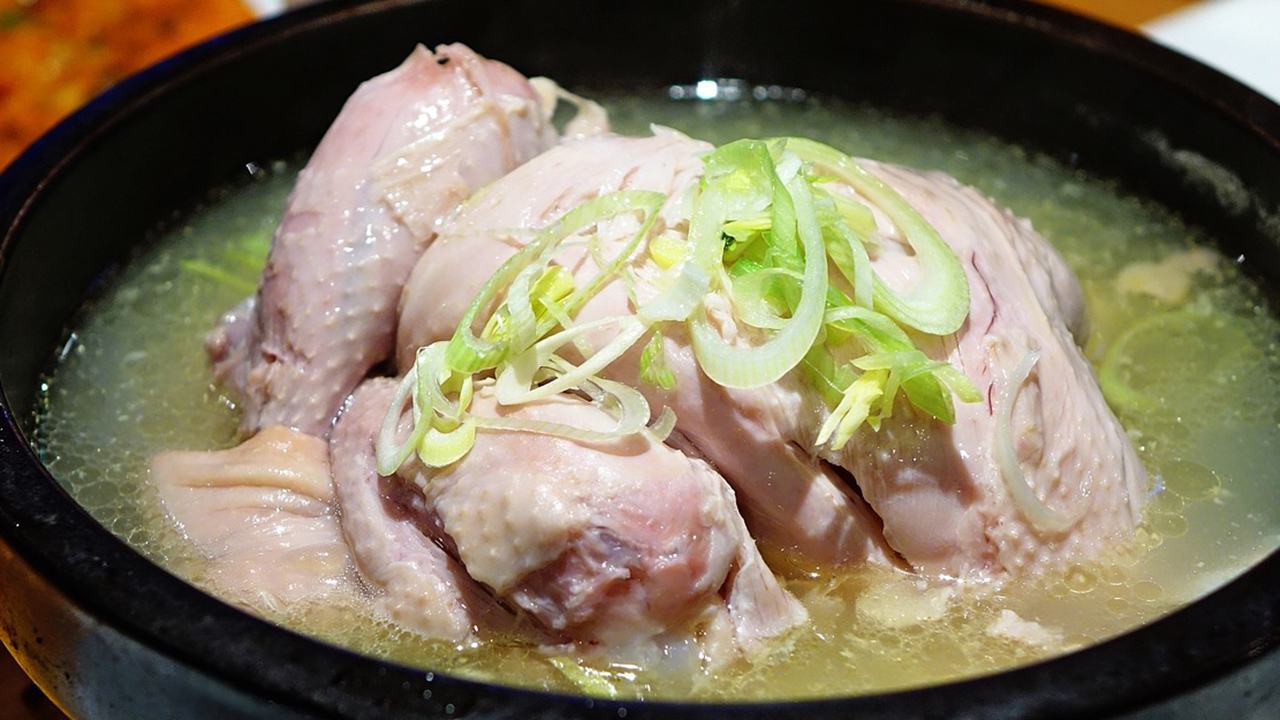
Located just a stone's throw away from Gyeongbokgung Palace, Tosokchon is an institution renowned for its samgyetang, a traditional Korean ginseng chicken soup. Nestled in Gwanghwamun, this restaurant is especially popular among locals and tourists alike, often drawing long lines during peak hours. A visit to Tosokchon not only promises a taste of a beloved dish but also an immersion into a cultural staple; samgyetang is more than just a meal; it’s a nourishing experience steeped in Korean tradition.
The Atmosphere
Walking into Tosokchon, you’re greeted with a warm, rustic charm. The wooden beams and traditional Korean decor evoke a sense of history, reflecting the restaurant’s establishment over 30 years ago. The interior is designed to resemble a traditional hanok, contributing to a cozy ambiance that invites diners to relax and savor their meals. Despite its popularity, the seating areas feel surprisingly spacious, allowing for a comfortable dining experience. Be prepared for a wait if you arrive during lunch or dinner hours; the restaurant can get quite busy, especially on weekends when families gather to enjoy this classic dish.
What Is Samgyetang?
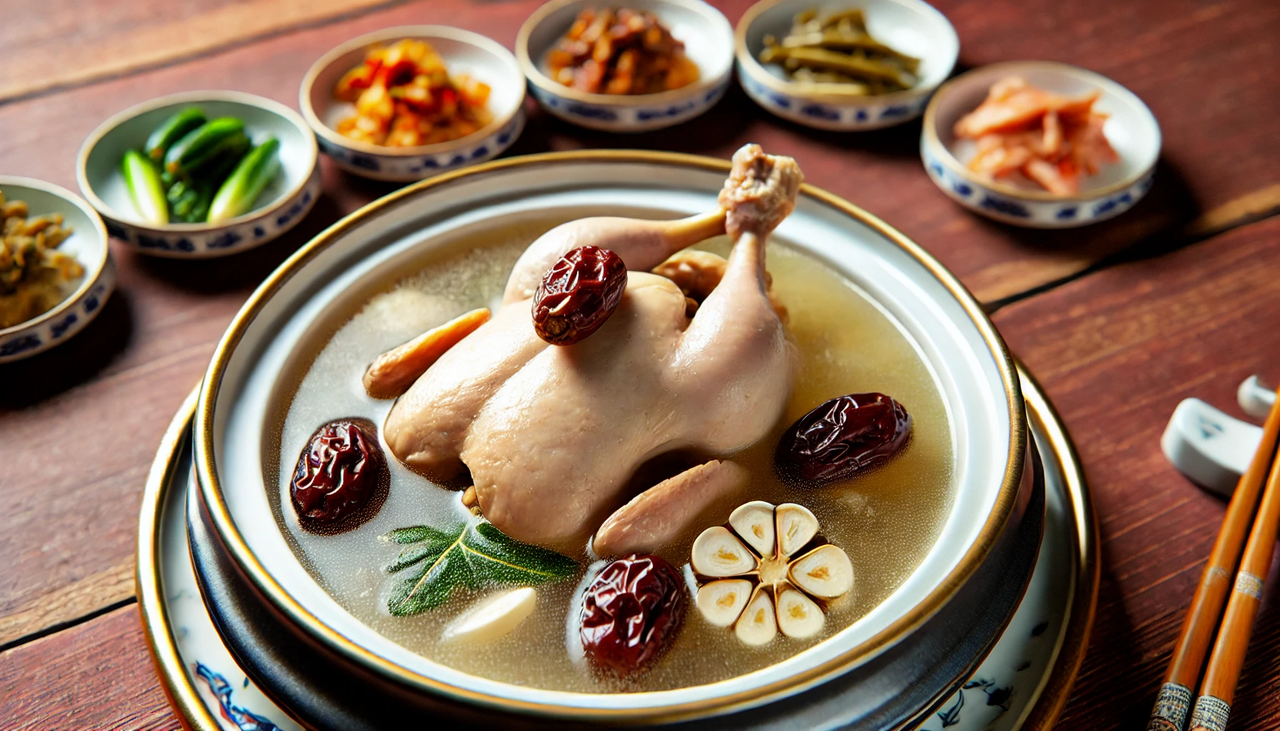
For those unfamiliar, samgyetang is a comforting dish made with a whole young chicken stuffed with glutinous rice, garlic, jujubes (Korean dates), and ginseng. It’s widely believed to be a restorative dish, particularly consumed during the hot summer months to combat fatigue. The key ingredient, ginseng, is revered for its health benefits, making this dish not only delicious but also nourishing. Tosokchon’s rendition is often touted as one of the best in Seoul, so there is an air of expectation as you prepare to taste it.
The Menu
Tosokchon primarily focuses on samgyetang, but the menu also includes various side dishes and variations of the main dish. The classic samgyetang is priced around 18,000 won (approximately $15), which is quite reasonable given the quality and portion size. There's an alternative option—a black chicken samgyetang, priced higher at around 22,000 won. While the black chicken variety offers a unique flavor profile and is touted for its health benefits, I opted for the traditional version on my visit to see what the hype was all about.
Tasting the Famous Samgyetang
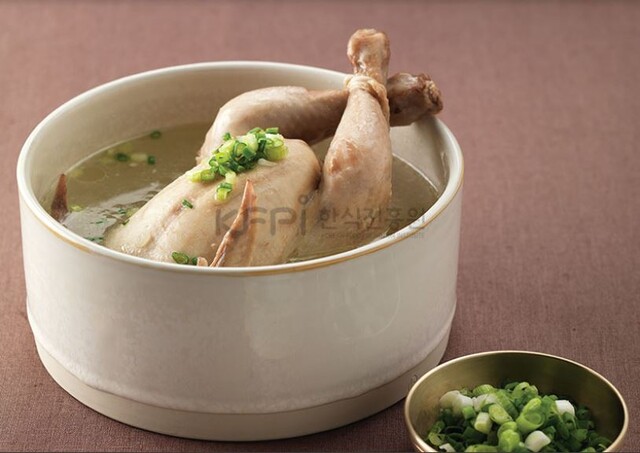
When my bowl of samgyetang finally arrived, it was a sight to behold. The chicken was tender and glistening, floating in a rich, clear broth. The aroma was intoxicating, with hints of ginseng and garlic wafting through the air. As I took my first spoonful, I was struck by the smoothness of the broth—rich yet delicate, with a depth of flavor that was both nourishing and comforting. Each spoonful felt restorative, embodying the essence of what samgyetang is meant to be.
The Chicken
The young chicken itself was cooked to perfection, succulent and moist. The rice inside had absorbed the essence of the broth, offering a delightful textural contrast. I particularly appreciated that Tosokchon uses high-quality ingredients; the ginseng was fragrant, adding an earthy undertone to the dish that I found both balanced and energizing. It is evident that attention to detail is paramount here, as each aspect of the dish comes together seamlessly. During the meal, I was reminded of my first experiences trying this dish in local eateries across the city, where the quality varied widely.
The Sides
As a side note, the restaurant serves a few banchan (side dishes) alongside the samgyetang. The kimchi was crisp and tangy, a nice complement to the rich soup. The pickled vegetables offered a refreshing crunch, helping to cleanse the palate between bites of the rich broth. While the banchan were enjoyable, they didn’t detract from the star of the show—the samgyetang. It’s important to appreciate these sides, which reflect Korean dining culture, where a variety of flavors accompany the main dish.
The Verdict: Is It Worth the Hype?
After finishing my meal, I can understand why Tosokchon has garnered such a loyal following. The samgyetang was exceptional—flavorful, hearty, and satisfying. The experience felt authentic, as if I were partaking in a traditional Korean meal that has been cherished for generations. While the wait can be daunting, the dish itself is a rewarding experience that feels very much like a hug in a bowl. However, I do wonder if the hype surrounding Tosokchon may overshadow other equally deserving places. There are countless hidden gems in Seoul that serve excellent samgyetang without the queues, and I’m curious to explore them in future posts.
Exploring Beyond Tosokchon
While Tosokchon holds a special place in the hearts of many, it’s worth noting that there are other locations around Seoul that offer their unique take on samgyetang. For example, JinOkHwa Samgyetang in the bustling Seongsu-dong area provides a slightly different flavor profile, using a more herbal broth that some locals swear by. At around 16,000 won for their classic version, it's also quite affordable.
- JinOkHwa Samgyetang: Located in Seongsu-dong, known for a more herbal broth. Price: 16,000 won.
- Samgyetang at Gwangjang Market: An unassuming stall that serves up delicious samgyetang for about 13,000 won. The market atmosphere adds to the dining experience.
- Hansikgonggan: Known for its contemporary twist on traditional dishes, including samgyetang, priced at around 20,000 won.
Each of these places has its own flavor profile and atmosphere, making them worthy contenders in the realm of samgyetang. Exploring these alternatives can lead to delightful discoveries that may rival the popularity of Tosokchon.
Final Thoughts
If you're in Gwanghwamun and craving a bowl of ginseng chicken soup, Tosokchon is a must-try. It embodies a unique blend of tradition and quality that makes it a staple for both locals and visitors. Just be prepared for potential wait times and know that there are alternatives out there waiting to be discovered. The experience at Tosokchon is not just about the food; it's about partaking in a cultural tradition that has been passed down through generations.
FAQ
What is the best time to visit Tosokchon?
To avoid long lines, aim to visit during off-peak hours, such as mid-afternoon or late evening. Lunchtime and weekends tend to be the busiest, as locals flock to enjoy the dish.
Are there vegetarian options available?
Tosokchon specializes in samgyetang, so there are limited vegetarian options. However, many local restaurants in Seoul offer vegetarian menus if you are looking for a plant-based meal.
Is samgyetang suitable for children?
Samgyetang can be a nutritious option for children, as it is made with tender chicken and is easy to digest. The mild flavors make it appealing, but it's always best to ensure that any added seasonings are suitable for your child's palate.
How does samgyetang compare to other Korean soups?
Samgyetang is distinct due to its use of a whole chicken and ginseng, giving it a unique flavor and health benefits. Other Korean soups, like kimchi jjigae or doenjang jjigae, have bolder flavors and ingredients, focusing more on a variety of vegetables and fermented elements.
What should I order alongside samgyetang?
A traditional meal often includes banchan (side dishes) like kimchi and pickled vegetables. You might also consider ordering a bottle of Korean rice wine, makgeolli, to complement the meal.
Next, I’m considering exploring the best hidden samgyetang spots in Seoul. What do you think—should I address the under-the-radar gems or stick with the popular classics?
Images by by karendotcom127 (CC BY 2.0), sozoooo (CC BY 2.0), Eugene Kim (CC BY 2.0) via Wikimedia Commons