Understanding Kimbap Calories and Macros: What Korean Data Reveals
Discover kimbap calorie counts and macronutrient breakdown based on official Korean data. Learn how to make healthy choices in Korea.
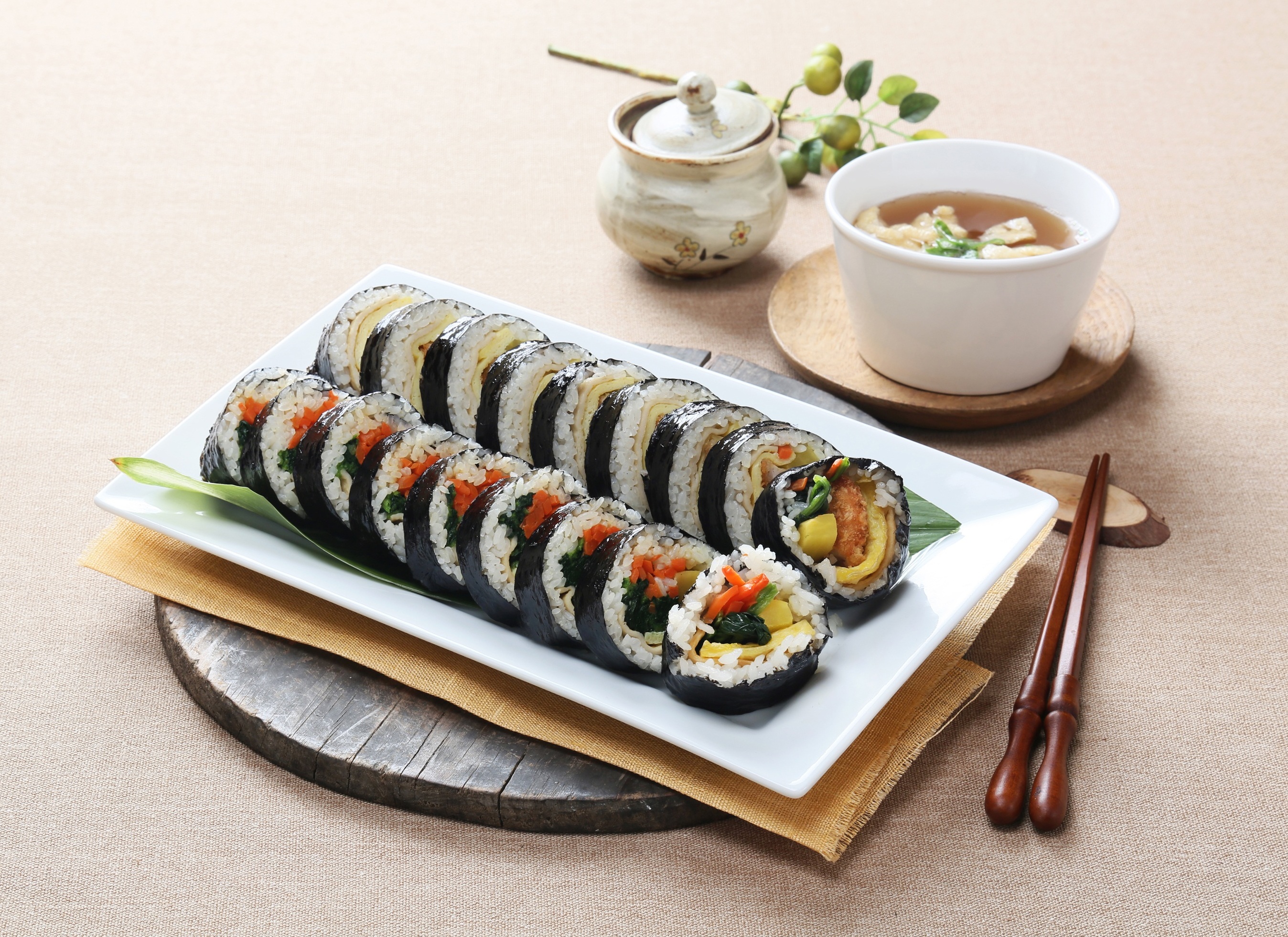
Kimbap is more than just a quick meal; it's a cultural staple that you can find across Korea, from the bustling streets of Itaewon to the quiet corners of Yeonnam-dong. Whether you grab it at a local convenience store or enjoy a fresh roll at a dedicated kimbap restaurant, understanding its caloric and macronutrient content can help you make better dietary choices.
What Is Kimbap?
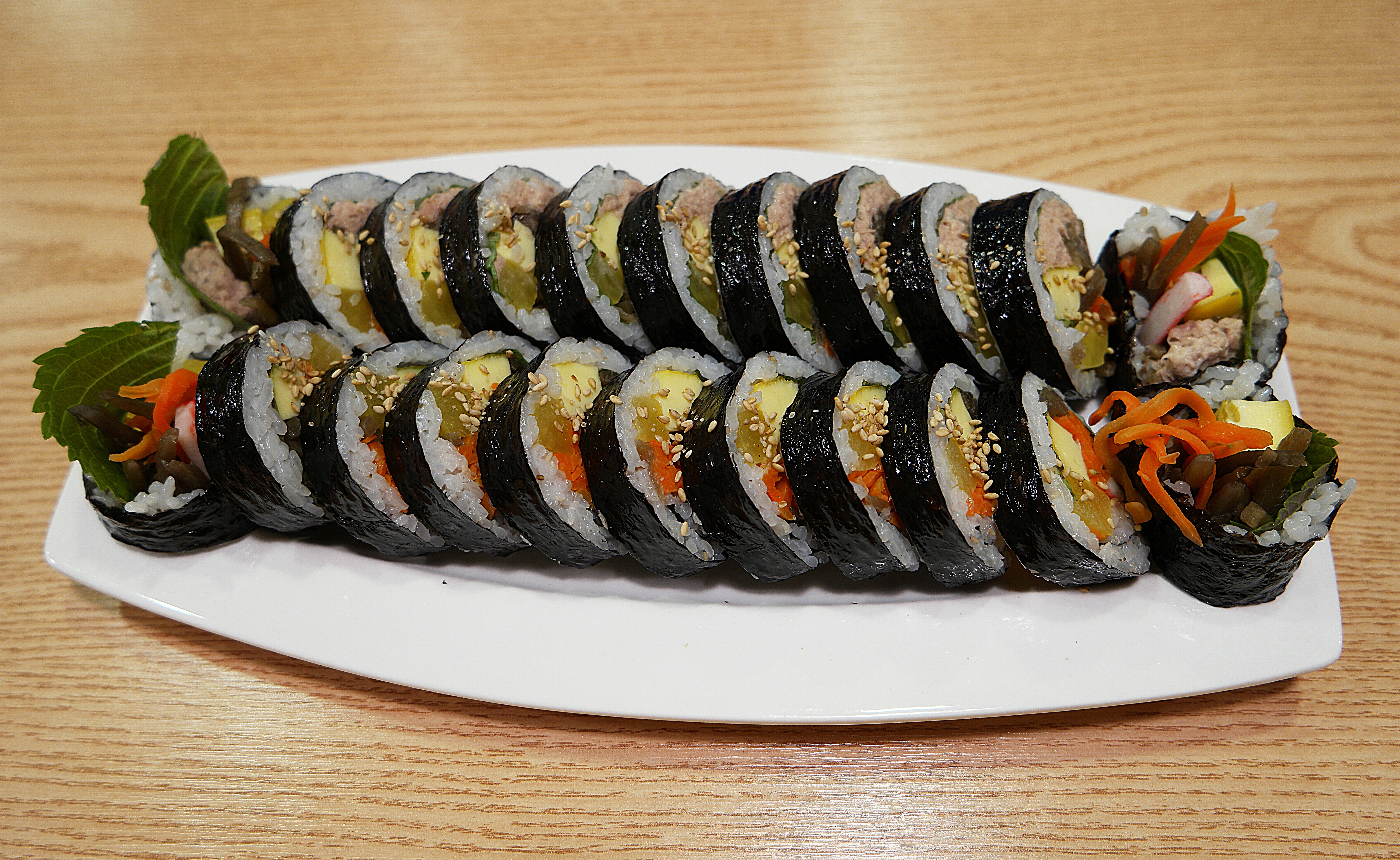
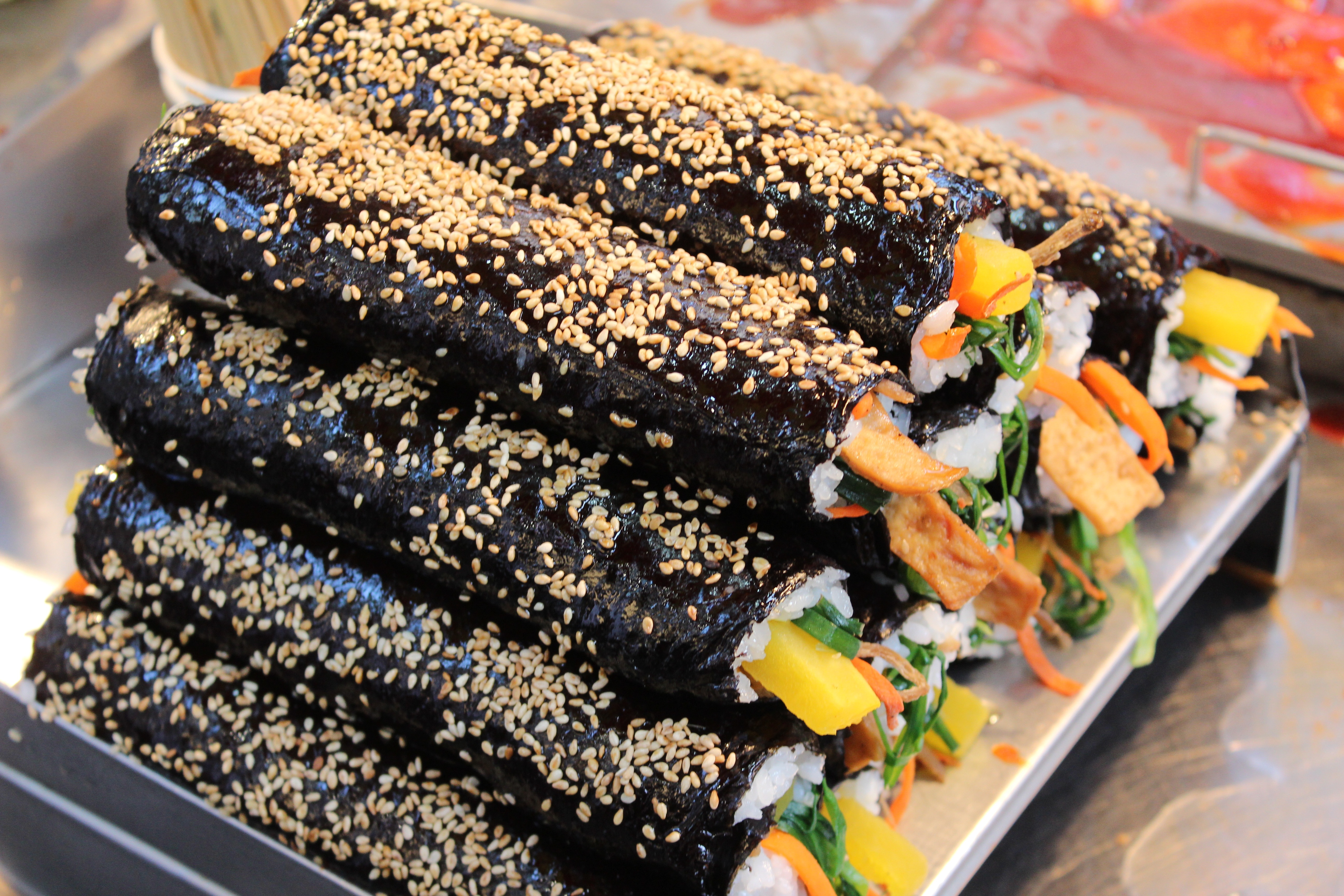
Kimbap (김밥), often translated as 'seaweed rice,' is made by rolling rice and various fillings in seaweed sheets. The fillings can vary widely, from pickled vegetables to beef or tuna, and even egg. This versatility makes kimbap a sought-after option for those on the go. For instance, a popular place in Yeonnam-dong, Gimbap Heaven, offers a range of options to suit any taste, often priced around 3,500 won (approximately $2.60) per roll.
Kimbap Varieties
- Classic Kimbap: Usually filled with ingredients like carrot, cucumber, and danmuji (pickled radish). This version is prevalent and can be found in many places, including convenience stores.
- Chungmu Kimbap: A simpler version often served with side dishes like spicy squid, found at small eateries in Jongno.
- Tuna Kimbap: Features canned tuna mixed with mayonnaise, popular in busy areas like Gangnam. You can find it for about 4,000 won ($3) at places like Korean Street Food.
- Vegetable Kimbap: A vegetarian-friendly option filled with various veggies, usually available at health-focused cafes.
- Cheese Kimbap: Incorporates cheese, appealing to Western tastes, often spotted in trendy spots in Hongdae.
Caloric Content of Kimbap
According to the Korean Food and Nutrition Database, the average calories for a standard kimbap roll (about 100g) ranges between 200 to 250 calories. However, this can vary significantly based on the fillings. For example:
- Classic kimbap: Approximately 210 calories
- Tuna kimbap: Approximately 300 calories
- Vegetable kimbap: Approximately 180 calories
- Cheese kimbap: Approximately 350 calories
It's worth noting that these figures reflect kimbap made with standard ingredients. If you opt for extras or larger portions, such as those at popular spots in Gangnam, the calorie count will increase accordingly. Additionally, kimbap sold in convenience stores often has slightly more calories due to preservatives.
Macronutrient Breakdown
While calorie count is one aspect, understanding the macronutrients is just as important. Kimbap generally offers a balance of carbohydrates, fats, and proteins, which can help you feel satisfied during a busy day in Seoul:
- Carbohydrates: The primary source comes from the rice, typically comprising around 30-40g per roll. This makes kimbap a source of quick energy, which is especially handy when you're walking around a district like Myeongdong.
- Protein: This can range from 5 to 15g, depending on the filling. Tuna kimbap tends to have the highest protein content, appealing to those seeking a more substantial meal.
- Fats: Generally low, around 5-10g, but can be higher if mayonnaise or cheese is included. It's worth checking labels if you are buying pre-packaged kimbap, especially at places like H Mart.
Health Considerations
Kimbap can be a healthy choice, especially when filled with fresh vegetables and lean proteins. However, the addition of certain ingredients can up the calorie count significantly. Here are a few tips to make healthier choices while enjoying kimbap:
- Choose vegetable-based options when possible. They are typically lower in calories and higher in nutrients.
- Avoid excess sauces and mayonnaise, which can add unnecessary calories. Many restaurants will let you adjust the ingredients if you ask.
- Inquire about portion sizes; some restaurants serve larger rolls that can double the calorie count. For example, at certain popular joints in Gangnam, you might find oversized rolls priced at around 7,000 won ($5.20).
- Pair kimbap with a side of kimchi or pickled vegetables to enhance flavour without adding significant calories.
Kimbap in Seoul
In Seoul, kimbap is everywhere, whether you're in the lively streets of Hongdae or the quieter residential areas of Seongsu-dong. Popular spots like Gimbap Nara offer classic recipes for about 2,500 won (around $1.90), while cafes in the trendy Garosu-gil area may charge closer to 6,000 won ($4.50) for artisanal versions. Each region offers its local twist on this beloved dish.
Where to Find Kimbap in Seoul
- Itaewon: Home to both traditional and fusion options, including places that serve kimbap with Western ingredients. A popular spot is Jinmi Kimbap, where you can enjoy a roll for around 4,500 won ($3.40).
- Gangnam: Known for trendy versions, often more expensive but visually appealing. Look for the Cheese Kimbap at Gimbap Jang, priced around 5,500 won ($4.10).
- Hongdae: A hotspot for students, with budget-friendly and innovative kimbap options. Gimbap Bunsik serves a delicious tuna variation for about 3,500 won ($2.60).
- Jongno: Traditional spots that offer classic recipes at affordable prices. Old Kimbap here serves rolls for just 2,000 won ($1.50).
- Seongsu-dong: Emerging cafes that focus on health-conscious offerings, such as the vegetarian kimbap at Chic Gimbap, generally priced around 5,000 won ($3.80).
Making Kimbap at Home
If you want to enjoy kimbap but prefer to make it yourself, the process is straightforward and rewarding. Here’s a practical step-by-step guide to crafting your own kimbap:
- Gather your ingredients: You will need sushi rice, seaweed sheets, and your choice of fillings. Popular fillings include cooked carrots, cucumbers, pickled radish, and proteins like beef or tofu.
- Prepare your rice: Cook the sushi rice according to the package instructions. Once cooked, mix in a bit of rice vinegar, sugar, and salt to give it flavour.
- Prep the fillings: Slice your selected vegetables and proteins into long, thin strips. If using meat, ensure it’s cooked and seasoned to your preference.
- Assemble the kimbap: Place a sheet of seaweed shiny side down on a bamboo mat. Spread a thin layer of rice over the seaweed, leaving a margin at the top. Add your fillings across the centre.
- Roll it: Using the bamboo mat, roll the kimbap away from you, applying light pressure to keep it tight. Seal the edge with a little water.
- Slice and serve: Use a sharp knife to slice the roll into bite-sized pieces. Serve with soy sauce or pickled vegetables for an authentic taste.
With homemade kimbap, you can control the ingredients and tailor it to your dietary needs.
FAQ
How many calories are in a typical kimbap roll?
A typical kimbap roll contains approximately 200 to 250 calories, but this can vary based on the fillings used.
Is kimbap a healthy meal option?
Kimbap can be a healthy meal, particularly when filled with vegetables and lean proteins. However, be cautious of heavy sauces or additional fats.
Where can I find the best kimbap in Seoul?
Some of the best kimbap can be found in areas like Jongno or Itaewon, where you can find both traditional and modern variations.
Can I make kimbap at home?
Yes, you can easily make kimbap at home. All you need are sushi rice, seaweed sheets, and your choice of fillings. Many online recipes can guide you through the process.
How long does homemade kimbap last?
Homemade kimbap is best eaten the same day. If stored in the refrigerator, it can last for up to two days but may lose its texture and taste.
Conclusion
Kimbap can be a delightful and nutritious meal if you keep an eye on the ingredients and portion sizes. The calorie counts and macronutrient breakdowns provided by official Korean data can help you make informed decisions on what to enjoy. Next time you're in Seoul, consider stopping by a local kimbap shop and sampling different varieties, all the while being mindful of their nutritional content.
In my next post, I’ll explore the differences between kimbap and sushi, revealing why they are often confused but distinctly different dishes.
Images by changupn (CC0), Lisy_ (CC0), junho306 (CC0) via Wikimedia Commons