Understanding Tteokbokki: Calories and Nutrition Insights
Explore the calorie count and nutritional value of tteokbokki, along with official Korean data. Learn how this beloved dish fits into a healthy diet.
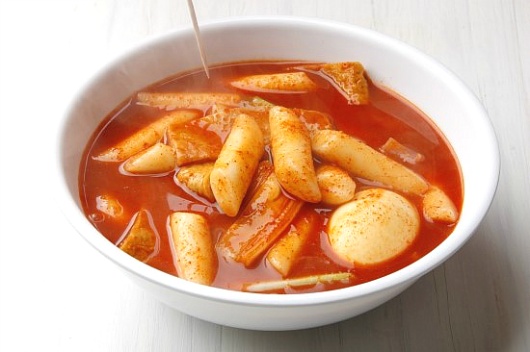
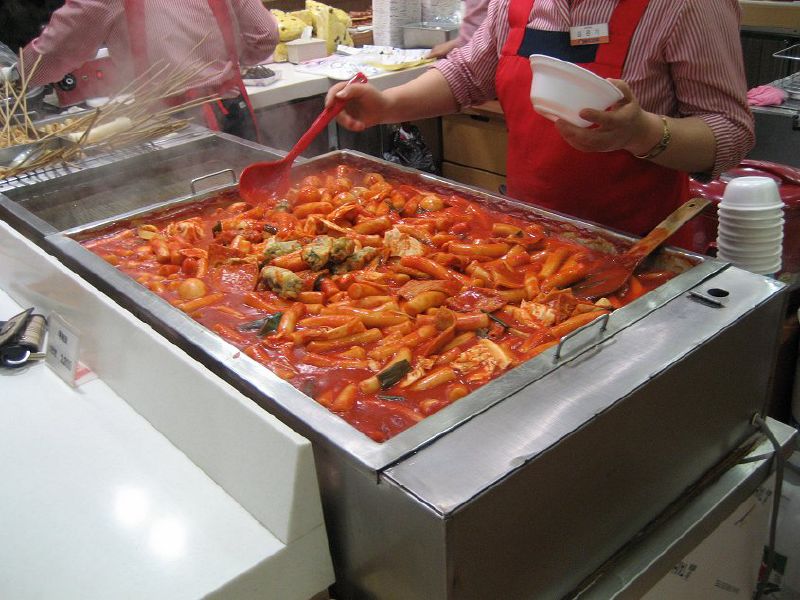
Tteokbokki is one of those dishes that seems to capture the essence of Korean street food. Walking through the bustling streets of Myeongdong or the quieter lanes of Yeonnam-dong, the sight of steaming tteokbokki stands is hard to miss. The chewy rice cakes coated in a spicy, sweet sauce are a comfort food for many locals. Given its popularity, it’s worth taking a closer look at its caloric content and nutritional profile.
Tteokbokki Basics: Ingredients and Variations
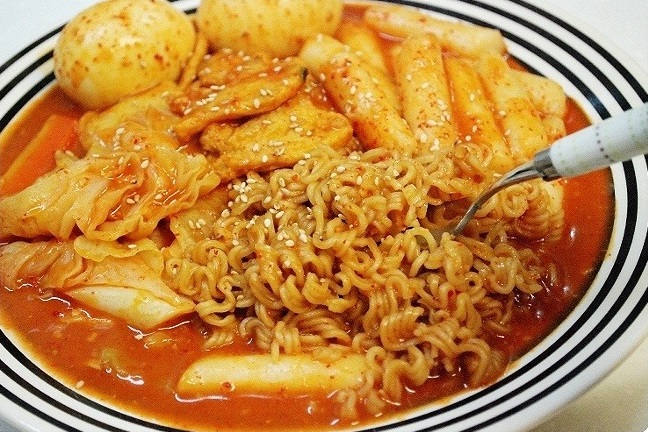
The main components of tteokbokki are simple: rice cakes (tteok), gochujang (red chilli paste), fish cakes, green onions, and often boiled eggs. However, variations abound, with some vendors adding cheese, ramen noodles, or even instant rice cakes. Each ingredient contributes a different aspect to the overall nutrition of the dish.
Typical Ingredients
- Rice Cakes: The base of the dish, usually made from glutinous rice flour. These can be purchased at H Mart, where a pack of fresh tteok costs around 5,000 won (about $4).
- Gochujang: Adds spiciness and sweetness, though it can be high in sugar and sodium. A popular brand like Sunchang’s gochujang is available for 3,000 won ($2.50).
- Fish Cakes: Commonly added, providing protein but also containing preservatives. You can find these at most convenience stores for about 1,000 won ($0.80) per piece.
- Green Onions: Offer a fresh contrast and additional nutrients, often included for less than 1,000 won ($0.80) per bunch.
- Boiled Eggs: Optional but add protein and richness; typically 300 won ($0.25) each in local markets.
Caloric Breakdown of Tteokbokki
According to official Korean dietary data, a standard serving size of tteokbokki (about 300 grams) contains approximately:
- Calories: 320-350 kcal
- Protein: 8-10 grams
- Fat: 3-5 grams
- Carbohydrates: 70-73 grams
- Sodium: 1,200-1,500 mg
These figures can vary significantly depending on the specific preparation and any additional ingredients. For example, if you opt for cheese tteokbokki, the caloric content will increase, primarily due to the added fat. I experienced a creamy cheese version at a popular street vendor near Hongdae, which was delicious but likely added an extra 100-150 calories per serving.
Nutritional Value and Health Considerations
While tteokbokki can be a satisfying snack or meal, it’s essential to consider its nutritional value within the context of your overall diet. Here are a few key points to keep in mind:
- High in Carbohydrates: The rice cakes provide a significant amount of carbohydrates, which are great for energy but can lead to a spike in blood sugar if consumed in large quantities. This is particularly important to note for those managing diabetes or blood sugar levels.
- Moderate Protein Content: While tteokbokki does contain some protein, it’s relatively low compared to other meals. Pairing it with a protein-rich side, like grilled chicken from a nearby stand in Gangnam, can create a more balanced meal.
- Sodium Levels: The sodium content can be quite high, particularly with the addition of fish cakes and gochujang. If you're watching your sodium intake, consider consuming tteokbokki in moderation. Many restaurants serve tteokbokki in generous portions, so you might consider splitting a serving with a friend to reduce sodium intake.
- Vitamins from Vegetables: The addition of green onions and other vegetables can provide some vitamins, though the dish is not particularly nutrient-dense overall. A sprinkle of sesame seeds from your local market can add a bit of extra fibre and nutrients.
Popularity and Cultural Context
Tteokbokki isn’t just a food; it’s a part of Korean culture. Often enjoyed as a late-night snack or a casual meal, it’s a dish that brings people together. Street food stalls selling tteokbokki are found in every major area of Seoul—from bustling Gangnam to the vibrant streets of Hongdae—each offering their unique twist on this classic dish.
In Gangnam, for instance, you’ll find upscale versions of tteokbokki served in trendy cafes that go for around 10,000 won ($8). These might include premium ingredients like lobster or truffle oil, catering to a more affluent crowd. In contrast, a traditional street stall in Jongno might sell a basic tteokbokki for just 3,000 won ($2.50), showing how this dish can cater to various tastes and budgets. A notable place is “Mukshidonna” in Sinchon, where they offer a “self-cooking” style that attracts both locals and tourists.
How to Make Tteokbokki at Home
Making tteokbokki at home can be a fun and rewarding experience. Here’s a simple step-by-step guide to prepare it yourself:
Ingredients You'll Need
- 300 grams of rice cakes
- 2-3 tablespoons gochujang
- 500 ml water or stock
- 100 grams fish cakes, sliced
- 2 green onions, chopped
- 1 boiled egg (optional)
- Sugar to taste (optional)
Step-by-Step Instructions
- Prepare the Rice Cakes: If using fresh rice cakes, soak them in warm water for about 30 minutes. If using frozen rice cakes, thaw them in warm water.
- Make the Sauce: In a pot, combine water or stock with gochujang and bring it to a simmer. Stir well to dissolve the gochujang into the liquid.
- Add the Rice Cakes: Once the sauce is simmering, add the soaked rice cakes and fish cakes to the pot. Cook for about 10-15 minutes, stirring occasionally, until the rice cakes are tender and chewy.
- Add Vegetables: Stir in the chopped green onions and boiled egg if using. Adjust the seasoning with sugar if you prefer a sweeter taste.
- Serve and Enjoy: Serve hot, garnished with sesame seeds or additional green onions if desired.
This home-cooked version allows you to control the ingredients and make it healthier according to your preferences. Additionally, you might find it satisfying to experiment with different spices or toppings, such as adding a sprinkle of sesame seeds or incorporating more vegetables like carrots or zucchini.
Frequently Asked Questions (FAQ)
Is tteokbokki gluten-free?
Tteokbokki can be gluten-free if you ensure that the rice cakes are made from 100% glutinous rice flour. However, double-check the gochujang and fish cakes, as these can sometimes contain gluten.
Can I make tteokbokki vegetarian or vegan?
Yes, you can make vegetarian or vegan tteokbokki by omitting the fish cakes. Instead, you could add more vegetables like carrots or mushrooms for added flavour and texture. Many vendors also offer plant-based options nowadays.
How long does tteokbokki keep in the fridge?
Tteokbokki is best enjoyed fresh, but if you have leftovers, you can store them in an airtight container in the fridge for up to 2 days. Reheat on low heat to avoid overcooking the rice cakes. The texture may change slightly, but it can still be enjoyable.
Where can I find the best tteokbokki in Seoul?
While opinions vary, some popular spots include “Mukshidonna” in Sinchon for their unique “self-cooking” style and “Ggangtong Tteokbokki” in Dongdaemun for their classic street-style offerings. Both places are worth visiting for their unique takes on this beloved dish.
What are the best toppings to add to tteokbokki?
Common toppings include cheese, boiled eggs, and even extra vegetables. Some modern shops even offer unique toppings like dumplings or fried chicken. Experimenting with toppings can enhance the dish and make it more enjoyable.
Conclusion: A Treat to Enjoy Mindfully
While tteokbokki is undeniably delicious and a staple of Korean street food, being aware of its caloric and nutritional content allows for more mindful eating. With a standard serving containing around 320-350 calories, it can fit into a balanced diet, particularly if you’re active or looking for a quick energy boost.
Next time you find yourself at a street vendor, consider what’s on your plate and how it fits into your daily intake. Are you a fan of traditional tteokbokki or do you prefer the newer cheese versions? I’m curious to hear your thoughts on this dish and its place in Korean cuisine.
Images by Lee Kum Kee Korea (CC BY 4.0), by Sung Sook (CC BY 2.0), farmtv (CC BY 4.0) via Wikimedia Commons