What Real Korean Breakfast Looks Like (Hint: It's Not Always Kimchi)
A real look at Korean breakfast culture from a Seoul resident — what people actually eat in the morning, from rice-and-soup traditionalists to convenience store gimbap.
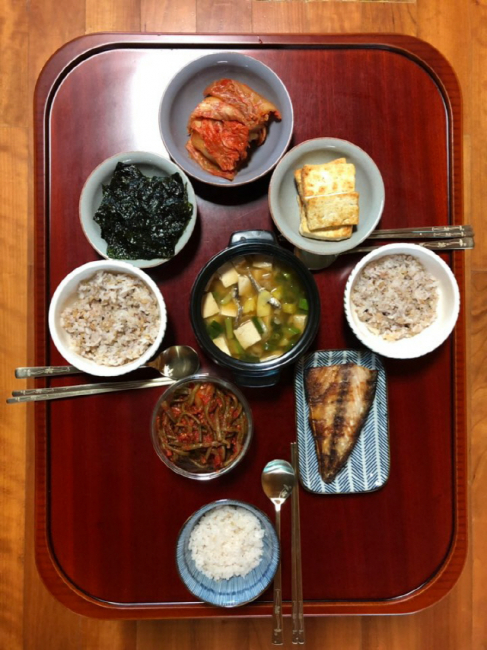
If you've watched a few K-dramas, you probably picture a Korean breakfast as a full table — a bowl of rice, soybean paste soup, grilled fish, three or four side dishes, and yes, kimchi. That image is not wrong. It's just not what most people in Seoul actually eat on a Tuesday morning.
Here's the honest range — what real Korean breakfast looks like in 2026.
The traditional set (still very real, mostly older generations)
The breakfast set that many associate with Korean culture is still prevalent among the older generations who built modern Korea. This traditional breakfast typically includes rice (bap), a soup or stew (guk or jjigae), grilled fish or egg, and a selection of banchan side dishes, with kimchi being a staple. The preparation and consumption of this meal often takes 30 to 40 minutes, as it is not just a meal but a meaningful ritual.
In Seoul, you might find this breakfast set being served on weekends in family homes or every day in households with members over the age of 60. It’s important to note that while this traditional breakfast is still cherished, it has become more of a nostalgic meal rather than a daily routine for most younger generations.
Some common elements of this traditional breakfast include:
- Steamed rice (bap) — Usually sticky and soft, often served in a bowl with a side of sesame oil for dipping.
- Kimchi — The quintessential side dish. There are countless varieties, with napa cabbage and radish being the most common. My favorite is the spicy young radish kimchi, which adds a refreshing crunch.
- Soup (guk) — Options can range from a simple seaweed soup (miyeok-guk) to a robust soybean paste stew (doenjang jjigae). The latter often includes tofu and seasonal vegetables.
- Grilled fish or egg — A small grilled mackerel is a classic choice, providing protein and flavor. Many families opt for a simple fried egg when fish is not on hand.
- Variety of banchan — These can include pickled vegetables, stir-fried zucchini, or seasoned bean sprouts, showcasing the culinary diversity of Korean cuisine.
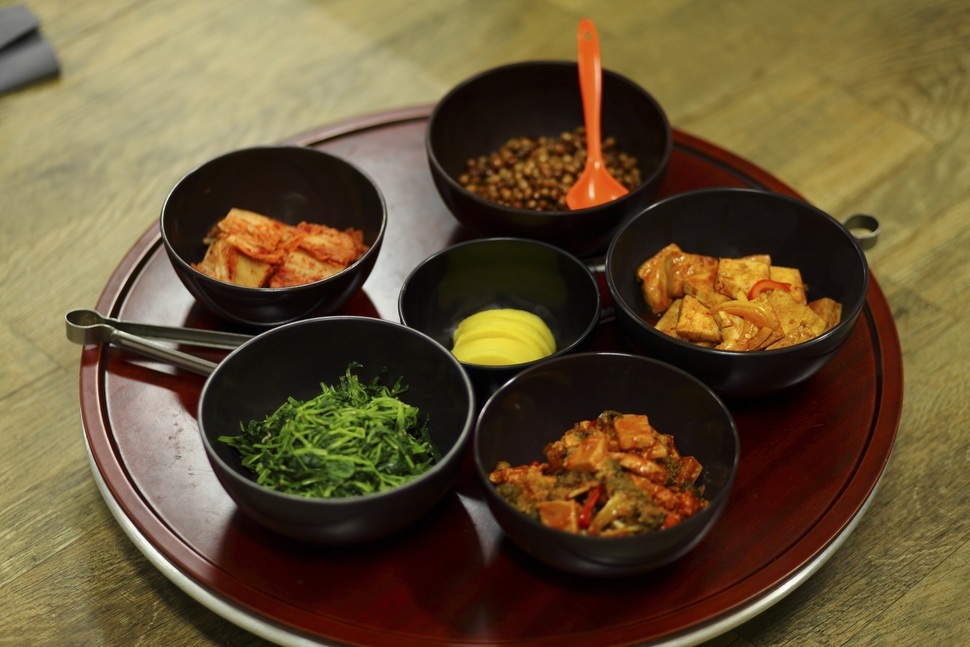
The pragmatic everyday breakfast (most adults under 50)
For the majority of working adults, breakfast has shifted to a more pragmatic approach. The honest list of what many eat on weekday mornings reflects a lifestyle that prioritizes speed and convenience:
- Toast and coffee — Yes, regular toast. Korean bakery toast is delicious and readily available. Popular chains like Paris Baguette and Tous Les Jours offer a variety of options, making it easy to grab a slice on the way to the office. Their sweet cream cheese toast is a local favorite.
- Cereal with milk — This is quite standard, with brands like Post and Kellogg's stocked in supermarkets and convenience stores alike. Some Korean cereals even come with unique flavors such as honey butter or red bean.
- A piece of fruit and a yogurt — This combination is especially common among women in their 30s and 40s, who might grab a banana or apple along with a yogurt cup from a convenience store or supermarket like H Mart.
- Leftover rice with one side — This simplified version of the traditional set is practical for those who want to avoid food waste. A quick fried egg or leftover kimchi can complete this meal.
- Nothing — Increasingly, many adults skip breakfast altogether, opting for just a coffee at the office. The fast-paced demands of modern life contribute to this trend.
This is the unglamorous truth, and it often contradicts the glamorous portrayals found in K-content. Daily life in Korea mirrors the time-pressed nature of many urban centers worldwide. For instance, during my visits to local offices, I often see colleagues grabbing just a cup of coffee from the nearest café, leaving behind the traditional breakfast rituals.
The convenience store breakfast (★ underrated, very real)
Korean convenience stores — GS25, CU, 7-Eleven, Emart24 — are vastly different from their American counterparts. Breakfast options available here are genuinely good and remarkably affordable, typically costing between 4,000 to 6,000 won (around $3–4). Here are some popular choices:
- Samgak gimbap — Triangle-shaped seaweed-wrapped rice filled with tuna mayo, bulgogi, or kimchi. This item might be one of the most efficient breakfasts in the world, as it's compact and easy to eat on the go. I often grab one when I’m in a rush.
- Hot bar (핫바) — A fish-cake skewer that is hot, salty, and oddly satisfying. It's a favorite among students and office workers alike. The spicy fish cake is particularly popular for its flavor and warmth.
- A small carton of banana milk — Binggrae banana milk has developed its own cult following. Its distinctive flavor and nostalgic packaging make it a favored choice for many, often paired with a hot bar or gimbap.
- Cup ramyeon — Popular brands like Shin Ramyun and Buldak can be found easily, with convenient hot water stations available for instant preparation. This has become a go-to for late-night snacks or quick breakfasts.
Office workers and students rely on these nutritious yet quick options regularly. If you visit Seoul and only ever dine in restaurants, you'll miss out on about 40% of how the city actually feeds itself. I’ve observed many students pack samgak gimbap and banana milk for their commutes, illustrating how these convenient meals fit seamlessly into busy lives.
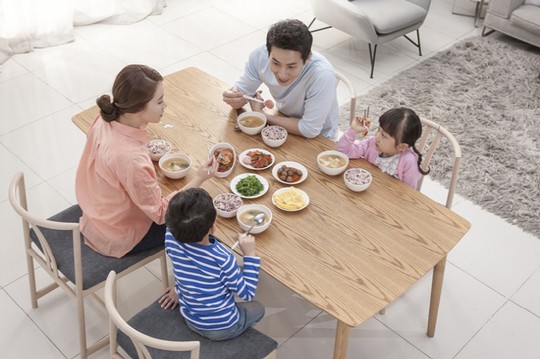
The weekend slow breakfast (brunch culture is huge here now)
On weekends, a notable shift occurs as a generation of Seoulites under 40 fully embraces brunch culture. Popular brunch items include eggs benedict, avocado toast, pancakes, and artisanal lattes. Neighborhoods like Yeonnam-dong, Seongsu-dong, and Itaewon are now dense with brunch cafes that typically serve from 10 am to 3 pm.
This brunch culture reflects a hybrid lifestyle. A dish that may have started as a traditional Korean meal now coexists comfortably with American-style eggs benedict enjoyed by a couple in a converted hanok at 11 am on a Sunday morning. The integration of various culinary influences illustrates how food evolves in urban settings.
Some notable brunch spots include:
- New York Brunch in Itaewon — Famous for its fluffy pancakes and creative egg dishes, often with a Korean twist.
- Yeonnam-dong's Cafe Sula — Known for its beautifully presented avocado toast and specialty coffees, often drawing lines out the door.
- Seongsu-dong's Cafe 5ci — A hip spot featuring brunch items made with locally sourced ingredients and an emphasis on sustainability.
The weekend brunch experience is not just about the food; it's also about ambiance, as many cafes are designed to provide comfortable spaces for socializing, working, or relaxing. The cultural shift towards brunch reflects an increasing desire to savor meals and enjoy leisurely mornings, a stark contrast to the rushed weekdays.
So what do I eat?
On a typical weekday, a common breakfast choice is a piece of fruit, a yogurt, and a coffee. If pressed for time, a samgak gimbap from GS25 often becomes the go-to option. On weekends, the more traditional breakfast set might be enjoyed with family, including rice, soup, and a selection of banchan.
The essential takeaway is that if you're trying to replicate a "Korean breakfast" at home, there's no need to stress about preparing 12 dishes at 7 am. The reality is that toast and coffee are equally valid as a Korean breakfast because it is what many people actually consume here.
Comparing Breakfast Styles Across Cultures
When looking at breakfast styles, it's interesting to compare Korean breakfasts with those from other cultures. For example, a traditional American breakfast often includes eggs, bacon, and pancakes, focusing on protein and sweetness. In contrast, Korean breakfasts, even in their traditional forms, often highlight fermented foods, grains, and soups, emphasizing balance and variety.
In Japan, breakfast might include miso soup, grilled fish, and rice, featuring similar elements of fermented products and simplicity. However, the integration of convenience store offerings sets Korea apart, as these stores provide a wide range of affordable, tasty options that reflect both modern and traditional influences.
Tips for Making Breakfast Easier
- Meal Prep: Spend some time on Sundays preparing breakfast items for the week. Making a large batch of kimchi fried rice or prepping smoothie packs can save time.
- Invest in a Good Coffee Maker: A decent coffee maker can transform your morning routine, providing a quick, quality caffeine fix.
- Keep it Simple: Remember that breakfast doesn't always need to be elaborate. A piece of fruit or a yogurt can be nutritious and quick.
- Explore Local Markets: Check out local markets for fresh produce and artisanal products that can elevate your breakfast without much effort.
- Try Korean Breakfast Recipes: Explore quick Korean breakfast recipes online that don't require hours of prep, such as simple kimchi fried rice or a quick doenjang jjigae.
FAQ
What is a typical Korean breakfast?
A typical Korean breakfast can range from a full meal with rice, soup, and side dishes traditionally consumed by older generations, to simpler options like toast, cereal, or even nothing at all for busy working adults.
How much does breakfast cost in South Korea?
The cost of breakfast varies widely. A traditional breakfast set at home can be made for a low cost, while convenience store meals typically range from 4,000 to 6,000 won ($3–4). Cafes offering brunch options can be more expensive, often charging 10,000 won or more for a dish.
Is brunch popular in Seoul?
Yes, brunch culture has exploded in popularity among younger Koreans, especially on weekends. Many neighborhoods feature a variety of cafes offering a diverse selection of brunch items, catering to both local tastes and international influences.
Can you find traditional Korean breakfasts in restaurants?
While traditional Korean breakfasts are less commonly served in restaurants, some places focus on serving these meals, particularly in areas frequented by tourists or near traditional markets.
What should I try for breakfast in Korea?
If you want an authentic experience, sampling a convenience store breakfast—like samgak gimbap and banana milk—offers a glimpse into the everyday life of many Koreans. For a more traditional experience, visiting a family-run restaurant for a complete breakfast set can be rewarding.
Photos by Viridiana Rivera, makafood, Jed ji via Pexels