Celebrating Lunar New Year: Korean Traditions Today
Curious about how Koreans celebrate Lunar New Year? Discover the customs, foods, and activities that bring families together during this festive time.
As Seoul gears up for the Lunar New Year, or Seollal, the city takes on a unique rhythm. Streets that bustle with daily life quiet down as many residents prepare to return to their hometowns. The sense of anticipation is palpable, with the air carrying a mix of nostalgia and excitement as families prepare to honor their ancestors and usher in the new year. This transition can be particularly noticeable in areas like Yeonnam-dong and Seongsu-dong, which are usually vibrant and full of activity, but during Seollal, they take on a quieter, more reflective tone.
Family Gatherings and Ancestral Rights
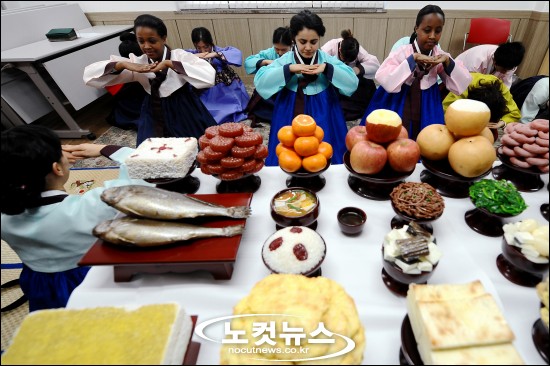
One of the most significant aspects of Seollal is the family gathering. Many Koreans travel to their hometowns to celebrate with relatives, reflecting a deep respect for familial ties. This is not just another holiday; it is a time for Charye, the ritualistic ceremony to pay respects to ancestors. Families lay out a feast on a table, which might include items like rice, soup, and various side dishes known as banchan.
During this time, the preparation of food is not only a culinary task but a family bonding experience. Family members gather in the kitchen, reminiscing and sharing stories while preparing traditional dishes together. The traditional offerings often include:
- Steamed white rice
- Beef soup (Galbitang)
- Various seasonal fruits
- Fish and meat dishes
Each family has its own variations, but the act of preparing and serving these dishes is steeped in tradition. Some families might add their own regional specialties to the mix, showcasing the diverse culinary landscape of Korea. For example, while beef soup is prevalent, some might opt for kimchi jjigae or samgyeopsal depending on personal or regional preferences.
The Symbolism of Food
The food served during Seollal is rich in symbolism, representing wishes for health, prosperity, and good fortune in the coming year. One dish that stands out is tteokguk, a traditional rice cake soup that is meant to symbolize the gaining of a year in age and wisdom. A bowl of this warm, hearty soup typically costs around 8,000 won (approximately $6) at local restaurants but can vary based on the establishment and any special ingredients used.
Additionally, you will find jeon (savory pancakes) and fresh fruits like pears and persimmons, all of which play a role in the celebratory feast. Jeon can come in various forms—such as kimchi jeon or pajeon—and are often enjoyed with a dipping sauce made from soy sauce and vinegar. However, while many people rave about the importance of these dishes, it’s worth noting that some of the hype may be overstated. Yes, tteokguk is delicious, but the array of food can sometimes feel more about tradition than taste. The experience of eating these dishes with family often holds more significance than the flavors themselves.
Seollal Customs and Activities
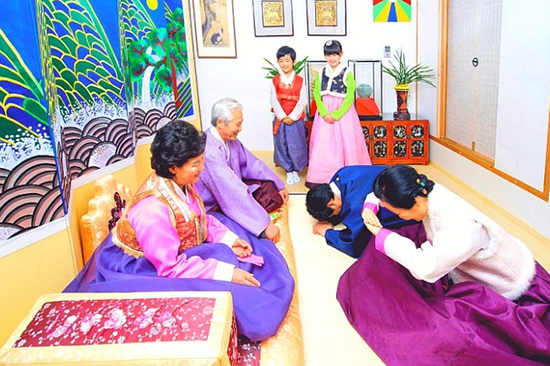
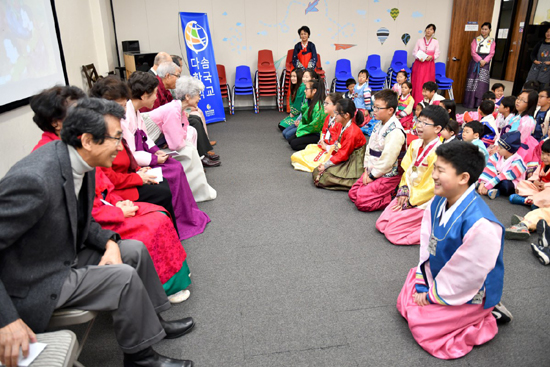
Beyond the food, there are specific activities that define the celebration of Seollal. One of the most cherished traditions is sebae, a deep bow showing respect to elders. In return, the elders often give out sebae-money—small amounts of cash, usually around 10,000 won (about $7.50)—as tokens of good luck. This practice, while charming, can feel a bit transactional at times, especially for younger generations who may question the necessity of giving money as a blessing.
In conjunction with these familial rituals, many people also indulge in traditional games like yutnori, a board game played with sticks that can be quite competitive. If you visit places like Itaewon during Seollal, you might find cafes and bars hosting yutnori tournaments. These events can provide a lively atmosphere and attract both locals and tourists, facilitating a sense of community and festivity. Traditional games often evoke a sense of nostalgia, reminding many of their childhood experiences during the holidays.
Urban Vs. Rural Celebrations
In urban areas like Gangnam and Hongdae, Seollal celebrations can look quite different compared to rural towns. Many young people now opt for convenience, dining out at restaurants instead of preparing elaborate home-cooked meals. The restaurants in these neighborhoods often offer special menus for Seollal, which can include a selection of traditional dishes but presented in a more modern and accessible way. For example, you might find a trendy restaurant in Gangnam serving a contemporary twist on tteokguk, perhaps garnished with truffle oil or offered with a gourmet side of pickled radish.
Olive Young, a popular beauty retailer, often features festive beauty kits during this time, which many youngsters appreciate as a modern way to participate in the holiday spirit. The kits usually contain trending skincare items suited for the changing weather—ideal for those seeking to refresh their routines alongside their holiday preparations. However, some may argue that this shift reflects a loss of tradition. The authentic experience of making tteok at home while bonding with family is something that cannot be easily replicated at a restaurant or store. The interplay between modern convenience and traditional practices is a topic worth exploring further.
Reflections on the Hype
With the increasing popularity of Korean culture worldwide, there's a tendency for some aspects of Seollal to become sensationalized. Many influencers promote extravagant celebrations filled with lavish foods and elaborate settings, showcasing meticulously arranged tables overflowing with dishes. While these portrayals can be enticing, they often overlook the simplicity and warmth that characterizes family gatherings. Seollal is not just about the grand displays but rather the quiet, meaningful moments shared with loved ones.
There is a certain comfort in the intimate gatherings that many families cherish, where conversations flow easily, and laughter fills the room. As someone who has observed various celebrations in Seoul, the true essence of Seollal lies in these moments rather than the extravagant feasts that might dominate social media. Learning to appreciate these nuances allows for a richer understanding of the holiday’s significance. In many cases, it is the small gestures and shared memories that truly embody the spirit of Seollal.
Conclusion: A Time for Reflection
As Lunar New Year approaches, it’s a time for reflection—not just about the past year, but also about how individuals participate in traditions. Whether you're preparing a feast or simply enjoying the break from daily life, consider what this holiday means to you. Will you be focusing on the family aspect, the food, or perhaps the need for modern adaptations? Each approach offers a unique perspective on how to celebrate.
Next week, a look into how modern Korean cinema depicts family ties during holiday seasons will be explored, focusing on recent films that tackle themes of reunion and familial bonds. This exploration might reveal how the narratives surrounding family have evolved in contemporary Korean society.
FAQ
What is the significance of tteokguk during Seollal?
Tteokguk, or rice cake soup, is significant as it symbolizes the gaining of a year in age and wisdom. Eating this dish during Seollal is considered essential for welcoming the new year and is a beloved tradition.
How do urban celebrations of Seollal differ from rural ones?
In urban areas, people often opt for dining out and convenience, while rural celebrations tend to focus on home-cooked meals and family gatherings. This shift highlights the contrast between modern lifestyles and traditional practices.
What is the custom of sebae, and how is it practiced?
Sebae is a deep bow performed to show respect to elders during Seollal. In return, elders typically give out sebae-money, which serves as a token of good luck for the new year.
Are there any traditional games played during Seollal?
Yes, traditional games like yutnori are popular during Seollal. This board game encourages family interaction and can be quite competitive, making it a fun addition to the holiday festivities.
How has Korean culture's global popularity affected Seollal celebrations?
The global popularity of Korean culture has led to a sensationalized portrayal of Seollal, often emphasizing extravagant displays. However, this might overshadow the simplicity and warmth of traditional family gatherings that define the true essence of the holiday.
Photos by Cheng Shi Song, Angela Roma, Nuhyil Ahammed via Pexels