Essential Basics for Your First 30 Days in Korea
A practical checklist for your first month in Korea, covering phone, bank, card, and daily essentials for a smooth transition.
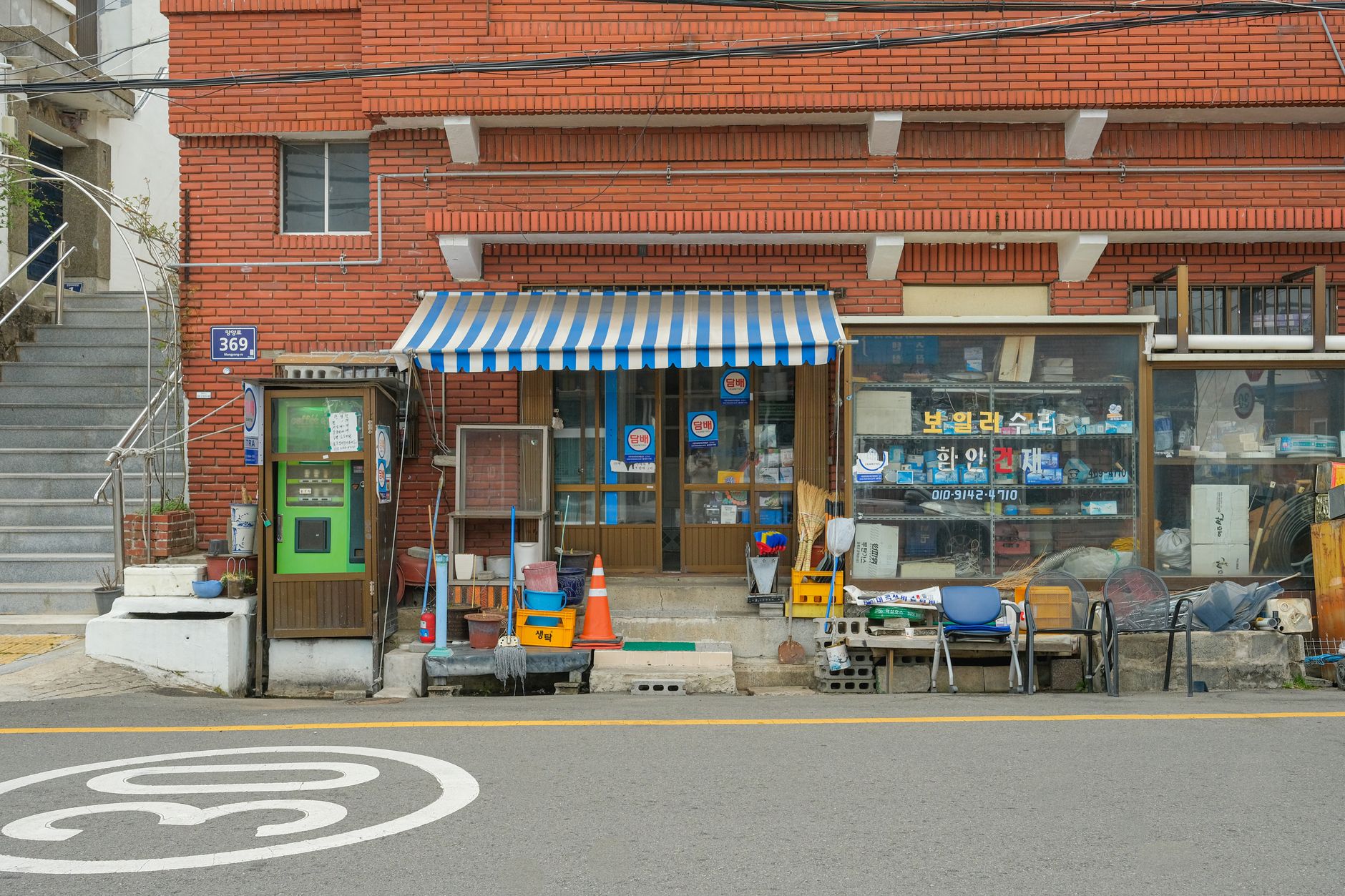
As someone who has spent considerable time exploring the ins and outs of Seoul, I can attest that the first 30 days in a new country can be a whirlwind. If you’re settling down here, especially in vibrant neighborhoods like Gangnam or Itaewon, having your basics sorted out can ease the transition significantly.
Setting Up Your Phone
First things first, let’s talk about your phone. In Korea, having a local SIM card is essential for convenience, especially if you use navigation apps like KakaoMap or Naver Map. These apps are incredibly accurate, making it easy to find places, navigate the subway system, and even check for bus arrivals in real time.
Getting a SIM Card
You’ll find several options at places like Incheon International Airport or any major convenience store. The most popular providers are KT, SK Telecom, and LG Uplus. At the airport, you can get a prepaid SIM card for as low as 30,000 won (about $25) that usually provides a month’s worth of data and local calls. If you prefer a postpaid plan, be prepared to show identification and a proof of residence, like your utility bill or rental contract.
Wi-Fi Options
If you don’t want to bother with a SIM card, you might consider renting a portable Wi-Fi device. These can be picked up at the airport for around 5,000 won ($4) per day, depending on the provider. They can be particularly useful if you're travelling with friends and need multiple connections.
Banking Essentials
Your banking setup is another key component for living in Korea. One of the first things you’ll need is a bank account. Most banks in Seoul offer services in English, but it’s helpful to bring someone who speaks Korean if you're not confident.
Choosing a Bank
Consider visiting some popular options like Kookmin Bank or Shinhan Bank, which both have English-speaking staff. When I opened my account at Kookmin in Yeonnam-dong, the process took about 30 minutes, and I walked out with a debit card.
- Kookmin Bank: Popular among expats, they offer an English-friendly service.
- NH Bank: Known for good foreign transfer rates and often has no fee ATM withdrawals.
- Shinhan Bank: Offers convenient ATM locations throughout Seoul, which are often available in English.
You’ll typically need your passport, an alien registration card (if you have it), and perhaps a utility bill for proof of address. Most banks don’t charge monthly fees for basic accounts, which is a plus.
Understanding Fees
Keep an eye on foreign transaction fees if you plan to use your international card. Some banks charge up to 3% for transactions made in Korean won, while others may offer free conversions. Take the time to compare before you settle on a bank.
Understanding Payment Methods
Once your bank account is set up, getting a debit card is a smart move. It allows you to make cash withdrawals and pay for purchases directly. Cards from banks like Kookmin or Shinhan can be acquired during your account setup.
Using Credit and Debit Cards
Many places in Seoul accept credit and debit cards, including popular brands like Visa, Mastercard, and local ones such as 삼성카드 (Samsung Card). However, street vendors and small shops may only take cash, so it’s wise to keep some won on hand. A cash backup of about 20,000 to 50,000 won ($17 to $42) can be practical for unplanned expenses or street food cravings.
Public Transportation Basics
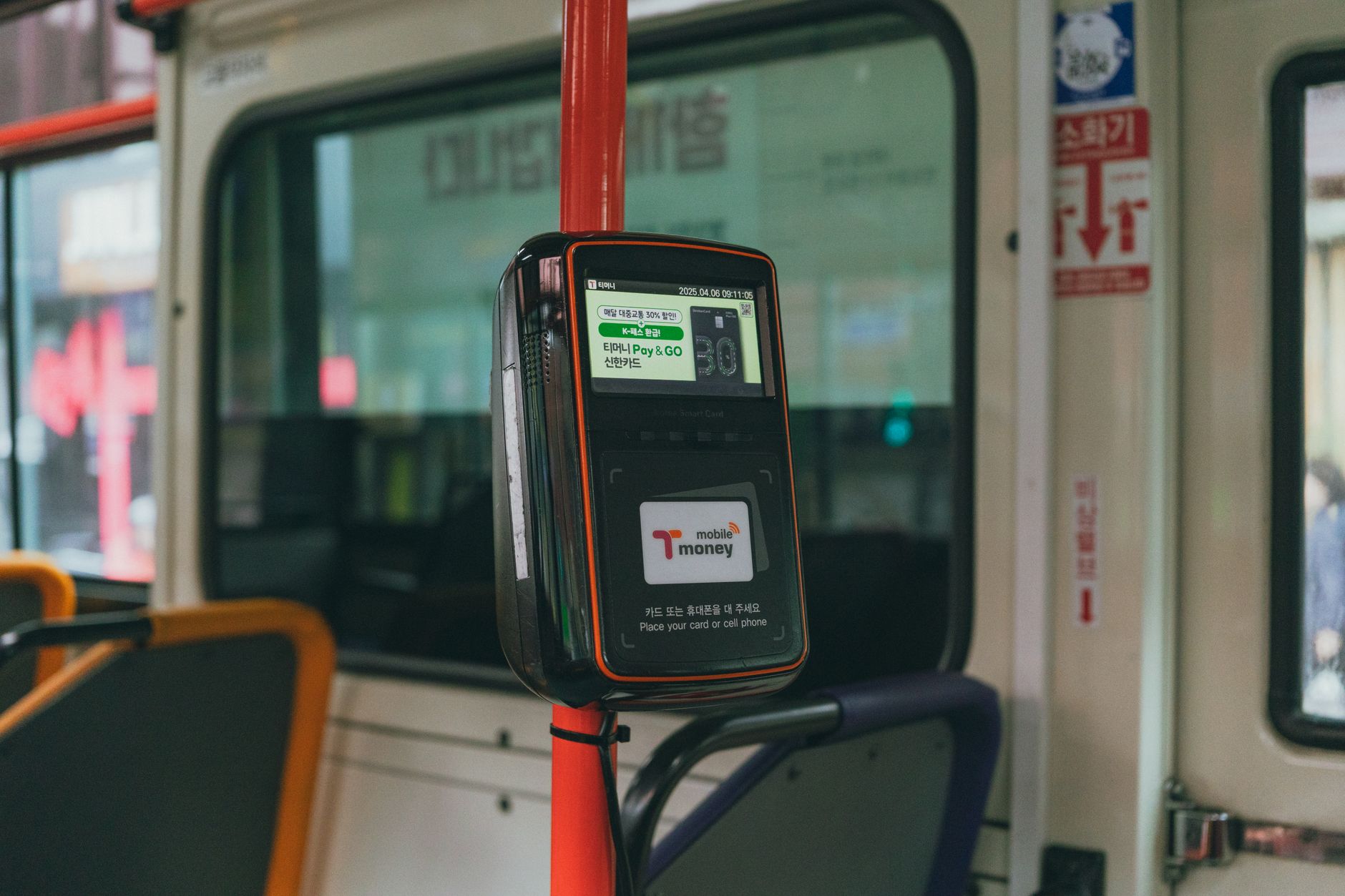
The public transport system in Seoul is user-friendly, but you’ll need a T-money card for convenience. This card can be used on buses and subways and can be topped up easily at convenience stores throughout the city.
Getting Your T-money Card
A T-money card costs around 2,500 won (just under $2). You can purchase one at any GS25 or CU convenience store. Make sure to load it with at least 10,000 won (about $8) so you're ready to travel around the city. Unlike some cities, you’ll find that public transport in Seoul is both timely and clean, making it a pleasant experience.
Subway Navigation
The subway system consists of 23 lines, and each station is usually well-marked in English. Downloading the Seoul subway app can also provide real-time updates and help you navigate complex transfers. Commonly used transfer stations like Seoul Station and Gangnam Station can get crowded, especially during rush hour, so plan your travel accordingly.
Daily Essentials
Aside from the foundational elements mentioned, there are a few daily essentials worth considering as part of your first-month checklist. Having these sorted can help you to feel more at home in your new surroundings.
Household Items
- Toiletries: Olive Young, located in many neighbourhoods, is a great one-stop shop for personal care products. Expect to spend around 20,000 won (roughly $17) on basic items like shampoo, body wash, and skincare essentials.
- Groceries: H Mart is an excellent supermarket for both Korean and international foods, with prices comparable to those back home. You can expect to pay about 30,000 won ($25) for a week’s worth of groceries, depending on your diet.
- Portable Charger: With all the navigating and photographing, a portable charger is a lifesaver. You can find one for about 15,000 won ($12) at any electronic store, such as Yongsan Electronics Market.
Health and Insurance
Health insurance is a crucial aspect of your move. If you’re employed in Korea, your company will typically provide health insurance. If not, consider getting the National Health Insurance, which is mandatory for long-term stays and usually costs around 100,000 won ($84) monthly for individuals.
Finding a Doctor
In case you need medical attention, finding a neighbourhood clinic can be a straightforward process. Many expats recommend the Seoul National University Hospital located in the Gwanghwamun area for serious issues. For minor ailments, local clinics can be found in almost every district, and many have English-speaking staff.
Social Life and Networking
Once you've settled in, building a social life can be one of the most rewarding aspects of living in Korea. Social media platforms like Facebook or Meetup can help you connect with expat communities, language exchange groups, or hobby clubs. Don't hesitate to join a local class, whether it’s cooking, taekwondo, or a language course.
Finding Events
For cultural immersion, frequently check listings on platforms like Eventbrite or local websites like Time Out Seoul. Events vary from art exhibitions in Hongdae to music festivals in Yeonnam-dong. Attending these can give you a taste of local life and help you meet new people.
FAQ
What should I prioritize in my first week in Korea?
Focus on setting up your phone, bank account, and T-money card. These will lay the groundwork for your daily life.
Is it necessary to learn Korean?
While many Koreans in urban areas speak English, learning basic Korean phrases will enhance your experience and help you connect with locals.
What is the best area to live in Seoul for expats?
Areas like Itaewon, Gangnam, and Yeonnam-dong are popular among expats due to their vibrant atmosphere and accessibility to amenities.
How do I deal with cultural differences?
Be open and adaptable. Observing local customs and respecting social norms will help you navigate cultural differences smoothly.
Wrapping Up
Settling into a new country can be as exhausting as it is exciting. By addressing your phone, banking, and daily essentials in your first 30 days, you can make life in Korea much more manageable. While I cannot cover every single aspect, this checklist should serve as a solid starting point. Each day will present new challenges and opportunities, and actively engaging with your surroundings will enrich your experience.
In the next post, I might explore the best places to eat in Seoul on a budget or how to navigate the local cafe culture. What do you think?
Photos by 세훈 예, Nataliya Vaitkevich, Theodore Nguyen via Pexels