Seoul Winter Daily Routines: A Local's Practical Guide
Explore practical daily routines for a Seoul winter, from food to fashion, that will help you embrace the season like a local.
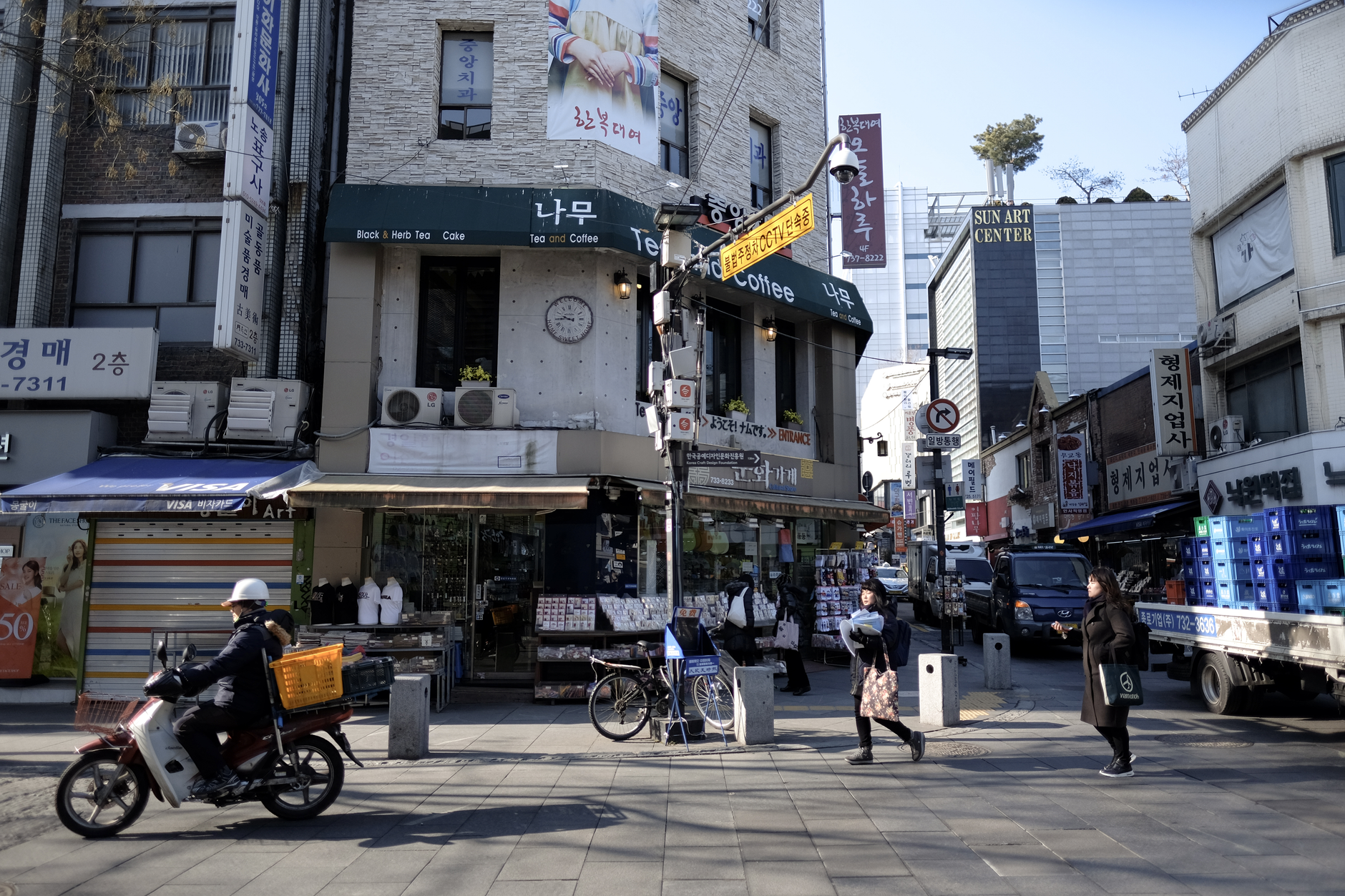
As the chill of winter envelops Seoul, the city transforms into a vibrant yet chilly landscape. The streets of neighbourhoods like Gangnam and Jongno buzz with a unique energy, as locals adapt their daily routines to the season. Having spent enough winters here, I’ve gathered practical insights that can help anyone navigate these colder months in a way that’s both enjoyable and efficient.
Winter Wardrobe Essentials
One of the first adjustments locals make as winter sets in is to their wardrobe. The practical approach here is to invest in layers. The weather in Seoul can shift dramatically, so think about your outfits in terms of layers:
- Base Layer: A good thermal top, like those from Uniqlo, priced around 20,000 won ($15), can make a significant difference. Their Heattech line is particularly popular for its warmth without bulk.
- Mid Layer: A cozy sweater or fleece. Brands like H&M offer a variety for about 30,000 won ($23), and you can often find sales during the winter months.
- Outer Layer: Invest in a quality jacket. The Korean brand 8Seconds has stylish options starting at 90,000 won ($68), while Uniqlo’s down jackets are also a solid choice for around 70,000 won ($52).
Don’t forget accessories; a warm beanie and scarf from local shops in Itaewon can be stylish and functional. Many shops in this area offer handmade items for a unique touch, often priced between 15,000 to 25,000 won ($11 to $19).
Daily Commute: Embracing Public Transport
Using Seoul’s subway system during winter is a rite of passage. The subway is not only efficient but also often warm—an essential respite from the biting cold outside. A T-money card, typically charged with around 10,000 won ($7.50), can be used for easy access to both subway and buses.
As a local tip, avoid peak hours if you can; the trains can get overcrowded, making it a bit of a struggle to stay warm. Also, keep a handkerchief or small towel in your bag; the sudden warmth from the subway can sometimes lead to unexpected sweating. If you find yourself in need of a seat during rush hour, try to position yourself near the doors where people are likely to disembark at the next stop.
Cafés and Comfort Food
Winter is the perfect time to explore Seoul's café culture. With the aroma of coffee wafting through the air, stepping into a café becomes a comforting ritual. Look for cafés in Yeonnam-dong or Seongsu-dong where you can find unique brews. A cup of coffee usually costs 4,000 to 6,000 won ($3 to $4.50). I recommend Café Onion in Seongsu-dong for its warm atmosphere and freshly baked pastries.
Winter also calls for hearty comfort food. Be sure to try:
- Hotteok: Sweet pancakes filled with brown sugar, found at street stalls for about 1,000 won ($0.75). The stall near Hongdae usually has a long queue, which speaks to its popularity.
- Korean Stews: A bowl of kimchi jjigae (kimchi stew) at local diners can warm you up for around 7,000 to 9,000 won ($5 to $7). Look for places like Jinjujip in Gangnam.
- Street Food: Grilled fish cakes (eomuk) can be found at various stalls for about 2,000 won ($1.50). The ones near Myeongdong are some of the best.
Don’t overlook the winter specials either; many restaurants offer seasonal dishes that reflect Korean culinary traditions, such as tteokguk (rice cake soup), usually available for around 10,000 won ($7.50) during the Lunar New Year period.
Staying Active: Winter Activities
As temperatures drop, many locals opt for indoor activities to stay active. Indoor climbing gyms can be found in various districts including Gangnam, with entry fees around 15,000 won ($11.50). One of my favourites is the Rock climbing Center in Gangnam, which offers a vibrant community atmosphere.
If you’re feeling brave, a day trip to ski resorts like Vivaldi Park or Yongpyong isn’t too far from Seoul, with packages starting around 60,000 won ($45) for a day’s equipment rental and lift pass. They also often run promotions during the off-peak weekdays that can save you a few thousand won.
For those who prefer indoor activities, consider joining a yoga or pilates class in studios scattered around Itaewon, which typically charge around 20,000 won ($15) per session. These classes not only provide warmth but also help maintain physical fitness during the colder months.
Winter Festivals and Cultural Activities
Seoul’s winter is also cultural. The Seoul Lantern Festival, though typically held in November, hints at the festive spirit that carries into winter. The city lights up with decorations, especially around Jongno, where you can also find smaller holiday markets popping up. Consider visiting the Cheonggyecheon Stream area, where you can enjoy beautifully lit lanterns and art installations.
For those interested in traditional culture, visiting the Hanok villages in Bukchon can offer a glimpse into Korea's heritage. Participating in tea ceremonies or cooking classes gives you a taste of tradition wrapped in the warmth of winter. Many cultural centres offer classes for around 30,000 won ($23), and they often include all materials.
Self-Care and Wellness
The dry winter air can be harsh on the skin, making self-care routines essential. In the Seongsu-dong area, you can find a variety of beauty products that focus on hydration. Brands like Innisfree offer moisture-rich masks priced around 2,500 won ($2), ideal for combating dry skin. Olive Young stores throughout the city often feature seasonal sales, so keep an eye out for deals.
For a unique relaxation experience, consider visiting a jjimjilbang (Korean sauna). The Dragon Hill Spa in Yongsan offers a welcoming atmosphere, with an entry fee of around 12,000 won ($9) granting you access to both the saunas and baths. These venues often have heated floors, perfect for relaxing after a long day in the cold.
Finding Balance
A local routine in winter also embraces balance—finding time to relax amidst the hustle. Make time for short walks through parks like Hangang Park, where fresh air and stunning winter landscapes can help clear your mind. The Han River’s walking paths are particularly beautiful when dusted with snow.
Try to resist the online hype surrounding products or trends that claim to be the ultimate answer to winter woes. Instead, focus on what genuinely works for you. Winter in Seoul can be delightful if you adapt to the local rhythms and practices. For example, many locals enjoy making their own teas at home with ingredients like ginger, cinnamon, or green tea to warm up.
FAQ
What is the typical winter temperature in Seoul?
Winter temperatures in Seoul usually range between -6°C to 5°C (21°F to 41°F), with January being the coldest month. It’s best to check the forecast and dress accordingly.
Are there any seasonal foods to try in winter?
Yes, winter is an excellent time to enjoy dishes like tteokguk (rice cake soup) and mandu-guk (dumpling soup), which are traditional foods served during the winter months.
What are the best areas for winter shopping in Seoul?
Popular shopping areas include Myeongdong for cosmetics and street food, Gangnam for fashion, and Dongdaemun for textiles. These places not only offer various items but also seasonal events and activities.
How can I stay warm while commuting?
Wearing layers is key. A thermal base layer under your clothing, along with a scarf and gloves, will help maintain your warmth while commuting. Also, use public transport during peak hours to avoid the cold.
Conclusion
Each winter in Seoul brings its own charm, filled with traditional experiences and modern conveniences. By integrating these local routines, you can immerse yourself in the season more fully. What winter practices do you find essential in your life? Next, I’ll be exploring how to navigate Seoul’s vibrant winter markets.
Photos by Warmth (Personalrecorduse), Marius Mann, Huy Phan via Pexels