Siloam Sauna Review: A Practical Overnight Stay Near Seoul Station
Discover the pros and cons of Siloam Sauna for an overnight stay near Seoul Station, including facilities, costs, and more.
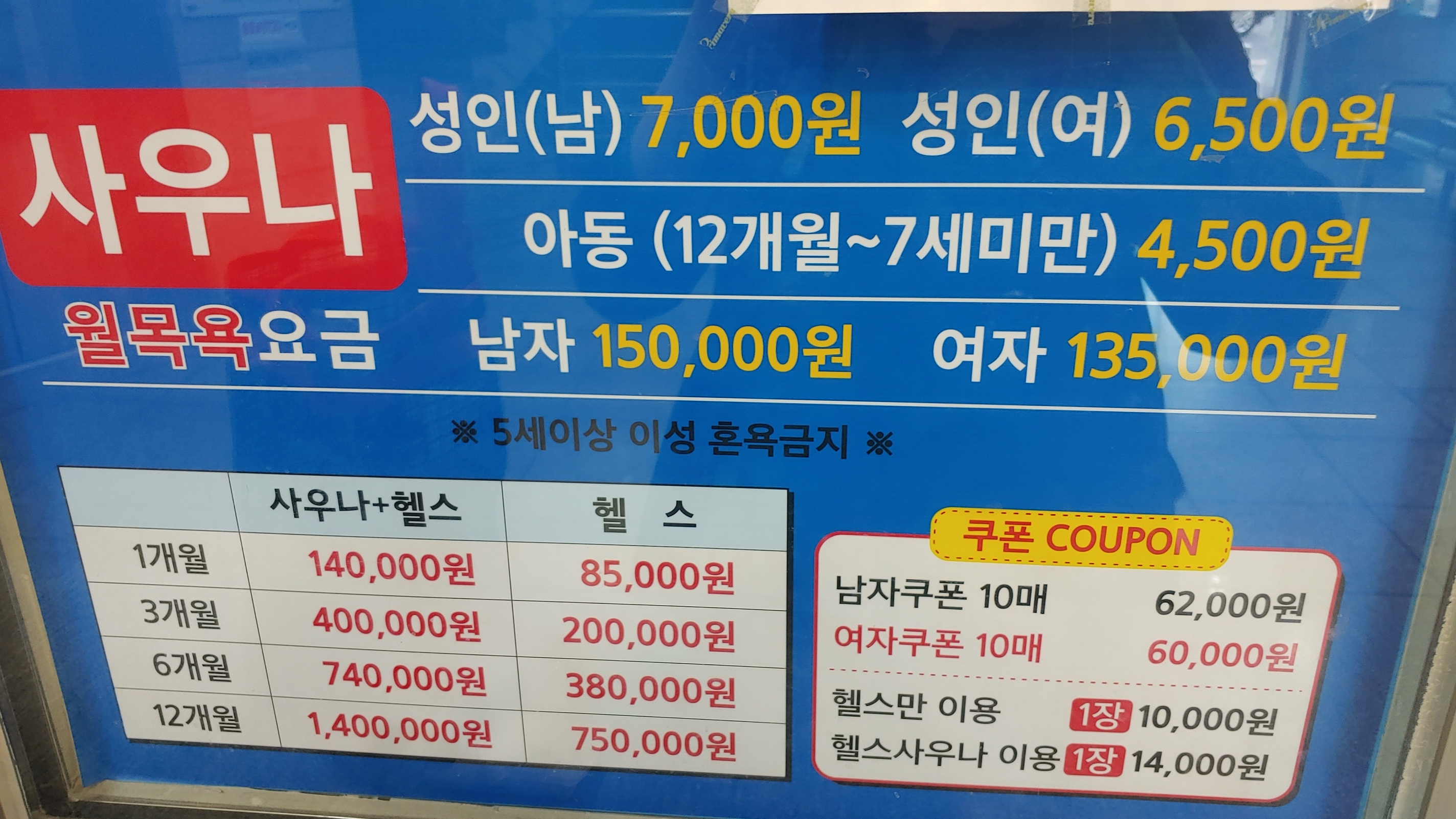
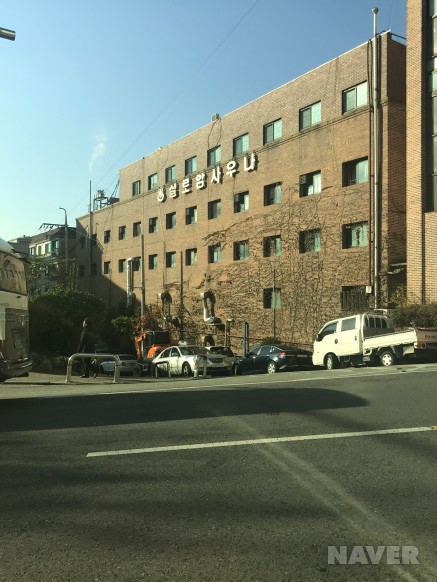
Located just a short walk from the bustling Seoul Station, Siloam Sauna offers an unusual yet intriguing option for an overnight stay. This traditional jjimjilbang (Korean sauna) is more than just a place to relax; it is an experience that encapsulates a significant aspect of Korean culture. For those seeking a unique accommodation alternative, Siloam provides a blend of wellness, social interaction, and practicality all in one location.
First Impressions
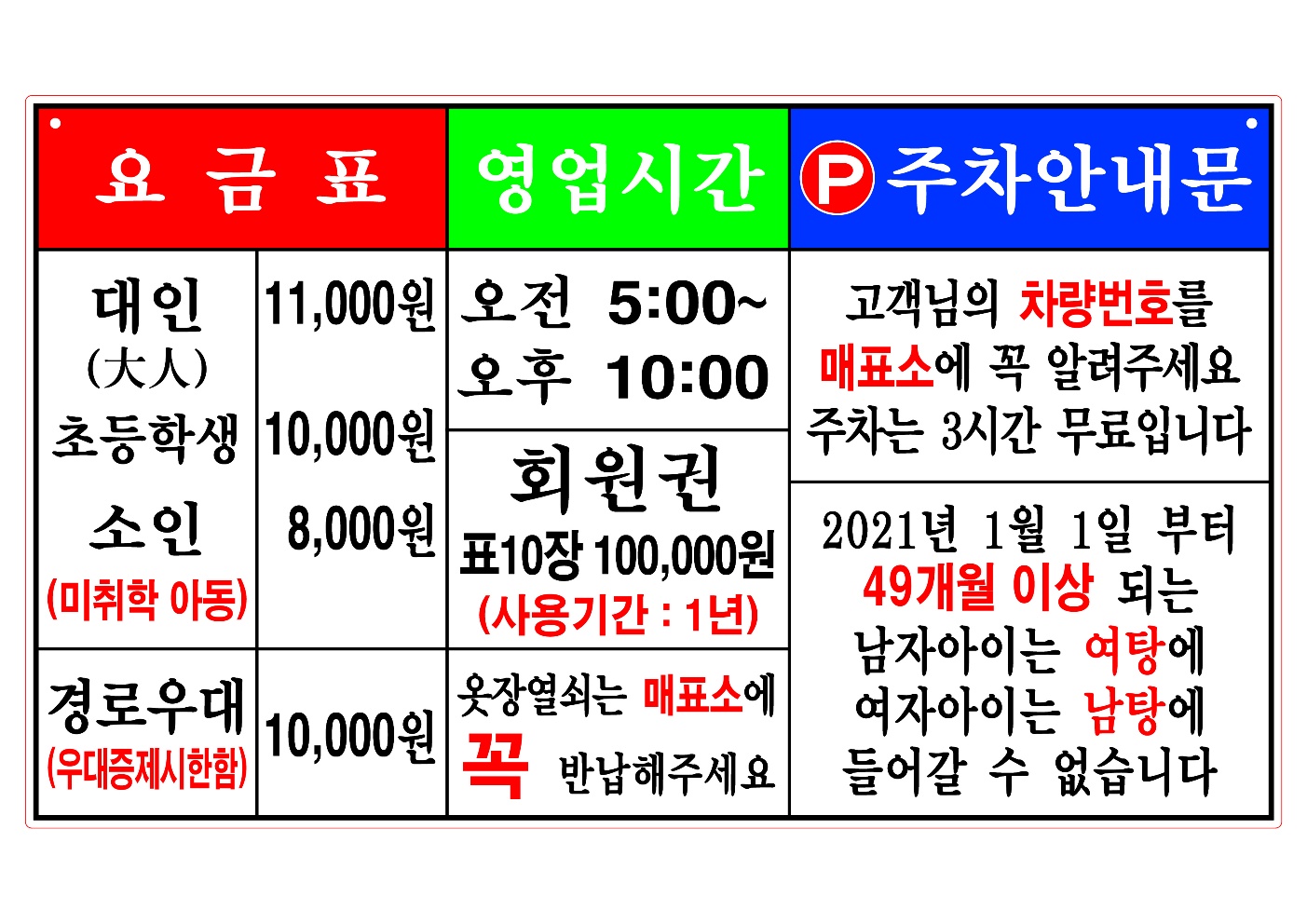
Upon entering Siloam, the first thing that struck me was the expansive layout. Unlike some smaller saunas that can feel cramped, Siloam boasts a vast area filled with various amenities, making it an inviting space. The reception area was efficient but minimalistic, with staff who seemed well-accustomed to the steady stream of visitors checking in. The entrance fee was 12,000 won (about $9), which grants you access to the facilities for the day. If you plan to stay overnight, there’s an additional fee of 10,000 won ($7) that covers the overnight stay. This pricing is quite reasonable, especially considering the central location.
Facilities Overview
Siloam is well-equipped with various saunas, pools, and relaxation areas. Here’s what you can expect:
- Sauna Rooms: Siloam features several themed sauna rooms, including clay, salt, and jade. Each room has its own benefits, such as detoxification or skin rejuvenation. The clay room, for instance, is said to aid in skin elasticity, while the jade room is believed to have calming properties. Guests often rotate between the different saunas to maximize their experience.
- Bathing Areas: Traditional bathing areas are separated by gender, featuring hot and cold baths. The cleanliness was commendable, and the water temperature was just right. The hot baths, heated to a comfortable 40°C, provide a soothing experience after a long day of walking around the city. I noticed that many visitors took their time in the baths, often engaging in quiet conversation with friends or simply enjoying the warm water.
- Relaxation Zones: There are plenty of lounging areas with mats and heated floors, ideal for unwinding after a long day. The ambiance was peaceful, allowing for restful sleep. I noticed that many visitors brought their own pillows and blankets, which seemed to enhance their comfort during the night. You can also find reclining chairs in some corners, perfect for napping or enjoying a moment of solitude.
Overnight Experience
As night fell, I was curious about the overnight aspect of my stay. The overall atmosphere remained quiet and serene. Although there are dedicated sleeping areas, I opted to find a spot on one of the heated floors in the common areas. Surprisingly, this was quite comfortable. The heated floors are a staple in Korean culture, providing warmth and relaxation. Many guests seem to prefer this communal style of sleeping, as it fosters a sense of community.
One thing to note is that it can get a bit noisy, especially if there are larger groups. However, the communal nature of jjimjilbangs often brings a feeling of camaraderie among guests. I found myself drifting off to sleep, lulled by the gentle chatter around me. Interestingly, some guests engage in group games or light conversations, further enhancing the communal experience. The atmosphere can shift from lively to tranquil as the night progresses; the key is to find a balance that suits your preferences.
Food and Amenities
No visit to a jjimjilbang is complete without trying some of the food options available. Siloam has a small cafeteria, offering traditional Korean fare. I tried the gimbap (Korean rice rolls) and ramyeon (instant noodles), both around 4,000 to 5,000 won (approximately $3 to $4). They were decent, though not gourmet, and perfect for a late-night snack when hunger strikes. The gimbap, filled with fresh vegetables and a hint of sesame oil, is a favorite among regulars.
In addition to gimbap and ramyeon, the cafeteria offers tteokbokki (spicy rice cakes) for about 5,000 won, which pairs well with the late-night atmosphere. If you're looking for more substantial meals, Siloam's menu may not satisfy all cravings, but it suffices for a quick bite. Many guests also enjoy kimchi jjigae (kimchi stew), which is warming and a popular choice for those needing a hearty meal.
The cafeteria is open during certain hours, typically from morning until late evening. Late-night options may be limited, with fewer choices available after certain hours. It’s best to check the schedule upon arrival if you plan to eat late. The prices are reasonable, but expect simplicity rather than gourmet dining. For a more diverse experience, consider visiting nearby eateries in the Itaewon district after your sauna session.
Wi-Fi is available throughout the facility, making it convenient for those who may want to catch up on work or scroll through social media. However, I noticed that the signal was spotty in some of the sauna rooms, especially in the deeper parts of the facility. It’s best to find a spot near the entrance area if you need a reliable connection. If you’re planning to stay overnight, having portable Wi-Fi or a SIM card could be useful, especially for navigating the city or planning your next day’s activities.
Pros and Cons
As with any accommodation, there are pros and cons to consider before you book your stay:
- Pros:
- Affordable overnight stay in a central location
- Variety of saunas and baths to choose from
- Peaceful atmosphere for relaxation
- Access to traditional Korean food options
- Opportunity to experience a unique aspect of Korean culture
- Cons:
- Noise can be an issue, especially with larger groups
- Food options are limited and basic
- Spotty Wi-Fi in certain areas
- Limited privacy in communal sleeping areas
- Not suitable for those seeking luxury accommodations
Final Thoughts
Overall, the experience at Siloam Sauna was quite positive. It serves as a unique alternative to traditional hotels or guesthouses, especially for those who enjoy the sauna culture. While it might not be the ideal choice if you prefer a quiet and luxurious stay, its affordability and convenient location near Seoul Station make it a practical option for budget travelers. Additionally, it offers a glimpse into a significant aspect of local culture, making the stay more than just a place to sleep.
For anyone looking for a different kind of accommodation in Seoul, Siloam is certainly worth considering. Just remember to bring your own toiletries and a good pair of earplugs if you plan to sleep in a communal area. A small travel pillow might also enhance your comfort. If you're curious about exploring more of the local jjimjilbang culture, consider visiting other popular ones like Dragon Hill Spa in the Yongsan area or Spa Lei in Gangnam for a contrasting experience.
FAQ
What should I bring to Siloam Sauna?
It’s advisable to bring your own toiletries, including soap and shampoo, as well as a towel and a pair of flip-flops. If you plan to sleep in the communal area, a travel pillow and earplugs can help improve your comfort. Additionally, consider packing a reusable water bottle to stay hydrated, as it's essential after spending time in the saunas.
Are there age restrictions at Siloam Sauna?
Generally, there are no strict age restrictions. However, some areas, particularly the bathing areas, are separated by gender, so it’s important to be mindful of that if visiting with children. Families with children should be aware that the communal sleeping areas may not be ideal for young kids.
Can I use Siloam Sauna during the day without staying overnight?
Yes, you can pay the entrance fee of 12,000 won to use the facilities during the day without staying overnight. This allows access to all saunas, baths, and relaxation areas. Many locals utilize jjimjilbangs for a few hours of relaxation rather than committing to an overnight stay.
Is Siloam Sauna accessible for those with mobility issues?
While Siloam Sauna has various amenities, some areas, such as the sauna rooms and bathing areas, may not be fully accessible for guests with mobility issues due to steps and uneven flooring. It’s advisable to check for specific accommodations if mobility is a concern.
Are food options available at all hours?
The cafeteria typically operates during the day and early evening. Late-night food options may be limited, with fewer choices available after certain hours. It’s best to check the schedule upon arrival if you plan to eat late. Alternatively, consider exploring nearby food options in the Jongno or Itaewon districts before returning to the sauna.
What should I know about the bathing areas?
The bathing areas are gender-segregated, and visitors are expected to bathe before entering the hot baths. You'll also notice that communication is typically subdued in these areas, as many guests prefer to relax in silence. It’s also important to wash thoroughly before entering communal baths, as cleanliness is a priority in jjimjilbang culture.
In the next post, there will be a focus on the best street food options in Gwangjang Market, which is a great spot to indulge in some traditional eats. If you have any specific dishes in mind that you want to learn more about, feel free to share.
Photos by Max Vakhtbovych, Max Vakhtbovych, Max Vakhtbovych via Pexels