Surviving Korea Without a K-Phone or K-Card: A Practical Guide
Learn how to manage daily life in Korea without local tech. This guide covers essential tips and alternatives for navigating Seoul smoothly.
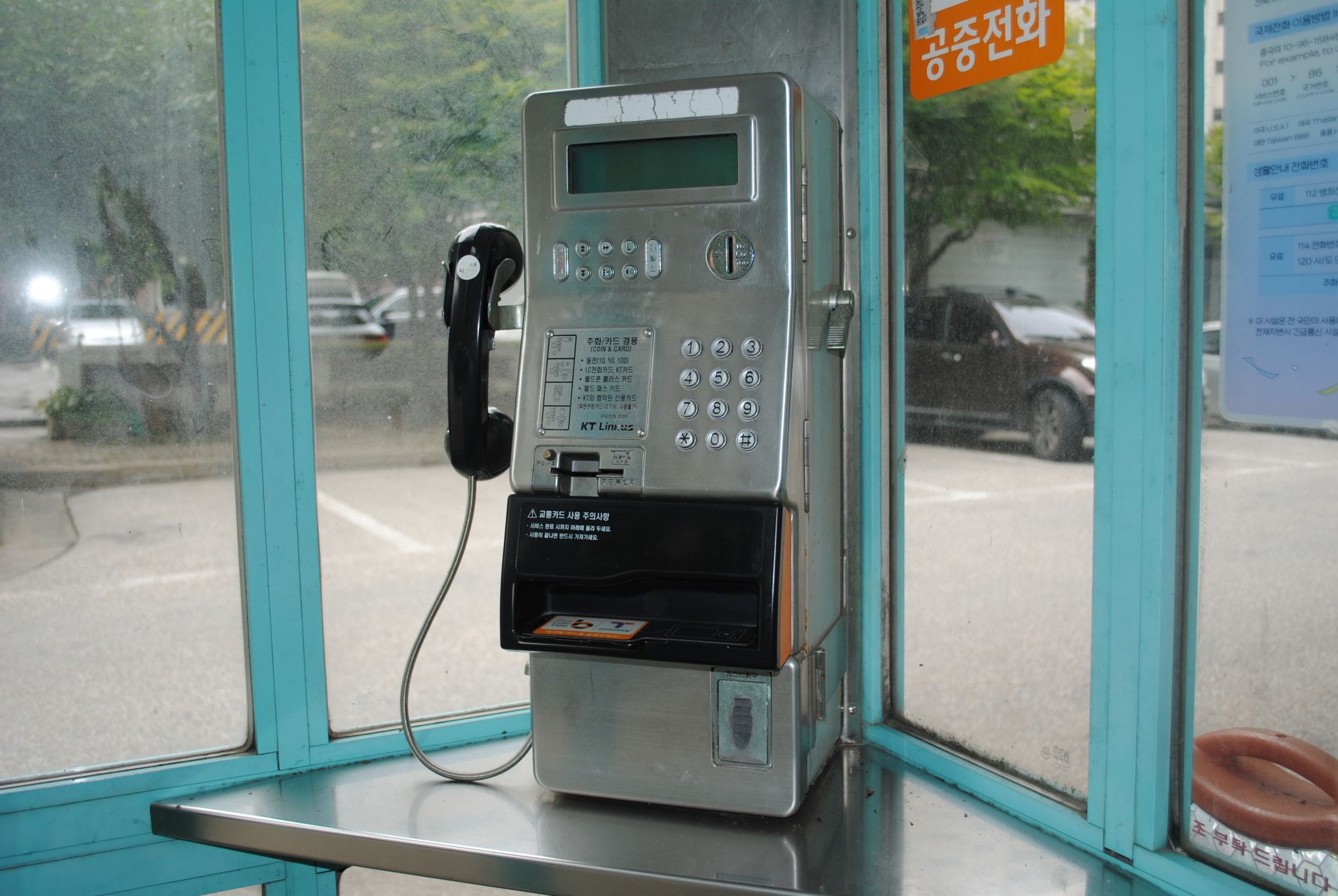
Picture this: you’ve landed at Incheon Airport, excited for your adventure in Seoul, yet without a K-phone or a K-card. For many, this might feel like a dealbreaker. But don’t worry; living in Korea without these conveniences is achievable with a little planning.
First Steps Upon Arrival
Your first priority should be connectivity. While it’s common to rely on a K-phone for mobile data, there are alternatives. Consider renting a portable Wi-Fi router from a company like KT Olleh at the airport. Costs generally range from 7,000 to 10,000 won (about $5 to $8) per day. This route offers flexibility and allows you to remain connected while exploring districts like Itaewon and Hongdae. Alternatively, you can purchase a local SIM card from providers like SK Telecom or LG U+. These typically cost around 30,000 won (approximately $22) for a week of usage. The convenience of data access may outweigh the initial cost, particularly for map navigation and local research.
Transportation Options
Navigating the city without a K-card can seem daunting, but you can still use public transit. One option is to purchase single journey tickets at subway stations; these are available at vending machines in English. A single trip within Seoul costs around 1,250 won (approximately $1). For longer stays, consider buying a T-money card at convenience stores like GS25 or CU; it’s rechargeable and can be used on subways and buses.
It’s helpful to know that the subway system is extensive, covering key areas such as Gangnam, Yeonnam-dong, and Jongno. For example, you can take Line 2 from Gangnam Station to Hongdae for a lively night out, or use Line 1 to visit cultural sites near Jongno.
For those considering taxis, cash is accepted, but not all drivers speak English. Learning a few key phrases or having your destination written in Korean can help. Here are some useful phrases:
- “가야 할 곳” (gaya hal goseu) – “Where I need to go”
- “여기서 세워 주세요” (yeogiseo sewo juseyo) – “Please stop here”
Taxi fares start at around 3,800 won ($3) for the first 3 kilometres and increase by 100 won ($0.08) for each additional 132 metres. This can be more convenient for late-night outings when public transport is less frequent. It’s worth noting that rideshare services like Uber are available in Seoul, but they may not be as common as in other countries.
Food and Dining
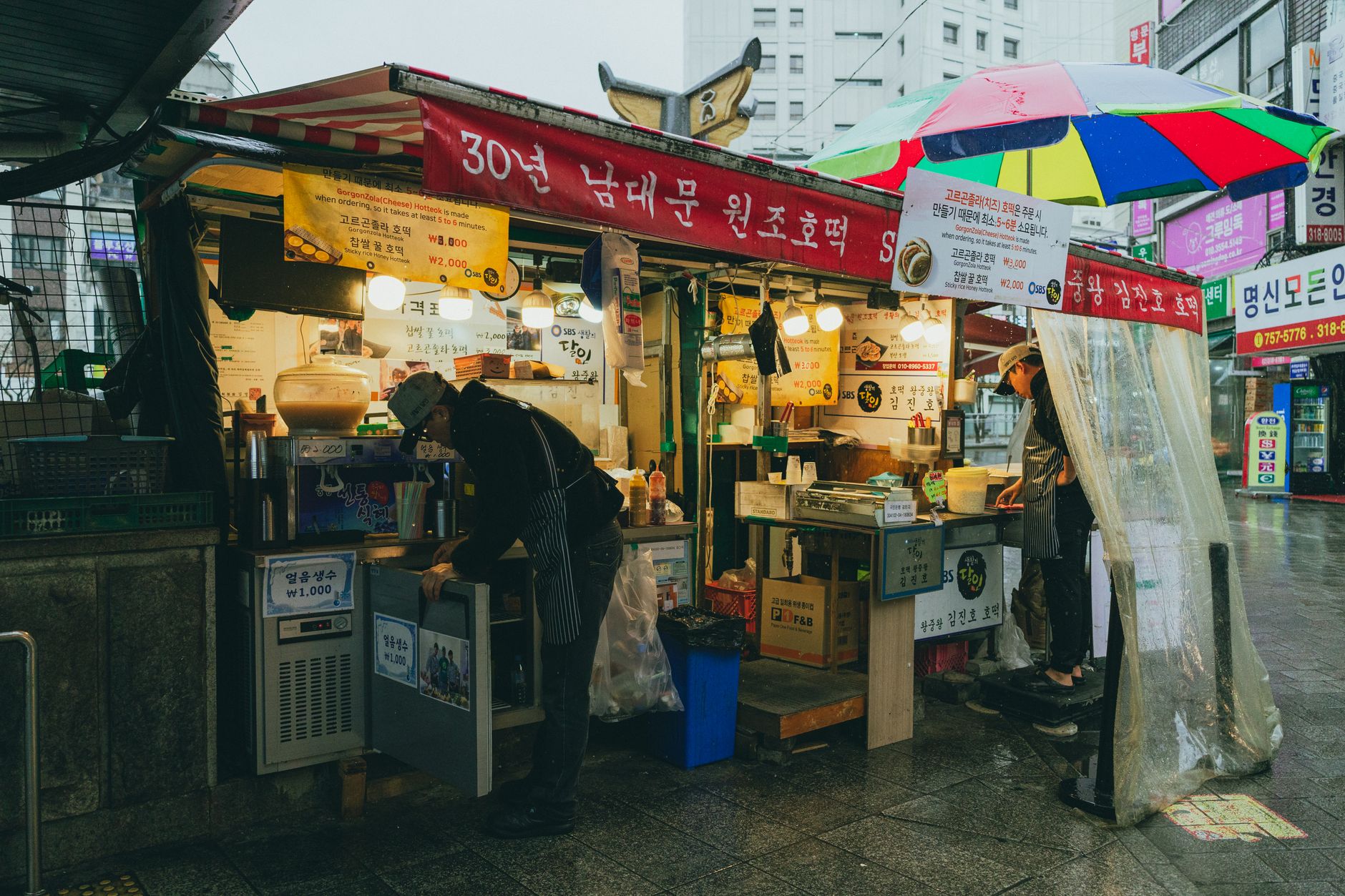
Eating out in Korea is a delight, but many restaurants prefer cash transactions, particularly in traditional areas like Insadong. Always check if they accept cards, especially at smaller establishments. Street food is also a staple, and most vendors operate on a cash-only basis. Dishes like tteokbokki or hotteok will cost around 2,000 to 3,000 won (about $1.50 to $2.50).
If you want to experience dining with locals, consider visiting a market like Gwangjang Market. Here, you can savour authentic dishes while navigating payment without digital interference. Tools like cash enable you to try diverse foods, including bindaetteok (mung bean pancakes) for about 4,000 won ($3) each and kimchi pancakes at similar prices. Gwangjang Market is not just about food; it’s also a great spot for people-watching, and you might find yourself sharing a table with locals enjoying their lunch break.
Another great place is Namdaemun Market, where you can find a variety of street snacks. Don’t miss out on trying korean fried chicken in Gangnam, often priced at around 15,000 to 30,000 won ($11 to $22) depending on the size. Many people gather at pubs called hofs in Gangnam to enjoy this dish, paired with beer or soju, making for a lively atmosphere.
Shopping Alternatives
Without a K-card, shopping might feel limited, but it’s not impossible. Department stores like Shinsegae and Lotte accept foreign credit cards, allowing you to explore trending K-beauty products like Laneige Water Sleeping Mask (approximately 30,000 won or $22). For street shopping in places like Myeongdong, bring cash for smaller shops. In Myeongdong, you can find popular cosmetic brands like Innisfree, Etude House, and Missha offering a wide range of products that often attract long queues. Expect to pay around 10,000 to 20,000 won ($7 to $15) for individual items.
When venturing into supermarkets such as H Mart or Homeplus, finding international products may offer a mix of comfort and novelty. From snacks to ingredients, you’ll find a range of options. Expect to pay about 2,500 won ($1.80) for a pack of instant ramen or around 4,000 won ($3) for a container of kimchi. If you’re interested in cooking during your stay, a trip to a local market in Gwangjin-gu or Mapo-gu can yield fresh vegetables and meat at reasonable prices.
Additionally, if you’re searching for second-hand clothing or unique finds, Seongsu-dong is home to several vintage shops where cash is often preferred. Here, you can browse an array of styles, with prices typically ranging from 5,000 won ($4) to 30,000 won ($22) per item. The area also has a vibrant café culture, where you can take a break after shopping in the quirky, artsy inspiration of the neighbourhood.
Staying Informed
Access to information is crucial. Download international apps like Google Maps or KakaoMap on your portable Wi-Fi to navigate the city efficiently. For news and local events, recommended apps include Seoul Official and Visit Seoul. These resources can help you find upcoming festivals, exhibitions, and special events in various districts. Many areas also have local tourist information centres that offer maps and brochures.
Most tourist information centres provide leaflets and maps to assist visitors. These centres are located in areas like Dongdaemun and Insadong. If you need help, look for the staff wearing uniforms; they can provide advice in English and help clarify any questions. Learning some basic Korean phrases can also enhance your experience and interactions with locals.
Emergencies and Support
In case of emergencies, note that hospitals and clinics may request identification. Keeping a copy of your passport with you can make this easier. For non-emergency situations, consider visiting a local pharmacy; many staff members can communicate in basic English and assist with over-the-counter medications. Prices for common items such as pain relief tablets can vary, typically around 3,000 to 8,000 won ($2.20 to $6). You can find pharmacies in every district, and some even have extended hours.
If you need assistance, apps like Google Translate can help with language barriers, particularly in areas where English is not widely spoken. It’s also worth checking if your hotel has multilingual staff who can assist you with specific inquiries. Additionally, keep emergency contacts handy, such as the local police (112) and ambulance (119) numbers, just in case.
FAQ
Can I use my foreign credit card in Korea?
Yes, many larger establishments like department stores and international restaurants accept foreign credit cards. However, smaller shops and traditional markets may not.
How do I find Wi-Fi spots in Seoul?
Besides portable Wi-Fi devices, many public areas, cafes, and libraries offer free Wi-Fi. You can also use apps like WiFi Map to locate available networks in your vicinity.
Are there any mobile apps I should download?
Essential apps include KakaoTalk for messaging, Seoul Metro for subway navigation, and Yogiyo or Baedal Minjok for food delivery services.
What should I do if I lose my wallet?
Report the loss to the nearest police station. If you have lost your credit cards, contact your bank immediately. Many banks have English-speaking customer service representatives.
How can I get help if I don’t speak Korean?
Many tourists, especially in popular areas, find that locals can communicate in basic English. Use translation apps like Google Translate for assistance, and consider carrying key phrases in Korean on a note.
Final Thoughts
Living in Korea without a K-phone or K-card introduces challenges, but it’s certainly manageable with a proactive mindset. Embrace the experience of navigating the city using traditional methods, and you may find it rewarding. You might even discover more about Korean culture along the way. Next in this series, I plan to explore the best markets in Seoul for unique food experiences. What challenges have you faced in Korea without local tech?
Photos by 케치업 스, Theodore Nguyen, Willian Justen de Vasconcellos via Pexels