The Honest Realities of Living in Seoul as a Foreigner
Explore the real experiences of foreigners living in Seoul, from cultural quirks to navigating daily life and the social scene.
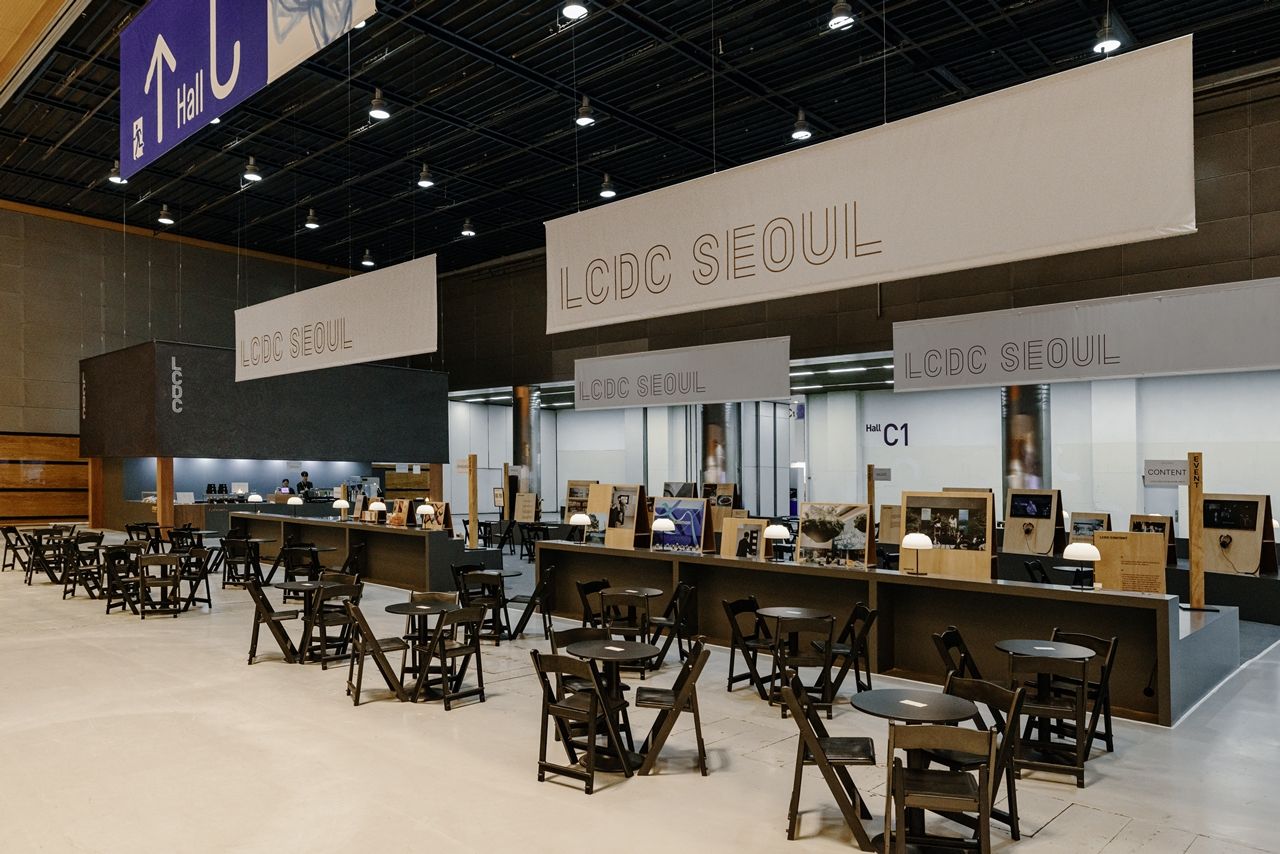
Living in Seoul as a foreigner leads to a spectrum of experiences, shaped by the city's unique character. Upon first stepping into the lively streets of Itaewon, a neighborhood famous for its international community, it felt as if I had entered a new world. The initial thrill of exploring the vibrant markets, diverse restaurants, and eclectic shops can create a sense of exhilaration. However, as one navigates the city beyond the surface, it becomes apparent that reality often diverges from the polished narratives shared online.
Language Barriers and Communication
The language barrier is one of the first challenges encountered. While many Koreans, especially in urban areas like Gangnam or Hongdae, are keen to practice their English, there are still moments where communication can break down. For instance, trying to order a specific dish in a restaurant might end up in a misunderstanding, leading to a surprise meal.
To mitigate this, learning a few key Korean phrases can significantly enhance everyday interactions. Simple expressions such as “thank you” (감사합니다 - gamsahamnida) or “please” (제발 - jebal) can foster goodwill in local cafés like Café Mamas, known for its fresh sandwiches and friendly service.
Additionally, using translation apps can be a lifesaver in more complex scenarios. Apps like Google Translate can assist in real-time conversations, but they may not always be accurate, especially with idiomatic expressions. Familiarizing oneself with basic public transport terms (like “subway” - 지하철 - jihacheol) can also help when navigating the comprehensive subway system.

Finding Community
One of the most fulfilling aspects of living in Seoul is the chance to build connections with both locals and fellow expats. However, forging genuine friendships often requires time and effort. While social media platforms and expat groups can provide initial contact points, they sometimes lack depth.
Participating in language exchange events, such as those organized at local cafes in Yeonnam-dong, can lead to more meaningful interactions. For example, the monthly meetups at the popular Café Onion can connect you not only with fellow expats but also with Koreans eager to practice their English.
Common Expat Hangouts
- Itaewon: This neighborhood is a hub for the international community, with a wide variety of bars and restaurants catering to all tastes.
- Hongdae: Known for its youthful energy, Hongdae is packed with street performances and art events, making it a vibrant spot for socializing.
- Seongsu-dong: Often compared to Brooklyn, Seongsu-dong is becoming a trendy area filled with unique cafes and art spaces, ideal for creative gatherings.
Cultural Differences
Understanding cultural differences is essential for fully enjoying your time in Seoul. One noteworthy aspect is the concept of personal space, which may differ significantly from Western standards. On crowded subway trains, you might find yourself standing shoulder-to-shoulder with strangers, a situation that can feel overwhelming at first but becomes more manageable with time.
Moreover, the emphasis on hierarchy in social interactions is notable. For instance, addressing someone by their title rather than their name is crucial, especially in professional settings. This practice goes beyond mere politeness; it reflects deeply rooted cultural values regarding respect and rank.
Being aware of these nuances can help you navigate social situations more comfortably. For instance, when meeting someone for the first time in a business context, a bow and the correct use of titles can set a positive tone for the relationship.

Cost of Living
Seoul’s reputation as an affordable city can be misleading. Rent, particularly in popular districts, tends to be steep. A one-bedroom apartment in Gangnam typically costs around 1,200,000 won (approximately $1,000) each month, while similar accommodations in less fashionable areas might go for about 700,000 won ($590). It’s essential to consider the cost of living based on your location and lifestyle.
Daily expenses accumulate quickly. Dining out can be budget-friendly, with an average meal at a local restaurant costing around 8,000 won ($7). However, if you prefer home-cooked meals, grocery shopping could be more expensive, especially for imported goods. For example, a jar of peanut butter from H Mart may set you back about 6,000 won ($5), which is quite a jump from prices in many Western countries.
When planning your budget, consider the costs of utilities, internet, and transportation. A monthly subway pass costs approximately 55,000 won ($46), making public transport a practical option for commuting.
Healthcare and Insurance
South Korea is known for its robust healthcare system, but navigating it as a foreigner can sometimes be complicated. Having health insurance—either through your employer or a private plan—is essential to cover medical treatments and medications. A visit to a general practitioner typically costs between 20,000 won ($17) and 50,000 won ($42), depending on the treatment required.
Most hospitals have English-speaking staff, but it’s wise to prepare for situations where fluency may vary. For serious health concerns, having a Korean-speaking friend accompany you can be beneficial, as they can help communicate specific needs and understand the medical terminology. Additionally, take the time to read through your insurance policy to avoid unexpected costs.
Public Transport
Seoul boasts an efficient and well-connected public transportation system. The subway is the most convenient means of getting around, with fares starting at around 1,250 won ($1) for adults. Despite its efficiency, navigating signs and announcements in Korean can be overwhelming for newcomers.
To ease this, apps like KakaoMap and Naver Map are invaluable, offering real-time navigation and English updates. However, it’s important to note that not all subway stations are equipped with elevators, which can pose challenges if you’re carrying heavy luggage or traveling with children.
For those unsure about how to use the subway, considering a guided tour or taking a local transportation class can provide the necessary orientation. The more familiar you become with the routes, the easier it is to explore different neighborhoods.
Social Life and Nightlife
Seoul's nightlife is vibrant, with countless bars and clubs concentrated in areas like Hongdae and Gangnam. However, the drinking culture has its unspoken rules that might come as a surprise. It’s common for groups to engage in rounds of drinks, which can lead to a hefty tab if you're not vigilant. A cocktail at a bar can easily cost around 12,000 won ($10).
For those who may not be comfortable with drinking culture, exploring alternative daytime activities can offer a refreshing respite. Art galleries in Jongno or local markets can provide opportunities to socialize without the pressure of nocturnal drinking. Additionally, consider attending cultural festivals, which often include food stalls, performances, and workshops that are family-friendly and alcohol-free.
Dealing with Homesickness
Experiencing homesickness is a common challenge, particularly during holidays or significant events in your home country. While social media can help maintain connections, it can also intensify feelings of longing for home. Establishing a support system is crucial, and engaging with fellow expats or joining clubs around common interests can help mitigate loneliness.
Creating a balanced routine that incorporates both local experiences and elements of home can also help. For example, you might choose to cook familiar meals or celebrate traditional holidays with friends, fostering a sense of community and comfort.
Conclusion
Living in Seoul as a foreigner brings a mix of challenges and enriching experiences. The city is alive with culture, but it demands an open mind and patience to appreciate its complexities fully. From overcoming language barriers to understanding social nuances, every experience contributes to a richer life in this urban playground.
As the journey through this fascinating city continues, future posts will focus on exploring the best local snacks to try in Seoul and where to find them. What experiences have shaped your time in Seoul so far?
FAQ
What are the best ways to learn Korean while living in Seoul?
One effective way to learn Korean is to enroll in language courses offered at local universities or language schools. Additionally, participating in language exchange meetups can provide practical speaking experience. Apps like Duolingo or HelloTalk can also supplement your learning.
Is it easy to find international food in Seoul?
Yes, Seoul offers a variety of international food options, particularly in neighborhoods like Itaewon and Gangnam. Supermarkets like H Mart and E-Mart carry a range of imported goods, making it easier to find familiar ingredients.
How do I find housing in Seoul?
Searching for housing can be done through online platforms such as Zigbang or Dabang, which list apartments and rooms available for rent. It is also advisable to work with a local real estate agent who can help navigate the market and negotiate terms.
What should I know about cultural etiquette in Korea?
Being aware of social hierarchies and norms is crucial. For example, always greet elders first and bow slightly as a sign of respect. When dining, wait for the eldest person at the table to begin eating before you start. Familiarizing yourself with these customs will enhance your interactions with locals.
Can foreigners easily access healthcare in Seoul?
Yes, foreign residents can access healthcare in Seoul, but it's important to have health insurance. Many hospitals are equipped with English-speaking staff, but for more complex issues, it's advisable to have a Korean speaker with you to help with communication.
Photos by byunghyun lee, FREE VIDEO HAPPY, Honggrider Rock via Pexels