Understanding Korean Chuseok: Traditions and Modern Celebrations
Discover the rich traditions and modern practices surrounding Chuseok, Korea's Thanksgiving holiday, and what it means for families in Seoul.
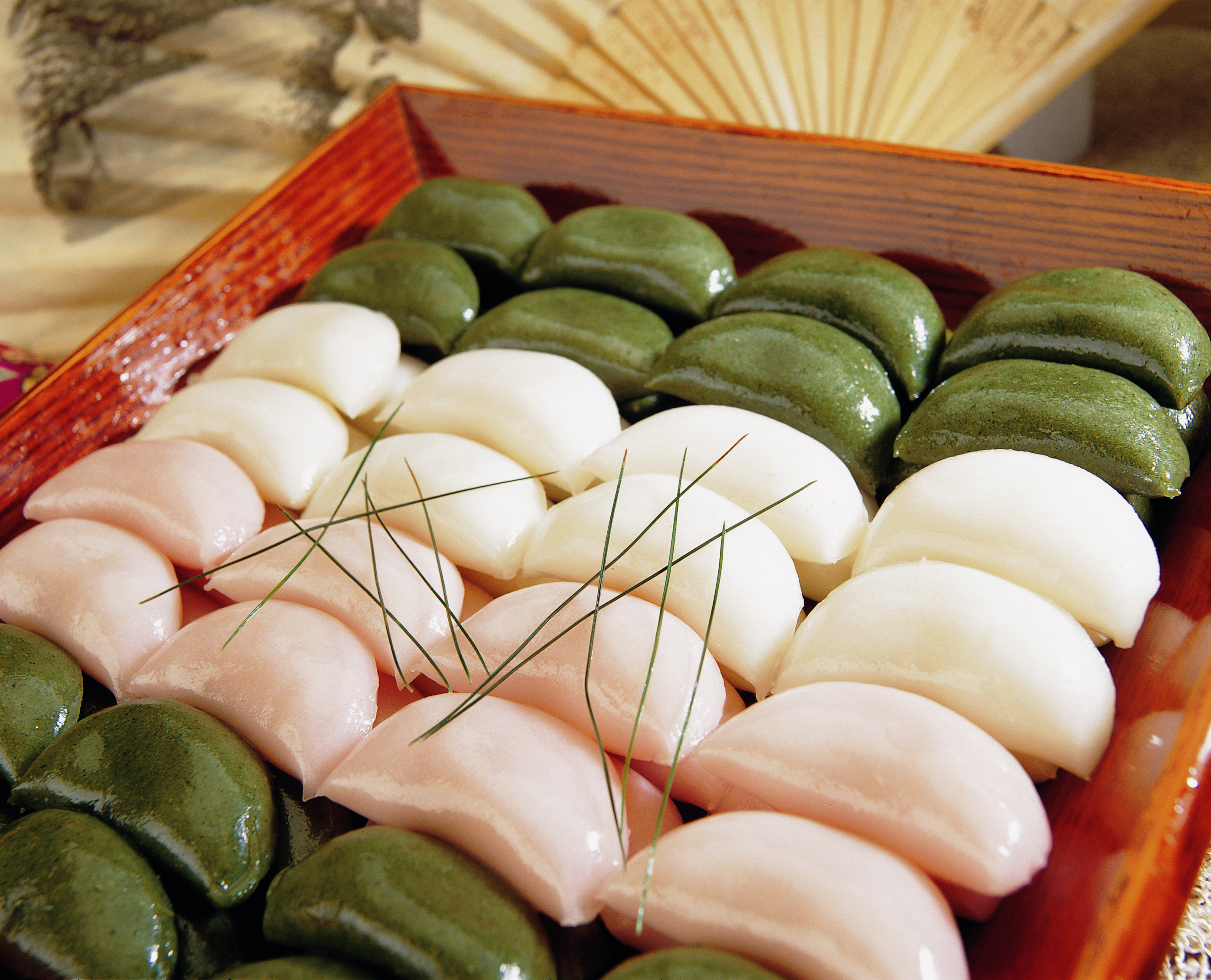
As the warm hues of autumn begin to paint the streets of Seoul, the city prepares for one of its most significant holidays: Chuseok, often referred to as Korean Thanksgiving. This year, I found myself wandering through the bustling alleys of Itaewon, where shops showcase traditional foods and ingredients in anticipation of the festivities. The air is filled with the scent of freshly made songpyeon, a traditional rice cake, hinting at the celebrations to come. For a long-time resident or even a visitor, the atmosphere is electric with preparation and excitement.
What Is Chuseok?
Chuseok, celebrated on the 15th day of the 8th month of the lunar calendar, is a harvest festival in honour of ancestors. The name itself means 'fall evening', reflecting its timing when families come together to celebrate the season's bounty. For many Koreans, it’s a time to return to their hometowns and reconnect with family traditions. Having spent a few Chuseoks in Seoul, I can say that the atmosphere shifts dramatically as people prepare for the holiday.
Traditional Foods of Chuseok
No Chuseok celebration is complete without a spread of traditional foods. Some key dishes include:
- Songpyeon: These half-moon shaped rice cakes are filled with sweetened sesame seeds or red bean paste. They are typically made together as a family and represent good fortune. I often see families gathered outside local markets, like the ones in Gwangjang, preparing to make this delicacy together.
- Japchae: Stir-fried glass noodles with beef and assorted vegetables, a colourful and flavourful addition to the table. You can find ready-to-eat versions at places like H Mart for around 8,000 won ($6.50).
- Galbi-jjim: This braised short rib dish, cooked to tender perfection, often makes an appearance in festive meals. When dining at upscale Korean barbecue restaurants in Gangnam, this dish usually costs upwards of 30,000 won ($25) for a serving.
- Baekseolgi: A soft, fluffy rice cake that is typically served as a symbol of hope and prosperity. It can be found at various bakeries in areas such as Sinchon, where prices hover around 3,000 won ($2.50) each.
During the lead-up to Chuseok, I visited the Noryangjin Fish Market, where you can also find a variety of seafood to incorporate into festive meals. Here, I witnessed locals purchasing live octopus and other fresh catches to serve during family dinners. Prices vary greatly, but a good-sized crab can sell for around 25,000 won ($20).
Chuseok Traditions
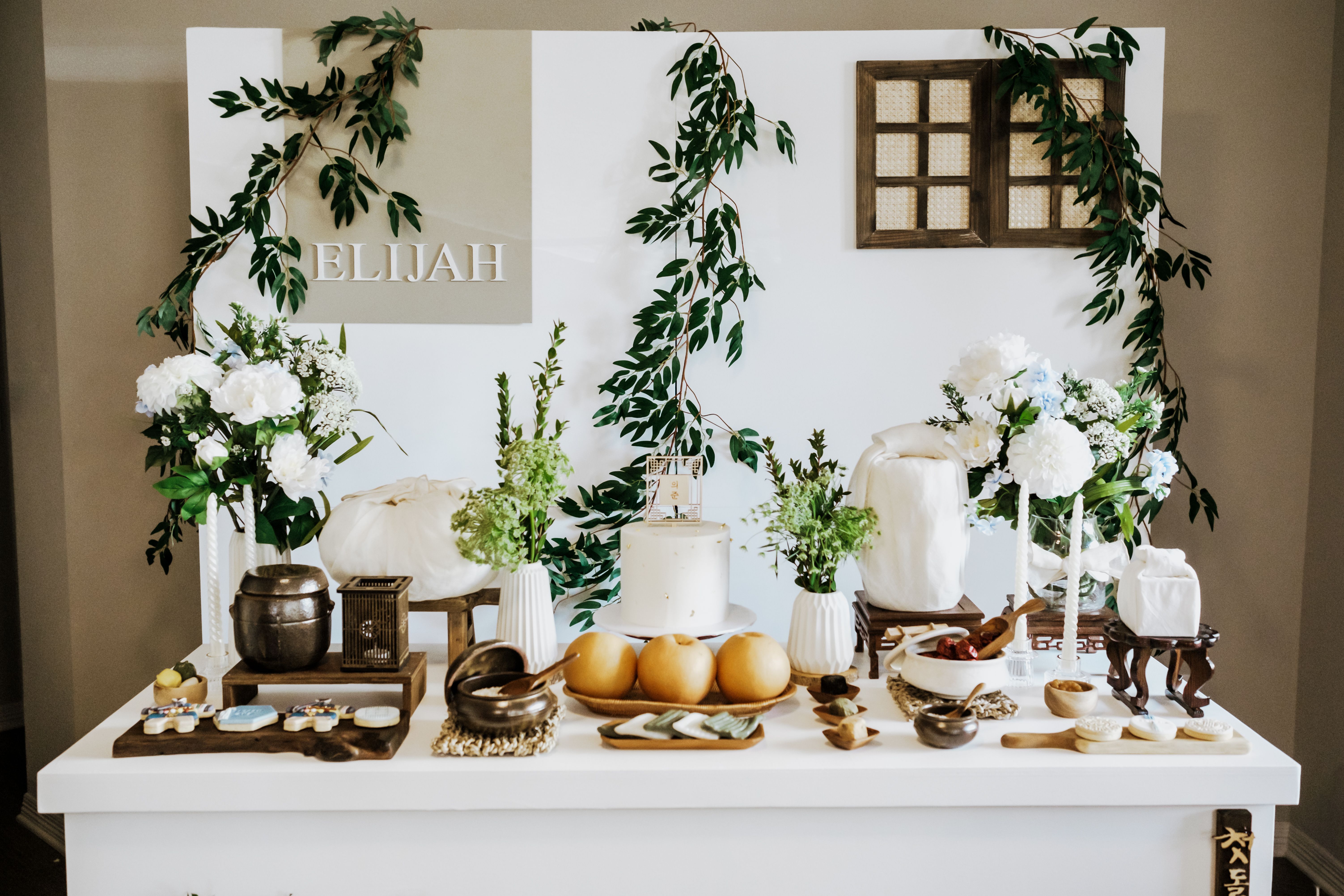
Beyond the food, Chuseok is steeped in customs and rituals. One of the most notable is Charye, a ritual conducted to honour deceased ancestors. Families prepare a table filled with food offerings and bow as a sign of respect. You’ll see this practice observed in homes across Seoul, providing a moment of reflection and gratitude. During my visits to various neighbourhoods, I have seen families preparing for this ritual, often purchasing ingredients from local markets.
Family Gatherings
Chuseok is all about family. People travel long distances to reunite with relatives, often causing a significant increase in traffic on the highways. It's a time where traditional games like ssireum (Korean wrestling) and yutnori (a board game) are played, bringing laughter and joy to households. I distinctly remember participating in yutnori with my friends in Yeonnam-dong last year, where the game brought out both competitiveness and camaraderie.
Modern Influences
While many families adhere to traditional customs, there’s a growing trend among younger generations to blend these customs with modern influences. For instance, you might find Chuseok-themed cafes in Seongsu-dong, serving contemporary takes on classic dishes, like matcha-flavoured songpyeon or innovative bibimbap. Last year, I visited a café that offered a Chuseok dessert special, a fusion of pumpkin and cream cheese, which was surprisingly delightful. The prices at these trendy spots can range from 7,000 to 15,000 won ($5.50 to $12).
Chuseok in Seoul
In Seoul, the holiday transforms the city. Festivals and markets pop up, showcasing crafts and foods. The popular Gwangjang Market offers a sneak peek into the Chuseok experience, with stalls selling everything from traditional rice cakes to handmade gifts. Prices can be reasonable, with a plate of bindaetteok (mung bean pancake) costing around 5,000 won ($4). It’s a great place to absorb the festive atmosphere and perhaps pick up some unique souvenirs.
Shopping for Chuseok
Many locals purchase gifts for their families and elderly relatives. You’ll find gift sets of premium products like ginseng, health supplements, and luxurious bath products at stores like Olive Young in Gangnam. These sets can start at around 30,000 won ($25) and go up significantly based on their contents. I once bought a ginseng gift set there, and while it seemed a bit pricey, I was told it’s an essential gesture of respect and love during Chuseok.
Practical Tips for Celebrating Chuseok
If you're planning to participate in Chuseok, here are some practical tips to enhance your experience:
- Learn Basic Phrases: Knowing a few words in Korean can go a long way. Simple greetings such as “Chuseok jal bonaeseyo” (Happy Chuseok) can endear you to locals.
- Prepare for Transportation: If you plan to travel during Chuseok, book your transportation in advance. The highways and trains can be quite crowded as families head home. Major bus terminals like Seoul Express Terminal are usually packed, so arriving early can save you a lot of stress.
- Explore Local Markets: Visit markets like Gwangjang or Noryangjin to see traditional foods and goods being prepared. It’s a cultural experience in itself. I recommend going in the early morning to beat the crowds.
- Participate in Local Events: Keep an eye out for Chuseok events in local neighbourhoods. Many cultural centres offer programs explaining traditions and crafts. This year, I found a workshop in Insadong where participants could learn to make traditional crafts.
- Respect Tradition: If invited to a Chuseok gathering, be respectful of traditions, particularly during the Charye ceremony. Observing how families honour their ancestors can be a profound experience.
FAQ
What is the significance of Chuseok?
Chuseok is significant as it is a time for families to honour their ancestors, celebrate the harvest, and strengthen familial ties. It is deeply rooted in respect and gratitude for one’s heritage.
How long does Chuseok last?
Chuseok traditionally lasts for three days, including the day before and the day after. Many people take even more time off to travel and spend time with family, potentially resulting in a week-long holiday.
Are there any special customs during Chuseok?
Yes, one of the most important customs is Charye, where families prepare food offerings for their ancestors. Other activities include wearing traditional clothing called hanbok and playing traditional games. Some families also visit ancestral graves to pay their respects.
What types of gifts are typically exchanged during Chuseok?
Common gifts exchanged include health products, premium food items like fruits or ginseng, and traditional sweets. These gifts symbolise respect and well-wishing for family members, and they are often beautifully packaged.
How can non-Koreans participate in Chuseok celebrations?
Non-Koreans can participate by joining friends or locals in their celebrations. It is a good idea to show interest in the traditions and possibly offer to help with food preparation or learn about the customs. Observing and respecting the rituals can enhance the experience.
Reflections on Chuseok
As someone who has witnessed various Chuseok celebrations, I find it a fascinating blend of tradition and modernity. While there’s a lot of hype around the newer trends, I appreciate the depth of connection that the traditional practices provide. It’s a reminder of where we come from, even as we embrace the future.
If you're visiting Korea during Chuseok, you’ll likely notice many businesses closing for the holidays, as employees return home. However, the well-known tourist spots in Seoul, like Gyeongbokgung Palace, may remain open, allowing visitors to experience a slice of Korean heritage.
Conclusion
In essence, Chuseok is a time for family, food, and reflection, steeped in history yet ever-evolving. Whether you are participating in Chuseok for the first time or are a seasoned veteran, there’s always something new to appreciate about this beautiful holiday.
Next, I plan to explore the evolving landscape of Korean street food culture in the heart of Seoul.
Images by wizdata (CC0), Brian Phetmeuangmay, David Kanigan via Wikimedia Commons