Understanding the True Cost of Living in Seoul: A Breakdown
Curious about Seoul's living costs? Explore an honest breakdown of expenses, from housing to groceries, tailored for life in Korea.
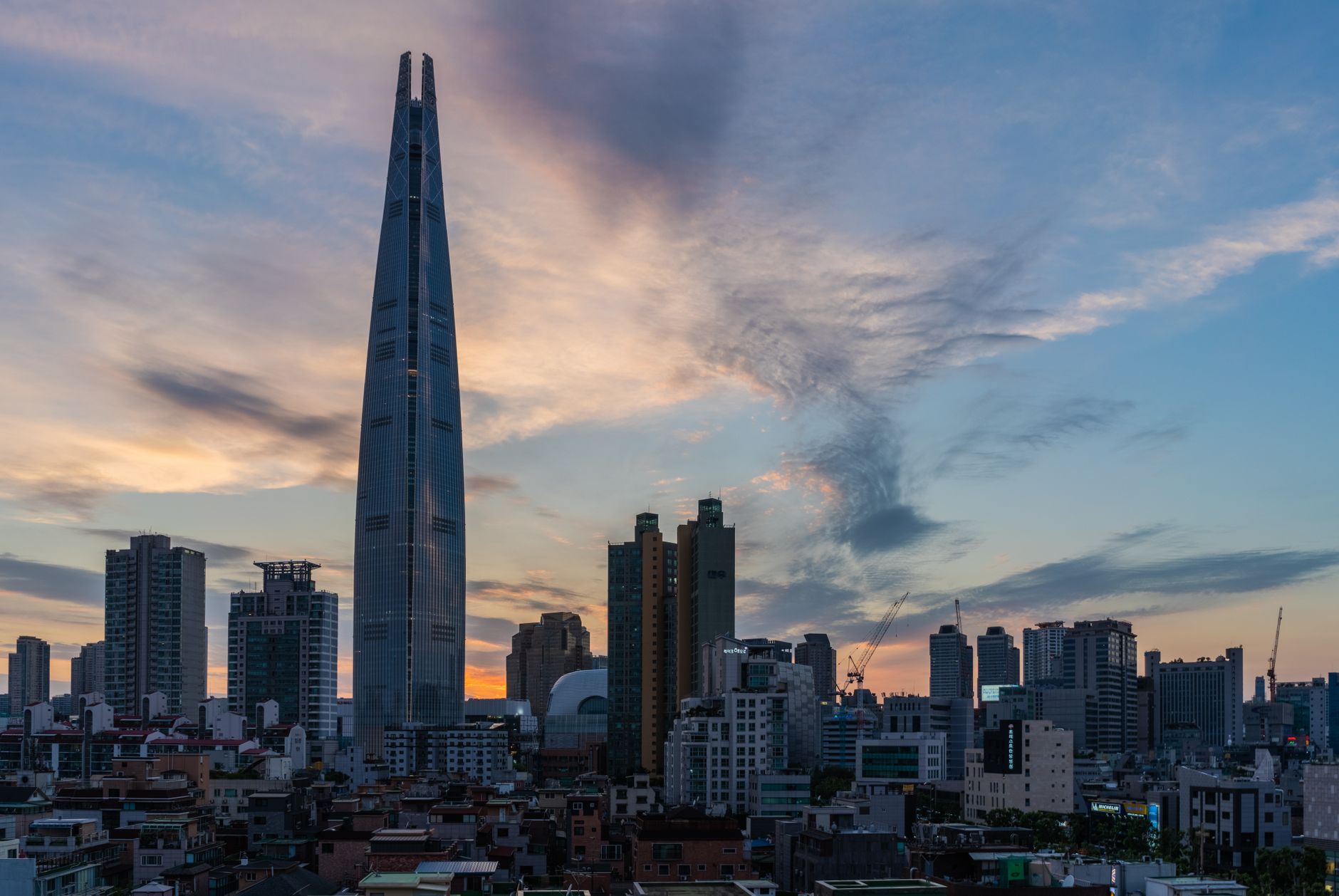
Seoul is a vibrant city that draws people in with its unique blend of tradition and modernity. But for anyone considering a move or just curious about the day-to-day expenses here, the question often arises: how much does living in Seoul actually cost? With its bustling neighborhoods like Gangnam and Itaewon, it's easy to assume that living here can be quite pricey. However, the reality varies greatly depending on your lifestyle and choices.
Housing Costs
Housing is typically the most significant expense for anyone living in Seoul. The rent prices can differ dramatically based on the neighborhood and type of accommodation.
- In Gangnam, a one-bedroom apartment can range from 1,200,000 won to 2,000,000 won (approximately $900 to $1,500), depending on proximity to transportation and amenities. The area is known for its upscale shopping and dining options, which can be a draw for many.
- In Itaewon, you might find similar pricing, but it often attracts a more international crowd. A two-bedroom apartment here could easily hit 2,500,000 won (around $1,900) as it is popular among expats.
- On the lower end, neighborhoods like Yeonnam-dong or Seongsu-dong can offer one-bedroom apartments for around 700,000 won to 900,000 won ($525 to $675), making them attractive for young professionals and artists drawn to their creativity and community vibes.
For those considering sharing costs, renting a room in a share house can significantly reduce expenses. In places like Hongdae, you might find rooms for around 400,000 won to 600,000 won ($300 to $450) per month. If you’re looking for budget accommodations, explore listings on apps like Goshiwon, which offer small rooms at even lower prices with shared facilities.

Food Expenses
Food costs in Seoul can be as varied as the city itself. Eating out is a popular choice, with options ranging from street food to fine dining.
- A meal at a casual restaurant typically costs between 8,000 won and 12,000 won ($6 to $9). You can enjoy a bibimbap or a bowl of ramen for around 8,000 won at local spots in Jongno or Insadong, which cater to both locals and tourists.
- For those who prefer home-cooked meals, groceries can be affordable but depend on where you shop. At H Mart, a decent shopping trip for a week of groceries might set you back about 50,000 won to 80,000 won ($38 to $60). Essentials like rice, vegetables, and proteins are generally reasonably priced.
- Local markets often provide fresh produce at lower rates, so exploring these can save you money. For example, Gwangjang Market offers a variety of ingredients and street food, allowing you to shop and eat at low prices.
Despite being accustomed to the convenience of delivery apps, which can add up when ordering from places like Baedal Minjok or Yogiyo, cooking at home can provide better control over your food budget. To balance between eating out and cooking, plan your meals weekly and consider batch cooking to maximise savings.
Transportation Costs
Getting around Seoul is surprisingly affordable, thanks to its extensive public transportation system. The subway and bus networks are efficient, making commuting easy.
- A one-way subway or bus fare typically costs between 1,250 won and 2,000 won ($1 to $1.50), with discounts for long-distance trips. A T-money card can be purchased for around 2,500 won ($2) and topped up as needed, which simplifies the payment process.
- For daily commuters, a transportation card can bring costs down further. Monthly passes are available for approximately 55,000 won ($41) if you use public transport regularly.
- If you prefer taxis, start with a base fare of around 3,800 won ($2.85) for the first 2 km, increasing from there. Apps like KakaoTaxi can offer additional convenience, and during late-night hours, taxi fares can increase by 20%.
Walking or cycling can also save money while providing a more intimate view of the city. Many areas, especially in Yeonnam-dong and Seongsu-dong, are pedestrian-friendly, encouraging a lifestyle that embraces the outdoors.
Leisure and Entertainment
Seoul offers a wealth of activities, from shopping to cultural experiences, which can impact your budget.
- A cinema ticket ranges from 10,000 won to 15,000 won ($7.50 to $11.25), depending on the time and day of the week. Most cinemas, such as CGV and Lotte Cinema, offer discounts for students and during off-peak hours.
- Access to gyms varies widely, with monthly memberships averaging around 50,000 won ($38) but can reach up to 100,000 won ($75) for premium facilities, especially in affluent neighborhoods.
- For cultural experiences like museum visits or art galleries, many have affordable entry fees, typically between 1,000 won and 15,000 won ($0.75 to $11.25). The National Museum of Korea and the Seoul Museum of Art often have free admission days.
Joining social groups or attending free events can help keep leisure expenses down while making connections in the city. Websites like Meetup and local Facebook groups frequently advertise free events, art shows, and meet-ups.
Healthcare and Insurance
One of the advantages of living in South Korea is the relatively affordable healthcare system. Many hospitals and clinics provide high-quality care at reasonable prices compared to other countries.
- For foreigners, health insurance can be tricky, but with the National Health Insurance (NHI), premiums are calculated based on income, averaging around 110,000 won to 150,000 won ($80 to $113) monthly. This provides access to a wide range of services at subsidised rates.
- Basic doctor visits can cost between 5,000 won and 30,000 won ($4 to $23) without insurance, making it accessible for routine care. For example, a general practitioner visit usually falls around 10,000 won ($7.50).
However, for anyone unfamiliar with navigating the healthcare system, it might take some time to understand the processes involved. English-speaking doctors are available, but they may be more common in central districts like Gangnam.
Utilities and Internet
Another factor contributing to your cost of living in Seoul is utilities and internet access.
- Monthly utility bills for a one-bedroom apartment can cost between 100,000 won and 200,000 won ($75 to $150), depending on usage of electricity, water, and heating. Winters can be particularly cold, leading to higher heating expenses.
- Internet is relatively affordable, with packages ranging from 30,000 won to 50,000 won ($23 to $38) per month for high-speed access, and installation is often free if you sign a contract.
For budgeting purposes, it's wise to keep utilities in mind, particularly during extreme weather months.
Saving Tips for Living in Seoul
Managing your budget in Seoul can be challenging but manageable with the right strategies. Here are some practical tips:
- Plan your meals: As discussed, preparing meals at home can save you a lot of money. Consider making a bulk grocery list to avoid impulsive buying.
- Use public transportation: Opt for public transport rather than taxis for daily commutes to cut down on costs.
- Explore free events: Many cultural events, festivals, and concerts in local parks are free. Keep an eye on community calendars.
- Choose accommodations wisely: Research neighborhoods that are not only affordable but also provide access to necessary amenities and public transport.
- Shop smart: Use discount apps and loyalty programs at grocery stores and markets.
With a bit of planning and research, living in Seoul can fit your budget while still allowing you to enjoy what the city has to offer.
FAQ
What is the average salary in Seoul?
The average salary in Seoul varies by industry, but a common range for many jobs is around 3,000,000 won to 4,000,000 won ($2,250 to $3,000) per month for full-time positions.
Is English spoken widely in Seoul?
While the younger generation often speaks English, it's not universally understood. Learning some basic Korean phrases can be beneficial for daily interactions.
How can I find affordable housing in Seoul?
Platforms like Craigslist, Zigbang, and Airbnb can help you find options, but it's also worth exploring local bulletin boards or community groups for listings.
Are there any hidden costs to living in Seoul?
Be prepared for occasional fees such as waste disposal charges and increased utility bills during extreme weather conditions. It's wise to factor these into your budget.
Conclusion
Living in Seoul can be adjusted to fit various budget levels. While expensive options exist in well-known areas like Gangnam, there are also affordable alternatives in up-and-coming neighborhoods. The key is understanding your lifestyle and priorities, whether that means dining out frequently or opting for home-cooked meals.
As I continue to explore life in this vibrant city, I plan to share more about local experiences and recommendations, such as the best cafes in Yeonnam-dong or hidden gems in Seongsu-dong. What aspect of living in Seoul are you curious about next?
Photos by Ethan Brooke, Анна Шаталова, Huy Phan via Pexels