Why Every Seongsu-dong Corner Has Its Own Cafe
Explore the unique charm of Korean cafe culture in Seoul's neighborhoods and discover why there seems to be one on every corner.
Walking through Seongsu-dong, you’ll easily spot a cafe every few steps. It's a neighbourhood where coffee shops range from minimalist and trendy to quaint and cozy. This abundance of cafes is no coincidence; it reflects a distinctive aspect of Korean urban life. So, why does every Korean neighbourhood feel like it has fifty cafes? The answer is rooted in both culture and economics, revealing how profoundly these establishments shape social interactions and community bonding.
Historical Context of Cafes in Korea
Korea's cafe culture has its roots in the late 20th century, influenced by Western trends. The first wave came with the introduction of American coffee chains in the 1990s, marking the beginning of a new social landscape. However, what we see today is a uniquely Korean interpretation of these spaces. Cafes became venues not just for coffee, but for social interaction and work—an extension of home and office.
Evolution Over Time
As the years progressed, small independent cafes began to flourish, especially in urban areas. In neighborhoods like Yeonnam-dong and Gangnam, local entrepreneurs have transformed small shops into creative spaces featuring artisanal coffee and homemade pastries. This shift has made cafes a crucial part of daily life, especially for younger generations who often prefer a café to a traditional office or library setting.
A Hub for Community and Creativity
Cafes in Korea serve as important social hubs. Locals gather in these spaces not only to enjoy coffee but to spend time with friends, work, or even study. The communal aspect fosters a sense of belonging and inspires creativity. For instance, a study group might gather at a cafe in Seongsu-dong, utilizing the space's ambiance to fuel their discussions. It's common to see students plugged into laptops, while others engage in lively conversations.
The Role of Social Media
Social media plays a significant role in the popularity of cafes. Instagram has propelled many cafes into the spotlight, where ambiance and aesthetics often take precedence over the quality of coffee. Many cafes spend considerable time and resources creating visually stunning interiors, which can transform them into tourist attractions. Buzzworthy cafes can have endless lines on weekends simply for their photogenic setups.
- Unique themes: Many cafes in places like Gangnam have specific themes or artistic concepts that draw in crowds.
- Local art: It’s common to find artwork displayed from local artists, enhancing the neighbourhood's character.
- Events and workshops: Some cafes host events that cater to the community, such as book readings, art classes, or live music nights.
The Impact of Location
The location of a cafe can greatly enhance its appeal. In areas like Yeonnam-dong, where trendy boutiques and art spaces thrive, cafes often become extensions of lifestyle choices. They reflect the culture of their surroundings and attract a clientele that appreciates the unique blend of coffee and creativity. For example, a cafe located near a popular gallery may feature works from local artists, making it a destination for both coffee lovers and art enthusiasts.
Cafes and Consumerism
While many cafes boast exceptional coffee, it's worth noting that some establishments lean heavily on consumerism. The hype around certain brands and their products can sometimes overshadow the actual offerings. This has led to a culture where consumers may prioritize brand reputation over quality.
Price Points
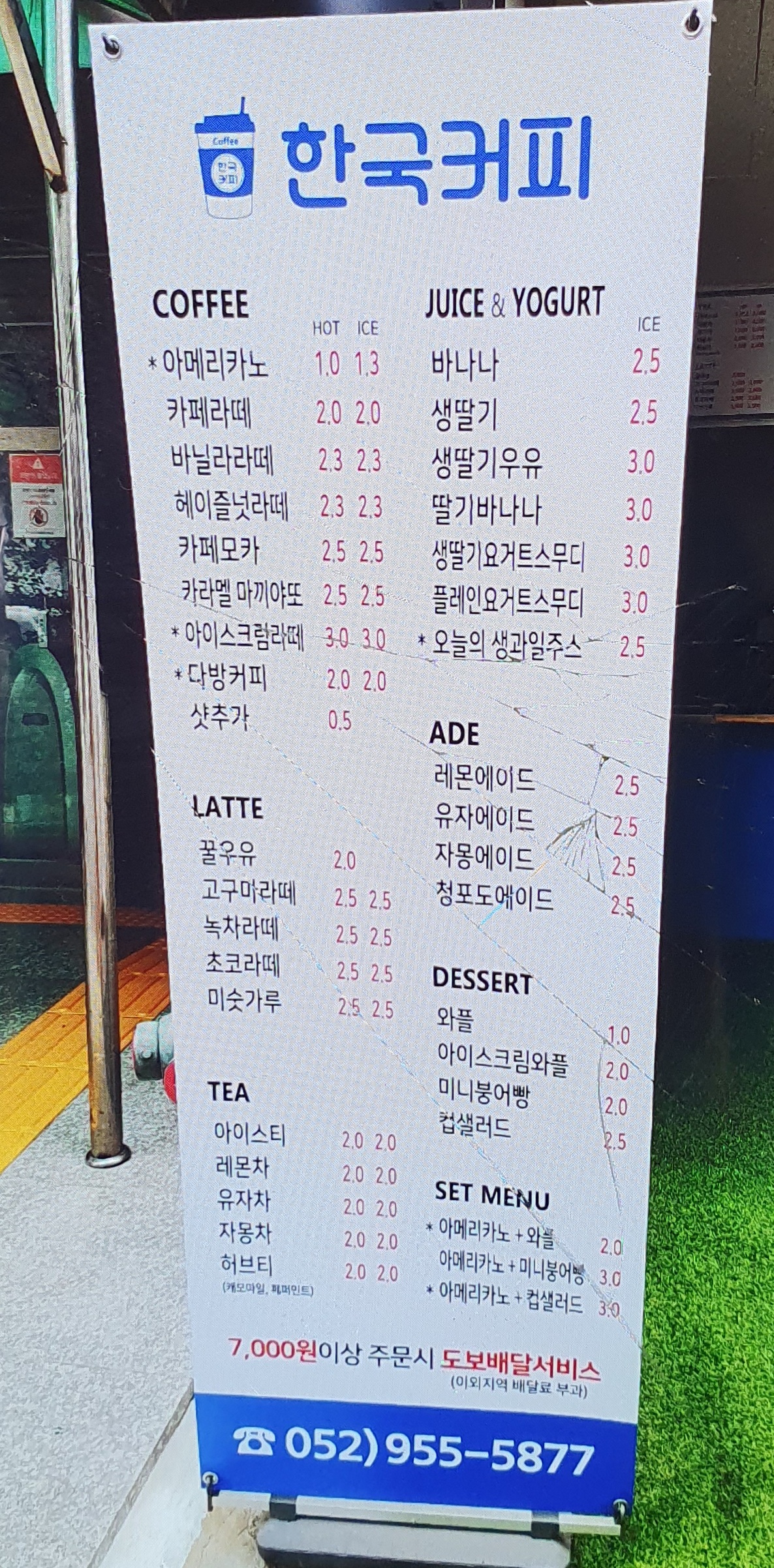
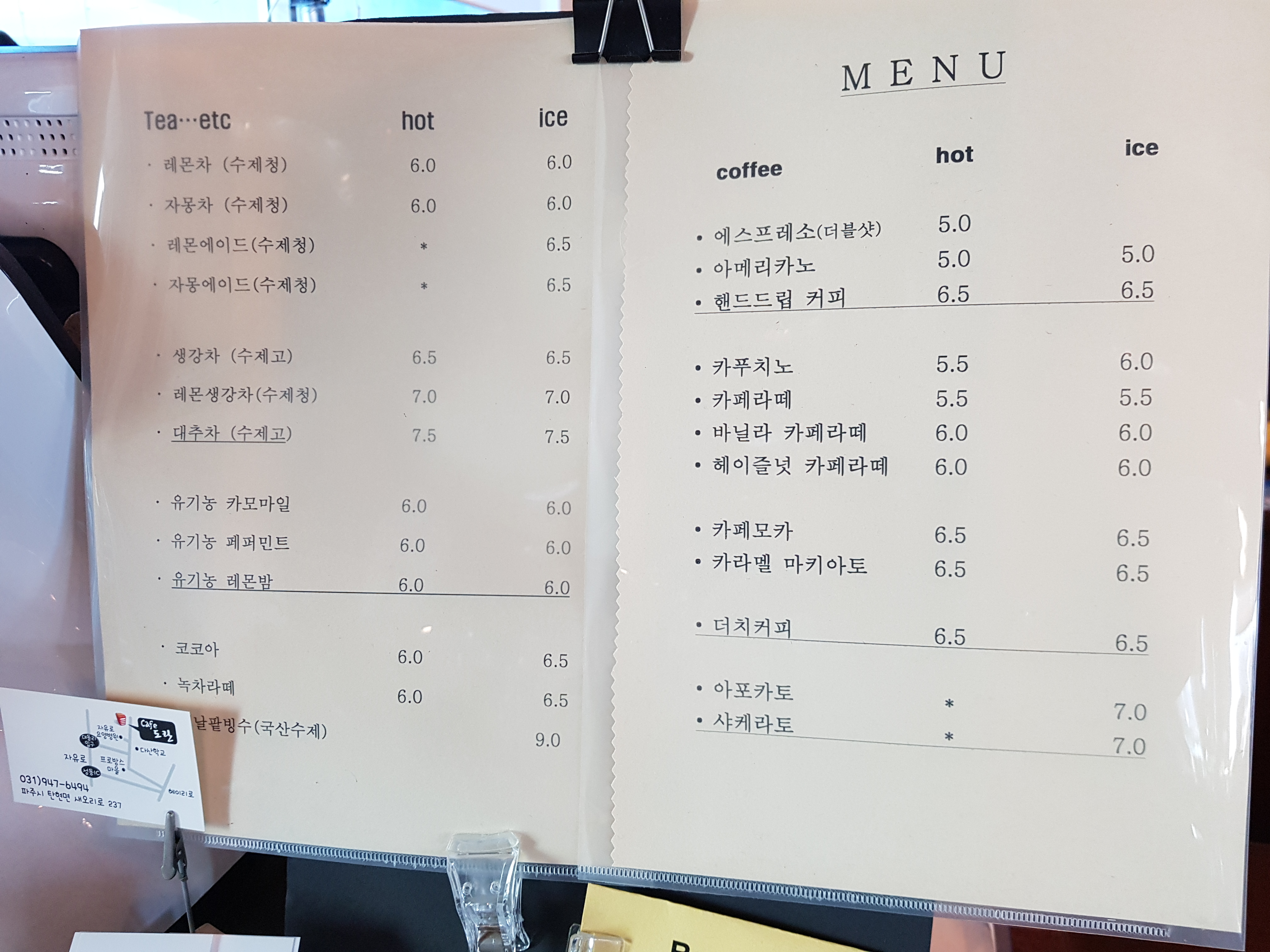
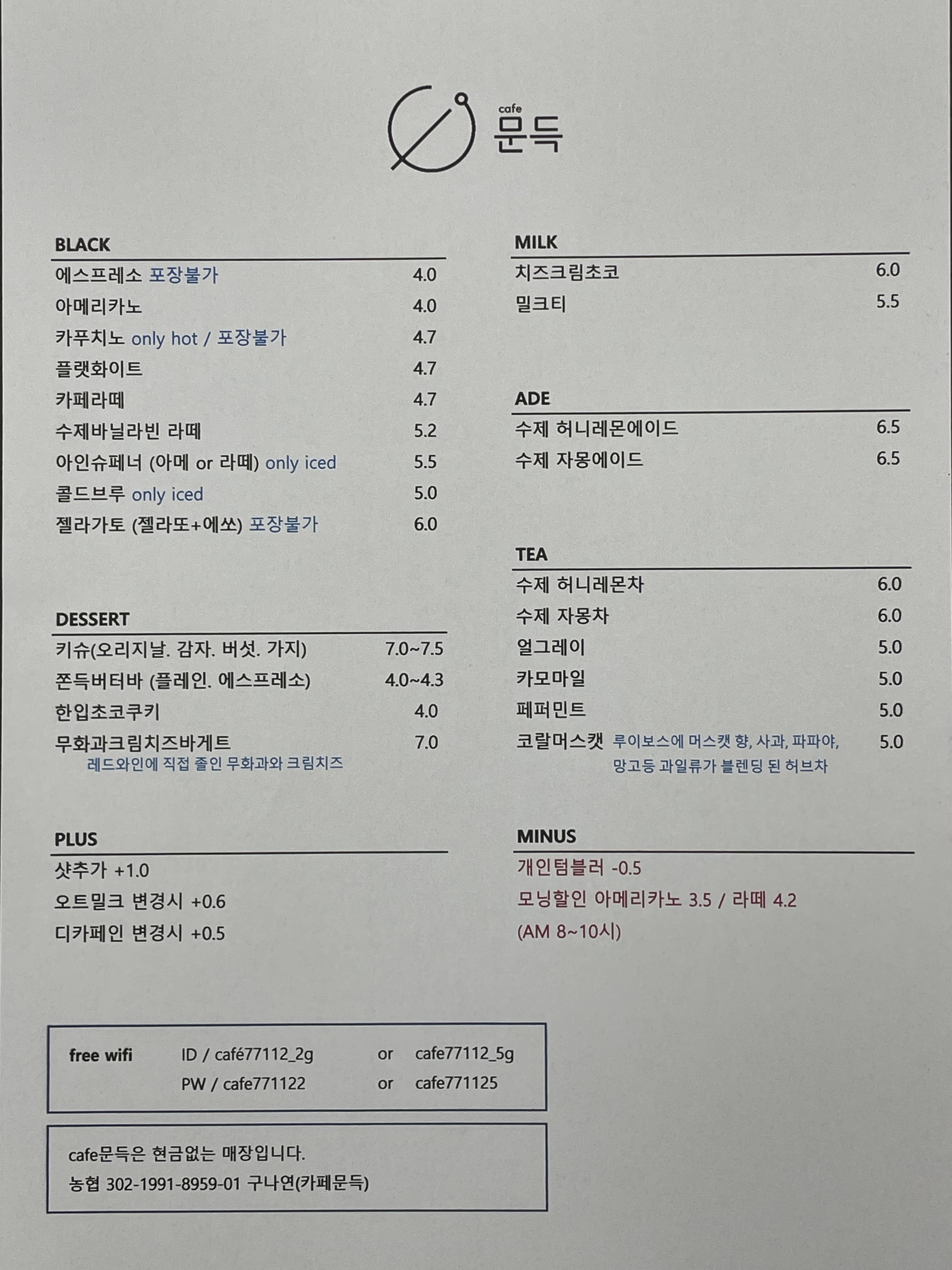
A typical cup of coffee in Seoul can range from 4,000 to 6,000 won (approximately $3 to $5). However, at some well-marketed cafes, you might find prices soaring up to 10,000 won ($8) or more for a specialty drink. This can lead one to wonder if the price is justified or simply a reflection of social media influence. For instance, a famous cafe in Itaewon may charge significantly more for a trendy matcha latte compared to a local spot in Jongno serving a classic espresso.
Cafes as Destinations
Many cafes are designed to be destinations in themselves. They often have meticulously curated menus featuring seasonal drinks, homemade pastries, and even brunch options. In Itaewon, one can find cafes that serve unique offerings like matcha lattes or specialty desserts that draw in both locals and tourists alike. The aesthetics of these cafes are often just as important as their menus; finding a cafe that doubles as a backdrop for your social media feed can be just as enticing as the food itself.
Case Study: Cafe Onion
Take Cafe Onion in Seongsu-dong, for instance. Housed in a renovated industrial building, it attracts crowds not only for its excellent coffee but also for its stunning architecture and Instagram-ready pastries. The cafe features a spacious outdoor seating area, perfect for enjoying a leisurely afternoon with friends. Here, the community meets, enjoys good food, and engages with the unique artistic vibe of the area. Many patrons often post photos of their pastries, which can lead to a surge in visitors eager to experience it for themselves.
The Future of Cafe Culture in Korea
As with any trend, the future of cafe culture in Korea will likely evolve. While hyperlocal establishments continue to thrive, larger chains are beginning to shift their strategies to compete. For instance, Starbucks is now offering more local flavors and unique beverages to cater to the Korean palate. The rise of mobile ordering and delivery services is also changing how consumers engage with cafes, influencing the types of products that are popular.
Sustainability Trends
An emerging trend is the focus on sustainability. Many cafes are exploring eco-friendly practices, such as using biodegradable cups, sourcing locally, and minimizing food waste. It's reassuring to see this movement gain traction, aligning with the growing global awareness of environmental impact. Cafes in areas like Seongsu-dong are starting to adopt practices that resonate with eco-conscious consumers, making it easier to enjoy a cup of coffee with a clear conscience.
FAQ
What types of cafes can I expect to find in Seongsu-dong?
Seongsu-dong offers a diverse range of cafes, from minimalist designs focused on specialty coffee to cozy spaces with homemade pastries. You can find cafes that emphasize local art, host community events, and even serve unique seasonal drinks.
How much should I expect to spend at a cafe in Seoul?
Typically, a cup of coffee in Seoul ranges from 4,000 to 6,000 won ($3 to $5). However, specialty drinks or unique menu items in trendy cafes can cost upwards of 10,000 won ($8), especially in tourist-heavy areas like Itaewon.
Are cafes in Seoul a good place for studying or working?
Yes, many cafes in Seoul are designed for social interaction, working, or studying. They often have free Wi-Fi, comfortable seating, and a conducive atmosphere for productivity, making them popular spots for students and professionals alike.
What’s the role of social media in the popularity of cafes?
Social media, particularly Instagram, plays a significant role in promoting cafes. Many establishments focus on creating visually appealing interiors and unique menu items to attract customers who want to share their experiences online.
Are there any emerging trends in the cafe culture?
Yes, sustainability is becoming increasingly important in cafe culture. Many cafes are adopting eco-friendly practices, such as using biodegradable materials and sourcing ingredients locally. This trend reflects a broader societal shift toward environmental consciousness.
Final Thoughts
Cafe culture is deeply embedded in Seoul’s fabric, reflecting the city’s social dynamics and changing consumer preferences. While not every cafe will be a hidden gem, the sheer variety ensures there's something for everyone, whether you are a coffee connoisseur or just looking for a comfortable spot to relax. Next time you find yourself in a new neighborhood, take a moment to explore its cafes; you might just discover a new favorite spot. In the next post, the must-try seasonal drinks that are making waves in cafes this autumn will be featured.
Photos by Yena Kwon, Yena Kwon, WON JONG LEE via Pexels