Exploring Themes of Fatherhood in The King of Kings
A thoughtful review of The King of Kings, exploring its themes and animation style. Discover more about this unique film from Seoul.
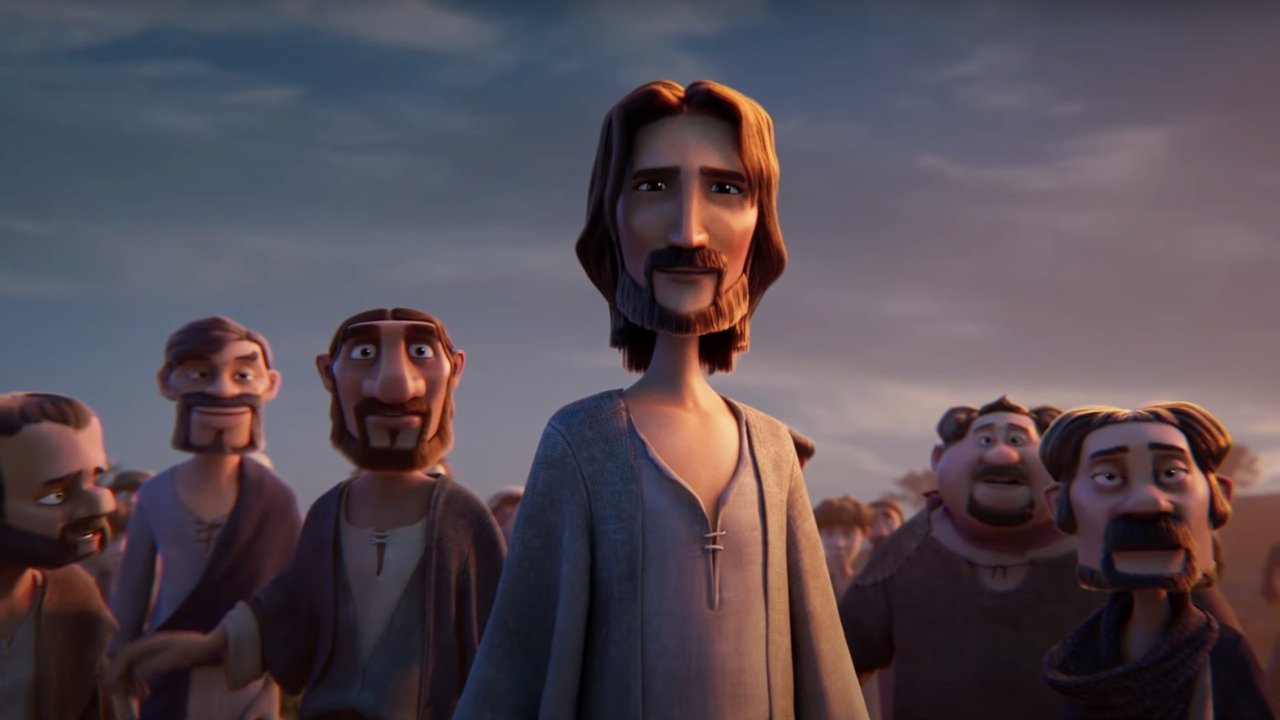
It’s a rare thing to find an animated film that engages deeply with themes of fatherhood and spirituality, yet The King of Kings (왕의 왕) manages to do just that. As I settled into a cozy theatre in Gangnam, I was curious to see how this upcoming release, set for April 7, 2025, would present its ambitious narrative.
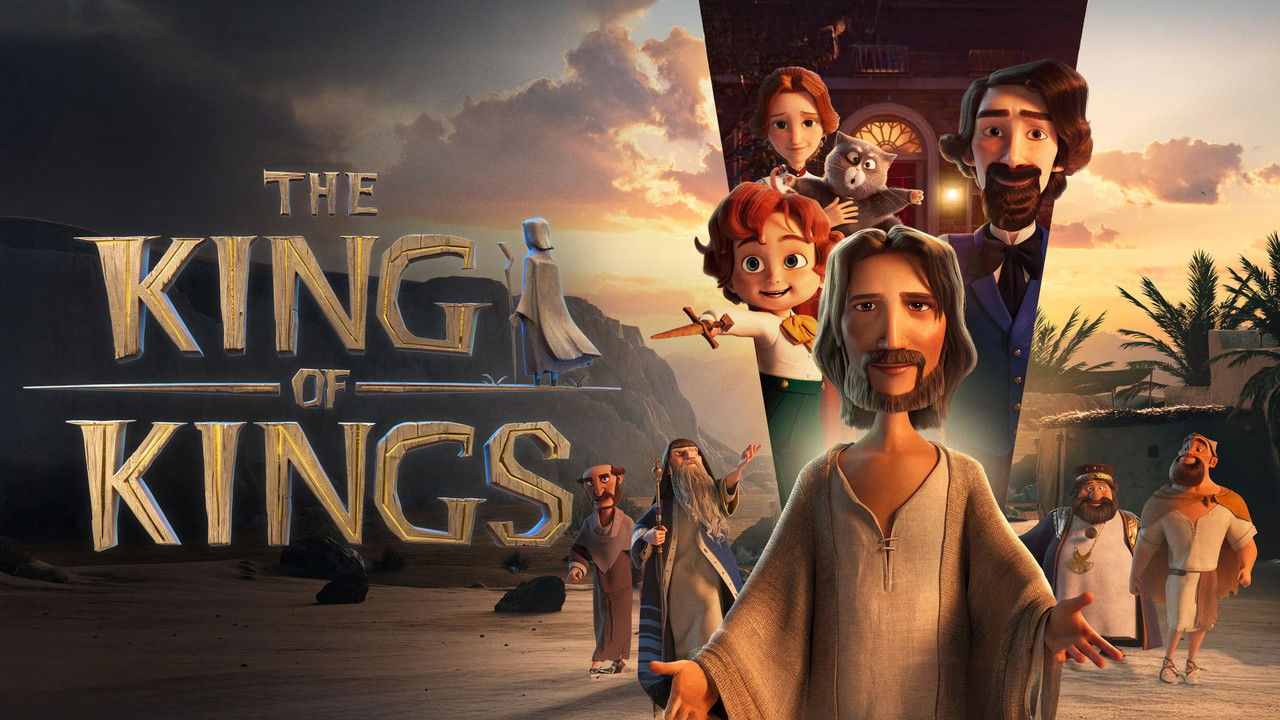
Directed and written by Jang Seong-ho, the film features a star-studded voice cast, including Oscar Isaac as Jesus Christ, Kenneth Branagh as Charles Dickens, and Uma Thurman as Catherine Dickens. The plot is a unique twist on a classic narrative: it tells the story of Charles Dickens recounting the life of Jesus to his young son, Walter. This storytelling format sets the stage for a visually captivating and emotionally resonant journey.
Animation Style and Visuals
The animation in The King of Kings is striking. It blends traditional hand-drawn aesthetics with modern digital techniques, resulting in a rich visual experience that is both nostalgic and fresh. Characters and landscapes are beautifully rendered, drawing the viewer into a vivid world that feels alive. As the audience follows Walter's journey, the artistry allows us to witness Jesus's miracles and trials in a way that feels immediate and personal.
For those familiar with the animated features coming out of South Korea, this film stands out. While many K-animation projects settle for a more commercial feel, The King of Kings embraces a sophisticated storytelling approach.
Exploring the Themes
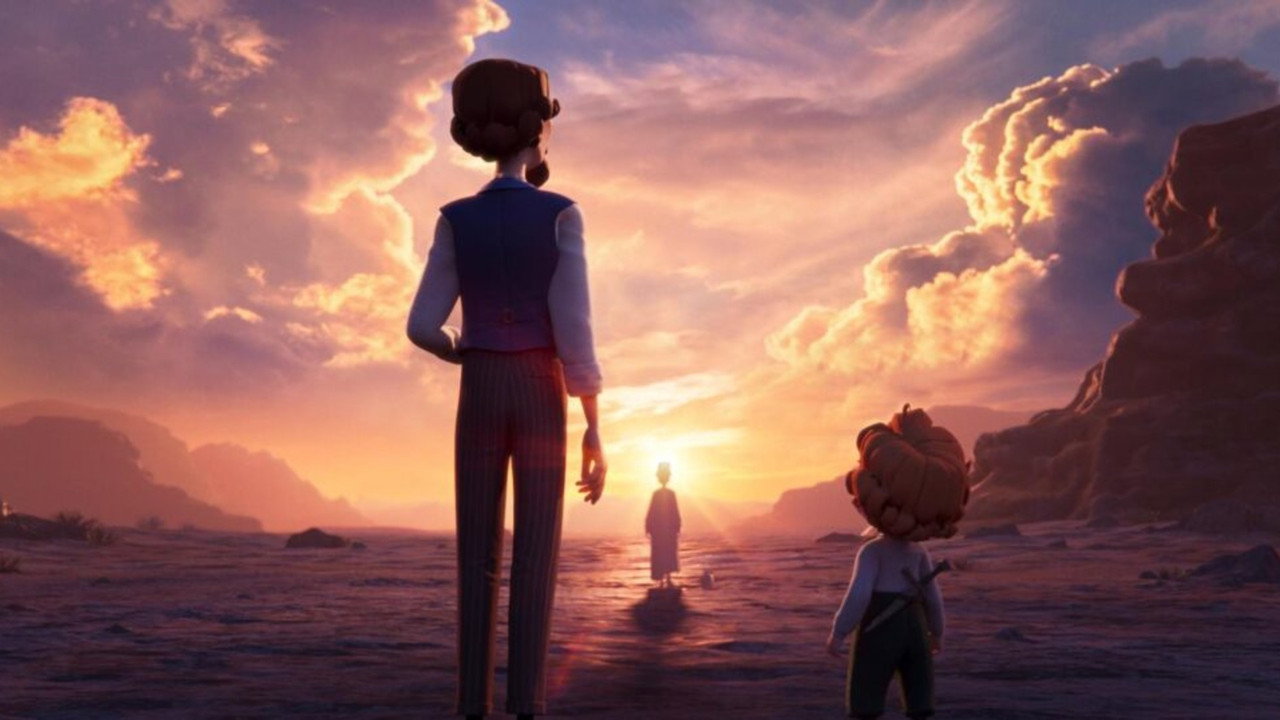
One of the film's greatest strengths is its exploration of fatherhood. The relationship between Charles Dickens and his son, Walter, mirrors the larger themes of sacrifice and love portrayed in Jesus's story. Dickens's storytelling becomes a vessel for understanding his own challenges as a parent, making the narrative accessible for both adults and children.
The tagline, “A father's greatest joy is raising his son,” resonates throughout the film. It’s an emotional underpinning that adds depth to the otherwise fantastical elements. You will find moments where Dickens’s struggles with parenting reflect the universal challenges many face, making you ponder your own relationships.
The Voice Cast and Their Performances
The casting of renowned actors adds a layer of intrigue. Oscar Isaac's voice work as Jesus is both gentle and authoritative, encapsulating the essence of compassion. Meanwhile, Kenneth Branagh brings warmth and gravitas to Charles Dickens, making him an endearing figure through whom the story unfolds. Uma Thurman’s portrayal of Catherine Dickens adds complexity to the family dynamics, although her role feels somewhat underutilised.
Notably, the youthful enthusiasm of Roman Griffin Davis as Walter is infectious. His curiosity and wonder are palpable, pulling viewers into the narrative's heart. Each character, despite being animated, feels multi-dimensional and engaging.
Cultural Context and Audience Reception
Living in Seoul, I often observe how animated films are received differently from live-action cinema. In a city that reveres both historical narratives and artistic innovation, The King of Kings holds a unique place. The film’s release will coincide with families looking for meaningful entertainment options as warmer weather approaches, making it timely.
With an early TMDB score of 8.283/10, the buzz surrounding the film is palpable. It's encouraging to see audiences embracing content that projects deeper narratives rather than simply focusing on commercial elements. The blend of storytelling and animation could redefine expectations for future Korean animated films.
Final Thoughts
As I reflect on The King of Kings, I find it refreshing that a film of this nature is emerging from Korea. Its exploration of themes like fatherhood, sacrifice, and love is not only timely but resonates universally. While I'm cautious not to succumb to online hype, I genuinely believe this film will elicit discussions that extend beyond the cinema.
I’m looking forward to seeing how it performs upon release and whether it garners adaptations or sequels, given its rich narrative potential. On that note, I’ll be exploring an upcoming K-drama that shares thematic parallels with this film in my next post.
Images sourced from TMDB. This post uses the TMDB API but is not endorsed or certified by TMDB.