Itaewon and Gyeongnidan-gil: An Honest Update Post-Development
Explore the changes in Itaewon and Gyeongnidan-gil after redevelopment, with insights on what's worth visiting and what's overrated.
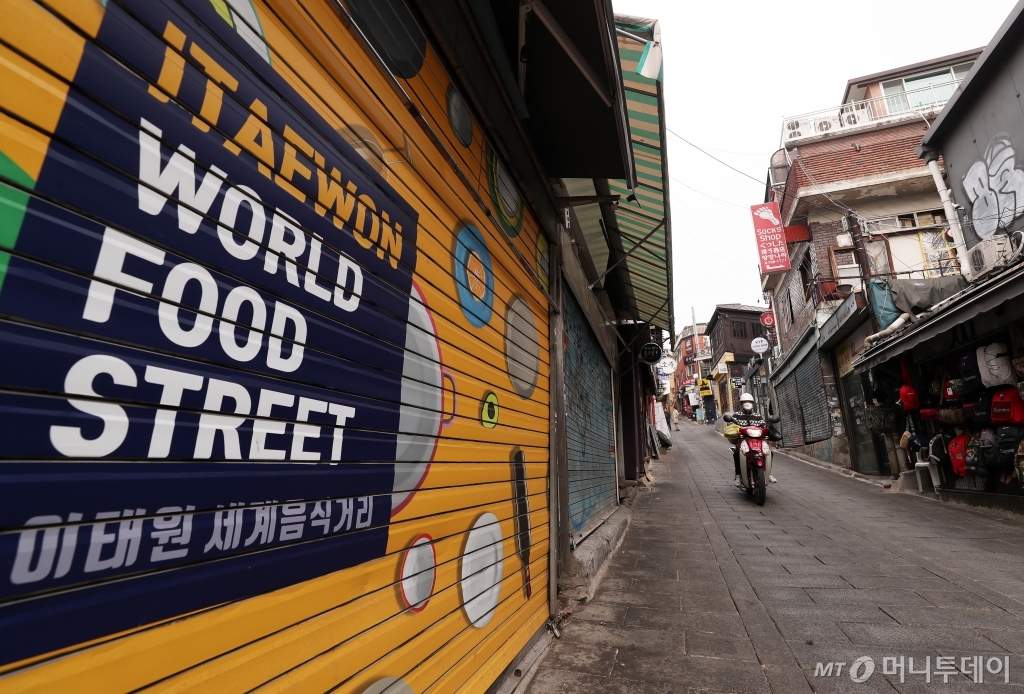
Walking through Itaewon these days feels like navigating a brand-new district, yet echoes of its past linger in the air. After a significant redevelopment process, this formerly eclectic area is both familiar and remarkably altered. As someone who has called Seoul home for several years, I felt it was time to share my honest impressions of the current state of Itaewon and Gyeongnidan-gil.
The Redevelopment Impact
The redevelopment of Itaewon has resulted in a mix of newfound charm and noticeable corporate presence. Local shops have been replaced by chain stores, and it's hard not to miss the small, quirky boutiques that used to line the streets. However, the goal of creating a more pedestrian-friendly environment has been mostly successful, with wider sidewalks and new public art installations.
Changes in Atmosphere
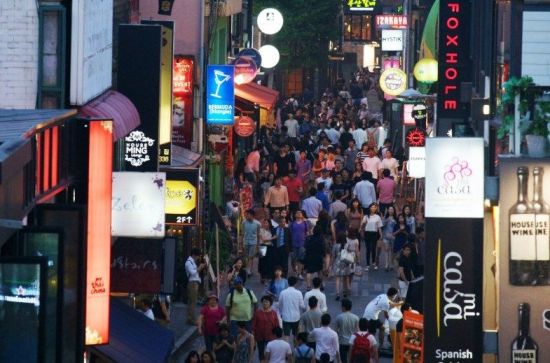
Many of the smaller cafes and restaurants that offered a unique twist have been replaced by larger brands, which creates a less personal atmosphere. Gyeongnidan-gil, which used to maintain a more bohemian vibe, has also changed considerably. Here are some key observations:
- Greater presence of international chains, which may appeal to tourists but feel soulless to locals.
- New public transport connections, making it easier for visitors to access the area.
- More green spaces and seating areas, perfect for people-watching.
What's Worth Visiting?
Despite the changes, there are still some gems worth exploring in the area. For example, Magpie Brewing Co., located on the quieter side of Itaewon, continues to draw crowds with its artisanal beers. A pint here may set you back around 8,000 won (approximately $6), but the atmosphere is relaxed and inviting.
Another spot that has retained its local charm is Craftworks Taphouse. This bar is known for its extensive craft beer selection and friendly bartenders. Prices hover around the same mark, but the real draw is the sense of community it fosters.
International Cuisine
Itaewon has long been known as a melting pot of international cuisines, and this remains one of its strong suits. For authentic tastes from around the globe, consider:
- Vatos Urban Tacos – A fusion of Korean and Mexican cuisines. Their kimchi fries are a must-try, priced at around 12,000 won (about $9).
- The Booth – This popular pizza chain has a location here, offering a solid, if not exceptional, selection.
- Janguhjin – For the best grilled mackerel in the city, this place is a hidden gem.
What’s Overrated?
While some spots have maintained their allure, others seem to be benefiting from the hype rather than quality. For example, the new high-rise developments in the area boast luxurious living and fine dining, but many locals question whether they truly reflect the spirit of Itaewon. Dining establishments within these developments have received mixed reviews;
- High prices for mediocre quality.
- Service that can feel rushed, focusing more on turnover than customer experience.
One particularly overrated place is Hansikgonggan. While it has garnered attention for its modern Korean dishes, the prices (around 30,000 won or $22 for mains) do not always match the portion sizes or flavours.
Gyeongnidan-gil’s Hidden Treasures
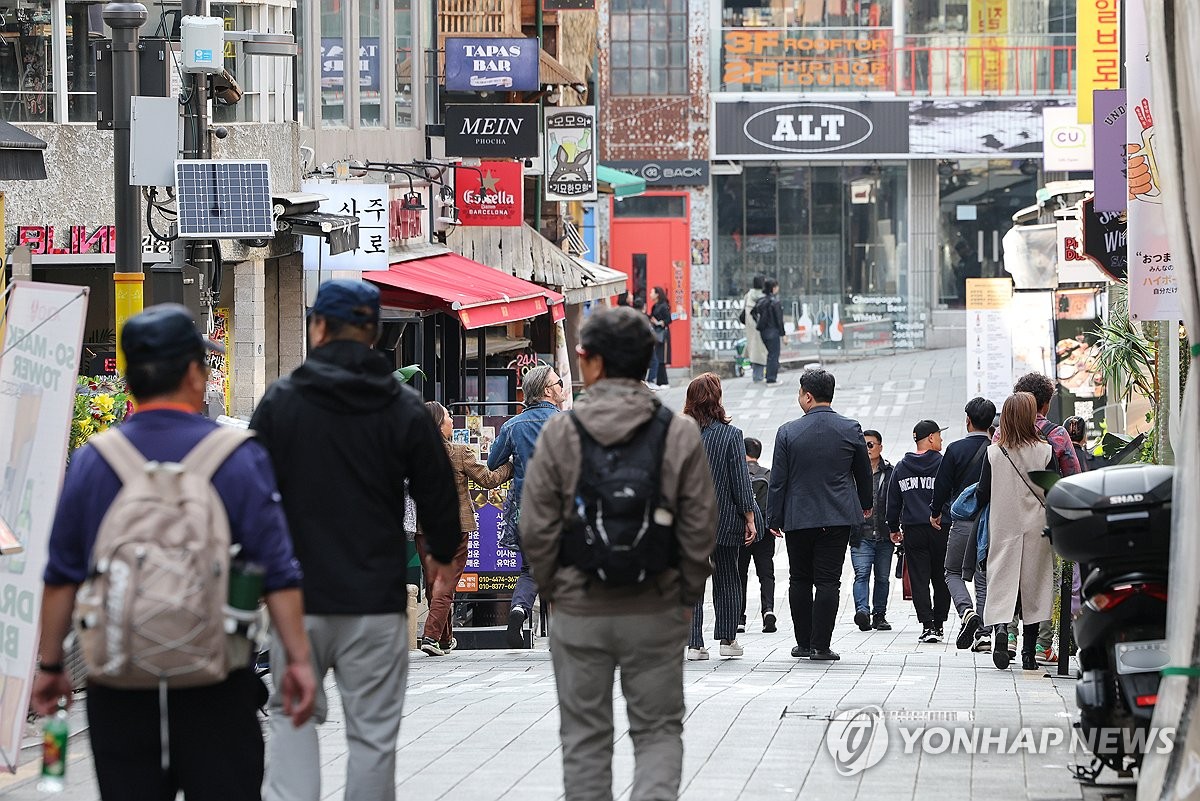
Despite its changes, Gyeongnidan-gil still boasts some hidden gems. The area is home to art galleries, quirky shops, and a few cafes that have managed to retain their originality. For instance, Anthracite Coffee Roasters provides an excellent coffee experience in a beautifully designed space, with prices starting around 5,000 won ($4) for a cup.
Additionally, Rooftop Bar at the Hamilton Hotel is worth checking out for its breathtaking views of the city, especially at sunset. Cocktails are a bit pricier, at around 15,000 won ($11), but the ambiance makes it worthwhile.
Final Thoughts
Overall, the redevelopment of Itaewon and Gyeongnidan-gil has led to a mixed bag of new opportunities and losses. While I appreciate the improved infrastructure and new offerings, I miss the local flavour that once defined these areas. If you're planning a visit, approach with an open mind and a willingness to explore beyond the familiar tourist paths.
I'll be diving into the vibrant coffee culture of Seongsu-dong in my next post. What are your thoughts on the changes in Itaewon? Have you discovered any hidden gems worth sharing?
Photos by via Pexels