What to Expect on the DMZ Joint Security Area Panmunjom Tour in 2026
Planning a visit to the DMZ Joint Security Area? Here's what to expect on your tour in 2026, from logistics to historical insights.
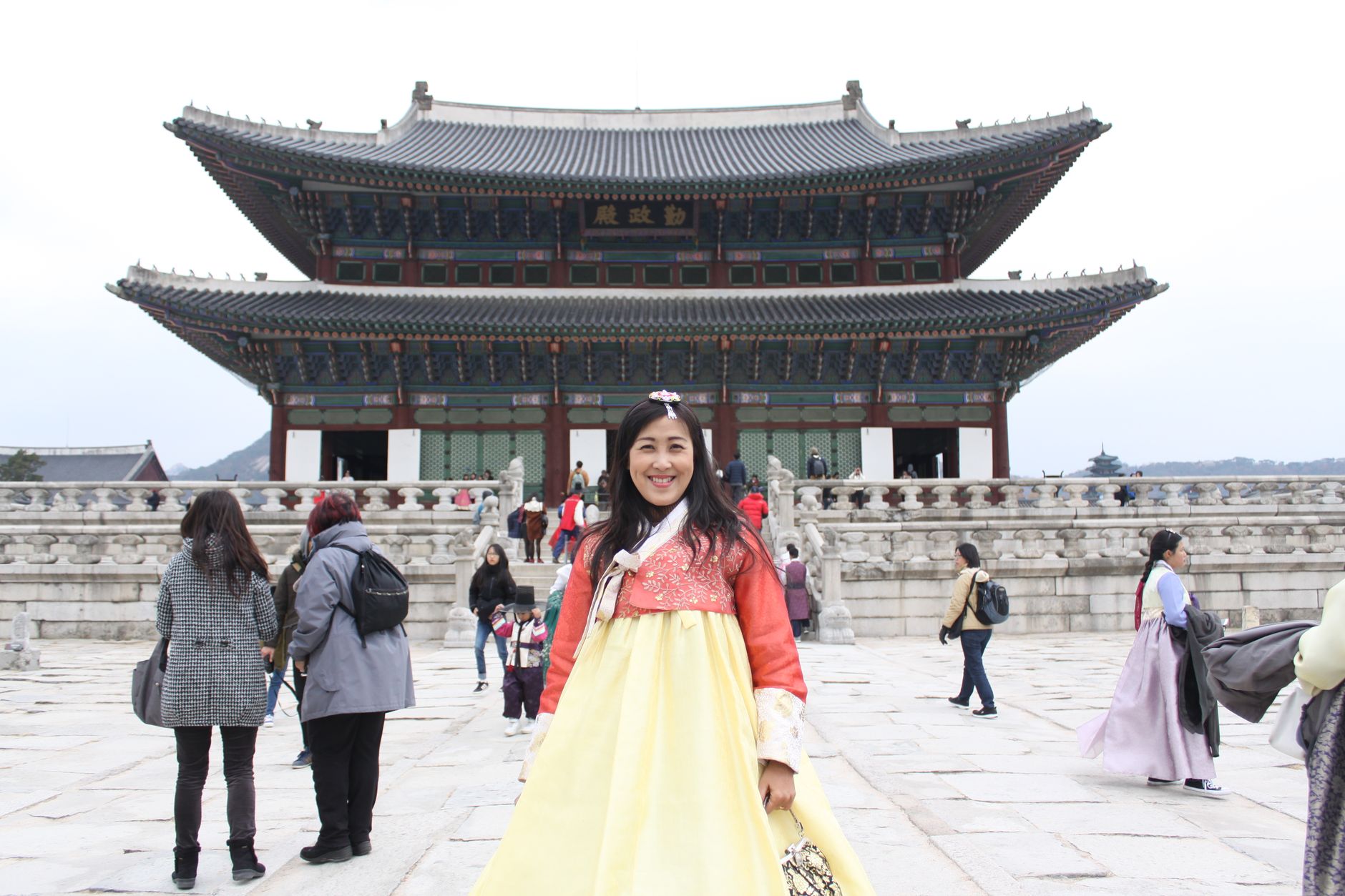
It’s an ordinary Saturday morning in Seongsu-dong, a neighborhood known for its cafes and galleries, but my mind is busy preparing for an extraordinary journey. Today, I’m heading to the DMZ Joint Security Area (JSA) at Panmunjom, a place steeped in history and tension. As a resident of Seoul, the allure of visiting a site that sits literally on the edge of two nations has always been intriguing.
Why Visit the DMZ Joint Security Area?
The DMZ is more than just a demarcation line; it’s a symbol of the 1953 armistice, which halted hostilities between North and South Korea. The JSA, situated within the DMZ, is the only location where North and South Korean forces stand face-to-face. For those interested in Korean history, politics, or military, this is a must-see. However, there’s a significant difference between the JSA and the rest of the DMZ, which is often overlooked.
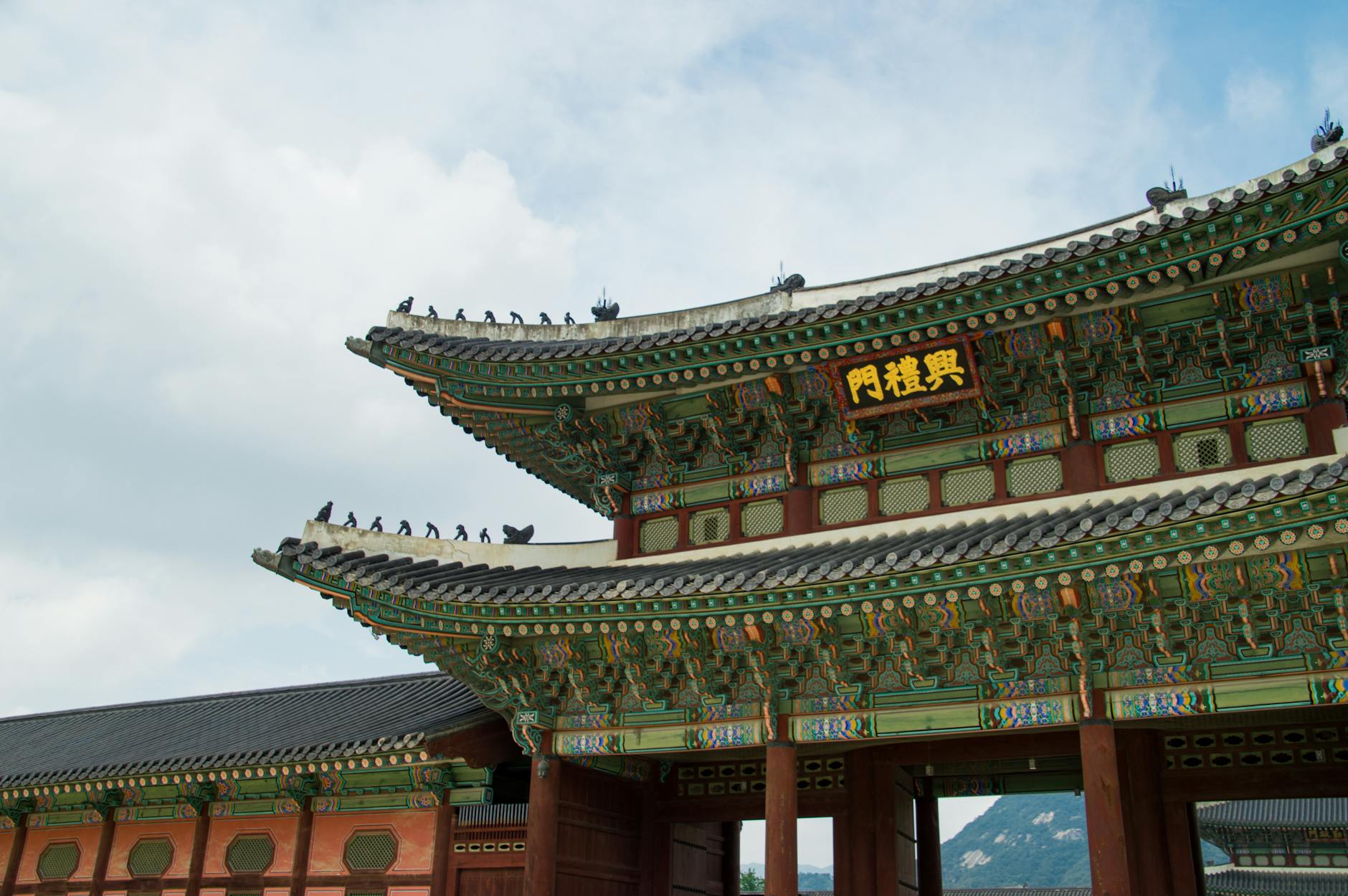
Booking Your Tour
To visit the JSA, you must book a guided tour, as independent visits are not allowed. Numerous agencies specialize in DMZ tours, with prices typically ranging from 50,000 to 100,000 won (approximately $40 to $80) depending on inclusions like transportation and meals. Many tours leave from central Seoul, particularly in areas like Myeongdong and Itaewon.
- What to Bring: Your passport is mandatory for entry.
- Dress Code: Modest clothing is required. No ripped jeans or shorts.
- Timing: Allow half a day for the tour; it usually lasts around 6 hours.
What to Expect on the Tour
The tour typically starts with a briefing on the history of the Korean War and the ongoing division of the peninsula. Expect to receive background information that goes beyond headlines. The guide’s insights can shape your understanding of the area.
Once you arrive at the DMZ, the atmosphere shifts. You’ll enter the JSA, where you can see the iconic blue conference buildings. It’s surreal to stand in a place where decades of negotiations have taken place, and where tension still lingers. Your tour guide will explain the layout, point out key sights like the Freedom House, and give details about historical events that occurred here.
Interaction with North Korean Soldiers
For many visitors, the highlight is the opportunity to see North Korean soldiers standing less than 10 meters away. Although you can’t take photos of them, the experience of witnessing such a direct confrontation is profound. It’s crucial to remain respectful and follow your guide’s instructions at all times.
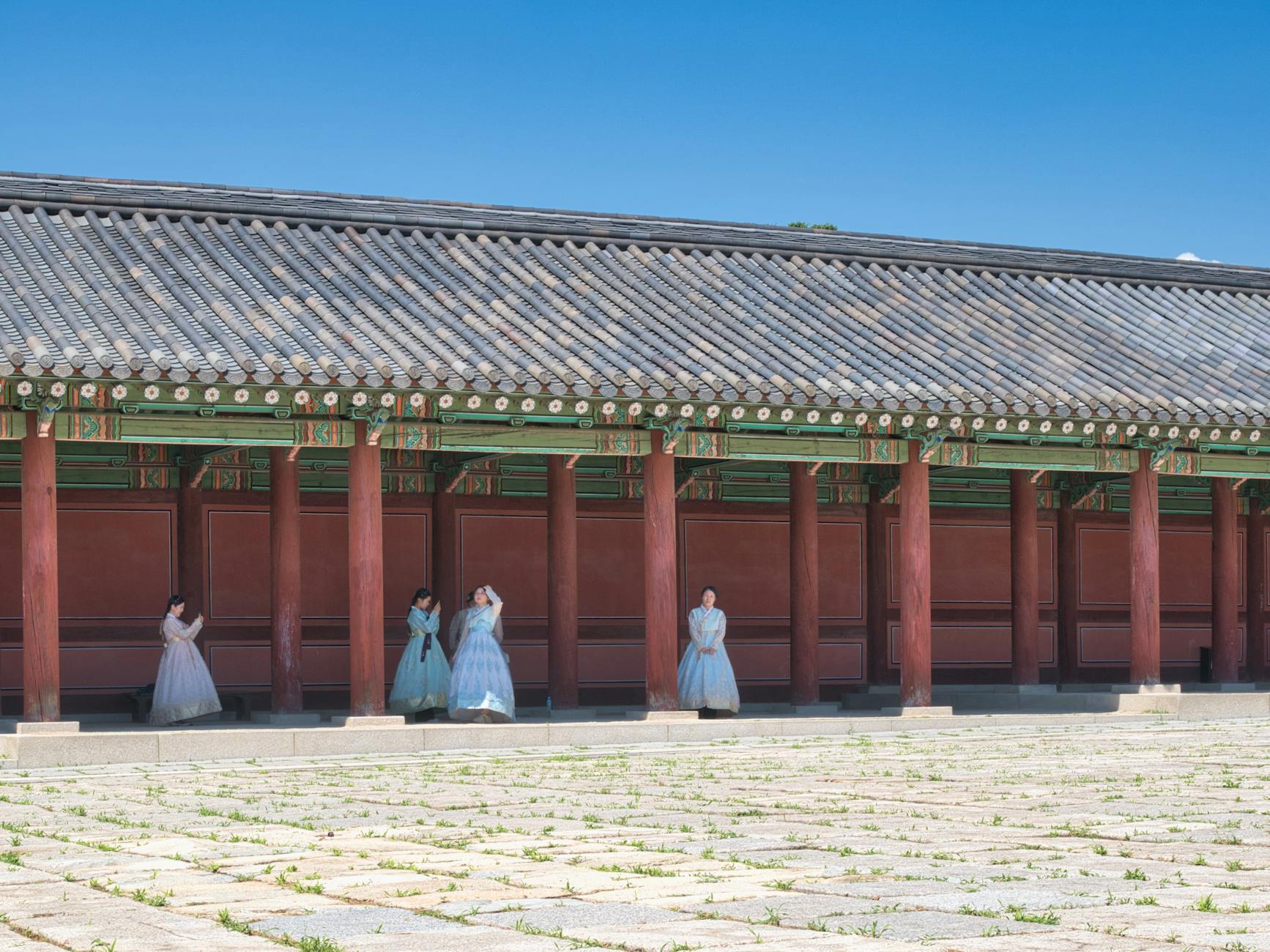
Safety and Restrictions
The JSA is a heavily monitored area, so security protocols are strict. Visitors must adhere to a code of conduct. Questions about safety often arise, particularly regarding tensions or incidents in the region. While there’s no guarantee of absolute safety, tourism to the JSA continues without significant disruptions.
Planning for 2026 and Beyond
As we look ahead to 2026, the dynamics of inter-Korean relations may shift, making it an intriguing time to visit. It's essential to stay updated on the political climate. The South Korean government may change tour policies based on developments, so it’s wise to check for updates closer to your visit.
Post-Tour Reflections
After returning to Seoul, I recommend taking some time to reflect on your experience. It might feel overwhelming, but the insights gained from visiting the DMZ can contribute to a deeper understanding of Korea’s past and future. Local cafes in Seongsu-dong provide a great spot to unwind and discuss the day’s events with friends or fellow travelers.
Final Thoughts
While the Joint Security Area tour is a significant experience, I would caution against viewing it solely as a tourist attraction. It’s a complex, layered moment in history that deserves appreciation and respect. Before you go, think about how you can engage thoughtfully with what you see and learn.
Next in this series, I’ll share insights on exploring the historical sites in Seoul that offer further context to your DMZ experience.
Photos by alde saputro, Saksham Vikram, Fernando B M via Pexels