Choosing the Right K-Beauty Serums for Your Skin Concerns
Discover how to select K-beauty serums tailored to your skin type and needs, featuring popular products available in Seoul and beyond.
Walking through the vibrant streets of Gangnam, with its countless beauty shops, it's hard to ignore the abundance of K-beauty serums lining the shelves. From the ever-popular Innisfree Green Tea Seed Serum (27,000 won or about $22) to the new buzz surrounding the Advanced Snail 96 Mucin Power Essence from CosRx (15,000 won or around $12), the options can be overwhelming. So, how do you choose the right serum for your skin's needs?
Understanding Your Skin Type
Before diving into specific products, it’s crucial to understand your skin type and concerns. Here are the main categories:
- Oily: Prone to shine and breakouts.
- Dry: Flaky, tight, or dull looking.
- Combination: Oily in some areas, dry in others.
- Sensitive: Prone to irritation and redness.
- Normal: Balanced with no major issues.
I’ve found that assessing my skin type on a daily basis has been enlightening. For instance, during the humid summer months in Seoul, I often switch to lighter hydrating products. Conversely, in the dry winter, my skin craves richer formulations. You might find that the Neutrogena Hydro Boost Water Gel (around 20,000 won or $16) works wonders in summer, while Belif Moisturizing Bomb (38,000 won or $30) is a staple in winter.
Choosing the Right Ingredients
Once you identify your skin type, the next step is to look for specific ingredients that target your concerns:
Hydrating Serums
If you have dry skin, look for serums that include ingredients like:
- Hyaluronic Acid: Known for its moisture-retaining properties.
- Glycerin: A humectant that draws moisture into the skin.
The Etude House Moistfull Collagen Serum (24,000 won or about $20) is an excellent option for hydration. After using it for a few weeks, I noticed my skin felt softer and more plump. You can find this serum at the Etude House store in Itaewon, which often has unique promotions and seasonal sales.
Brightening Serums
For those dealing with uneven skin tone or pigmentation, consider serums with:
- Vitamin C: Renowned for brightening and antioxidant properties.
- Niacinamide: Helps to reduce the appearance of dark spots and improve skin texture.
The Some By Mi AHA-BHA-PHA 30 Days Miracle Serum (19,800 won or approximately $16) could be an effective addition to your routine. I used this product last autumn and found that it really helped reduce the post-acne marks that tend to linger. It has a pleasant texture and absorbs quickly.
Anti-Aging Serums
If you’re aiming to tackle fine lines and wrinkles, look for serums that contain:
- Retinol: A powerful ingredient for cell turnover.
- Peptides: Known to support collagen production.
The Neogen Real Ferment Micro Essence (35,000 won or about $29) is highly regarded for its anti-aging benefits. After a month of use, I noticed my skin felt firmer and looked more youthful. This product is available at Aritaum in Hongdae, where staff can also provide tailored recommendations based on your skincare goals.
Assessing Product Performance
It's essential to recognize that not every product works the same for everyone. A serum may perform well based on your skin type and individual needs. I’ve had mixed experiences with the popular Laneige Water Sleeping Mask (25,000 won or $20), which I find overly hydrating for my combination skin. While my friends rave about how it leaves their skin dewy and refreshed, for me, it felt a bit too heavy.
How to Layer Your Serums
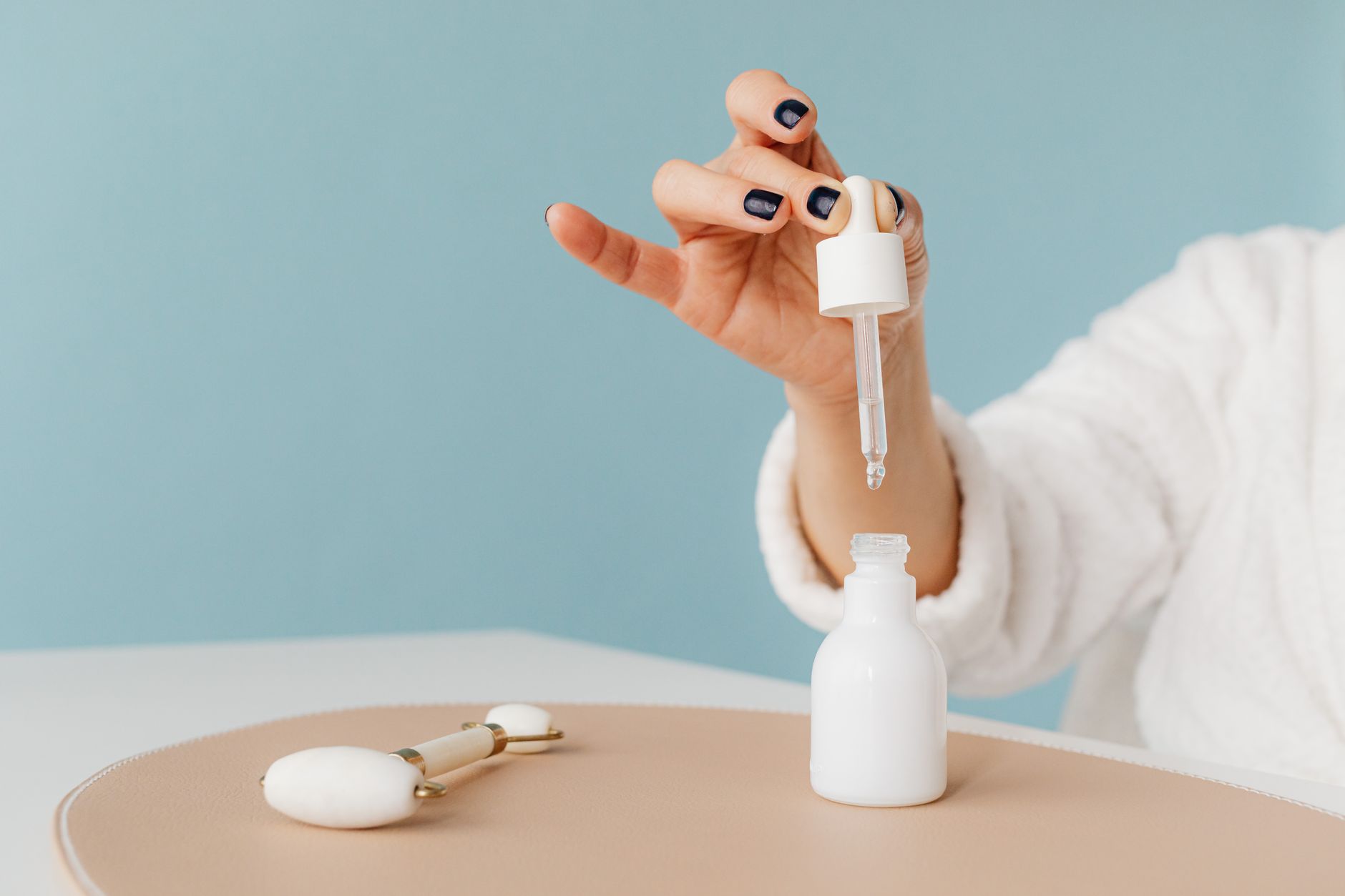
Layering serums can enhance effectiveness, but knowing the right order is vital:
- Start with a water-based serum: Products containing hyaluronic acid are ideal for this step.
- Follow with oil-based serums: These are best for locking in moisture.
- Use targeted treatments last: Serums with actives like retinol or vitamin C should be applied as the final step to maximize their benefits.
I experimented with layering serums for a month, and I found that my skin not only felt better but also appeared more radiant. For example, I layered the Innisfree Green Tea Seed Serum under the CosRx Snail Mucin Essence (19,000 won or $15), which created a hydrating base followed by a nourishing finish.
Common Mistakes to Avoid
Choosing a serum isn't just about picking a trendy product. Here are some common pitfalls to dodge:
- Ignoring Ingredient Labels: Always check for potential irritants. For example, I once bought a serum that contained alcohol, thinking it would be refreshing, but it dried my skin out significantly.
- Skipping Patch Tests: Always test a new product on a small area. A friend of mine had a reaction to a niacinamide serum, and it took her weeks to calm her skin.
- Overcomplicating Your Routine: Sometimes less is more; don’t overload your skin with multiple serums. I found that three effective serums gave me better results than my previous routine of five.
What to Expect in Terms of Costs
Serum prices can vary widely, but on average, you can expect to pay between 15,000 to 60,000 won ($12 to $50) for a good quality product. Most serums will last a couple of months with daily use, making them a relatively worthwhile investment. Always keep an eye out for sales, especially in stores like Olive Young or H Mart, where you can often find discounts on popular items. In my experience, shopping during the seasons, like the annual Chuseok sale, can lead to significant savings. I once bought three different serums during a 30% off promotion!
Finding the Right Store
While places like Olive Young and Aritaum are popular for their wide selection, don’t overlook smaller, local shops. Areas like Yeonnam-dong have lesser-known stores that carry niche brands you might not find in larger chains. Plus, the staff often have a wealth of knowledge about their products. For instance, I stumbled upon a small shop called Beauty Box in Yeonnam-dong where the owner was incredibly passionate about K-beauty. After discussing my skin concerns, she recommended several products that turned out to be game-changers for me.
Another hidden gem is Cosmetic Love, an online retailer that offers a range of K-beauty products, often with free shipping when you reach a certain amount. I prefer shopping online when I have specific items in mind, especially when looking for seasonal products or limited editions. They frequently run promotions that can make shopping much more affordable.
Practical Tips for Serum Usage
Now that you have a better understanding of what to look for in serums, here are some practical tips for getting the most out of your products:
- Consistency is Key: Use your serums consistently, ideally both morning and night, for lasting results.
- Keep Your Skin Clean: Always apply serums on freshly cleansed skin to ensure better absorption.
- Be Patient: Most serums will take at least a few weeks to show visible results. Don't give up too soon if you don't see changes immediately.
- Mix and Match: Don’t be afraid to combine different serums to address multiple concerns. Just make sure they are compatible with each other.
I found that following these tips greatly improved the efficacy of my skincare routine. For instance, using the Missha Time Revolution First Treatment Essence (28,000 won or about $23) before applying my serums made a noticeable difference in hydration and absorption.
Personal Recommendations
Based on my experiences, here are three serums that I believe cater to diverse needs:
For Oily Skin: Innisfree Green Tea Seed Serum
Priced at 27,000 won ($22), this product is lightweight yet hydrating. It has a refreshing scent and is perfect for oily skin types. I often see it on the shelves in places like Olive Young and it’s a solid option for a first serum.
For Dry Skin: Klairs Rich Moist Soothing Serum
This serum costs around 34,000 won ($28) and has a thicker consistency that deeply hydrates. I discovered it at a small shop in Jongno. It’s perfect for winter months when my skin feels parched.
For Anti-Aging: Dr. Jart+ Peptidin Firming Serum
Usually priced around 54,000 won ($44), this serum contains peptides that help with elasticity and firming. I bought it last spring and was pleasantly surprised by its lightweight texture and quick absorption.
Conclusion
Choosing the right K-beauty serum involves understanding your skin type, knowing which ingredients to look for, and avoiding common mistakes. Throughout my time navigating Seoul’s beauty scene, I've learned to appreciate the variety and specificity of K-beauty products. From my experiences, I’ve come to understand that the right serum can significantly impact your skincare routine. Next, I will explore the impact of climate on your skincare routine and how to adjust it based on Seoul's changing seasons.
Photos by https://kaboompics.com/, Polina ⠀, https://kaboompics.com/ via Pexels