Common K-Beauty Mistakes Western Buyers Make When Starting Out
Explore the common K-beauty pitfalls that Western buyers encounter. Learn how to avoid them for a better skincare experience in Seoul.
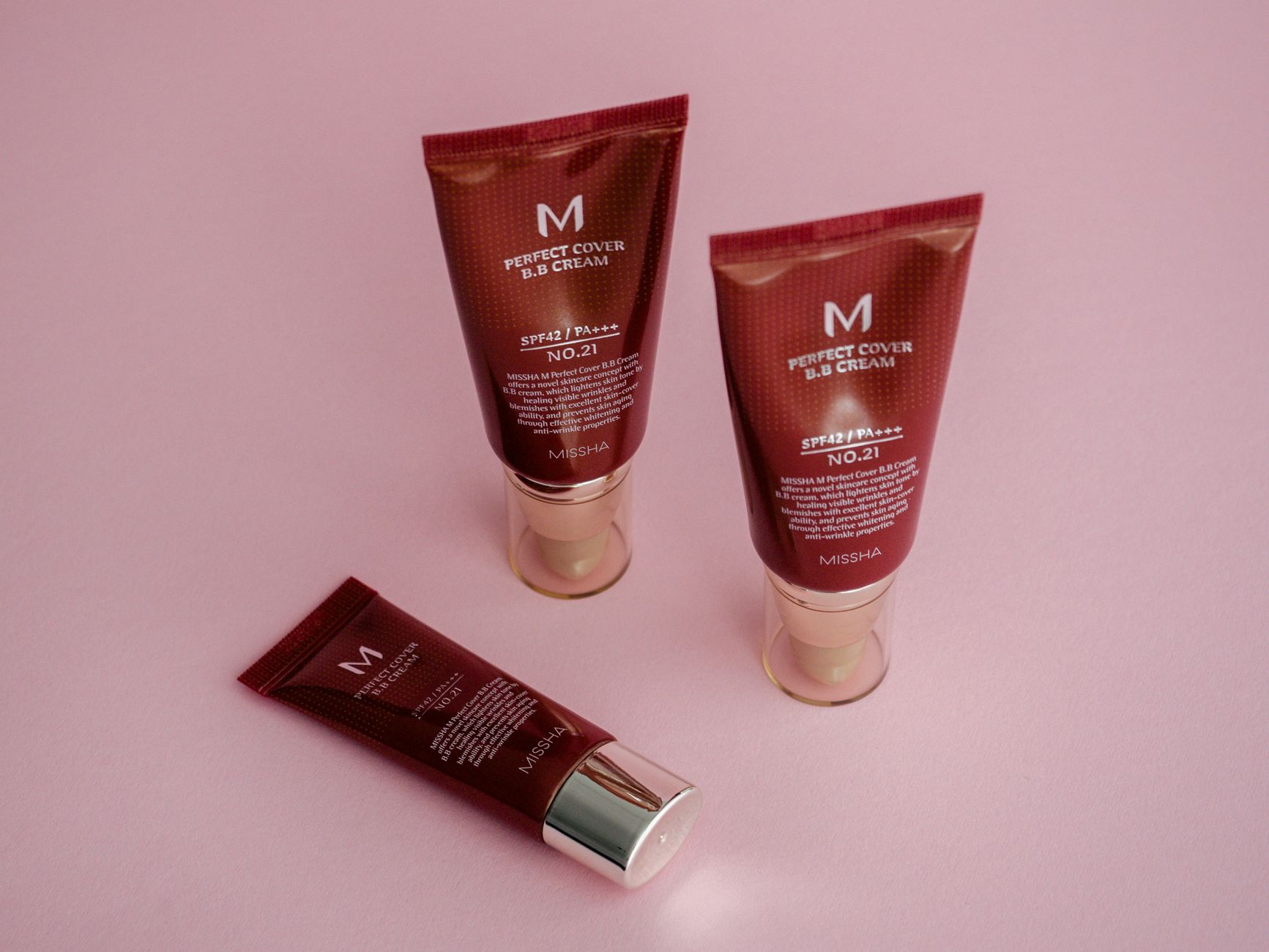
Visiting Olive Young in Gangnam is always a sensory overload for me. The shelves are packed with brightly coloured packaging, each claiming to deliver the perfect skin. However, many Western buyers stepping into the K-beauty realm often overlook fundamental aspects that could save them both time and money. Here are some common mistakes to avoid when starting your K-beauty journey.
1. Ignoring Skin Type
One major error is neglecting to consider your individual skin type. Korean skincare products often cater to a range of skin concerns, but if you don’t know your skin type, you might end up spending 15,000 won (around $12) on a product that simply doesn’t work for you.
- Dry Skin: Look for moisturising ingredients like hyaluronic acid or ceramides. A popular product, the Etude House Moistfull Collagen Cream, priced at about 18,000 won ($14), is known for its hydrating properties.
- Oily Skin: Lightweight, oil-free formulations are key. Products with tea tree oil can help. The Innisfree Jeju Bija Anti-Trouble Lotion, around 20,000 won ($15), is a great choice for blemish-prone skin.
- Sensitive Skin: Avoid fragrances and opt for products labelled as hypoallergenic. The Dr. Jart+ Cicapair Tiger Grass Cream, retailing for about 36,000 won ($28), is a soothing option.
Understanding your skin type will not only help you select the right products but also prevent unnecessary irritation and expense.
2. Overloading Your Routine
There's a misconception that more products equal better results. Many Western buyers find themselves overwhelmed by the 10-step routine popularised online. While routines can be beneficial, starting with too many products can irritate your skin and lead to confusion. A simpler approach, perhaps beginning with a cleanser, toner, essence, and moisturiser, is a more gentle way to introduce your skin to new ingredients.
For example, in the trendy neighbourhood of Seongsu-dong, you might find Huxley's Cleansing Gel (around 23,000 won or $18) as a gentle starter cleanser, paired with the Pyunkang Yul Essence Toner at about 20,000 won ($15). This combination is effective without overwhelming the skin.
Once you’re comfortable, you can gradually add in other items like serums or sheet masks. Remember, less is often more when it comes to skincare.
3. Falling for Hype
It's easy to get swept up in the latest beauty trend, especially when social media influencers are promoting certain brands. However, many popular items, such as the Laneige Lip Sleeping Mask (around 22,000 won or $17), may not live up to the praise. Instead of purchasing based on popularity, take the time to research products that genuinely suit your needs.
For instance, I once bought a much-hyped set of sheet masks that promised glowing skin overnight, only to find that they didn’t work for my skin type. It’s wise to check reviews from multiple sources, including local blogs and forums, to understand whether a product is truly worth the investment.
4. Skipping the Patch Test
Before diving headfirst into a new K-beauty product, you should conduct a patch test, even if a product is labelled as safe. This is particularly true for those with sensitive skin or allergies. Applying a small amount on your wrist or behind your ear can save you a lot of trouble down the line.
One product I learned to test first was the Cosrx AHA/BHA Clarifying Treatment Toner (around 16,000 won or $12). When I first started using it, I didn’t patch test and experienced irritation. Now, I always recommend this step to anyone trying a new product.
5. Misunderstanding the Language of Ingredients
Many Western buyers aren’t familiar with the common ingredients found in K-beauty products. Words like niacinamide or centella asiatica might not resonate, yet they can be crucial for achieving your skin goals. Familiarising yourself with these ingredients can help you make informed choices and avoid products that may cause adverse reactions.
To illustrate, niacinamide is known for its brightening properties and is found in the Some By Mi Galactomyces Niacin 2.0 Toner, which costs around 18,000 won ($14). On the other hand, centella asiatica is well-regarded for its calming effects and can be found in the Etude House Soon Jung 2x Barrier Intensive Cream, priced at about 25,000 won ($19). Understanding these ingredients will guide you in choosing products that align with your skincare goals.
6. Expecting Immediate Results
Patience is often overlooked. Unlike some Western brands that promise instant results, many K-beauty products aim to improve skin health over time. A realistic expectation is to give a product at least a month to see any significant changes. Rushing to conclusions could lead you to discard effective products prematurely.
I recall a time when I tried a new serum that everyone raved about. After a week of use and no visible results, I almost tossed it aside, but decided to stick with it for a full month. By the end of that period, my skin showed real improvement. Keep in mind that real transformations take time.
7. Not Considering the Climate
Finally, the Korean climate can be quite different from that of Western countries. Humidity levels, especially in summer, cannot be ignored when selecting products. For instance, heavier creams may not work well in hot, humid weather, while lightweight gels may be more effective. Adjusting your routine according to the season can greatly impact your results.
During summer months in areas like Hongdae, where the humidity can be intense, I switch to gel-based moisturisers such as the Neogen Real Fresh Green Tea Oil Drop (around 32,000 won or $25), which provides hydration without heaviness. Conversely, in the dry winter months, I might opt for a richer cream to combat dryness.
8. Overlooking the Importance of Sunscreen
It’s surprising how many people start using K-beauty products yet forget to include sunscreen in their daily routine. The Korean beauty philosophy emphasises sun protection as a vital part of skincare. Investing in a good sunscreen can set you back around 15,000 won ($12), but it’s worth it to protect your skin’s health long-term.
My go-to option is the Missha All Around Safe Block Essence Sun Milk, which costs about 15,000 won ($12). This product not only protects against UV rays but also provides hydration, making it an excellent all-in-one choice.
9. Not Exploring Local Brands
Many Western buyers tend to gravitate toward well-known brands like Laneige or Innisfree, overlooking smaller, local brands that may suit their needs better. Brands such as Make P:rem or Beauty of Joseon offer unique products at competitive prices, often tailored to specific skin concerns. For example, their Beauty of Joseon Radiance Cleansing Balm (about 18,000 won or $14) is a fantastic option that has garnered positive reviews for its effectiveness in removing makeup without stripping the skin.
Exploring local shops in districts like Itaewon can lead to discovering hidden gems. Many smaller shops stock niche brands that aren’t available in major retail stores, allowing you to try products that specifically cater to your skin type.
10. Not Embracing Simple Ingredients
K-beauty often focuses on multi-functional products, but it’s essential to embrace those with straightforward, effective ingredients. Some Western buyers may feel compelled to purchase complex formulations packed with numerous additives, which can overwhelm the skin.
For example, the Isntree Hyaluronic Acid Aqua Gel Cream (priced at around 28,000 won or $22) emphasises simple hydration without unnecessary additives. Researching and selecting products with clear ingredient lists can contribute to better skin health.
FAQ
What are the best starting products for K-beauty?
For beginners, consider starting with a gentle cleanser, a hydrating toner, and a moisturiser. Products like the Hada Labo Gokujyun Hyaluronic Lotion (around 15,000 won or $12) and the Cosrx Advanced Snail 92 All in One Cream (about 20,000 won or $15) are excellent choices.
How do I know if a K-beauty product is safe for me?
Always check the ingredient list for any known allergens, and perform a patch test when trying a new product. If you have sensitive skin, look for hypoallergenic labels.
Can I use K-beauty products if I have specific skin concerns like acne?
Yes, K-beauty offers a range of products specifically designed for acne-prone skin. Look for products with salicylic acid or tea tree oil, like Innisfree's Bija Trouble Skin (around 18,000 won or $14).
Conclusion
Starting your K-beauty journey can be overwhelming, but being aware of these common mistakes can make your experience more enjoyable and effective. If you've navigated this journey already, what mistakes did you make? Your insights could help others.
In my next post, I'll explore the best K-beauty products for specific skin types and how to select them wisely.
Photos by by Natallia, Alan W, Markus Winkler via Pexels