Crafting Your Ideal K-Beauty Skincare Routine Step By Step
Learn to build a tailored K-beauty skincare routine based on your skin type and needs, featuring real products and insights from Seoul.
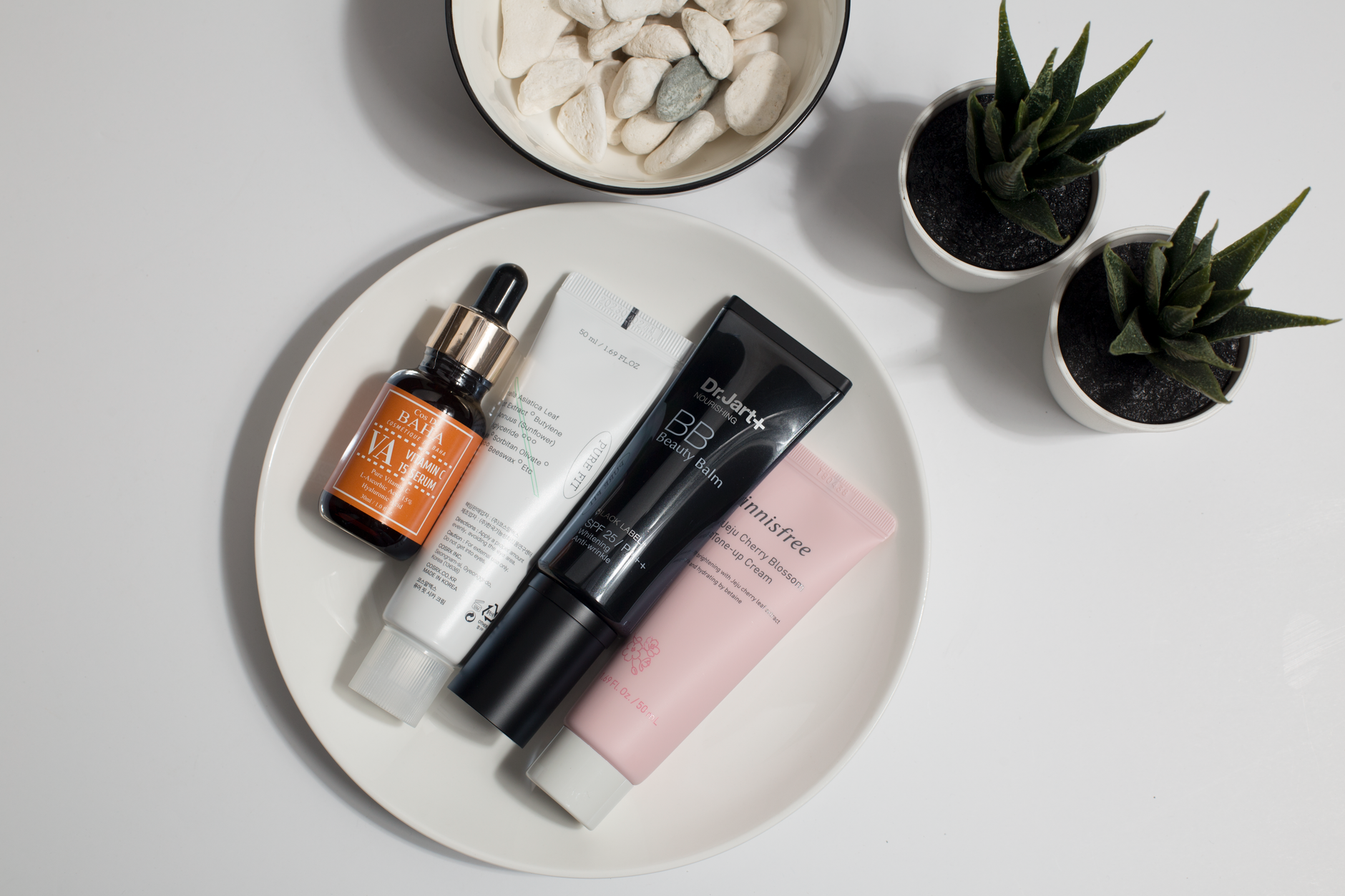
Standing in the bustling streets of Itaewon, surrounded by beauty shops filled with bright, glossy packaging, it’s hard not to feel overwhelmed by the options available for skincare. Each brand, from Innisfree to Cosrx, promises transformative results. But how do you sift through the noise and build a personalized K-beauty skincare routine that truly works for you? This post aims to break it down step by step.
What You Need to Know First
Before diving into products, it's essential to understand your skin type and concerns. Skin types generally fall into four categories: oily, dry, combination, and sensitive. Knowing this will guide your choices significantly. Here are a few tips to assess your skin:
- Oily: Your skin feels greasy shortly after washing, and you might notice enlarged pores.
- Dry: Your skin feels tight, especially after cleansing, and may show visible flaking.
- Combination: You have both oily and dry areas, often an oily T-zone with dryness on the cheeks.
- Sensitive: Your skin easily reacts to products, often showing redness or irritation.
Whenever I feel uncertain about my skin type, I visit Dr. Jart+ at their flagship store in Gangnam. They offer a skin analysis that can give you insights tailored to your specific needs.
Building Your Routine: The Steps
A complete skincare routine typically consists of several key steps. Here’s a straightforward guide to help you assemble yours:
1. Cleanser
Start with a gentle cleanser. If you have oily skin, consider Cosrx Low pH Good Morning Gel Cleanser (8,000 won or around $6). This product has been a staple in my routine, as it effectively removes excess oil without stripping my skin. For those with dry skin, a creamier option like the Innisfree Green Barley Cleansing Foam (11,000 won or about $9) might be preferable. I’ve also come across the Freshly Juiced Vitamin E Mask (20,000 won or $15), which works marvelously for a deeper cleanse on the weekends when my skin needs it most.
2. Toner
A toner helps to balance the skin's pH. The Etude House Soon Jung pH 5.5 Relief Toner (14,000 won or $11) is a solid choice for all skin types without harsh additives. After using this toner, my skin feels refreshed and ready for the next steps. I usually purchase it from the Olive Young in Seongsu-dong, which often has promotions on popular items. When I first started using toner, I made the mistake of applying it with a cotton pad, wasting product. Then I switched to patting it in with my hands, which not only saves product but also feels more hydrating.
3. Essence
This step is pivotal in K-beauty. An essence like the Mise en Scene Perfect Repair Ampoule (15,000 won or approximately $12) adds hydration and nourishment. Apply it right after toning for the best results. I initially skipped this step, thinking it was unnecessary, but I noticed a significant improvement in my skin's texture when I incorporated it into my routine. If you're looking for something a bit more luxurious, the SK-II Facial Treatment Essence (120,000 won or around $90) is highly recommended by many K-beauty lovers, although it might not fit every budget.
4. Serum
Choose a serum based on your specific skin concerns. If you’re struggling with acne, consider Some By Mi AHA-BHA-PHA 30 Days Miracle Serum (23,000 won or about $18). This product is effective at reducing acne and controlling oil production. For hydration, the Laneige Water Bank Hydro Essence (28,000 won or $22) is widely regarded among beauty enthusiasts. I found that using the Some By Mi serum made a significant difference in my breakouts when I was living in Hongdae, where the humid summer air can be unforgiving on acne-prone skin.
5. Moisturizer
Your choice of moisturizer will depend on your skin type. For oily skin, a light gel like Neogen Aqua Fresh Water Gel (20,000 won or around $16) works well. Those with drier skin might prefer a richer cream, such as Belif The True Cream Aqua Bomb (36,000 won or about $28). I personally switched to the Belif cream in winter when my skin needed an extra layer of moisture, and it made a noticeable difference. In the summer, I recommend the Banila Co. Dear Hydration Cream (26,000 won or around $20), which hydrates without feeling heavy.
6. Sunscreen
Never skip sunscreen, even on cloudy days. The Innisfree Daily UV Protection Cream (12,000 won or $9) offers good protection without a greasy finish, suitable for daily wear. I make it a point to reapply every few hours, especially when I’m spending time outdoors in places like Hangang Park. For a higher SPF option, the Missha All Around Safe Block Essence Sun Milk (18,000 won or approximately $14) is another favourite, providing excellent sun protection and a lightweight feel.
Honest Comparisons of Popular Products
While the offerings in K-beauty are vast, not every product lives up to the hype. Here’s a comparison of some popular products across different categories:
Cleanser Comparison
- Cosrx Low pH Good Morning Gel Cleanser: Great for oily skin with its low pH, but may not provide enough moisture for dry skin. It’s an affordable option, perfect for daily use.
- Innisfree Green Barley Cleansing Foam: Ideal for dry skin, but can feel heavy for oily skin types. Many users with dry skin appreciate how well it cleans without stripping moisture.
- Dr. Jart+ Dermaclear Micro Foam Cleanser (22,000 won or around $17): This is a more premium option and works well for sensitive skin types, but it comes at a higher price point.
Moisturizer Comparison
- Neogen Aqua Fresh Water Gel: Lightweight and absorbs quickly, but may not suffice for extremely dry skin. Best suited for hot days.
- Belif The True Cream Aqua Bomb: Rich and hydrating, perfect for winter, but might feel too heavy for summer for some users.
- It’s Skin Power 10 Formula Propolis Effector (17,000 won or about $13): A great budget alternative with decent hydration but not as rich as the Belif cream.
The Mistake Most People Make
A common pitfall when selecting products is assuming that more is better. Many newcomers to K-beauty feel the need to apply multiple serums or treatments, but this can overwhelm your skin. Start with a few essential products tailored to your needs, then gradually incorporate new items as you see how your skin reacts. During my experience, I found sticking to a core routine for a few weeks helped me better understand how my skin responded. This approach made me realise that simple is often more effective than complicated.
What It Costs and How Long It Takes
Building a personalized skincare routine can be as budget-friendly or as luxurious as you choose. Expect to spend around 100,000 to 200,000 won (approximately $80 to $160) for a complete basic routine with quality products. The time investment for this routine is minimal, usually taking about 10 to 15 minutes in the morning and evening. However, the results are worth the effort.
Here's a rough breakdown of what you might spend:
- Cleanser: 8,000 to 15,000 won ($6 to $12)
- Toner: 10,000 to 15,000 won ($8 to $12)
- Essence: 15,000 to 30,000 won ($12 to $24)
- Serum: 20,000 to 30,000 won ($16 to $24)
- Moisturizer: 20,000 to 40,000 won ($16 to $32)
- Sunscreen: 8,000 to 15,000 won ($6 to $12)
By shopping smartly at places like H Mart and Olive Young, you can often find sales or discounts that make these products even more accessible.
Adjusting Your Routine Seasonally
It's crucial to adapt your skincare routine as seasons change. In Seoul, winters can be harsh and dry, necessitating heavier moisturisers and hydrating essences. Conversely, summer often calls for lighter products that won’t clog pores in the heat. I usually switch to gel-based moisturisers in summer to combat humidity, while during winter, I rely on thicker creams to protect against dryness. I often visit Dongdaemun for seasonal sales and limited-edition products that are perfect for transitional skincare needs.
Real-World Examples and Tips
As I’ve navigated the K-beauty market in Seoul, I’ve come across various tips and tricks that have made my skincare journey easier:
- Patch Test New Products: I always conduct a patch test before incorporating new items, especially with serums and essences. Apply a small amount on your wrist or behind your ear and wait 24 hours to see if there is any reaction.
- Stay Hydrated: Drinking enough water plays a vital role in skin health. I often keep a reusable water bottle on me as I explore Yeonnam-dong, where I can enjoy cafes with great atmospheres and refreshing drinks.
- Use a Humidifier: During the dry winter months, I keep a humidifier on at home. This simple device helps maintain moisture in the air, which is beneficial for my skin.
- Consult with Professionals: If in doubt, don’t hesitate to consult with a dermatologist or skincare expert. Many beauty shops in Jongno offer free consultations with skincare professionals.
Final Thoughts
Your K-beauty journey should reflect your unique skin type and personal preferences. The products mentioned here are readily available in stores around Seoul, such as Olive Young or H Mart. Take the time to observe how your skin responds to each new product and adjust accordingly. The key to effective skincare is consistency and listening to your skin’s needs.
In the next post, I'll explore the best K-beauty products for specific skin concerns, like acne or pigmentation.
Photos by Elena Druzhinina, Brian Phetmeuangmay, Ray Piedra via Pexels