Korean Sunscreen Sticks vs Creams: Which Fits Your Routine?
Explore the pros and cons of Korean sunscreen sticks and creams to find out which type works best for your skincare routine in Seoul.
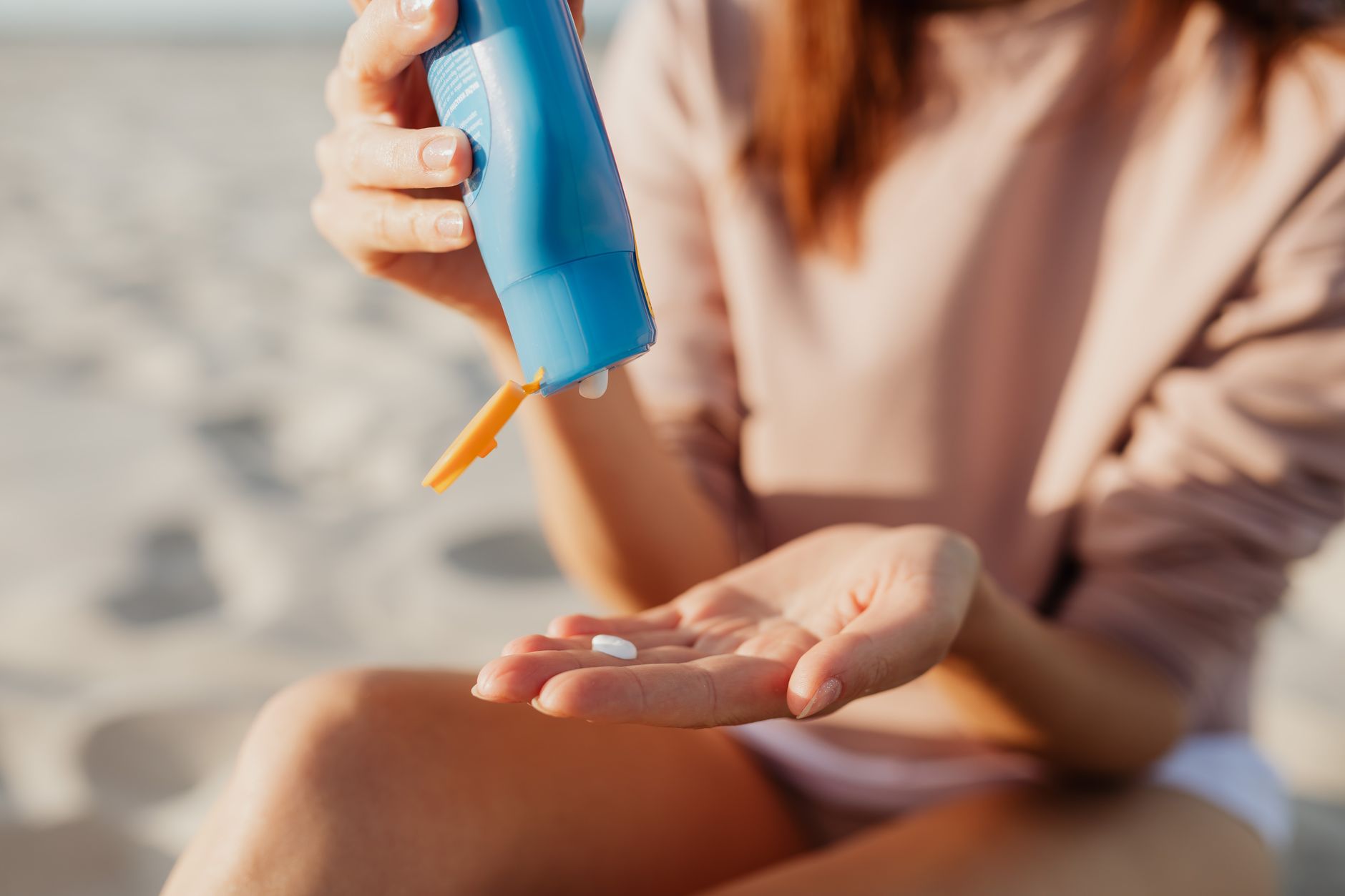
Walking through the streets of Gangnam, it’s hard to miss the constant chatter about Korean sunscreen. With summer approaching and the sun's rays growing more intense, the options for sun protection are abundant. Among the popular choices are sunscreen sticks and creams, both of which have their advocates. But which type fits better into your daily routine? I’ve tested both formats to help clarify this debate.
First Impressions of Sunscreen Sticks and Creams
Sunscreen in Korea is a serious matter, and it's common to see people slathering it on in the middle of the day, regardless of their plans. On my recent visit to Olive Young in Seongsu-dong, I picked up both the Missha All-Around Safe Block Stick SPF 50 (12,000 won, roughly $10) and the Innisfree Daily UV Defense Cream SPF 36 (15,000 won, approximately $12).
First impressions can be misleading, but it’s essential to note how these products feel and apply. The sunscreen stick feels more convenient for a quick application, while the cream has a familiar, smooth texture that blends well into the skin. The solid format of the stick is particularly appealing when I think about those hot summer days spent walking around the Han River. It’s not just about sun protection; it's about ease of reapplication.

How They Actually Performed
To evaluate their performance, I used both products over a few weeks while balancing my daily activities in Itaewon and the local parks. The stick was perfect for touch-ups after a sweaty lunch or a run. I appreciated how it didn’t require me to use my hands, allowing for a quick reapplication without mess. However, I found that the stick sometimes left a slight white cast that was noticeable on my darker skin, particularly on days I used it without a base makeup.
In contrast, the cream absorbed quickly and felt hydrating, making it suitable for my morning routine. I loved how it layered smoothly under makeup, ensuring that my face didn’t feel greasy as the day progressed. The Innisfree cream was great to use while visiting cafes in Jongno, where I’d often find myself sitting outside for long periods. However, I often forgot to reapply it throughout the day, which is a common pitfall with cream formulas.
What Is Good About Each Format
Both sunscreen sticks and creams have their merits, which can cater to different needs. Here’s a closer look at their strengths:
- Sunscreen Sticks: Convenient for on-the-go application, mess-free, and typically compact. They fit easily into a small bag or even a pocket, making them ideal for outdoor activities in parks like Hangang Park or for quick touch-ups while shopping in Myeongdong. If you’re out and about, a stick can ensure you remain protected without needing a mirror or a wipe. I found it especially useful during the cherry blossom season in Yeonnam-dong, where I could quickly refresh my sunscreen without interrupting my stroll.
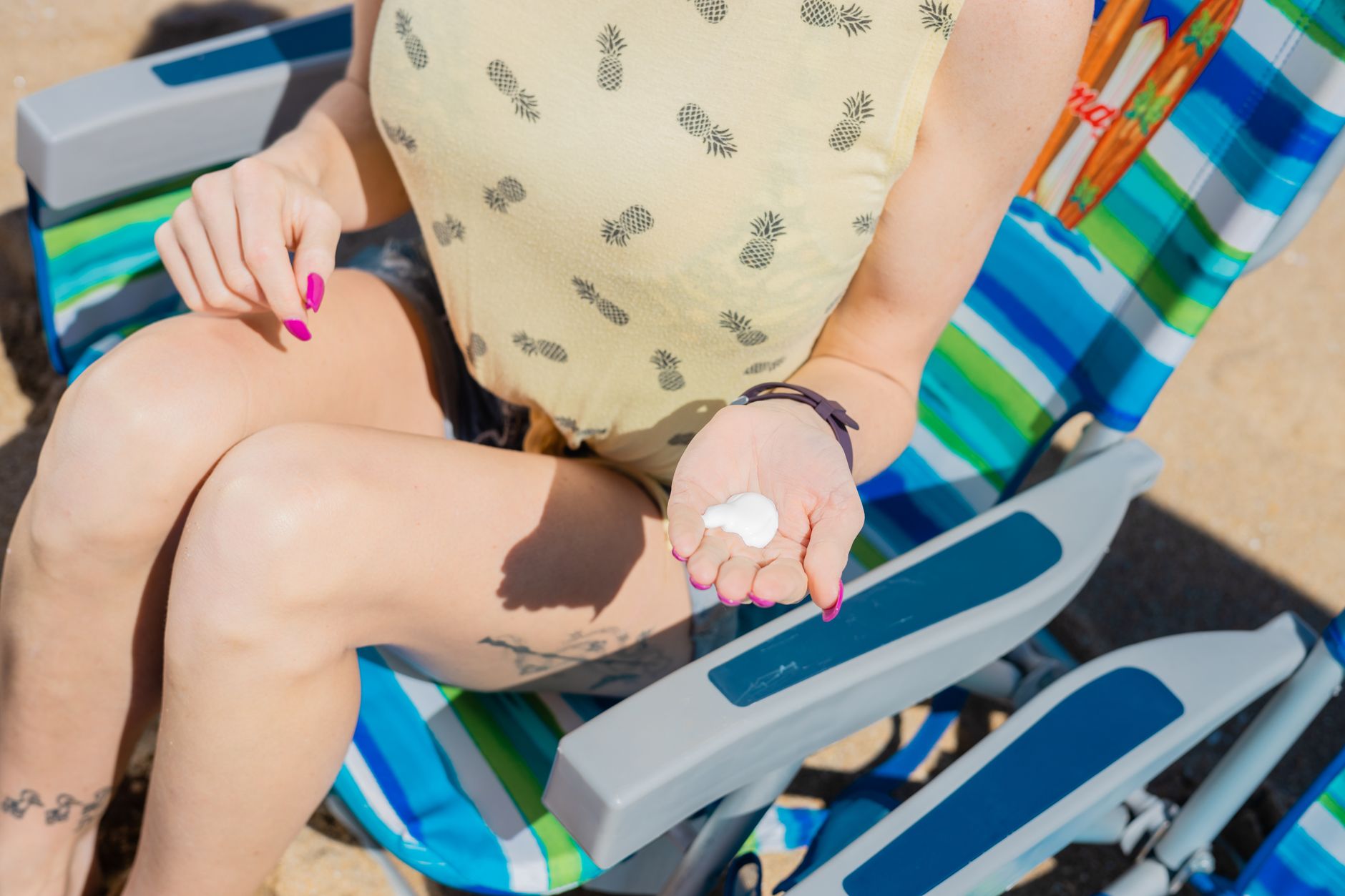
- Sunscreen Creams: Often more hydrating, good for layering with other skincare, and provides a smooth finish under makeup. The Innisfree Daily UV Defense Cream, for instance, is especially good for those with dry skin, as it contains green tea extract to provide extra moisture. Using this cream felt like treating my skin; the texture was luxurious, and it didn’t feel heavy even during the humid days in Seoul.
What Is Not So Great
While both have advantages, they also come with drawbacks that potential users should consider:
- Sunscreen Sticks: Can leave a white cast if not blended well, especially on darker skin tones. There were instances when I applied it quickly, and family members pointed out that I looked slightly ghostly. Additionally, they may not provide full coverage if not applied generously; for example, I noticed that when I'd apply the stick in a hurry, some areas of my face would be less protected.
- Sunscreen Creams: Require hands for application and can be forgotten during touch-ups. On days when I was busy exploring the shops in Apgujeong, I often neglected to carry the cream with me, making it easy to miss reapplications. I also noticed that when I used the cream, the risk of smudging my makeup increased, which is something to keep in mind if you prefer a polished look.
Practical Tips for Choosing the Right Type
When it comes to selecting between sunscreen sticks and creams, here are a few tips based on my experiences:
- Assess Your Routine: If your mornings are rushed and you’re often on the go, a sunscreen stick like the Missha All-Around Safe Block might be your best bet for quick application. If you have more time in the morning, particularly if you enjoy setting a skincare routine in your apartment in the bustling area of Hongdae, a cream could integrate better. Consider getting a sunscreen cream that doubles as a moisturiser for added hydration.
- Consider Your Skin Type: Those with oily skin often benefit from creams that are lightweight and absorb quickly, like the Neogen Day-Light Protection Sun Screen (24,000 won, ~$20), which is particularly praised for its refreshing feel. Conversely, if you have dry skin, the added moisture from a cream could be essential. Look at products like the COSRX Aloe Soothing Sun Cream (14,000 won, ~$11) that are formulated with hydrating ingredients.
- Test for White Cast: If you have darker skin, always test sunscreens in-store or purchase from places with good returns. The white cast from sunscreen sticks can be a dealbreaker for many. Some shops in Itaewon even offer testers, allowing you to sample the product before committing.
- Consider the Environment: If you spend most of your time indoors, a cream may suffice, but if you’re often outdoors, a stick that fits into your bag for easy reapplication is likely the better choice. The UV index in Seoul can rise significantly, especially during summer, so having a reliable and portable option is key.
Who Should Skip Which Option
If your routine involves a lot of outdoor activities or you're constantly in motion, like spending weekends hiking in Bukhansan or picnicking in parks, a sunscreen stick might be your best bet. It’s quick and easy to apply without needing a mirror. On the other hand, if you prefer an in-depth skincare routine and don’t mind taking a bit longer each morning, the cream could integrate better, especially if you love layering products.
For those with sensitive skin, you might want to lean towards cream formulas that don’t have added fragrances or alcohol, which are often found in many sunscreen sticks. Always check the ingredient list before making a purchase, especially if you plan to wear the product for extended periods.
Price Comparison and Availability
When considering your options, price is naturally a significant factor. Here's a breakdown of various products available in Seoul:
- Missha All-Around Safe Block Stick SPF 50: 12,000 won (~$10) at Olive Young.
- Innisfree Daily UV Defense Cream SPF 36: 15,000 won (~$12) at Innisfree stores or online.
- COSRX Aloe Soothing Sun Cream: 14,000 won (~$11), which is often praised for its soothing properties.
- Neogen Day-Light Protection Sun Screen: 24,000 won (~$20), a bit pricier but worth it for its lightweight feel and effectiveness.
Prices can vary slightly from store to store, and it’s useful to keep an eye out for sales or discounts at places like H Mart, where K-beauty products are frequently discounted. Some local shops in the Dongdaemun area might also offer competitive pricing on popular brands.
Final Thoughts
The choice between sunscreen sticks and creams ultimately boils down to your lifestyle and skin type. Do you need something quick and portable, or do you prefer a thorough skincare regimen? Both formats have their advantages and disadvantages, and neither is inherently better than the other. It often comes down to personal preference.
If you find yourself leaning towards convenience and portability, a sunscreen stick may be the way to go. However, if you enjoy a more elaborate skincare routine, you might prefer a cream that provides hydration alongside sun protection. The best results come from consistent use, regardless of which format you choose.
Next time, I’ll be sharing my thoughts on the best K-beauty moisturizers to use during the changing seasons in Seoul.
Photos by https://kaboompics.com/, Mikhail Nilov, Kindel Media via Pexels